


Discover the protein powerhouses among nuts and learn about their unique health benefits. From almonds to pistachios, walnuts to hazelnuts, this guide explores the nutritional value of various nuts and offers tips on how to incorporate them into your diet.
For anyone looking to increase their protein intake, high-protein nuts are a top choice. Snack on them by the handful, add them as a garnish sprinkled on soups and salads, or incorporate them into your cooking and baking. Healthy nuts introduce flavor and crunch to both sweet and savory dishes—as well as other nutrients, including protein.
While all nuts provide a combination of protein, healthy fats, fiber, antioxidants, and essential nutrients, the nutrient profile varies from one type to the next. For example, almonds are rich in vitamin E, walnuts are the only nut that’s an excellent source of plant-based omega-3s, and Brazil nuts are a top source of selenium. Because each type of nut offers unique benefits, it’s smart to stock up on a variety to get a range of nutrients. Varying your nut choices can also keep meals interesting and delicious. Nuts are versatile and nutrient-dense, making them a valuable addition to almost any eating pattern. Each nut offers a unique blend of nutrients, so rotating the types of nuts you eat can help ensure you get a variety of vitamins, minerals, and antioxidants. \ Almonds: Protein per ounce: 6.01 grams This MVP makes an appearance in so many dishes ranging from breakfast to dessert (our personal favorite: Energy Balls), and packs quite the nutritional punch. Almonds are rich in vitamin E and polyphenols, which fight oxidation. When oxidation happens in the body, it can damage cells and tissues. These antioxidants work together to protect that cardiovascular system from damage caused by chronic inflammation. Following a plant-based diet? These nuts can help fill a potential nutrient gap. Almonds stand out among nuts for their exceptional calcium content—one ounce provides about 76 mg of calcium, making them the highest in calcium among nuts. This makes almonds particularly beneficial for bone health, especially for those who don’t consume dairy. \ Pistachios: Protein per ounce: 5.73 grams Pull apart the shells and you’ll find little green nuts perfect for coating fish, sprinkling onto salads, or simply tossing with salt or spices. In addition to being a complete protein, pistachios are rich in lutein and zexanthin, antioxidants that support eye health. They also provide a good amount of fiber—about 3 grams per serving—which helps with digestion and keeps you full. Another reason to reach for pistachios the next time you’re snacking? Eating them from their shell may encourage more mindful snacking, explains Cassetty. Research suggests that the process of shelling pistachios as you eat can help slow down your pace and make you more aware of how much you're consuming. Seeing the leftover shells also creates a visual cue, which can help prevent overeating. \ Cashews: Protein per ounce: 5.16 grams Add crunch to salads, stir-fries, and snack mixes with this healthy nut. Cashews are a source of copper, which plays a key role in iron absorption, energy production, and supporting healthy connective tissues and bones. They also provide magnesium, important for muscle and nerve function, as well as healthy fats that support heart health. \ Walnuts: Protein per ounce: 4.31 grams An anti-inflammatory superstar, walnuts are easy to incorporate into your diet—try sprinkling on oatmeal or folding into grains. Walnuts are unique among nuts because they're the only one that's an excellent source of the plant-based omega-3 fatty acid ALA (alpha-linolenic acid). Omega-3s are known for their anti-inflammatory properties, which can benefit heart and brain health. Walnuts also provide antioxidants, making them a heart-healthy powerhouse. \ Hazelnuts: Protein per ounce: 4.25 grams Often paired with chocolate, these luxe nuts work in savory applications as well (exhibit A: our Brussels Sprout and Toasted Hazelnut Gnocchi). In addition to over 4 grams of protein, you'll get 87 percent of the daily recommended value of manganese in each 1-ounce serving, per the USDA
NUTRITION PROTEIN HEALTHY SNACKS ALMONDS PISTACHIOS CASHEWS WALNUTS HAZELNUTS NUT BENEFITS
United States Latest News, United States Headlines
Similar News:You can also read news stories similar to this one that we have collected from other news sources.
 High-Protein Diets: The Latest Trend in Weight ManagementThis article explores the growing popularity of high-protein diets, backed by research showing their effectiveness in weight loss and maintenance. It provides tips on incorporating more protein into your meals and highlights the benefits of this dietary approach.
Read more »
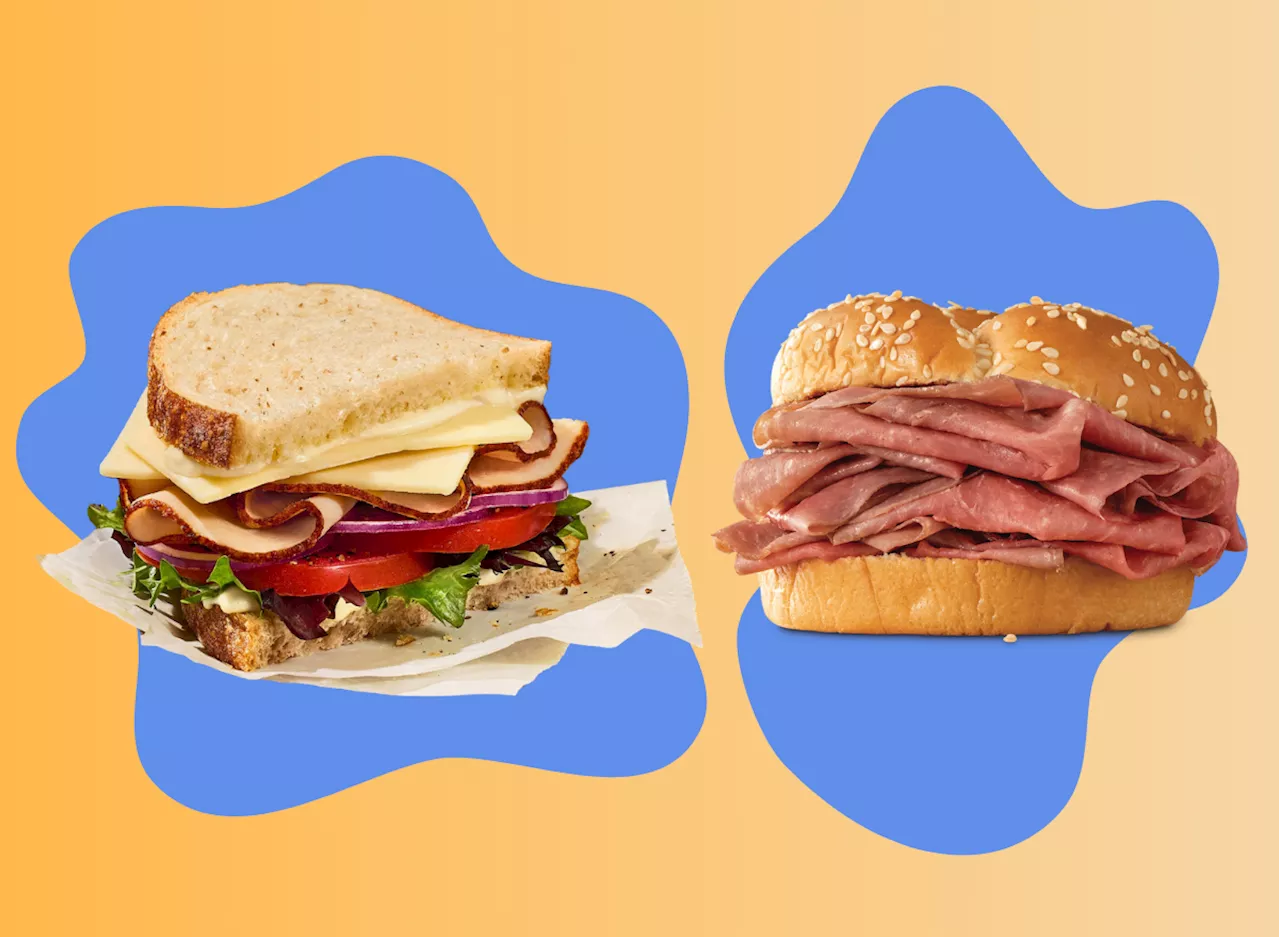 High-Protein Fast-Food Sandwiches for Healthier EatingRegistered dietitian Mary Sabat shares her expert recommendations on fast-food sandwiches that are both protein-rich and relatively healthy.
Read more »
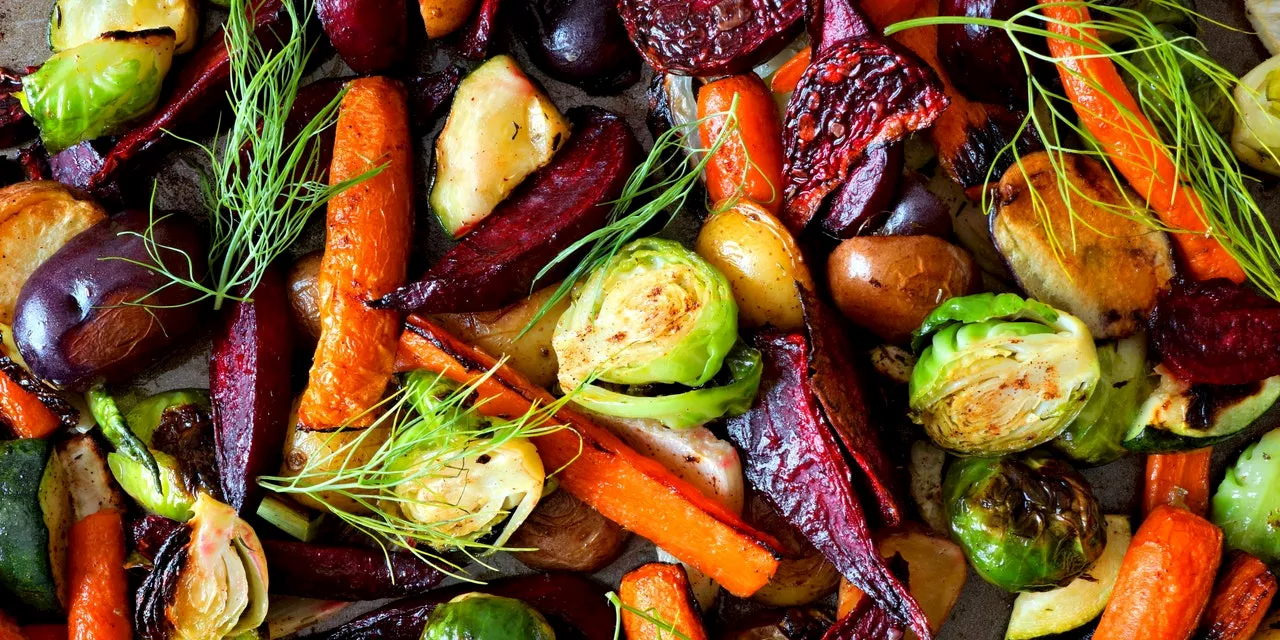 High-Protein Vegetables You Can Add To Your DietDiscover a list of vegetables that pack more protein than your average leafy greens. These options won't replace your need for complete protein sources, but they can contribute to a more balanced and satisfying diet.
Read more »
 20 High-Protein Costco Foods for Weight LossBest Life shares 20 high-protein foods from Costco that helped one nutrition expert lose 50 pounds.
Read more »
 Power your workouts with these top soy protein powdersSoy protein powders can supplement your diet with essential amino acids, protein and other nutrients.
Read more »
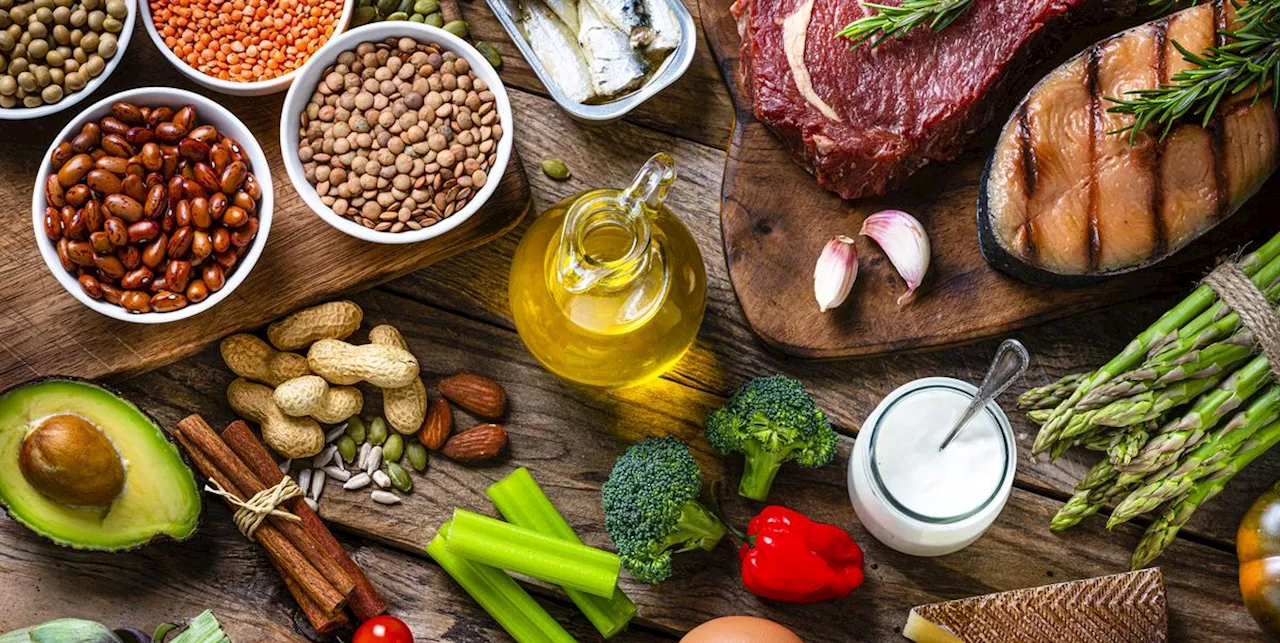 17 High Protein Foods That Pack More Protein Than an EggThese foods are low in calories, nutrient-dense, and have more protein than one large egg. Here’s the best way to eat them.
Read more »