


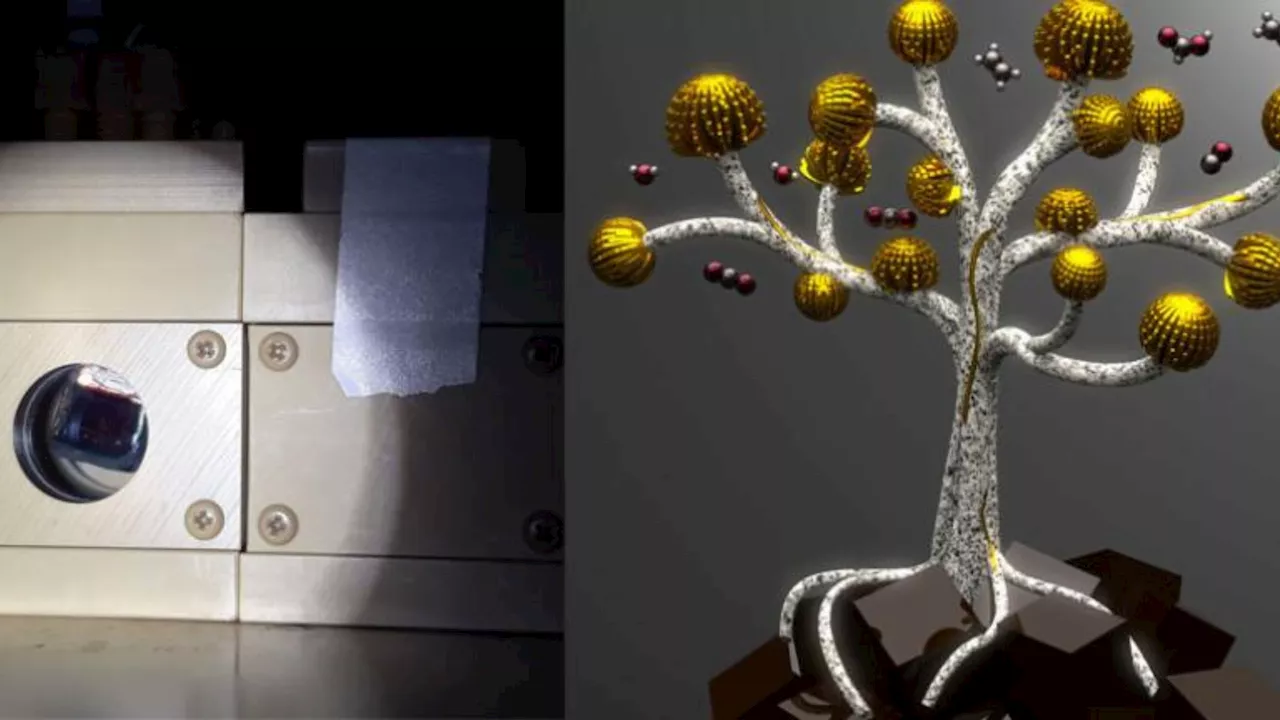
Researchers from the University of Cambridge and UC Berkeley have developed a groundbreaking system that utilizes sunlight to convert carbon dioxide (CO2) into valuable hydrocarbons, such as ethane and ethylene. This innovation holds immense potential for cleaner energy production and sustainable manufacturing processes.
Researchers from the University of Cambridge and the University of California, Berkeley, have developed an innovative system that uses sunlight to convert carbon dioxide into complex hydrocarbons.This breakthrough could lead to cleaner energy production and more sustainable manufacturing processes.
Their approach combines a highly efficient solar cell made from a material known as perovskite with tiny copper catalysts dubbed “nano-flowers.”Copper flowers with solar leavesTraditional methods of converting CO₂ primarily yield single-carbon molecules.However, this new technology can generate more complex hydrocarbons, such as ethane and ethylene, two crucial components for liquid fuels, plastics, and other chemicals.The study, published in Nature Catalysis, highlights a significant step forward in seeking sustainable alternatives to fossil fuels.Most hydrocarbons available today are derived from fossil sources, contributing to environmental challenges.The Cambridge-Berkeley team, however, has developed a system that produces hydrocarbons using only CO₂, water, and glycerol—a common organic material—without releasing additional carbon emissions.This marks a distinct advance in the search for clean chemical production methods.The researchers took inspiration from the natural process of photosynthesis, where plants convert sunlight into energy.“Our goal was to advance beyond just basic CO₂ reduction and create more complex hydrocarbons, which requires a significant amount of energy,” explained Dr. Virgil Andrei from the Cambridge Yusuf Hamied Department of Chemistry, the study’s lead author.The team integrated the perovskite light absorber with the copper nano-flowers to achieve their results, transforming CO₂ into more intricate hydrocarbons.They also incorporated silicon nanowire electrodes that effectively oxidize glycerol instead of splitting water, a less efficient method.This combination resulted in a system that yields hydrocarbons around 200 times more efficiently than previous models.Turning sunlight into fuelIn addition to improving CO₂ reduction, this reaction generates valuable byproducts such as glycerate, lactate, and formate—chemicals useful in pharmaceuticals, cosmetics, and various chemical syntheses.“We have shown that glycerol, which is often seen as waste, can actually enhance reaction rates,” added Dr. Andrei. “This opens up opportunities for applying our technology to various chemical processes beyond merely converting waste.”Despite achieving a selectivity rate of around 10% in converting CO₂ to hydrocarbons, the research team is optimistic about refining their catalysts to enhance this efficiency.They envision expanding their platform to accommodate even more complex organic reactions, which could lead to groundbreaking developments in sustainable chemical production.“This project illustrates the power of international collaboration in advancing scientific knowledge and practical applications,” Dr. Andrei noted.The collaboration between researchers at Cambridge and Berkeley has the potential to reshape how fuels and essential chemical compounds are produced in an increasingly environmentally conscious world.Support for the research stemmed from several sources, including the Winton Programme for the Physics of Sustainability, St John’s College, the US Department of Energy, the European Research Council, and UK Research and Innovation .As scientists continue to refine this innovative technology, it could play a crucial role in enabling a transition towards a carbon-neutral economy, marking a significant milestone in efforts to combat climate change and achieve sustainability in industrial processes.
CARBON CAPTURE SUSTAINABLE ENERGY CHEMICAL PRODUCTION HYDROCARBONS PHOTOSYNTHESIS
United States Latest News, United States Headlines
Similar News:You can also read news stories similar to this one that we have collected from other news sources.
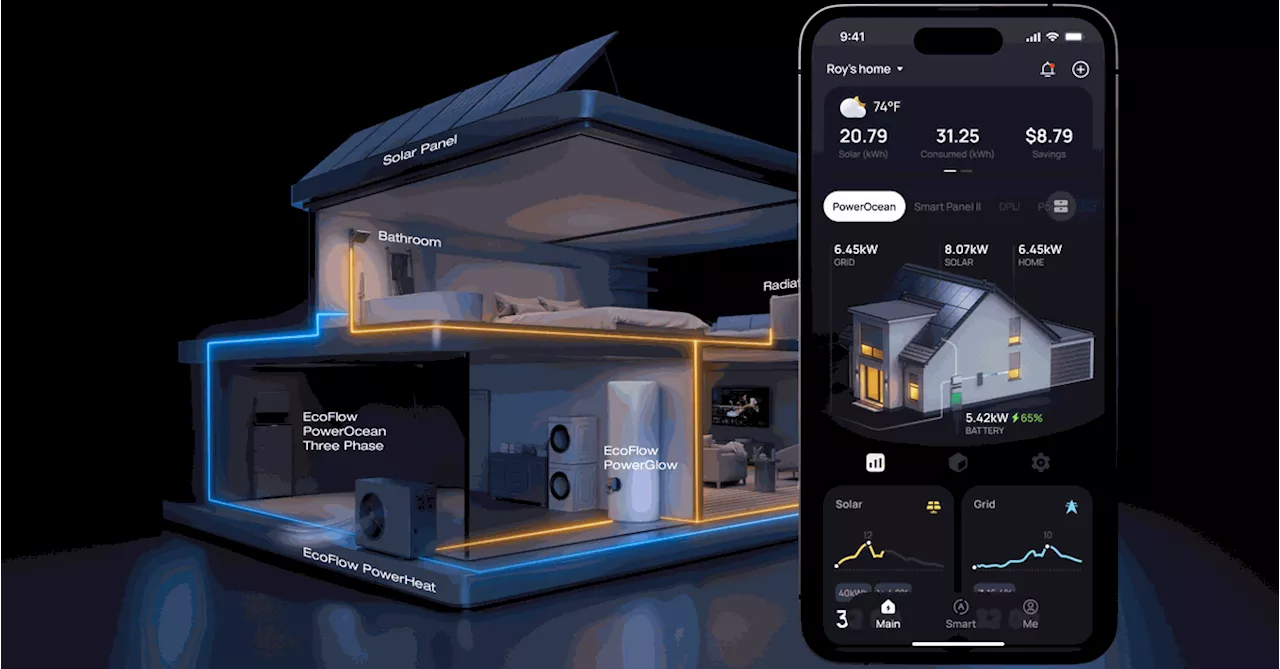 EcoFlow's Oasis: AI-Powered Home Energy Management System Debuts at CESEcoFlow unveils Oasis, its new AI-powered Home Energy Management System at CES, designed to automate and simplify energy management. Oasis features a natural language AI assistant that can answer and act on complex energy-related questions.
Read more »
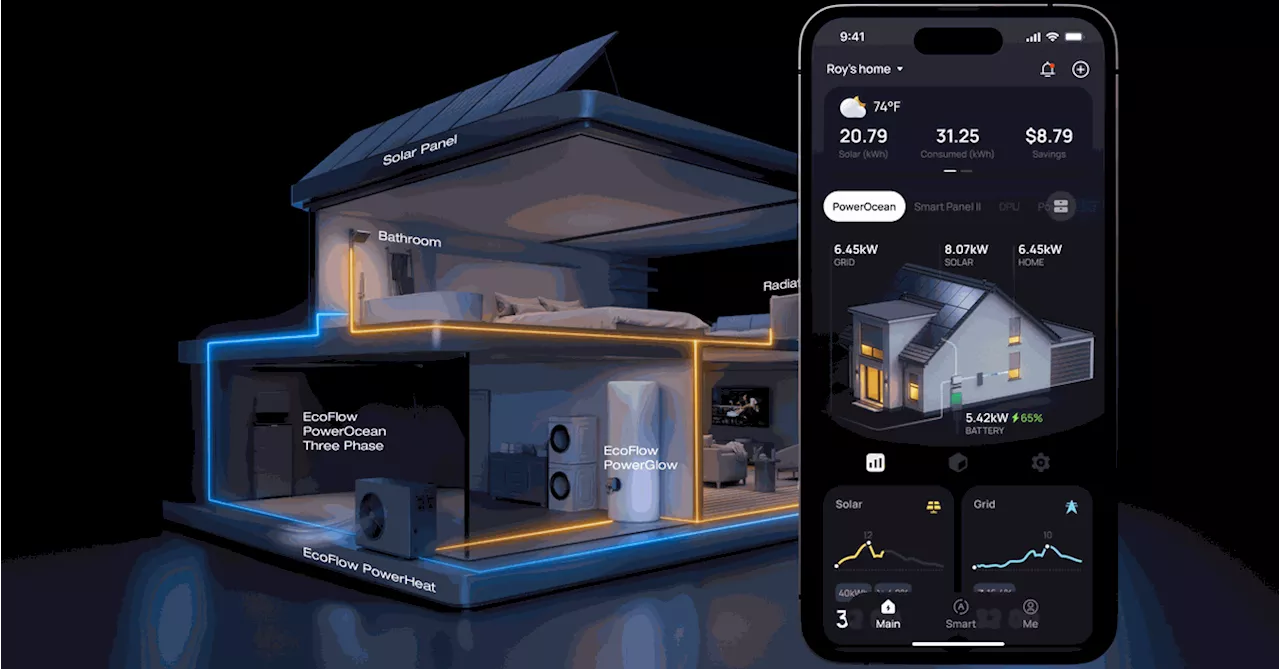 EcoFlow Unveils Oasis: AI-Powered Home Energy Management System at CESEcoFlow introduces Oasis, an AI-powered Home Energy Management System designed to simplify energy management. Oasis features an AI assistant capable of understanding natural language queries and automating energy-saving actions. The system integrates with EcoFlow's home power technology, monitors solar energy production, manages battery charging, and controls third-party appliances. EcoFlow also teases the launch of Ocean Pro, a grid-tied whole-home solar battery solution for the US.
Read more »
 Living Without Sunlight: A Journalist's Experiment in Time and RhythmScience journalist Lynne Peeples spent 10 days in a bunker without sunlight or clocks to understand her circadian rhythm. She documented her experience, including feelings of disorientation and clumsiness, and analyzed her body's temperature, heart rate, and glucose levels. Her findings highlight the crucial role of light in regulating our internal clocks and overall health.
Read more »
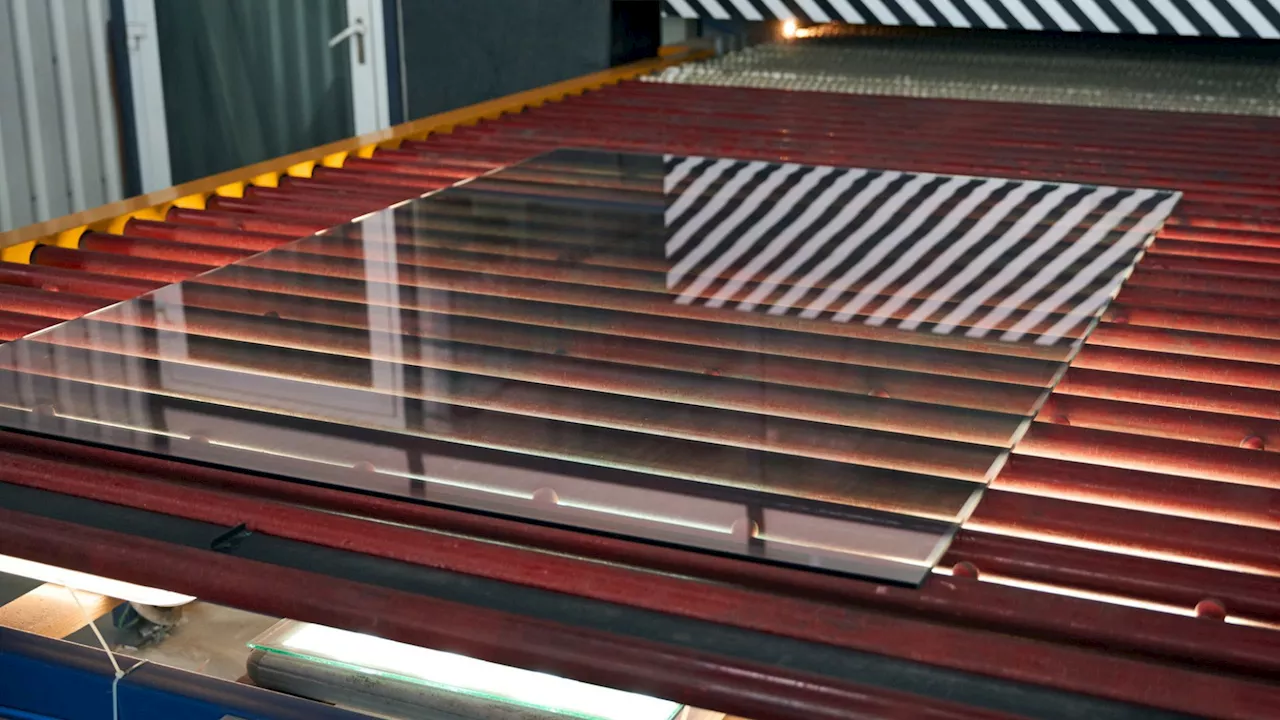 Transparent tech harvests energy from radio waves, sunlight for self-powering devicesResearchers have developed a transparent device that can harvest energy from both radio waves and sunlight.
Read more »
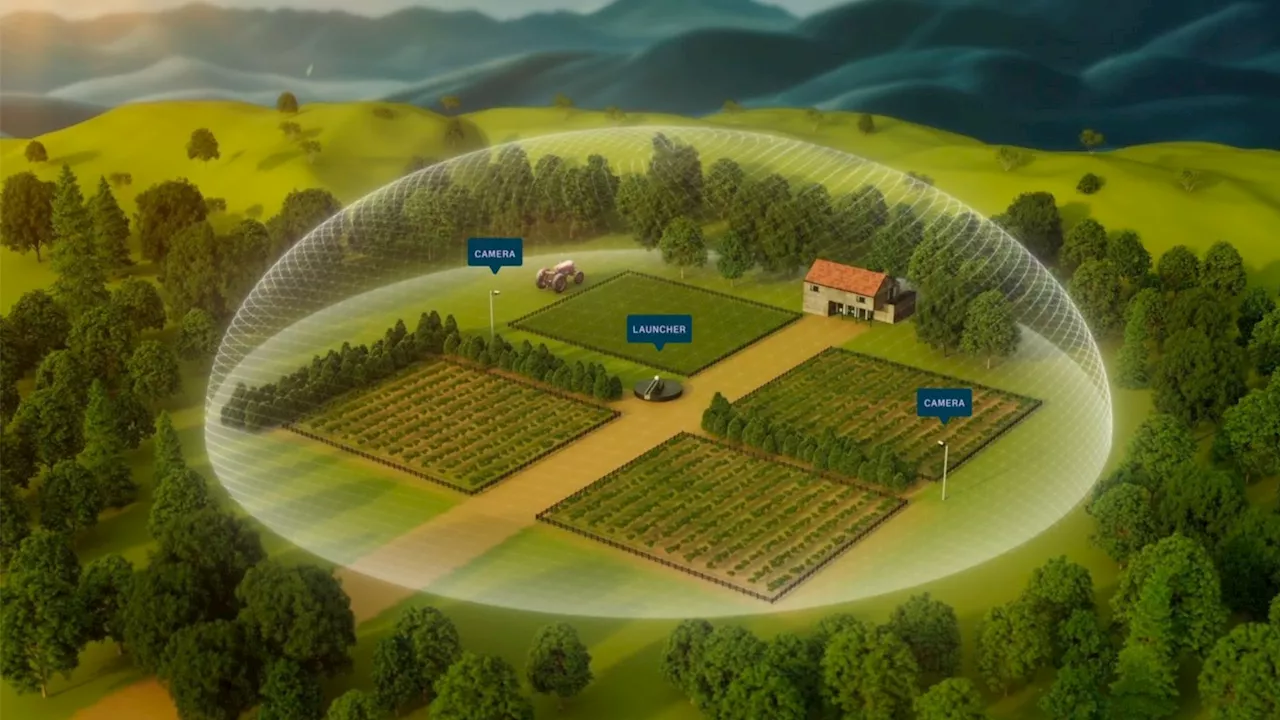 Israeli Firm Develops AI-Powered Wildfire Defense SystemFireDome, an Israeli company, has developed a groundbreaking wildfire defense system that utilizes AI technology to detect, protect against, and suppress wildfires. Inspired by Israel's Iron Dome air defense system, FireDome's system monitors for wildfires through cameras and AI, deploying a protective barrier to block the path of encroaching flames and extinguishing spot fires caused by airborne embers. The system operates autonomously, requiring no personnel on the ground, potentially saving lives and protecting vast areas of land.
Read more »
 Sunlight-Powered Reactor Could Produce Carbon-Free HydrogenResearchers have developed a new method for producing carbon-free hydrogen using sunlight and photocatalysts. The technology, which bypasses traditional photovoltaic methods, could revolutionize hydrogen production and accelerate the transition to a carbon-free economy.
Read more »