


The quality of sleep is almost as important as the quantity.
Sleep knits up the raveled sleeve of care, according to Shakespeare, but how much pillow time do we actually need? The short answer is enough so that we aren’t tired the next day. The long answer is that it depends greatly on the individual.
Some people do fine on six hours of sleep a night and others are a wreck if they don’t get their eight hours. “The minimum is 5 hours and 45 minutes a night,” says Dr. Aruna Rao, a neurologist and sleep expert at Johns Hopkins, who herself sleeps eight hours a night. “There is no maximum,” she says, noting that if people sleep more than 9 hours a night, that can indicate other health problems such as heart disease. Getting enough sleep is important for several reasons. Every night, humans go through three to five, 90- to 120-minute cycles that include both deep restorative sleep and rapid-eye-movement sleep where they dream, Rao says. During the non-REM sleep, the body bathes brain cells in cerebrospinal fluids that carry off waste products, including some associated with dementia. “A friend of mine calls it ‘the washing machine effect’,” says Dr. Stephen Schimpff, who wrote the book Longevity Decoded: The 7 Keys to Healthy Aging. He identifies sleep as one of those keys. Meanwhile, during REM sleep, people’s brains process and store new information, which helps ensure that important lessons and memories aren’t forgotten. “We collect our memories and sort them out and file them,” Schimpff, a retired Maryland internist, told Barron’s. “Somehow there is a mechanism that saves the most important ones and discards the least important ones.” A lack of sleep has other health consequences. It can contribute to high blood pressure, poor eating, weight gains, and metabolic disorders such as diabetes, doctors say. Too much sleep, on the other hand, can also be a risk factor for diabetes and obesity in addition to heart disease, according to Johns Hopkins. Contrary to popular belief, seniors don’t need less sleep, Schimpff says, himself 81 years old. He still sleeps 7.5 to 8 hours a night, but wakes up more during the night than he used to, which is typical for seniors. “Sometimes I roll right over and go back to sleep, but sometimes I start thinking more about things,” he says. The quality of sleep is almost as important as the quantity. If you sleep poorly because of sleep apnea, interruptions, or a partner that snores, it can have the same effect as too little sleep, experts say. This article from Houston Methodist hospital has detailed tips on dealing with sleep apnea and snoring. If you aren’t sleeping enough or sleeping poorly, here are some other steps you can take to improve your shut-eye. Find a Bedtime and Stick to It Every person has a circadian rhythm that determines when they naturally get tired every day, Rao of Johns Hopkins says. Trouble often arises when you stay up past your natural bed time because of a job or spouse or simply because you get caught up in something. People should try to determine the time when they naturally go to sleep each night and the time when they naturally wake up each morning without an alarm clock, Rao says. “It’s very important to sleep when you’re supposed to be asleep and to be awake when you’re supposed to be awake,” she told Barron’s. When you wake up every morning, Schimpff recommends going outside and getting a few minutes of sunlight. “That helps cement that circadian rhythm,” he says. Develop a Routine That Calms You Down Before Bedtime You need to give your body time to transition to rest. That means avoid reading a bunch of work emails that might wind you up right before bed. And don’t watch your favorite team in action or a scary movie. Meditation or yoga, by contrast, help many people relax before sleeping. Vigorous exercise does the opposite and isn’t usually a good idea right before bedtime, doctors say. Moderate exercise earlier in the evening is fine. If you can avoid it, don’t eat right before sleeping. Ideally, you should have dinner three hours or more before your bedtime. “You’ll sleep better,” Schimpff says. Sleep in a Cool, Dark Room Our bodies tend to cool off when we go to sleep, and going to bed in a room that is already cool speeds up the process, according to this article from Dr. Mayank Shukula, a New York sleep specialist. Of course, sleeping cool is easier in some places and times of the year than others. If you can’t afford air conditioning, or it doesn’t make sense, you can use tricks like chilling your sheet before you go to bed, using a fan in the bedroom, or letting your feet stick out at the end of the bed to help the room feel cooler. Don’t Rely on Sleeping Pills Rather than pop a pill when you can’t sleep, try to figure out what is keeping you awake. If you’re stressed about something, see if it’s possible to remove that stress from your life. Yes, there may be stressful times in your life when you need a sleeping pill, but try not to make it a regular thing, according to both doctors Rao and Schimpff. If you opt for an over-the-counter sleep medication such as doxylamine , pick the lowest dose possible and use it only for a short period, says Rao of Johns Hopkins. Rather than a medication like Tylenol PM that combines a pain reliever with the sleep-inducing antihistamine diphenhydramine , she says you should just take the diphenhydramine by itself. If you take a sleep pill, give yourself at least eight hours before you get out of bed so that your body can metabolize the drug, Rao said. Otherwise, you will be groggy. If you’re having trouble adjusting to a new sleeping time, try a dose of the hormone melatonin three or four hours before your bedtime, Rao says. Melatonin isn’t a sleeping pill, she adds. It is a way of adjusting your circadian rhythm to your new schedule.
Sleep Pillow Time Tiredness Individual Neurologist Johns Hopkins
United States Latest News, United States Headlines
Similar News:You can also read news stories similar to this one that we have collected from other news sources.
 Immersive theater experience ‘Sleep No More' ending 13-year NYC run in JanuaryCreated by the British theater troupe Punchdrunk, visitors to the fictional McKittrick Hotel are handed Venetian-style masks to wear and are encouraged to…
Read more »
 This Supplement Helps Me Fall Asleep By 10 p.m. (After 20 Years Of Struggling)*My sleep quality took a hit once I started menopause.
Read more »
 New Epic Games Store Free Game Is a Big Hit With FansDon't sleep on Epic Games Store's new free game.
Read more »
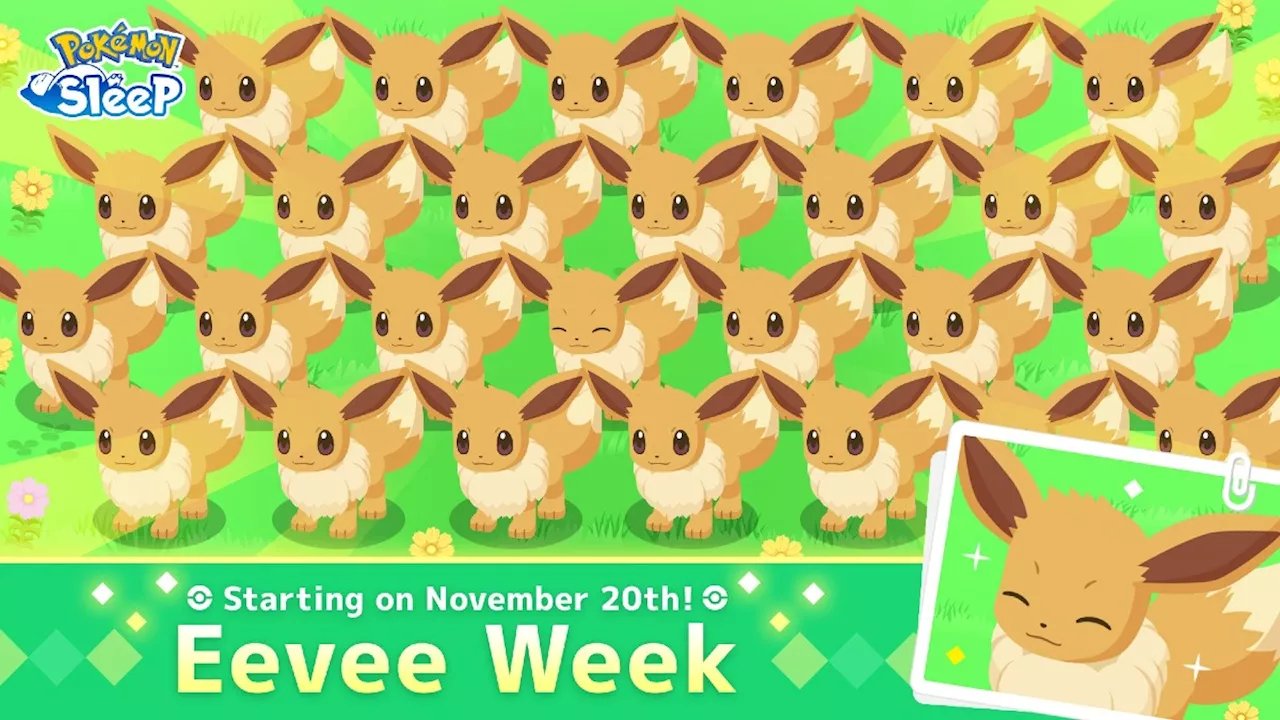 Pokemon Sleep Announces Eevee Week EventPokemon Sleep fans are getting an Eevee Week event this month, and we are beyond excited for all the Eeveelutions.
Read more »
 I've Been Using This CBD Oil For 5 Years & I Always Stock Up During This 50% Off SaleDon't sleep on these benefits.
Read more »
 The 'Scandinavian Sleep Method' Could Solve Your Relationship Sleeping WoesCan't get a good night's sleep with a partner? The 'Scandinavian Sleep Method' could change everything.
Read more »