


Researchers used seismic waves to track the trajectory of space debris from a Chinese spacecraft that entered the Earth's atmosphere. This new technique could help detect incoming space debris globally.
On 2 April, a shower of fireballs illuminated the night sky over Los Angeles and much of central and Southern California. Witnesses speculated whether they were observing a meteor, a failed rocket launch, or even a UFO. Astronomers later confirmed the fireballs were space debris from the orbital module of a Chinese spacecraft named Shenzhou-15, initially launched in November 2022.
The spacecraft's uncontrolled reentry prompted international concerns regarding the dangers of space junk descending to Earth. However, the event also sparked a novel approach for seismologists to utilize ground signals for tracking such debris. Sonic booms were detected by seismometers positioned throughout the Los Angeles basin. Subsequently, a team reconstructed the spacecraft's atmospheric trajectory from these seismic records. This innovative technique could assist researchers in detecting incoming space debris globally, even without visual observations. 'I'm not aware of any previous work attempting to track and characterize space debris using seismic measurements,' stated planetary scientist Benjamin Fernando of Johns Hopkins University in Baltimore, the study's lead author. Fernando and his colleagues presented their findings on 9 December at AGU's Annual Meeting 2024 in Washington, D.C. The escalating hazards of space debrisUntil recently, out-of-control space debris was an uncommon occurrence. 'Increasing space missions have resulted in larger and more spacecraft being launched, subsequently deorbiting,' Fernando explained. 'Fragments of that debris plunge back to Earth, posing a threat to human lives and property.' Fernando became intrigued by the 2 April event after learning that individuals in Los Angeles had heard the debris as it burned brightly overhead. He theorized that if humans could perceive it, highly sensitive seismometers must have also captured signals
SPACE DEBRIS SEISMOLOGY CHINA EARTH TRACKING
United States Latest News, United States Headlines
Similar News:You can also read news stories similar to this one that we have collected from other news sources.
 Seismometers track atmospheric shock waves from incoming space debrisA Chinese spacecraft that burned up high over Los Angeles created a sonic trail detected by ground-based sensors.
Read more »
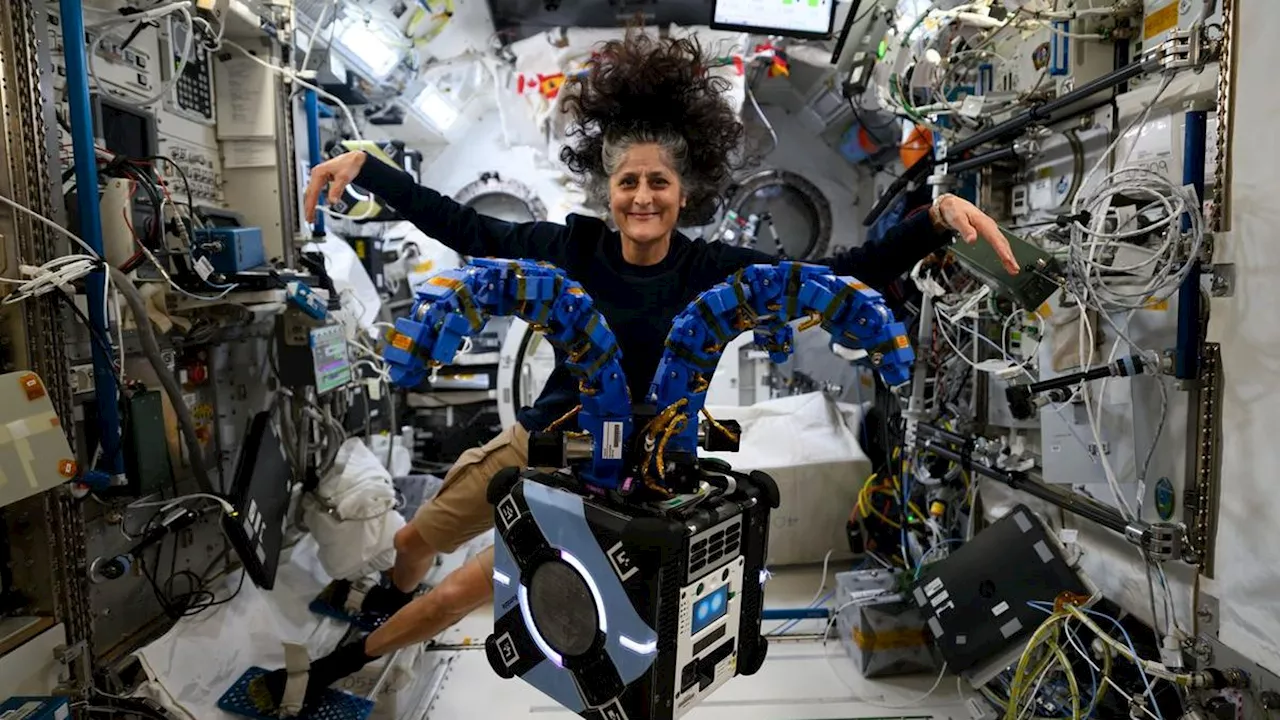 Astronauts Test Robotic Arms for Space Debris RemovalNASA astronauts are testing a new robotic technology called REECH on the International Space Station (ISS). REECH uses tentacle-like arms with gecko-like adhesive pads to capture and relocate objects in orbit. The technology aims to assist in satellite maintenance and space debris management.
Read more »
 NASA Tests Robotic Arms for Space Debris Removal on ISSNASA astronaut Suni Williams demonstrates a robotic arm with tentacle-like appendages designed for capturing and handling objects in space.
Read more »
 Kessler syndrome: How crowded satellite orbits could lead to a runaway space debris problemRooted in fact-based, transparent reporting, Newsy is an award-winning opinion-free network owned by the E.W. Scripps Company that is relentlessly focused on “the why” of every story and seeks to enable a more intimate and immersive understanding of the issues that matter.
Read more »
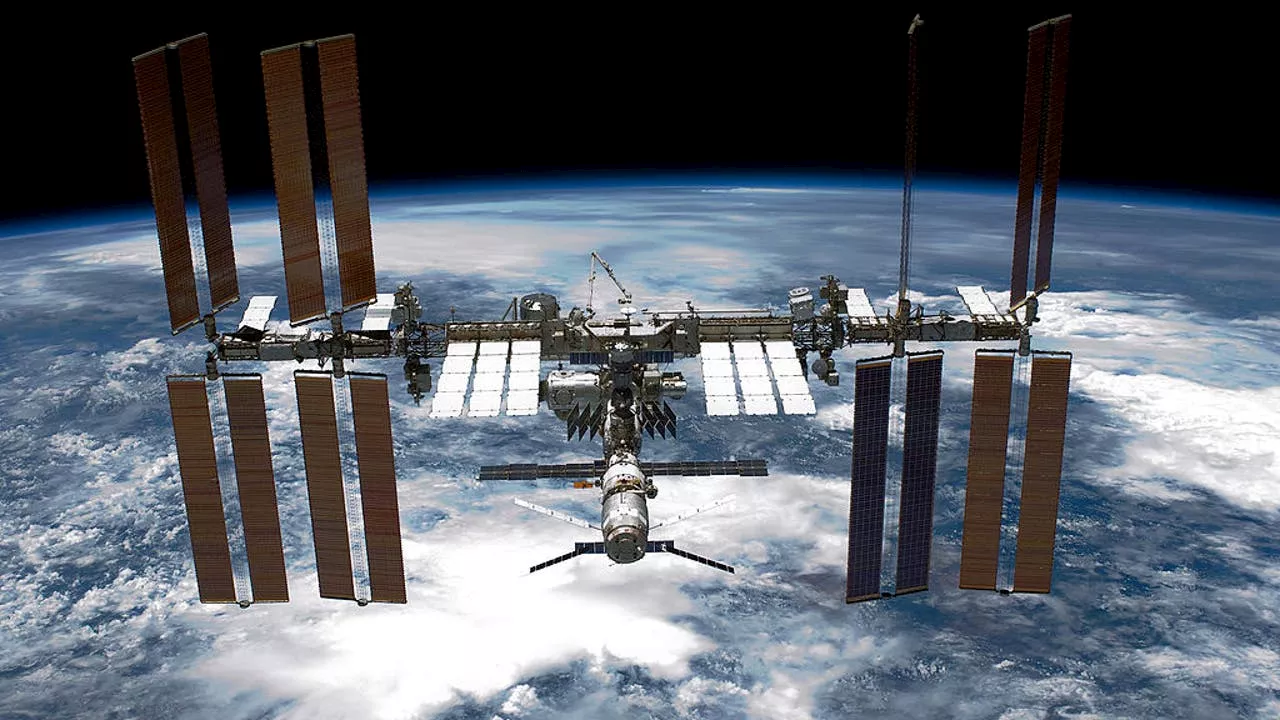 Space Debris Threatens Future of Space TravelThousands of defunct satellites and fragments orbit Earth at dangerous speeds, posing a significant risk to space travel. Experts warn that this space debris could lead to Kessler Syndrome, a chain reaction of collisions that makes parts of Earth's orbit unusable. The European Space Agency reports that only 10,200 out of 13,230 satellites launched remain in orbit, and defunct satellites, rocket boosters, and even lost tools contribute to the growing hazard. Spacefaring nations are taking action to address this threat, with the ESA's Zero Debris Charter aiming to nearly eliminate space junk by 2030.
Read more »
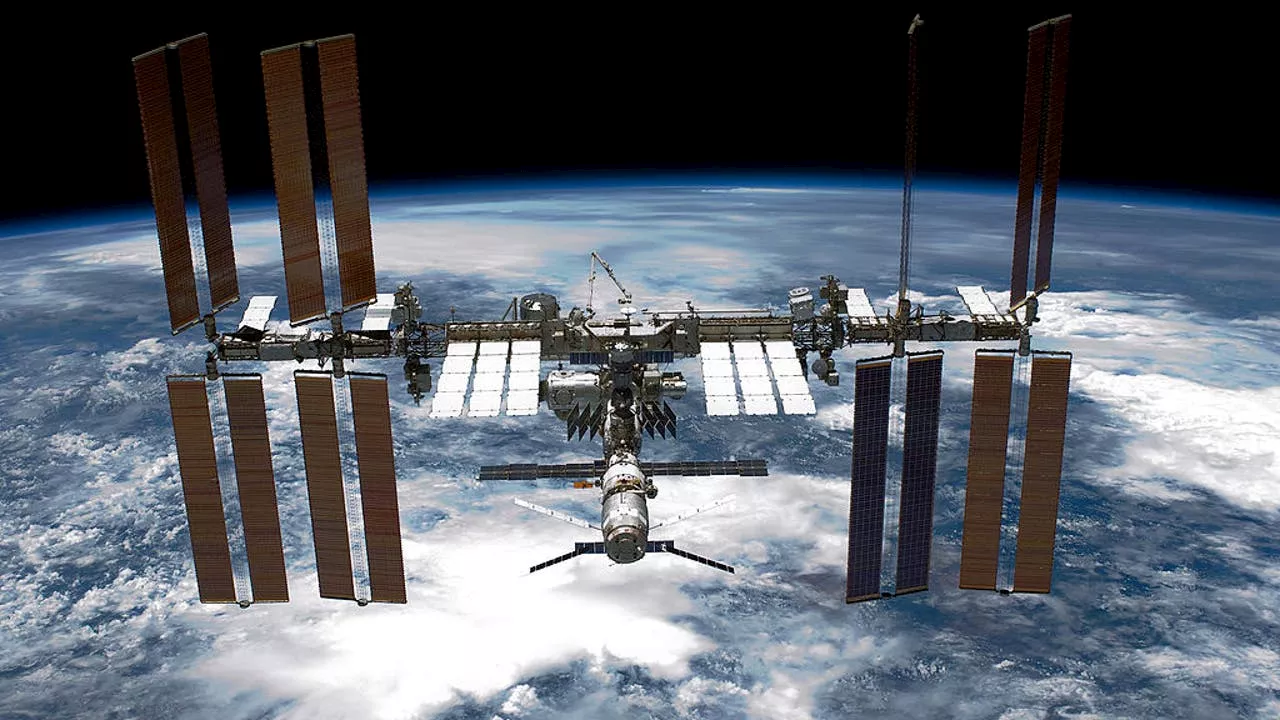 Space Debris Threatens the Future of Space TravelThousands of defunct satellites and fragments circling Earth at dangerous speeds pose a serious threat to future space exploration. Experts warn that the growing amount of space debris could make parts of Earth's orbit unusable.
Read more »