


Science, Space and Technology News 2024
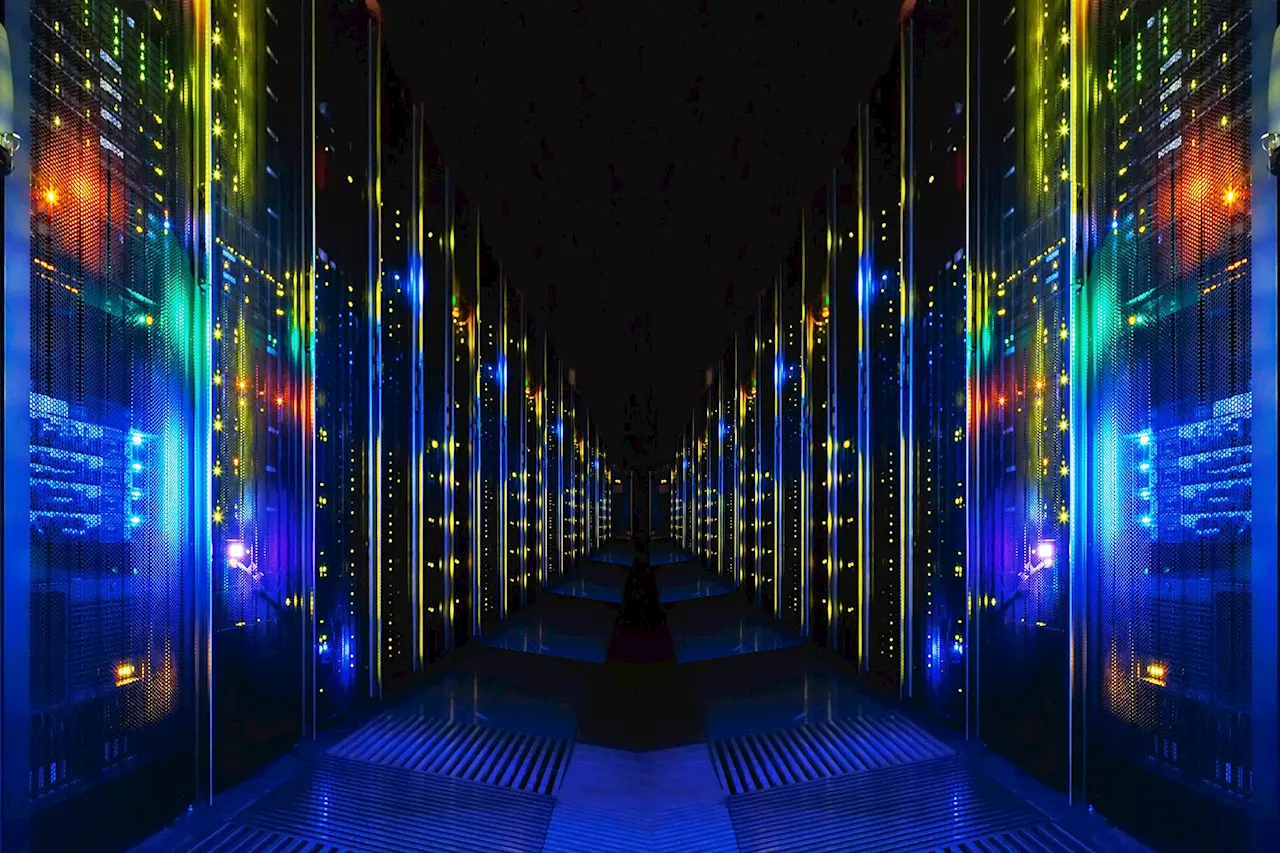
Supercomputers, distinguished from ordinary computers by their ability to process vast amounts of data, are instrumental in solving complex scientific problems. They consist of interconnected nodes and require extensive infrastructure and expertise for operation, exemplified by facilities like the Argonne National Laboratory, which uses its supercomputers for groundbreaking research.
Most personal and work computers are powerful enough to perform tasks like doing homework and conducting business. You can even increase the power of certain components for an awesome gaming experience. But it’s pretty unlikely that you’ll solve riddles about the universe or understand the inner workings of a complex. Those are big problems that both need and produce a lot of data. Managing all of that information requires the power of supercomputers. Commputational scientists Christopher Knight and Kevin Brown provide an inside look into supercomputers. These powerful machines can perform billions of calculations per second to assist scientists in solving some of the world’s most pressing challenges. Breakthroughs in climate science, human health, and clean energy happen when hard-working researchers, technicians and engineers put supercomputers to work. Supercomputers are often used to simulate experiments that might be too costly, dangerous, or even impossible to conduct in real life. For example, researchers use simulations to understand how stars explode or how fuel is injected inside an engine. A supercomputer consists of thousands of small computers called nodes. Each node is equipped with its own memory and a number of processors, the bits that do all the figuring out. Another key to a powerful supercomputing system is an incredibly fast network, the communications hub that connects all of those mini computers. So now, instead of working as separate units, they can act as one, managing millions of tasks to tackle complex problems quickly. Supercomputers like the Department of Energy’s Aurora at the Argonne Leadership Computing Facility will help make artificial intelligence more and more powerful. Credit: Argonne Leadership Computing Facility But it’s not just the technological marvels that make supercomputers special. An enormous amount of expertise and infrastructure is required to operate these massive machines and make them available to scientists, who tap into supercomputing power remotely to run their computational experiments. System administrators ensure supercomputer hardware is functional and software is up to date. In-house computational scientists work with supercomputer users from across the world to help ensure their codes run smoothly and their simulations help advance their scientific explorations. Technical support experts are on standby to help users troubleshoot any issues they encounter with their work at a supercomputing facility.The world’s most powerful supercomputers, like those run by the U.S. Department of Energy, require specialized facilities, known as data centers, to accommodate their space, energy, and cooling requirements. For example, Argonne National Laboratory’s next supercomputer, Aurora, will occupy the area of two NBA basketball courts, consume the same amount of energy as thousands of homes, and be cooled by a complex system that contains 44,000 gallons of chilled water. As home to the Argonne Leadership Computing Facility, a DOE Office of Science user facility, the laboratory has a long history of building and using supercomputers to tackle some of the world’s most pressing problems. And Argonne continues to push the limits of technology and discovery. Aurora will help scientists advance our understanding of everything from Earth’s changing climate to improved solar cell materials to the structure of the human brain. Solving big, complex problems takes a lot of smart people and big, amazing machines. Argonne’s supercomputers are up for the challenge!Imagine one million laptops calculating together in perfect harmony and you’re getting close to the power of a supercomputer. Researchers need all that computing muscle to answer some of the world’s biggest questions in human health, climate change, energy, and even the origins of the universe! When you want to study something that’s impossible to explore in a lab — like an exploding star or a fast-forming hurricane — your computer has to be super.SciTechDaily: Home of the best science and technology news since 1998. Keep up with the latest scitech news via email or social media.With skull parts that click together like puzzle pieces and a large central tooth, the real-life sandworm is stranger than fiction. Amphisbaenians are strange creatures….
United States Latest News, United States Headlines
Similar News:You can also read news stories similar to this one that we have collected from other news sources.
 Science Fiction is Learning About Exoplanets From ScienceSpace and astronomy news
Read more »
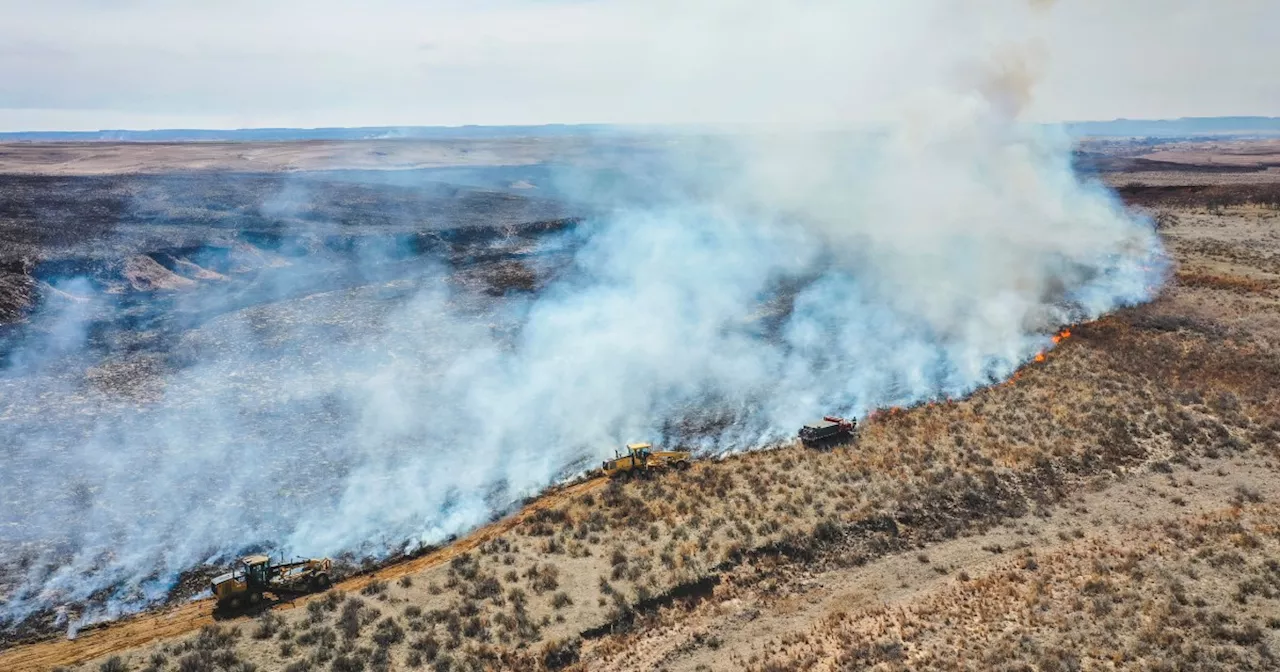 Wildfire seasons are starting earlier and getting longerDenise Chow is a reporter for NBC News Science focused on general science and climate change.
Read more »
Permanent Researcher Positions for Materials Science - Japan (JP) job with National Institute for Materials ScienceOverview National Institute for Materials Science (NIMS, Tsukuba, Japan) invites international applications from researchers who can conduct research in materials science. NIMS employs outstanding scientists from various countries who have abundant knowledge and strong research skills in materials science.
Read more »
Southern University of Science and Technology: Advancing Science and Technology in ChinaSouthern University of Science and Technology (SUSTech) is a public research university in Shenzhen, China. It aims to be a globally-renowned university that excels in interdisciplinary research and contributes to the advancement of science and technology. SUSTech's School of Medicine, founded in 2018, focuses on integrating medicine with sciences, engineering, and humanities to train leading medical talents.
Read more »
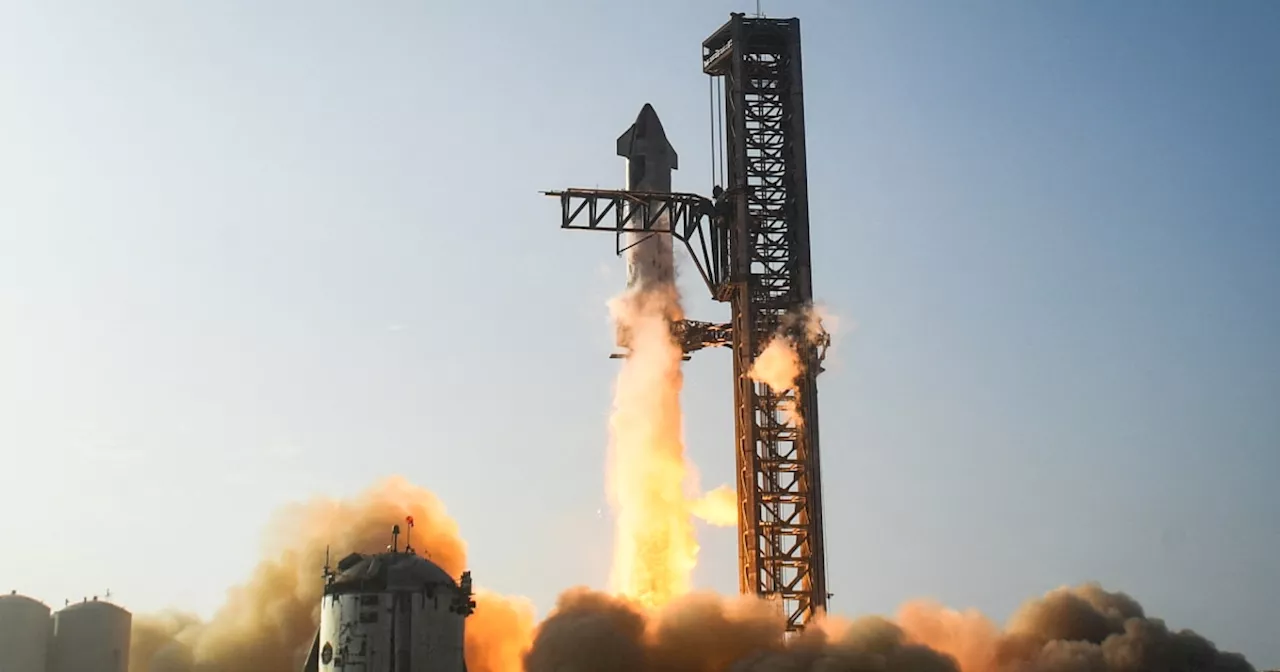 SpaceX to launch third test of Starship rocket ThursdayDenise Chow is a reporter for NBC News Science focused on general science and climate change.
Read more »
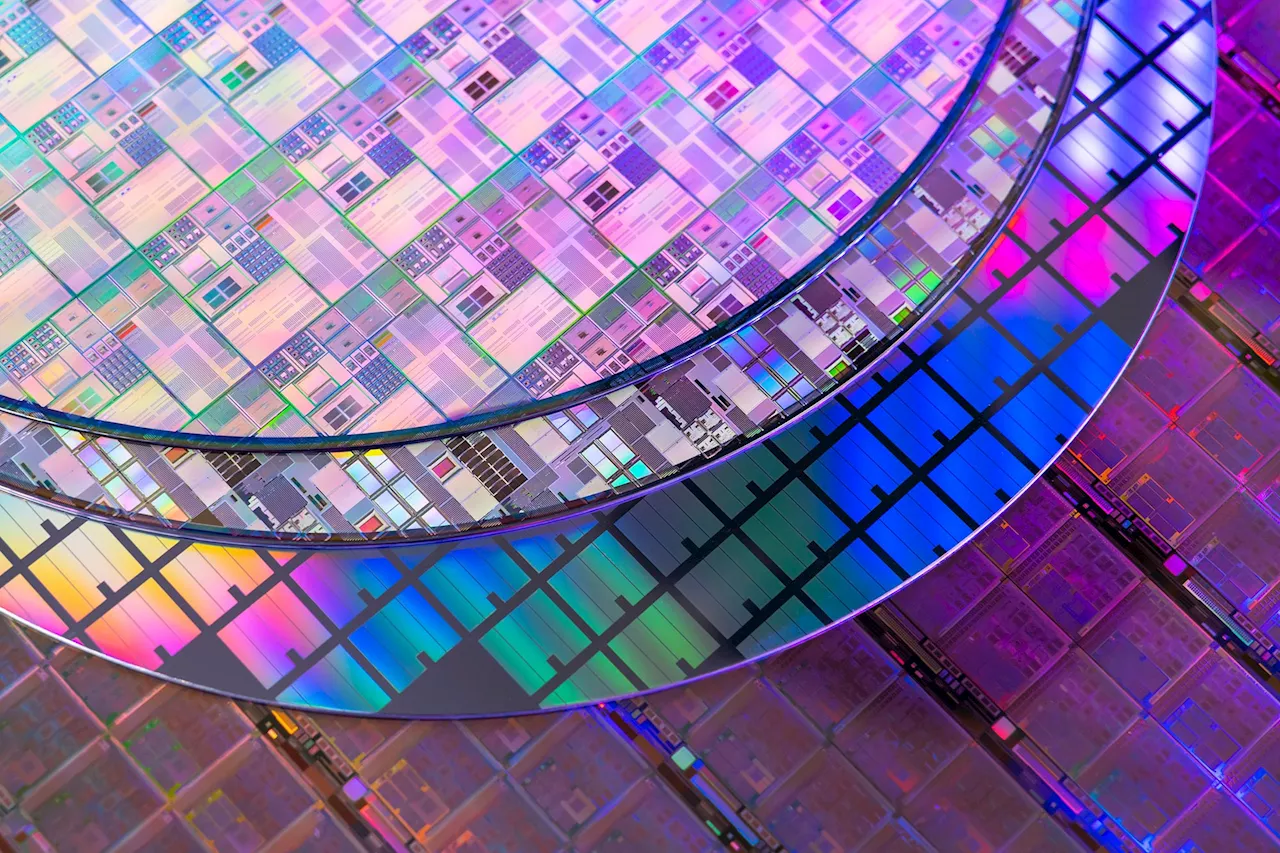 Science Simplified: What Is Microelectronics?Science, Space and Technology News 2024
Read more »