


Kaspersky researchers have uncovered a new hacking campaign called Tria Stealer that targets Android users with seemingly harmless wedding invitations on social media. Clicking the link in these invitations installs malware that steals personal data from Gmail, WhatsApp, and other apps, allowing hackers to hijack accounts and extort money from victims' contacts.
But still, the threats persist, and now, according to the latest research from Kaspersky, Android users really mustn’t respond to this seemingly very friendly social media invite, or their Gmail and WhatsApp data could be at risk alongside their money.
. Here’s what you need to know and what you must not do. A malicious hacking campaign that targets Android users has been observed by security researchers from Kaspersky. It uses a most dangerous social media invite in order to collect data from your device, including Gmail and WhatsApp messages, before ultimately sending demands for cash. Known as Tria Stealer, the hacking campaign uses seemingly harmless wedding invitations sent using social media platforms to trick users into downloading the treacherous malware. Multiple posts discovered primarily on Facebook and X were being used in the campaign, which Kaspersky said has been ongoing since March 2024. To view the supposed wedding invitation in digital form, of course, the user has to click a link. Oh, oh, yep, it’s that simple. Doing so installs the malware. “Tria Stealer collects victims’ SMS data, tracks call logs, messages, for example, from WhatsApp and WhatsApp Business, and email data, for example, Gmail and Outlook mailboxes,”, said, the hacker then “exploits this data to hijack personal messaging accounts, impersonate account owners to request money transfers from the victims’ contacts, and compromise accounts with other services.”The threat actor involved makes use of the exfiltrated email and messaging data to grab security codes that enable them to hijack WhatsApp and Telegram accounts belonging to the Android user. These are then used, in turn, to distribute the malware to more victims within the users’ contacts. “The threat actor takes advantage of the hijacked WhatsApp and Telegram accounts to impersonate their owners,” Radzi said, “asking the targets’ contacts to transfer money to the actor’s bank accounts.”“The threat actor steals messages by intercepting notifications from these apps,” Radzi said. To mitigate against the threat posed to Android users by the Tria Stealer threat, Kaspersky strongly advised against installing apps from untrusted sources and recommended using reliable security solutions for mobile devices. Not accepting totally unexpected wedding invites over social media might not be a bad idea either.Our community is about connecting people through open and thoughtful conversations. We want our readers to share their views and exchange ideas and facts in a safe space.Insults, profanity, incoherent, obscene or inflammatory language or threats of any kindContinuous attempts to re-post comments that have been previously moderated/rejectedAttempts or tactics that put the site security at riskProtect your community.
ANDROID MALWARE HACKING SOCIAL MEDIA DATA BREACH
United States Latest News, United States Headlines
Similar News:You can also read news stories similar to this one that we have collected from other news sources.
 Google Cracks Down on Malicious Android Apps in 2025Google is implementing stricter security measures against malicious apps on Android, potentially affecting app compatibility in 2025. This move aims to protect users from threats like the recently discovered 'FireScam' malware, which disguises itself as a Telegram Premium app to perform surveillance. While these changes prioritize user safety, they may alienate power users who rely on sideloading apps. Google's open ecosystem, while a strength, has also made it vulnerable to malware.
Read more »
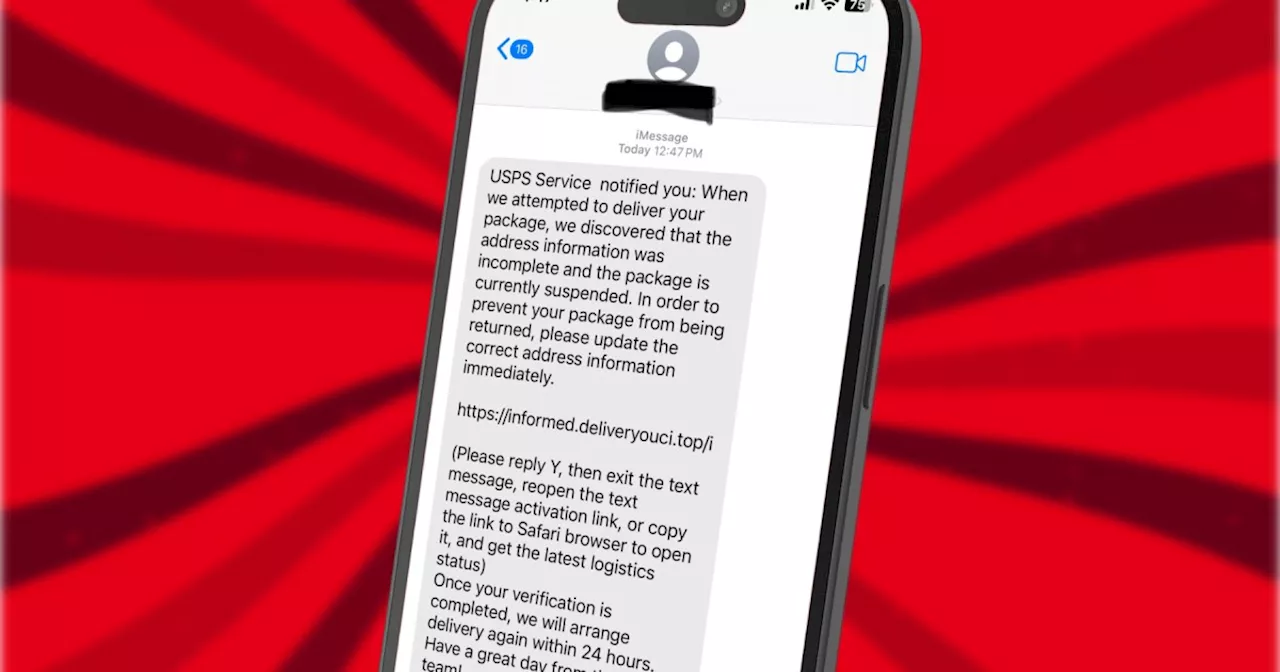 iPhone Users Beware: Phishing Attacks via Fake Delivery Texts are on the RiseA new wave of phishing attacks targeting iPhone users is spreading through text messages that mimic official delivery service notifications. These messages often appear to be from the USPS or other shipping companies and urge recipients to click on malicious links. These links, disguised as harmless, are designed to exploit a vulnerability in iMessage's security protocols. By replying to the message with a 'Y', users unknowingly switch the sender status from unknown to known, effectively disabling iMessage's built-in phishing protection. This allows the attackers to deliver harmful content that can steal personal information or install malware.
Read more »
 NSA Warns iPhone And Android Users—Disable Location TrackingLocation tracking is putting you at risk—this is what you need to do now.
Read more »
 PayPal Users Beware: Cybersecurity Experts Warn of Rising AttacksCybersecurity experts have issued warnings about ongoing attacks targeting PayPal account holders. PayPal itself has advised users on how to safeguard their accounts and funds. The article details various scams, including phishing attempts, order confirmation scams, and account hack attacks, emphasizing the importance of strong passwords, vigilance against suspicious communications, and utilizing PayPal's fraud detection technologies.
Read more »
 FBI Warns iPhone, Android, Windows Users—Do Not Install These AppsThis phantom attack is back—here's what you need to know and how to stay safe.
Read more »
 TikTok Ban—New Threat Confirmed For iPhone And Android UsersThe bad news is not over and this could be even worse—here's what you need to know.
Read more »