
This article discusses the growing health crisis caused by long COVID and the urgent need for research and treatment. It highlights the persistence of the SARS-CoV-2 virus in some patients, leading to continued inflammation and health complications. The author proposes a roadmap for testing medications to clear viral reservoirs, drawing inspiration from successful cancer and HIV treatment strategies. The article also emphasizes the importance of government and private funding to support smaller biotech companies in developing and testing long COVID treatments.
We are living in an epidemic of chronic disease, with a growing number of pesticides, chemicals and food additives implicated in the declining health of Americans. Since 2019, another factor has been at play as well: The SARS-CoV-2 virus has driven a huge increase in chronic health consequences, broadly referred to as long COVID.
Infection by the COVID-19 virus is a consequential new variable in our nation’s health that can substantially increase the incidence of serious conditions such as neurological disease, heart attack and stroke. Approximately 6% of U.S. adults suffer from long COVID — at a cost to our economy estimated at $3.7 trillion a year. Contrary to what is often portrayed in the media, long COVID is not a mystery. There is a straightforward reason at least some people may remain ill “after COVID”: They still have the SARS-CoV-2 virus — or parts of the virus — in their bodies. For example, one team found that almost two years after infection, long COVID patients had not yet cleared the virus from their gut tissue. These persistent viral reservoirs appear to leak spike protein — the part of the virus that gives coronaviruses their distinctive “crown” appearance — into blood circulation, potentially driving inflammation of the brain and other organs, and increasing health consequences such as heart disease. While early efforts are underway to help clear persistent viral reservoirs, more well-designed clinical trials are desperately needed to help the millions suffering from long COVID return to normal life. To address this emergency, we formed a global consortium of scientists to accelerate research, including by publishing a recent roadmap for testing medications aimed at clearing persistent SARS-CoV-2. Our proposal draws on successful approaches from cancer research and treatment strategies used against other viral infections such as HIV and hepatitis C; these histories offer lessons about trial design, drug candidates and how to develop tests for persistent viral reservoirs. The most promising trials may also be among the most complex to carry out, because they may combine medications targeting the virus — such as antiviral drugs and monoclonal antibodies — with treatments to activate immune cells. It may also be important to simultaneously address other problems associated with long COVID, such as immune dysfunction and microbiome changes. To add another variable to these complex trials we do not yet know the duration of treatment each type of medication might need. For example, current long COVID clinical trials are testing 5 to 15 days of antivirals like Paxlovid. But treatment of persistent hepatitis C virus requires 8 to 12 weeks of antiviral therapy. In cats with feline infectious peritonitis — also caused by a persistent coronavirus — 12 weeks of antiviral treatment is required for effective treatment. Such an extended approach may require careful studies to test the safety of potential long COVID medications when given for longer periods of time. All of this will be an interdisciplinary global undertaking. But the effort is worth it. The looming question now is: Who will pay for drug development and trials? Big pharmaceutical companies can afford to run trials, and they should. But small biotech companies do not have the same resources. Already, because of this limitation, multiple antivirals and monoclonal antibodies with the potential to help long COVID patients are sitting on shelves rather than being studied in patients who urgently need more options. Government and private funding should solve that by helping smaller companies run early-stage trials. These programs, which must be agile and adaptive and continually incorporate the real-world experience of patients into their design, are ideal for “high-risk, high-reward” agencies like the Advanced Research Projects Agency for Health, which is part of Health and Human Services. It was therefore encouraging to hear Robert F. Kennedy Jr., who is now the secretary of Health and Human Services, say during his recent confirmation hearing that he would enthusiastically work with Congress to direct long COVID funding toward much-need clinical trials. If public funding supports the development of any new long COVID drug, the data and resulting therapies should be open source and available to manufacturers of generics, which will increase trust in the treatments and will benefit patients across the globe. The world has been in this position before, when facing HIV in the late 1980s and early 1990s. A combination of rapid government and private funding made multiple companies more willing to engage in drug development. There are now more than 25 approved drugs for HIV infection. The development of these treatments transformed HIV from a life-threatening infection to a manageable chronic condition — for those with access to the medications. In some cases, public support compelled otherwise-competing drug companies to work together for a greater good. Lessons learned from fighting SARS-CoV-2 could also help scientists in the battles against other conditions, because long COVID is just one of many chronic disease states that start with an infection. Others include chronic or post-treatment Lyme disease, myalgic encephalomyelitis and post-dengue fatigue syndrome. Persistent viral infection is also increasingly being documented among Alzheimer’s and multiple sclerosis patients. The urgency of long COVID is a call to arms for government and private funders to help bring medications and protocols to the people who need them. Ultimately, far more may benefit from the knowledge gained. Amy D. Proal, a microbiologist, is a founder of the PolyBio Research Foundation, a nonprofit that supports research into the root cause drivers of chronic disease.
LONG COVID VIRAL RESERVOIRS HEALTH EMERGENCY CLINICAL TRIALS FUNDING
United States Latest News, United States Headlines
Similar News:You can also read news stories similar to this one that we have collected from other news sources.
 Long-lost early 1900s silent film thought to be lost forever uncovered on Long IslandThe 16-millimeter film is believed to be the only known surviving copy of 'The Heart of Lincoln,' a silent movie about the life of President Abraham Lincoln and…
Read more »
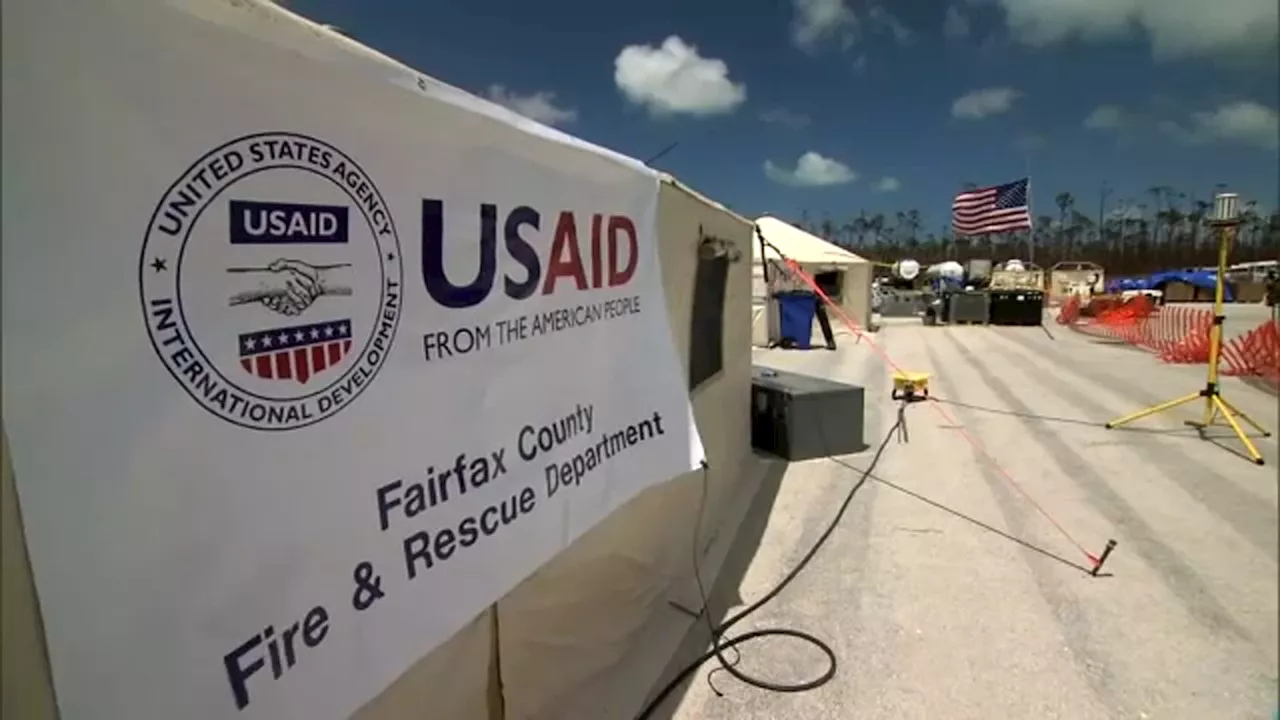 Trump Administration Dismantles USAID, Ending Decades-Long Global Aid MissionThe Trump administration is effectively shutting down the U.S. Agency for International Development (USAID), ending a 60-year mission focused on global security, combating starvation, funding education, and tackling epidemics. The move has drawn widespread criticism, with lawmakers and aid organizations condemning its impact on vital international programs and U.S. foreign policy.
Read more »
 ‘The Heart of Lincoln': Long-lost early 1900s silent film found on Long IslandThe 16mm film is believed to be the only known surviving copy of 'The Heart of Lincoln,' a silent movie about the life of President Abraham Lincoln.
Read more »
 The NFL's Global Expansion: From First International Game to Global Fan FrenzyThis article explores the NFL's journey from its first international game in 2005 to its current status as a global phenomenon. It highlights key milestones, initiatives, and player popularity driving international fan engagement and search trends.
Read more »
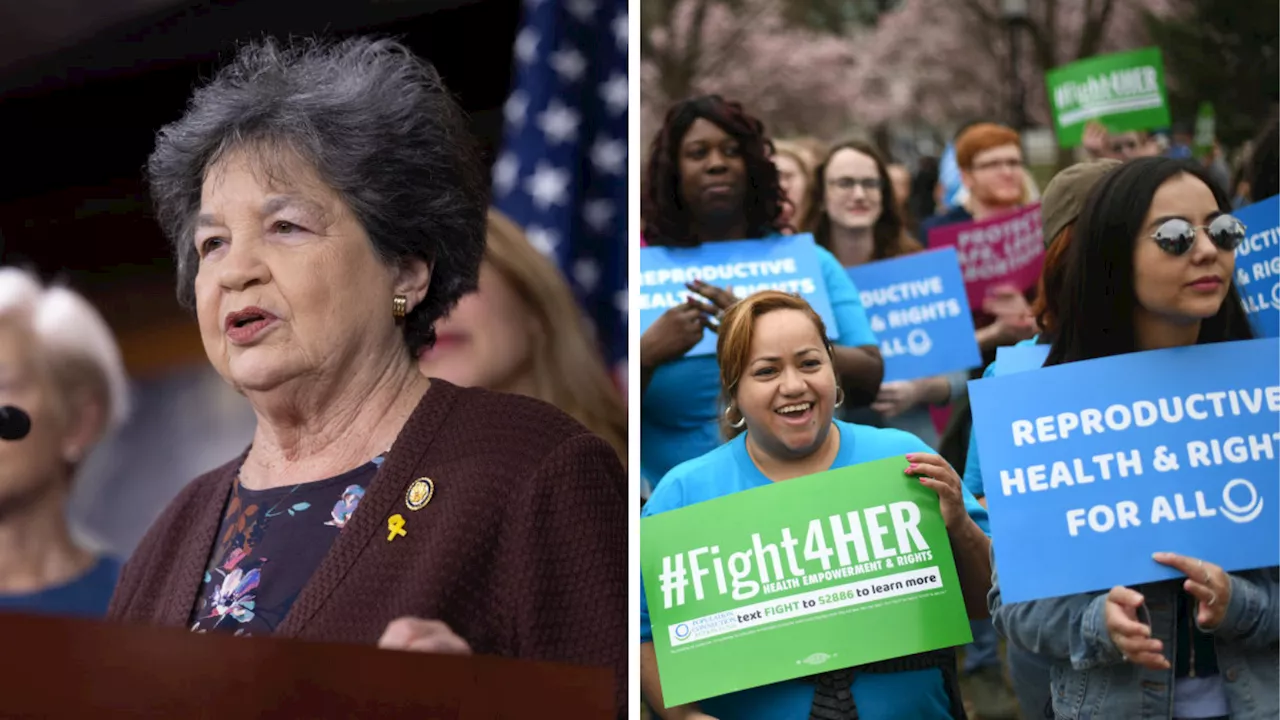 Global HER Act Aims to Repeal Global Gag Rule, Ensuring Access to Reproductive Healthcare WorldwideRep. Lois Frankel's Global HER Act seeks to permanently repeal the global gag rule, which restricts funding for international healthcare providers that offer or discuss abortion services. The act would allow eligible foreign NGOs operating U.S.-supported health programs abroad to use their own non-U.S. funds to provide health services, ensuring women and girls have access to reproductive healthcare regardless of their location.
Read more »
 Philadelphia Eagles Victory Parade: Long Lines, Long MemoriesDespite long lines for public transportation, Philadelphia Eagles fans heading home after the Super Bowl victory parade expressed overwhelming positivity about the experience.
Read more »