



Engineers have developed a revolutionary AI chip that uses diffractive neural networks to process data at the speed of light. This miniature chip, capable of fitting on the end of an optical fiber, outperforms traditional computing by trillions of times while consuming minimal energy.
Engineers are finding new ways to blend AI with tech breakthroughs. The latest development is a light-manipulating AI chip that is so small it can sit at the end of an optical fiber, yet it is still powerful enough to process information at the speed of light.
Traditional computing relies on electronic circuits, which require significant energy and introduce delays due to the time it takes for data to be processed. However, this new chip operates differently. It uses what engineers call a diffractive neural network. The engineers built on earlier research from UCLA in 2018, which first demonstrated the potential of diffractive neural networks. Essentially, the diffractive neural network that this light-manipulating AI chip utilizes can drastically speed up how it processes data by harnessing the light itself. This new version, highlighted in a study published in Nature Photonics, takes that concept further, shrinking it to fit on the tip of an optical fiber, enabling instant data processing with minimal power consumption. By harnessing light, this chip can process data trillions of times faster than traditional AI hardware, all while consuming only a tiny fraction of the energy. Instead of waiting for a computer to interpret optical signals, the AI chip does the calculations instantly as light travels through it by directly manipulating the light. This new chip could process data using light. This advancement has massive implications for several different fields of technology, including medical imaging, quantum communication, and advanced computing. Using these chips in tiny endoscopic cameras could let medical professionals see into the human body with clearer imaging. Further, this light-manipulating AI chip could integrate directly with quantum photonic systems—allowing for a massive leap forward in quantum computing. Of course, tech like this always has hurdles to face. In this instance, the researchers say that manufacturing inconsistencies could cause performance variations. Additionally, because the chip uses a fixed design, it needs to be customized for each individual and specific task. That means scaling up this AI chip that can manipulate light will be difficult. However, it’s not impossible, though the researchers say overcoming these challenges will take time. Considering some of the other AI advancements we’re seeing lately—like AI-designed computer chips and even how scientists are testing AI’s ability to be sentient—this kind of tech could be closer than ever to becoming mainstream.
AI Light Manipulation Quantum Computing Data Processing Medical Imaging
United States Latest News, United States Headlines
Similar News:You can also read news stories similar to this one that we have collected from other news sources.
 Chip-Sized Ultra-Broadband Frequency Comb Paves Way for Advanced PhotonicsResearchers have developed a revolutionary electro-optic frequency comb generator, smaller than a coin, that achieves an unprecedented 450 nm spectral coverage and significantly reduces microwave power requirements. This breakthrough technology holds immense potential for smarter, more efficient optical systems across various applications.
Read more »
 Machine Learning Revolutionizes Materials Science: Crafting Ultra-Strong, Ultra-Light NanomaterialsUniversity of Toronto researchers leverage machine learning to design groundbreaking nanomaterials with exceptional strength and lightness, surpassing traditional materials like steel and carbon fiber.
Read more »
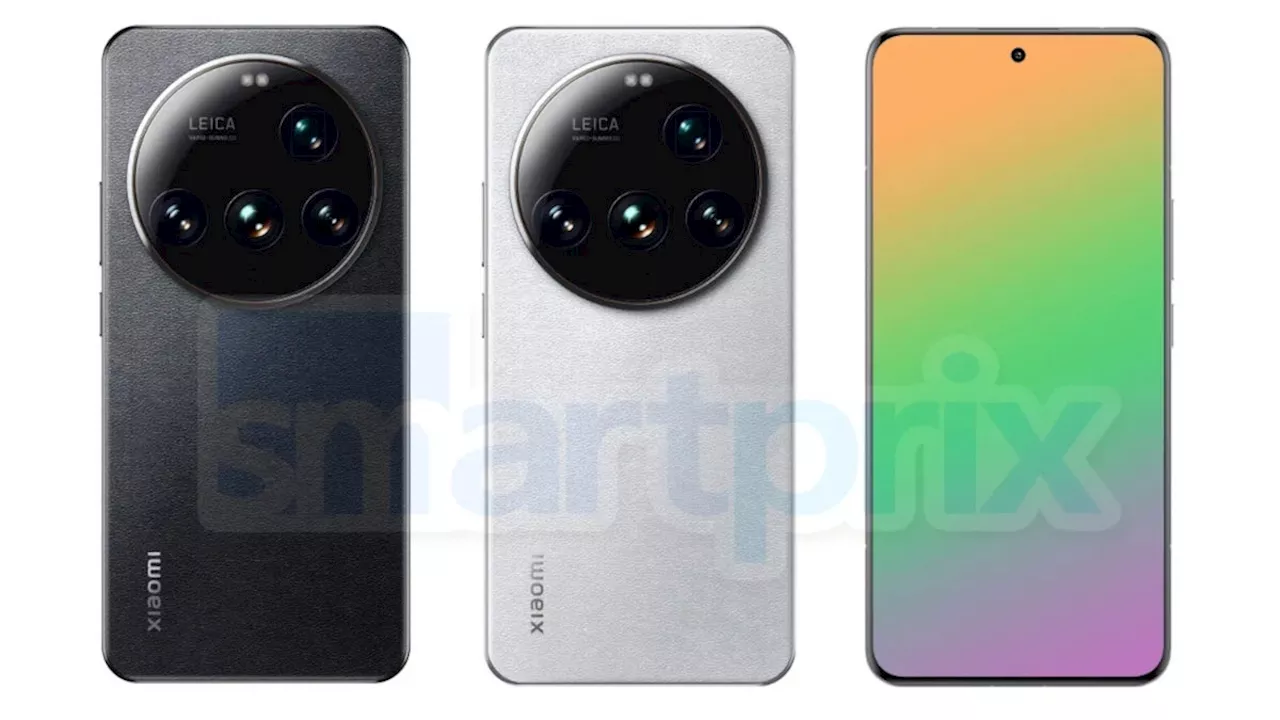 Xiaomi 15 Ultra leaks: could this be the Galaxy S25 Ultra's ultimate rival?Izzy, a tech enthusiast and a key part of the PhoneArena team, specializes in delivering the latest mobile tech news and finding the best tech deals. Her interests extend to cybersecurity, phone design innovations, and camera capabilities.
Read more »
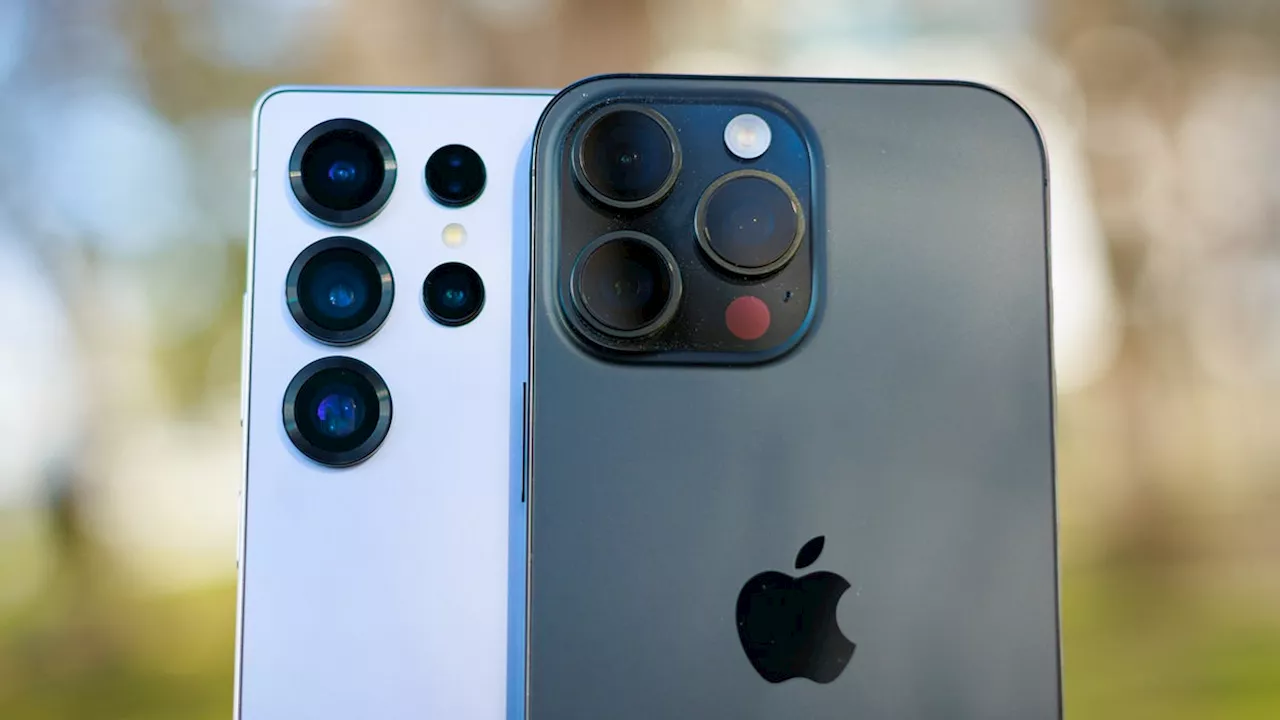 Galaxy S25 Ultra Camera: 50MP Ultra-Wide vs iPhoneThe new Galaxy S25 Ultra boasts a 50MP ultra-wide camera alongside its existing 200MP main and telephoto lenses. Samsung claims improved image processing with reduced sharpening and more pleasing colors. But does this edge out the iPhone in real-world photography?
Read more »
 Samsung Galaxy S25 Ultra vs Google Pixel 9 Pro Ultra: Is the Upgrade Worth It?The Samsung Galaxy S25 Ultra has arrived, challenging the Google Pixel 9 Pro Ultra with its impressive features and performance. This article explores the key differences between the two flagships, highlighting the S25 Ultra's advantages in durability, display, and raw power. It delves into the specifications, comparing the Snapdragon 8 Elite chipset against the Tensor G4, and analyzes the implications for user experience.
Read more »
 Zenfone 12 Ultra vs Galaxy S25 Ultra: one of these is not an UltraPreslav, a member of the PhoneArena team since 2014, is a mobile technology enthusiast with a penchant for integrating tech into his hobbies and work.
Read more »