
A new study published in February 2023 reveals the alarming presence of microplastics and nanoplastics in human brain tissue, raising concerns about the potential health implications of these tiny plastic particles. Researchers found significantly higher concentrations of MNPs in brain tissue compared to other organs, challenging the notion that the blood-brain barrier effectively protects the brain from these pollutants. The study also highlights the unexpected shapes and types of plastic found in the brain, suggesting that the long-term effects of microplastic exposure remain largely unknown.
This appraisal of microplastics and nanoplastics, published February 3, 2023, reveals concerning findings about the presence of these tiny plastic particles in human brain tissue . Raffaele Marfella, a cardiovascular researcher at the University of Campania “Luigi Vanvitelli” in Naples, Italy, and his colleagues discovered that individuals with higher concentrations of micro- and nanoplastics (MNPs) in their blood vessel plaques exhibited a greater risk of cardiovascular disease.
To accurately assess MNP levels, researchers employed various methods to analyze 91 brain samples collected from deceased individuals dating back to 1997. The results consistently demonstrated a substantial increase in MNP concentrations over the years, with a median increase of approximately 50 percent between 2016 and 2024.Andrew West, a neuroscientist at Duke University and coauthor of the study, expressed astonishment at the magnitude of plastic detected in the brain. He stated, “The levels of plastic being detected in the brain are almost unbelievable. In fact, I didn’t believe it until I saw all the data from multiple tests with different samples.” Richard Thompson, a microplastic pollution expert at the University of Plymouth in England who played a key role in the discovery of microplastics, acknowledged the widespread presence of microplastics in the environment, noting their ubiquitous nature in food, water, and air. He reasoned, “Of course they’ve made their way into human tissue.” Previous studies have indeed identified microplastics in various human tissues, including lungs, intestines, blood, liver, and placenta.In the 2024 samples, MNP concentrations in brain tissue were approximately 10 times higher than levels observed in liver and kidney tissue. This finding challenges the belief that the blood-brain barrier, a protective shield that prevents substances from entering the brain, could effectively exclude these polymers. Phoebe Stapleton, a toxicologist at Rutgers University in Piscataway, N.J., commented, “This study clearly demonstrates that they are there and in high concentrations. The next steps will be to understand what they are doing and how the body responds to them.” The study revealed the presence of tiny plastic shards, less than 200 nanometers long and less than 40 nanometers wide, within human brain tissue. Stapleton noted the unusual shapes of these MNPs, describing them as thin, sharp particles rather than solid grains. While many lab studies on MNPs utilize engineered polystyrene beads, commonly found in food packaging, medical supplies, and other products, the brains analyzed contained minimal polystyrene. However, there was a substantial amount of polyethylene, another prevalent household plastic used in grocery bags, shampoo bottles, and toys. Moreover, the shards differed significantly from the typical bead-like structure observed in laboratory settings. West stated, “The aged shards that wind up in the brain look like nothing we have used yet in the lab.
Microplastics Nanoplastics Brain Tissue Health Implications Environmental Pollution Blood-Brain Barrier Polystyrene Polyethylene
United States Latest News, United States Headlines
Similar News:You can also read news stories similar to this one that we have collected from other news sources.
 Tea Bags Found to Release Billions of MicroplasticsA new study reveals the alarming presence of microplastics in tea bags, highlighting the potential health risks associated with their consumption.
Read more »
 Microplastics Found in Fish Consumed in OregonA new study from Portland State University researchers reveals the presence of microplastics in six commercially and culturally important fish species consumed in Oregon. The study, led by Professor Elise Granek, highlights the need for solutions to reduce microfiber pollution entering the environment.
Read more »
 Microplastics Found in Nearly All Seafood Sampled Off Oregon CoastA new study reveals that microplastics, originating from human waste and pollution, have been detected in the edible tissues of nearly all fish and shellfish examined off the Oregon coast. Researchers found microplastics in a wide range of species, including rockfish, lingcod, Chinook salmon, Pacific herring, Pacific lamprey, and pink shrimp. The presence of these particles raises concerns about their potential impact on human health, although further research is needed to determine the long-term effects.
Read more »
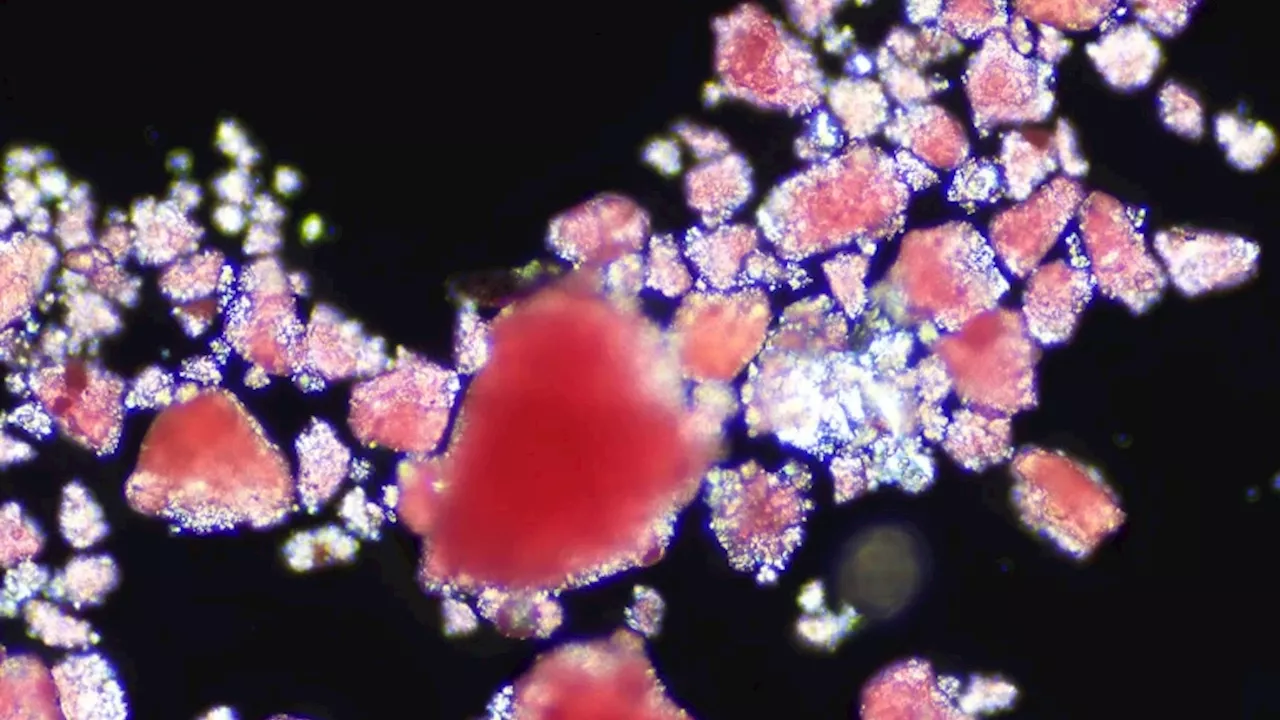 Microplastics Found to Form 'Car Crashes' in Mouse Brain Blood VesselsFor the first time, researchers have visually tracked the movement of microplastics through brain blood vessels in mice, revealing a concerning accumulation that resembles a microscopic 'car crash.' The findings, published in Science Advances, provide further evidence of microplastics' potential neurotoxicity.
Read more »
 Microplastics Found to Clump in Brain Blood Vessels Like 'Car Crash'For the first time, researchers have visually tracked the movement of microplastics through brain blood vessels in mice, revealing that they can accumulate and form blockages resembling a 'car crash.' The study, published in Science Advances, sheds light on the potential neurotoxicity of microplastics and the implications for human health.
Read more »
 Microplastics Found to Cause Brain Blood Flow Obstructions in Mice, Raising Concerns for Human HealthA new study reveals that microplastics can lead to dangerous blood flow blockages in the brain, potentially impacting cognitive function. Researchers tracked microplastic movement in mouse brains in real time, observing their disruption of blood circulation and impact on behavior.
Read more »