
A new study from Portland State University researchers reveals the presence of microplastics in six commercially and culturally important fish species consumed in Oregon. The study, led by Professor Elise Granek, highlights the need for solutions to reduce microfiber pollution entering the environment.
The tiny particles that shed from clothing, packaging and other plastic products are winding up in the fish that people eat, highlighting a need for technologies and strategies to reduce microfiber pollution entering the environment.
The tiny particles that shed from clothing, packaging and other plastic products are winding up in the fish that people eat, according to a new study from Portland State researchers, highlighting a need for technologies and strategies to reduce microfiber pollution entering the environment. Building on previous research exploring the prevalence of microplastics in bivalves like Pacific oysters and razor clams, researchers in PSU's Applied Coastal Ecology Lab -- led by Elise Granek, professor of environmental science and management -- turned their focus to commonly eaten finfish and crustaceans. Summer Traylor, who graduated in 2022 with a master's in environmental management, led the project with assistance from undergraduate environmental science student Marilyn Duncan, who graduated in 2024. The team set out to fill in gaps about microplastic contamination in Oregon finfish and shellfish and better understand variations across trophic levels, which classify a fish's position in the food chain, and in pathways to consumers. Traylor's research helped her land a job working for the National Oceanic and Atmospheric Administration after graduating from PSU, and Duncan has plans to continue microplastics research in graduate school. The team quantified anthropogenic particles, materials produced or modified by humans, that they found in the edible tissue of six species that are economically or culturally important in Oregon: black rockfish, lingcod, Chinook salmon, Pacific herring, Pacific lamprey, and pink shrimp. They compared particle concentrations across trophic levels and whether their position in the food web affected what and how much was contaminating their edible tissue as well as whether there were differences in samples acquired directly from research fishing vessels versus those from supermarkets and seafood vendors. Susanne Brander, an ecotoxicologist and associate professor in Oregon State University's College of Agricultural Sciences, helped analyze and validate a subsample of suspected plastics in her lab., found 1,806 suspected particles across 180 of 182 individual samples. Fibers were the most abundant, followed by fragments and films. Among the species sampled, pink shrimp, which filter-feed right below the surface of the water, had the highest concentrations of particles in their edible tissues. Chinook salmon had the lowest concentrations, followed by black rockfish and lingcod. "We found that the smaller organisms that we sampled seem to be ingesting more anthropogenic, non-nutritious particles," Granek said."Shrimp and small fish, like herring, are eating smaller food items like zooplankton. Other studies have found high concentrations of plastics in the area in which zooplankton accumulate and these anthropogenic particles may resemble zooplankton and thus be taken up for animals that feed on zooplankton." Though the group expected that the processing from catch to consumer would introduce additional contaminants from plastic packaging meant to preserve seafood, that wasn't universally true across the species. The researchers rinsed off the fish fillets and shrimp, replicating what most people do at home before preparing them, suggesting that in some cases, additional contamination that may land on the surface during processing can be removed with rinsing. The study results, however, provide evidence of the widespread presence of particles in the edible tissues of Oregon's marine and freshwater species. "It's very concerning that microfibers appear to move from the gut into other tissues such as muscle," Brander said."This has wide implications for other organisms, potentially including humans too." The researchers say the findings signal the need for both further studies to understand the mechanisms by which particles translocate into muscle tissue, which humans eat, as well as policy interventions to regulate anthropogenic particles. "This project established critical baseline data for West Coast fisheries stakeholders and highlighted how much we still do not know about these pervasive microplastic pollutants," said Traylor, who now serves as a NOAA Corps Officer, helping collect baseline microplastic data in the Gulf of Mexico to further expand public knowledge and understanding. The authors are not advocating for people to stay away from seafood because, as Granek likes to remind people, microplastics are everywhere: in bottled water, beer, honey, beef, chicken, veggie burgers and tofu. "If we are disposing of and utilizing products that release microplastics, those microplastics make their way into the environment, and are taken up by things we eat," she said."What we put out into the environment ends up back on our plates.""We're continuing to do work to understand the effects of anthropogenic particles on animals, but we're also moving into experimental work to test what are effective solutions to reduce microplastics entering marine ecosystems," she said. She's leading a $1.9 million NOAA-funded project that is developing and testing washing machine, dishwasher and clothes dryer filters that can serve as cost-effective filtration solutions. In another project funded by Oregon Sea Grant, six catch basin filters will be installed in stormwater drains in two coastal towns to determine their efficacy in trapping microplastics from road runoff before entering waterways. Brander's lab is collaborating on both projects as well.Millions of tons of plastic waste enter the oceans each year. The sun's ultraviolet light and ocean turbulence break down these plastics into invisible nanoparticles that threaten marine ecosystems. ... A new analysis finds that while 72 percent of the top 300 companies on the Fortune 500 list have made voluntary pledges to reduce their plastic footprints, most are overwhelmingly focused on ... According to estimates, by 2040 the level of plastic pollution could reach 80 million metric tons per year. Plastic particles have now been detected in virtually all spheres of the environment, e.g. ... Ecologists examining plastic pollution entering oceans, rivers and lakes around the world annually, outline potential impacts of various mitigation strategies over the coming decade. The researchers ...Ancient DNA Unlocks New Understanding of Migrations in the First Millennium AD
Microplastics Pollution Environment Food Chain Fish
United States Latest News, United States Headlines
Similar News:You can also read news stories similar to this one that we have collected from other news sources.
Oregon Ducks' Ra'Shaad Samples To Leave Oregon For Head Coaching Job?Oregon Ducks running back coach Ra'Shaad Samples is drawing some attention in coaching searches. Most recently, Samples was listed as a finalist for the head coaching job at Sam Houston State in Huntsville, Texas.
Read more »
 Oregon has found another way to beat Ohio State this season: Buckeye BreakfastOhio State football's has lost out on its first transfer portal target.
Read more »
 Microplastics Found in Tea Bags: Billions Released Per BrewA new study reveals that popular tea bags release billions of microplastics into hot water, raising concerns about their potential health effects. Researchers simulated brewing tea and found that popular brands released millions of particles per milliliter, including nylon, polypropylene, and cellulose.
Read more »
 Oregon Men Found Dead While Searching for SasquatchTwo Oregon men died in a Washington state forest while searching for Sasquatch. Authorities believe exposure caused their deaths.
Read more »
Ohio State Crushes Oregon in College Football Playoff SemifinalOhio State overwhelms Oregon in the CFP, raising questions about Oregon's playoff berth.
Read more »
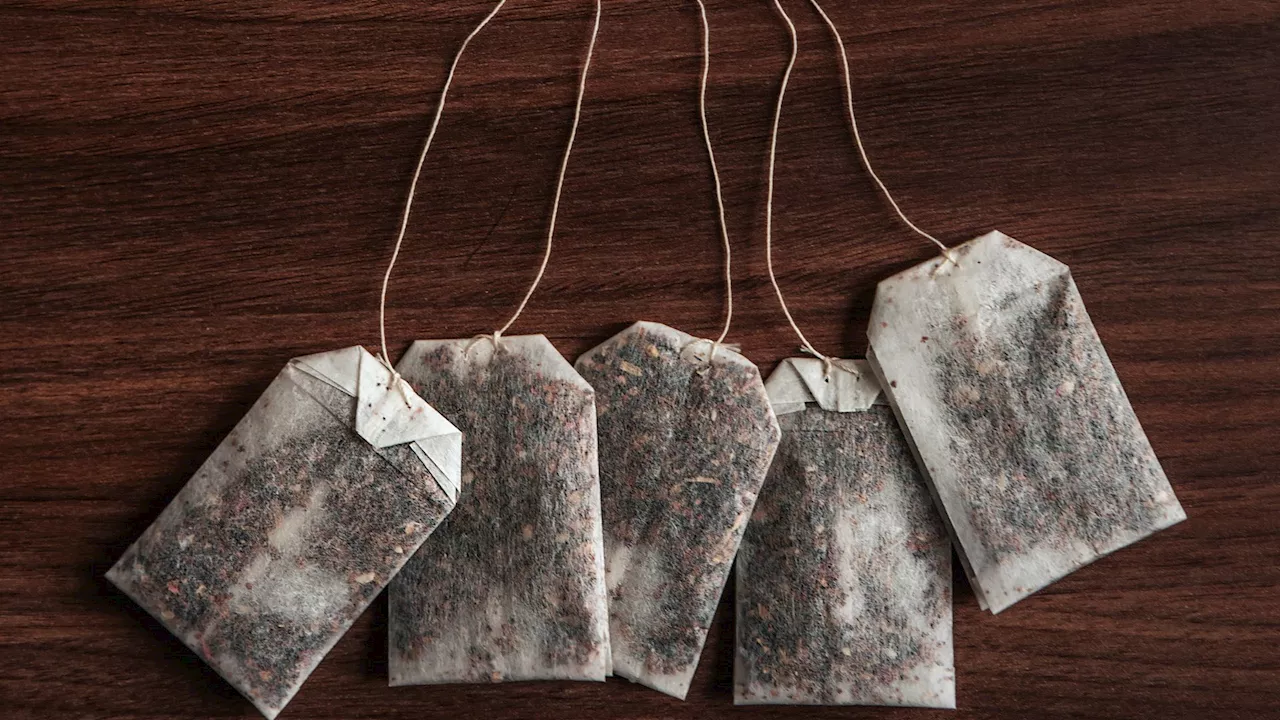 Tea Bags Found to Release Billions of MicroplasticsA new study reveals the alarming presence of microplastics in tea bags, highlighting the potential health risks associated with their consumption.
Read more »