


A new proteomic aging clock may predict biological age, mortality risk, and the likelihood of age-related diseases, though further validation is needed.
While chronological age is easily measured, it fails to capture the complex biological processes that determine the rate of aging. A new proteomic aging clock may predict biological age , mortality risk, and the likelihood of age-related diseases, though further validation is needed.
, analyzes a vast array of proteins in your blood to gauge the speed at which you age. This offers a new tool for medicine and healthy aging interventions and leverages the power of large-scale protein analysis to provide a more accurate measure of an individual's biological age than chronological age.By examining nearly 3,000 plasma proteins from over 45,000 people, researchers identified 204 key proteins that may predict chronological age. The proteomic age clock aligns with the incidence of eighteen major chronic diseases, including cardiovascular, liver, kidney, and lung diseases, diabetes, neurodegeneration, and cancer. The clock may forecast the risk of developing multiple health conditions and overall mortality risk. The proteomic clock's potential strength lies in its apparent consistency across diverse populations. When tested on individuals from China andThe proteomic aging clock predicts disease and is reported to be related to key physical and cognitive health measures. Specifically, itwith the frailty index and cognitive tests such as reaction time and fluid intelligence. The proteomic clock is also closely related to telomere length, a well-established biomarker of cellular aging.NYT ‘Strands’ Today: Hints, Spangram And Answers For Wednesday, February 26th Telomeres, the protective caps on the ends of our chromosomes, naturally shorten as we age. The proteomic aging clock tends to showWhile the proteomic clock offers these insights, viewing it as part of a broader spectrum of aging biomarkers is crucial. Other tools, such as, provide complementary information about biological age. These diverse approaches to measuring aging—including proteomic, epigenetic, and telomere-based methods—collectively enhance our understanding of the complex aging process. The proteomic clock's potential to integrate multiple facets of aging, from protein changes to their apparent correlation with established biomarkers like telomere length, suggests it could become a valuable tool in the growing field of aging research.A significant hurdle in developing interventions to slow aging is the extended timeframe required to observe meaningful results. The normal aging process often spans decades, a pace that is far too slow to justify significant research investments that need to yield results within a reasonable timeframe. One potential solution is to have reliable markers that change over months to years rather than decades. This is where a proteomic clock and biological versus chronological age measures may play a crucial role However, despite the sophistication of current tools, caveats still need to be considered. First, refining and validating these biological clocks across diverse populations is essential. Factors such as lifestyle choices, diet, smoking, genetic inheritance, socioeconomic status, sex, and race/ethnicity can all influence the accuracy of these clocks. This variability means the results may not be universally applicable, and aging rates could differ considerably among various groups. Therefore, while these tools offer valuable insights, interpreting their findings requires caution. Overlooking these nuances may lead to misleading conclusions about biological aging and its potential treatments. A thoughtful approach is necessary to ensure that advances in this field are applied effectively. By leveraging proteomics' capabilities, we can gain a deeper insight into biological aging and develop strategies to enhance healthy aging while reducing the burden of age-related diseases.
Age Aging Biological Aging Proteomic Clock Biological Clock Chronological Age Aging Clock Age Clock
United States Latest News, United States Headlines
Similar News:You can also read news stories similar to this one that we have collected from other news sources.
 Suboptimal dietary patterns may accelerate biological aging as early as young adulthoodHumans do not always age biologically at the same rate as their chronological age. Faster biological aging compared to chronological age has been linked to higher risks of disease and mortality.
Read more »
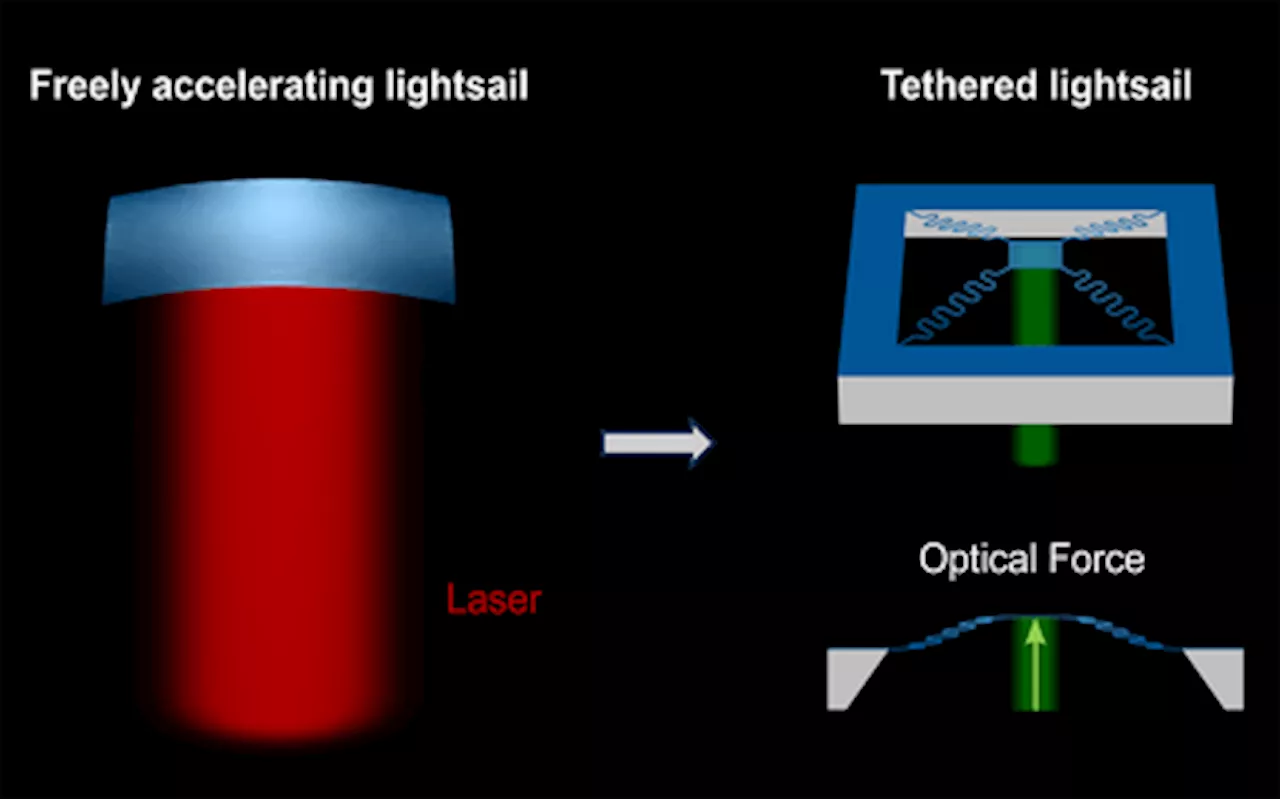 Measuring Lightsail Performance in the LabSpace and astronomy news
Read more »
 Measuring Superfluid Stiffness in 'Magic-Angle' Graphene: A Breakthrough in Understanding Quantum SuperconductivityPhysicists at MIT and Harvard University have made a groundbreaking discovery by directly measuring the superfluid stiffness of 'magic-angle' graphene, a material known for its exceptional superconducting properties. This achievement sheds light on the mechanisms behind its superconductivity and paves the way for exploring other two-dimensional superconducting materials.
Read more »
 Julia Roberts to Star in Reverse-Chronological Thriller 'After the Hunt'Julia Roberts will star in the upcoming thriller 'After the Hunt' directed by Luca Guadagnino. The film, based on the book 'Kill Your Darlings', will tell the story of a marriage in reverse chronological order, revealing a dark secret from the couple's past.
Read more »
 Omega-3s & Vitamin D Shown To Slow Biological Aging in New StudyA new study published in Nature Aging reveals that the combination of omega-3 fatty acids and vitamin D supplements may effectively slow down biological aging. The study utilized epigenetic clocks to measure biological age and found that participants who took these supplements experienced a measurable reduction in aging markers compared to those who did not.
Read more »
 Biological aging may not be driven by what we thoughtNicoletta Lanese is the health channel editor at Live Science and was previously a news editor and staff writer at the site. She holds a graduate certificate in science communication from UC Santa Cruz and degrees in neuroscience and dance from the University of Florida.
Read more »