
This article argues that veganism is a significant force in combating environmental degradation, particularly climate change. Contrary to the belief that individual actions are insufficient, the authors, a team of UCLA researchers, highlight the substantial environmental benefits of plant-based diets, supported by scientific studies. They emphasize that while systemic change is crucial, individual choices to adopt veganism are essential to achieve large-scale reductions in food system emissions. The text also explores the social movement aspect of veganism and its implications for food politics.
Most environmental scientists agree that producing food from animals has a much greater environmental and climate impact than producing food from plants with equivalent nutritional value. And, yet, all too often, when veganism is presented as an environmental action, it's accompanied by a caveat: we need systemic change, not individual effort.
As an interdisciplinary UCLA teaching team whose research focuses on the health, climate, and environmental impacts of food systems; the environmental impact of animal agriculture; the structure of activism; and life cycle assessments, we disagree with the claim that 'going vegan' is unimportant to the fight against environmental devastation. An abundance of scientific research supports our position that both systemic and individual behavior change are needed to support large increases in plant-based diets in order to save our planet, including from climate change. Frequently, veganism is compared to recycling, as both are seen as individual actions that have limited effects. Building a plant-forward food economy is not, however, structurally comparable to recycling. Recycling is a downstream effort to mitigate the damage of a throwaway society. Veganism is an upstream effort to shrink the size of the animal agriculture industry by reducing demand for its products. Compared with omnivore diets, plant-based diets cause less biodiversity loss, freshwater use, air and water pollution, antibiotic resistance, and human disease. Climate change is, however, the most often discussed, and studies suggest that switching to a vegan diet in the United States could reduce food system greenhouse gas emissions by 47 percent. Switching to plant-based food systems internationally could reduce global food system emissions by 49 percent. Since the food system accounts for 10-30 percent of US greenhouse gas emissions and 34 percent of global emissions, this could reduce total U.S. emissions by 5-14 percent and global emissions by 16 percent. If we pursued, for example, a limited substitution of beef with beans, we would achieve up to 74 percent of the reductions needed to meet climate targets, while also reducing land use. Similarly, our work at UCLA showed that after learning about the connections between food and the environment, students made voluntary, modest shifts in diet; extrapolated across the population, these small shifts would add up to 33 percent of the needed reductions to meet the Paris Climate Accord. More importantly, we cannot meet climate targets without moving toward a plant- rather than animal-based food system. A recent study showed that by 2100 a business-as-usual food system would result in more emissions than the total allowable budget from all sectors if we are to meet the 1.5 C climate targets. Of five mitigation strategies studied, a shift to plant-rich diets was the most effective at reducing food system emissions. Similarly, the Intergovernmental Panel on Climate Change has compared the mitigation potential of various dietary patterns, with the vegan diet having the highest potential reduction of 8 gigatons of greenhouse gas emissions per year. The argument that veganism lacks impact assumes that it is merely an individual lifestyle choice. In fact, while individuals may adopt a plant-based diet for their health or for ethical, religious, or spiritual reasons, veganism is also a social movement. For at least the last four centuries, veganism in the Global North has involved a stance against the exploitation of animals and in favor of improving human health and protecting the environment. Asia's dharma traditions have for centuries signaled the importance of an ethics of compassion in relationships of humans to each other, to non-human animals, and to the surrounding world. Indeed, it is the mass movement nature of veganism that causes discomfort: veganism reminds us that food is political. Veganism's influence is limited by a subsidy system that skews market signals. Here's where the emphasis on systems change is correct: market signals are muted by policies in need of alteration. However, activists concerned with animal rights, the environment, the rights of farmers, and human health are already working to ease the distortions of the subsidy system and align government subsidies with recommendations as to what constitutes a healthy, sustainable diet. However, moving to a more plant-based food system does not depend only on 'getting the price right' in the marketplace, because this is based on the discredited economic assumptions of neoliberalism. The motivation, for many vegans and plant-forward policies, requires values that go beyond the market—conserving natural resources and biodiversity for future generations, promoting social justice, reducing and stopping economic growth in high consuming populations, sufficient versus superfluous consumption, and extending compassion to all living beings
VEGANISM CLIMATE CHANGE FOOD SYSTEMS ENVIRONMENTAL IMPACT SUSTAINABILITY SOCIAL MOVEMENT
United States Latest News, United States Headlines
Similar News:You can also read news stories similar to this one that we have collected from other news sources.
 Successful couples use this ‘powerful tool' to solve conflict, says Stanford psychologistValidation is often confused for praise or approval, but, really, it’s just acknowledging that what another person is going through is real.
Read more »
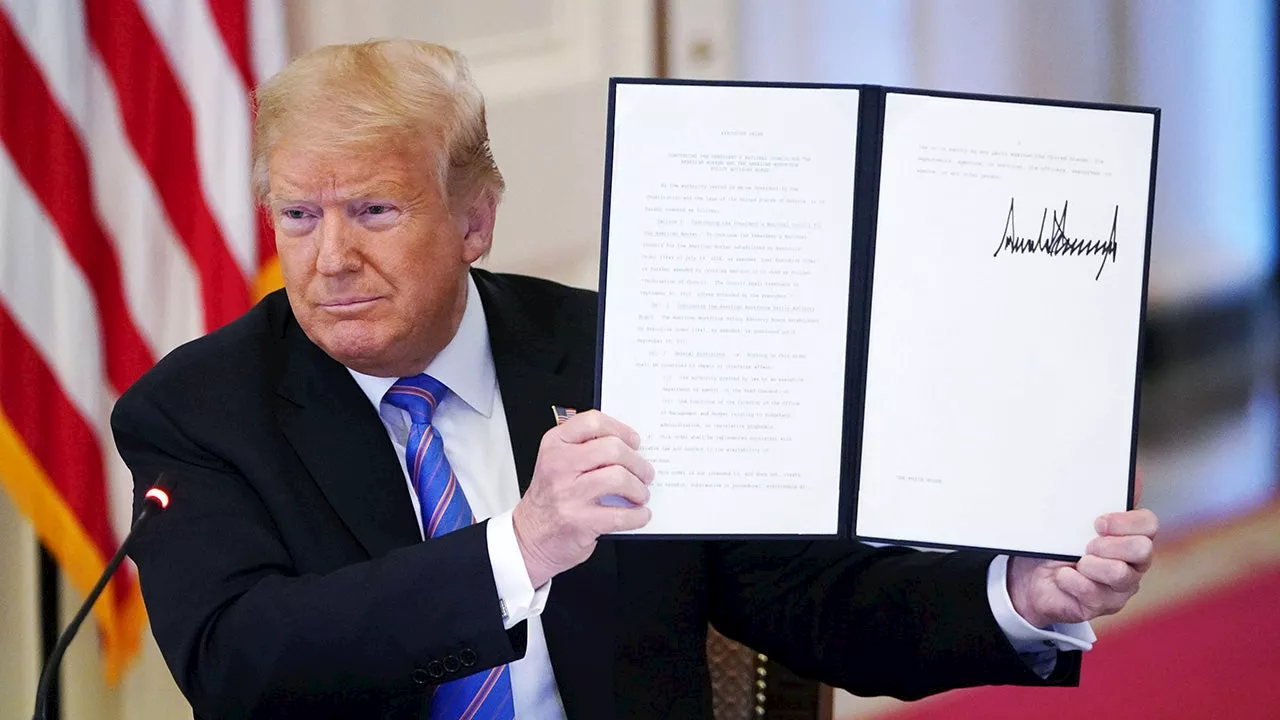 Executive Orders: A Powerful Tool With LimitationsThis article explores the use of executive orders by presidents, particularly focusing on Donald Trump's plans to issue over 200 orders on his first day. It explains how these directives work, their strengths and weaknesses, and historical examples of their impact.
Read more »
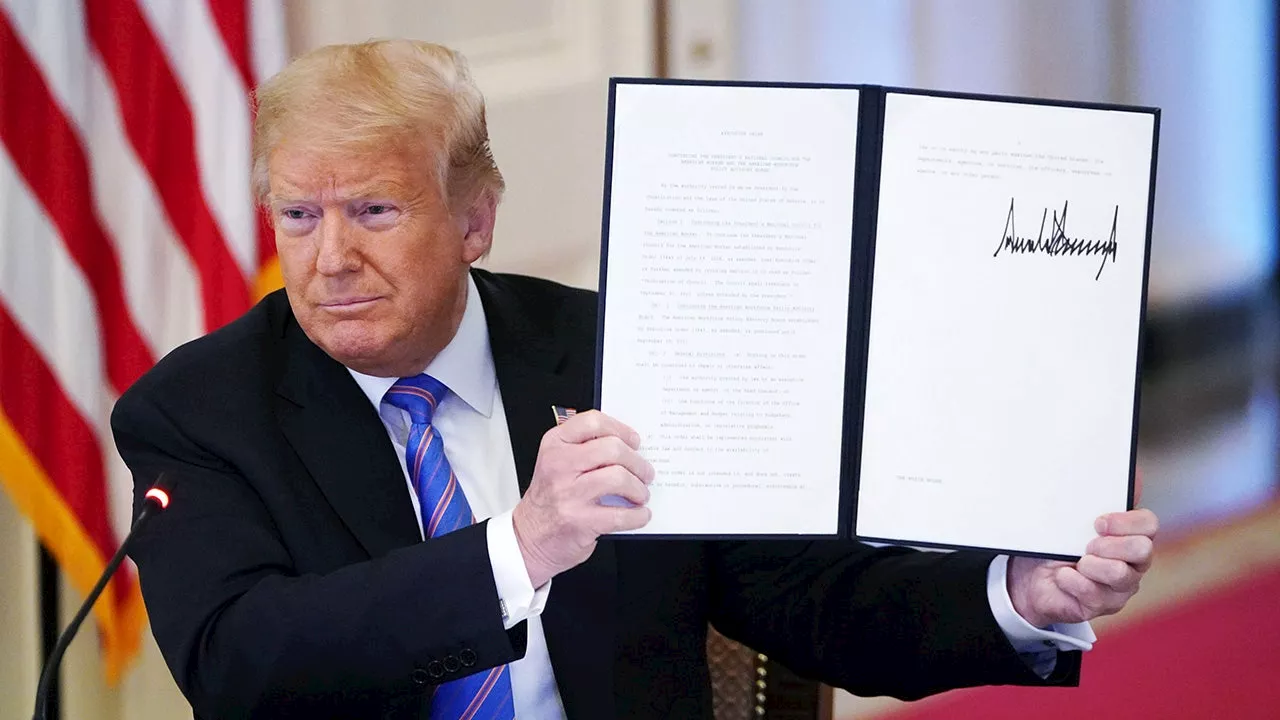 Executive Orders: A Powerful Tool with LimitsThis article explores the use of executive orders by U.S. presidents, highlighting their function, limitations, and historical context. It examines how presidents utilize these directives to shape policy and address urgent matters, while also acknowledging their dependence on constitutional boundaries and congressional oversight.
Read more »
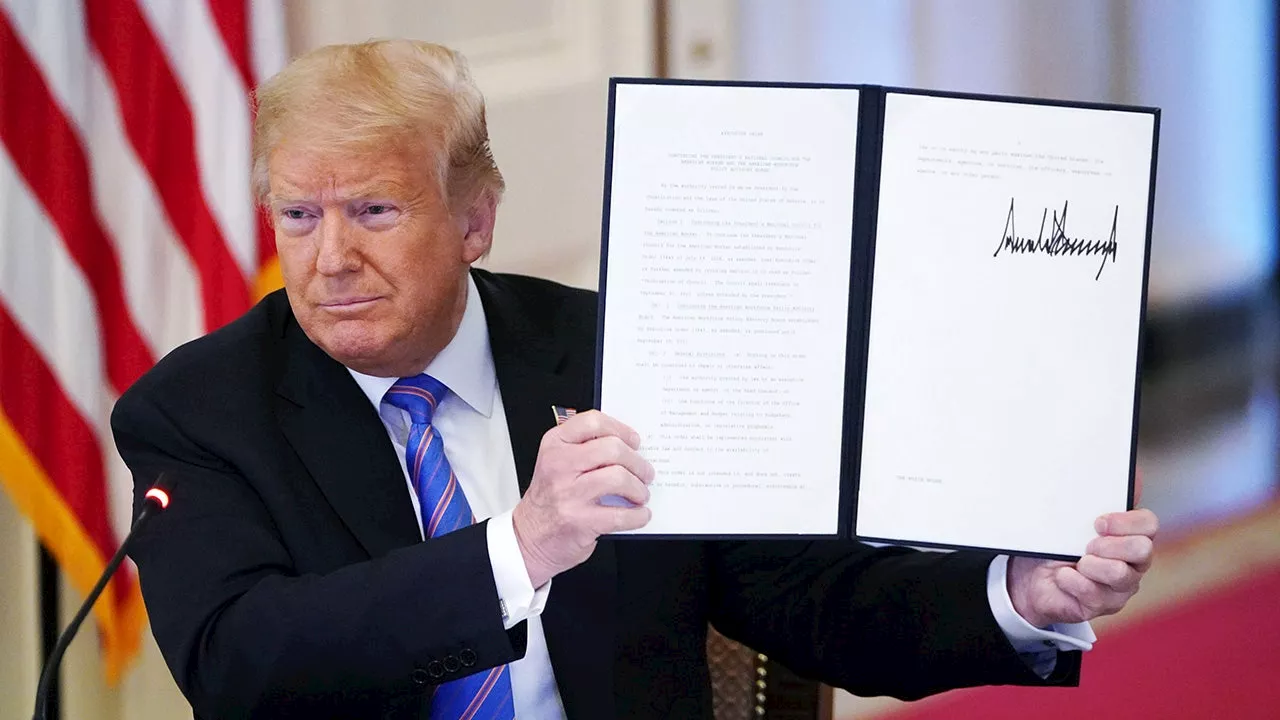 Executive Orders: A President's Powerful Tool, With LimitsThis article explores the use of executive orders by U.S. presidents, their impact, and the limitations they face. From Trump's 200 executive orders on day one to Biden's focus on pressing issues, the article examines how these directives shape policy and address urgent matters while remaining subject to judicial review and congressional action.
Read more »
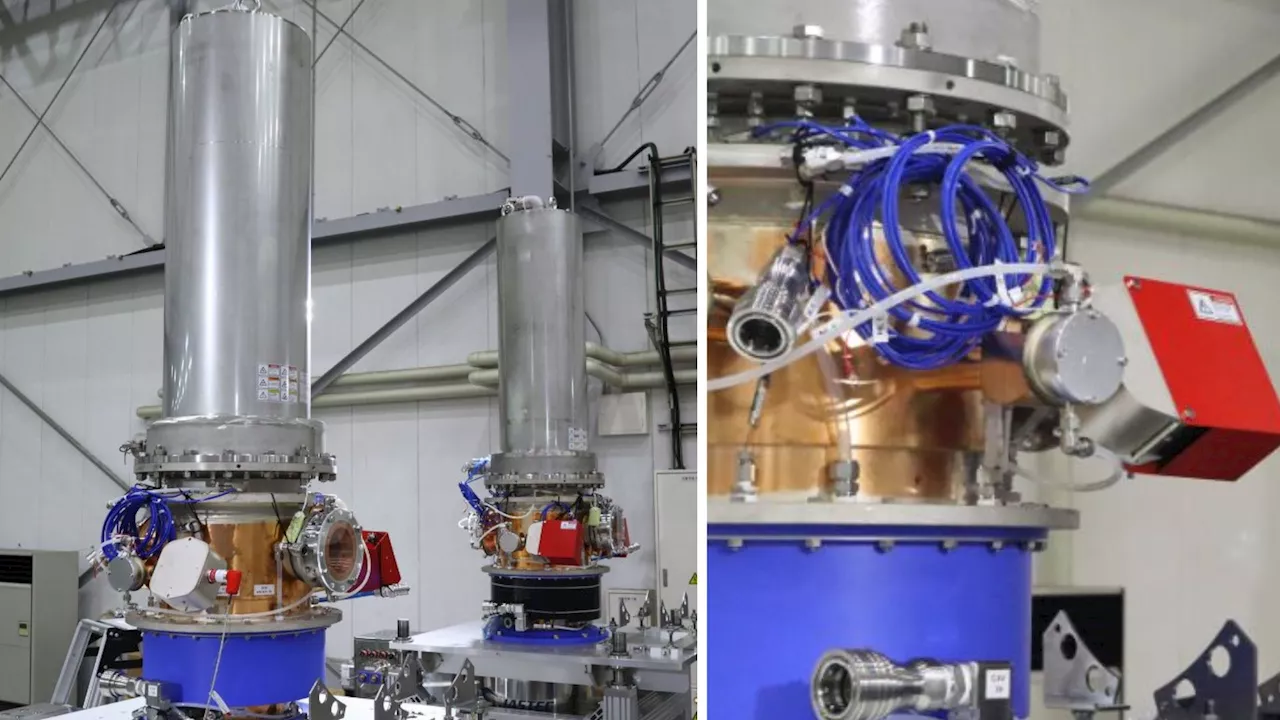 Tokamak Energy Receives Powerful New Tool to Achieve Commercial Fusion PowerTokamak Energy, a UK-based private fusion energy company, has taken a major step towards commercial fusion power with the installation of a 1 MW gyrotron at its ST40 spherical tokamak facility. This advanced technology, developed by Kyoto Fusioneering in Japan, will generate high-power electromagnetic waves to heat and control a hydrogen plasma, reaching temperatures far exceeding the core of the sun. The gyrotron's efficient heating capabilities and precision control over plasma properties are expected to significantly contribute to the optimization of fusion processes.
Read more »
 The Minimalist Tool Taking Over Kitchens: Meet the Veark Tool OneDesigner Kim Richardt created the Veark Tool One, a set of three handmade beechwood sticks designed to be used as cooking utensils. Inspired by Asian chopsticks, the Tool One's simple design and functionality have made it a surprisingly popular kitchen gadget. The sticks are versatile, capable of stirring, flipping, and even making sourdough. Richardt's inspiration for the Tool One came from his frustration with traditional spoons and his interest in minimalist design.
Read more »