
Recent discussions on social media have questioned whether women need more sleep than men. Christine Blume, MD, a sleep scientist at the University of Basel, weighs in on this debate analyzing the available research. While individual sleep needs vary, the importance of quality sleep for both men and women is undeniable.
Everyone enjoys a good conversation about sleep. The latest trending topic seems to be a bit of a battle of the sexes: Do men or women need more sleep? This discussion has been gaining traction on social media, with rumors suggesting women require more rest. But is there any truth to it? In general, sleep—both too little and too much—can significantly impact your entire day. Mood swings, headaches, and low productivity are just a few of the immediate effects.
However, prolonged poor sleep can lead to far more serious health issues. While everyone agrees on the importance of quality sleep, debates regarding the optimal duration persist. (Personally, I wouldn't mind living like Dakota Johnson and getting 14 hours a night!) The widely accepted recommendation is seven to nine hours per night, but does this guideline apply equally to everyone? Do women need more sleep than men?Recently, there have been numerous discussions on social media about whether women require more sleep than men. Christine Blume, MD, a sleep scientist at the University of Basel, offers her perspective: “The question of whether sleep needs to differ between men and women does not have a definitive answer with current research that is available.” Dr. Blume points out that most studies on sleep measure how much people report sleeping. They don't actually measure their actual needs. “When men and women were asked how much sleep they need, women reported needing about 12 minutes more on average, which is hardly a significant difference,” she explains. Interestingly, as people age, men often require more sleep than women.Sleep and life stages clearly influence sleep duration. Children and teenagers naturally need more sleep, while older adults often sleep less at night, sometimes supplementing with naps during the day. For women, sleep can be disrupted by life events like parenting. “Mothers, particularly of young children, often get less sleep as they wake frequently during the night to care for their kids—yes, even in 2025,” notes Dr. Blume. Breastfeeding mothers face additional challenges, as their sleep rhythms are dictated by their baby’s needs. Hormonal fluctuations can also play a role. Many women notice changes in their sleep throughout their menstrual cycle. “The first phase of the cycle, especially around ovulation, tends to support deeper, more restful sleep,” says Dr. Blume. “However, sleep can worsen during the second phase, particularly for those with premenstrual symptoms.” Menopause presents another significant challenge. “Night sweats and hormonal shifts during menopause can disrupt sleep, although research on this stage of life remains limited,” Blume adds, noting the historic lack of focus on women’s health in research. How much sleep does one really need? While seven to nine hours is the general recommendation, Dr. Blume emphasizes that individual needs vary. “There is no one-size-fits-all answer,” she says. What’s clear, however, is the impact of insufficient sleep. The cost of poor sleep Too little sleep can have a serious impact on both physical and mental health. “Lack of sleep weakens the immune system, making us more susceptible to infections,” Dr. Blume explains. Chronic sleep deprivation increases the risk of metabolic disorders such as obesity, type 2 diabetes, and high blood pressure. The mental health effects can be equally severe. “Mood deteriorates with poor sleep, and over time, this can lead to serious conditions like depression,” Blume notes. Women, statistically more prone to depression, often experience sleep disturbances as a symptom, creating a vicious cycle.The Bottom Line Whether you’re a man or a woman, ensuring adequate sleep is critical for maintaining overall health and well-being. While the exact number of hours may differ for each individual, the benefits of prioritizing quality sleep are universal
Sleep Women's Health Men's Health Sleep Needs Sleep Duration Sleep Disorders
Trending
 A gorgeous April afternoon in store across the Denver metro area
  ‘Artemis Mission Cannot Lead To Interplanetary Wild West,’ Astronomer Warns
  Trump says US forces will ‘finish the job’ soon in first prime-time speech since starting Iran war
  Former Wisconsin football player, who left the sport amid mental health struggles, dead at 24
  Drew McIntyre Gives Honest Take About His Recent WWE Title Reign
  U.S. Sen. Bernie Sanders introduces bill that could keep the Padres in San Diego
 United States Latest News, United States Headlines
Similar News:You can also read news stories similar to this one that we have collected from other news sources.
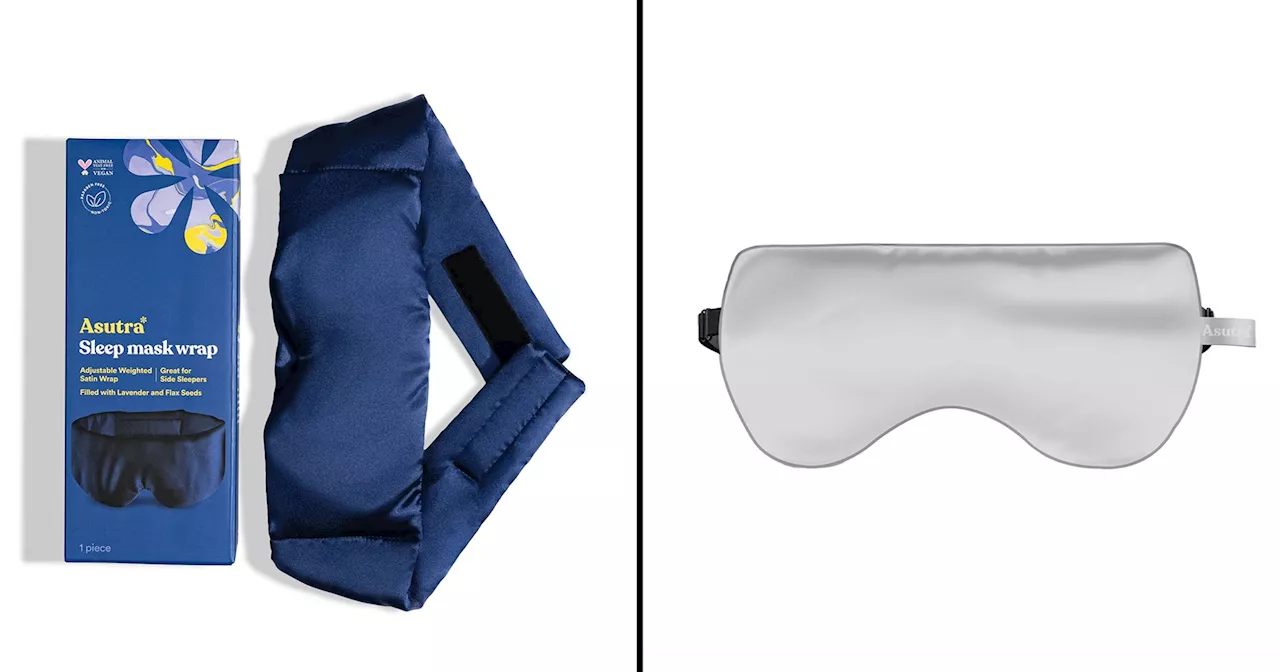 The Best Sleep Asutra Sleep Products to Improve Your Beauty RoutineFrom cooling sleeping masks to weighted neck wraps, Asutra has every product available to improve your quality of sleep
Read more »
 The LivewireA New Perspective on Sleep and Sleep Training
Read more »
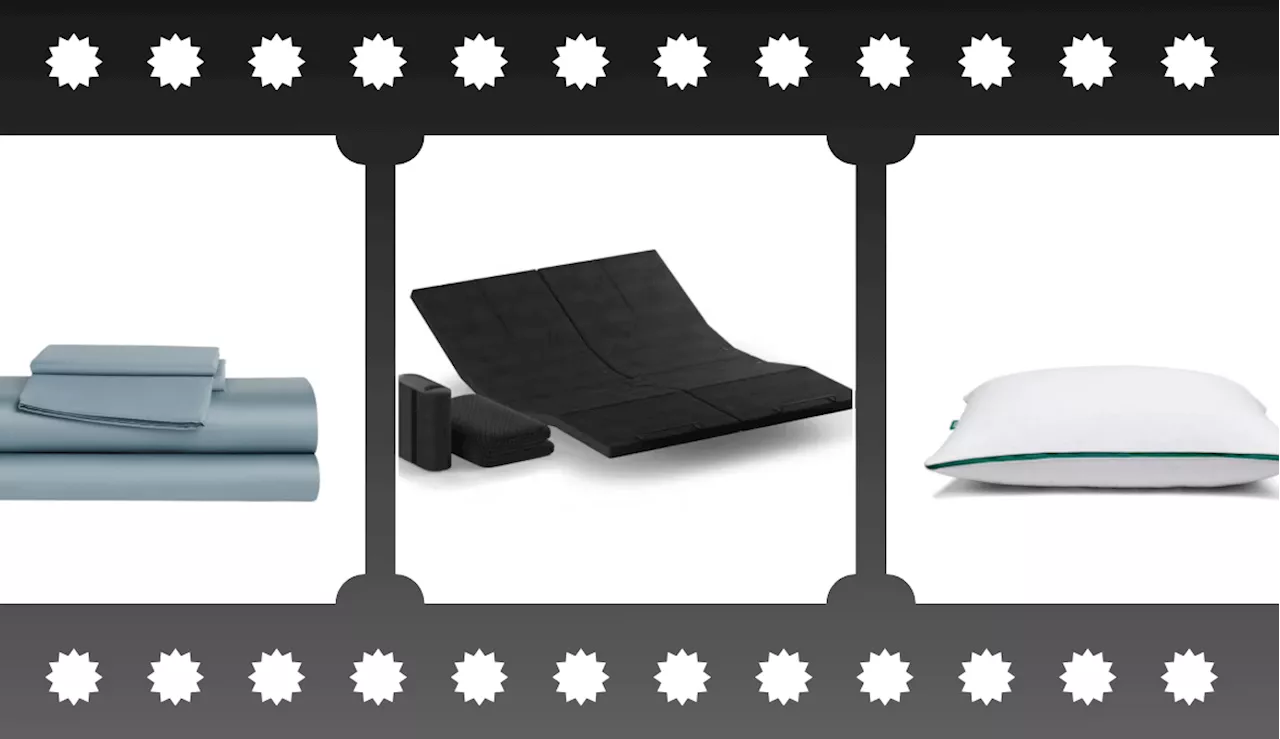 Well+Good Readers' Favorite Sleep Products of the YearThis article highlights the most popular sleep products among Well+Good readers, including sheet sets, sleep aids, and more. It emphasizes the importance of getting enough sleep and provides tips for improving sleep quality.
Read more »
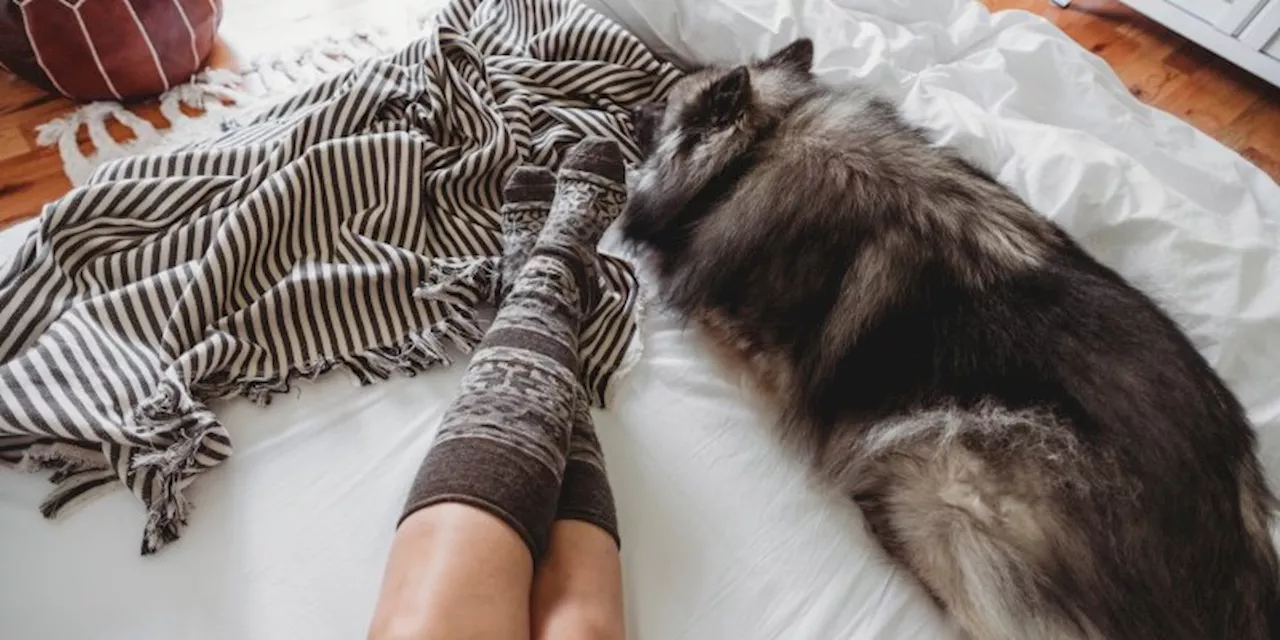 Wear Socks to Bed for Better Sleep, Says The Sleep DoctorThis article discusses a unique sleep solution suggested by sleep expert Dr. Michael J. Breus. He recommends wearing socks to bed to regulate body temperature and improve sleep quality, especially for those who tend to get cold at night.
Read more »
 Millennials Share Sleep Hacks: 'Rawdogging' Sleep and Falling Asleep InstantlyA viral Reddit thread has sparked discussions about sleep habits, with millennials sharing their experiences with 'rawdogging' sleep - falling asleep instantly without any aids. Some users boast about their ability to fall asleep at will, while others confess to relying on various sleep aids like podcasts, fans, or white noise machines.
Read more »
 New Advances in Sleep Health: Caffeine, Diet, Napping, and Sleep Apnea TreatmentsThis article explores recent findings and developments in sleep health, covering topics such as caffeine consumption, diet and insomnia, napping strategies, and new treatments for sleep apnea.
Read more »