
Explore the differences between traditions, from Sichuan’s spicy mala to Japan’s delicate shabu-shabu and Korea’s hearty jeongol.
If you're enjoying this article, you'll love our daily newsletter, The LA Report. Each weekday, catch up on the 5 most pressing stories to start your morning in 3 minutes or less.Hot pot is more than just a meal — it’s an experience.
There are few things quite as comforting as gathering together around a simmering pot of broth, cooking fresh ingredients and sharing a meal in real-time. Whether you crave a bold, spicy kick, delicate flavors, or rich, meaty broths, understanding the different styles of hot pot will help you find your perfect match. Believed to have originated in China more than 1,000 years ago, possibly as early as the Eastern Han Dynasty , hot pot gained widespread popularity during the Mongol Empire in the 13th century. Warriors are said to have boiled meat in their metal helmets over open fires, creating a simple but nourishing meal.Over time, different regions across Asia developed their own takes, from Thailand's jim jum to Vietnam's lẩu, adapting broths and ingredients to local flavors and customs. Los Angeles is home to a wide array of hot pot restaurants. Here’s a closer look at three distinct styles — Chinese, Japanese, Korean — and where to find them.in Pasadena offers Sichuan-style hot pot, one of the most popular Chinese varieties, known for its bold, numbing, and spicy flavors. The signature mala broth — meaning “numbing and spicy” — gets its distinctive tingle from Sichuan peppercorns and dried chili peppers, along with aromatics like ginger, garlic, and various spices. The oil-based broth is intensely flavorful, with layers of heat and complexity. Prices start at $9.99 for a communal pot, with ingredients available à la carte. Diners can experience this fiery hot pot with a yin-yang pot, which allows for two broths at once — typically the spicy mala broth on one side and a milder option on the other, such as a bone broth, tomato-based broth, or a non-seafood alternative.While classic hot pot ingredients like thinly sliced beef and vegetables are available, Sichuan hot pot often includes more adventurous offerings such as duck blood, pork aorta, beef tripe, and luncheon meat. Offal and other cuts with unique textures are particularly prized for their ability to soak up the intensely spiced broth. This hot pot is typically paired with a sesame oil-based sauce to help balance the heat. Many modern Sichuan hot pot restaurants, including Chong Qing Yao Mei, offer an all-you-can-eat self-serve sauce bar, where diners can create their own dipping sauces with garlic, cilantro, scallions, and fermented soybeans, and enjoy unlimited snacks like peanuts, chips, and desserts throughout the meal. A popular way to elevate the dipping sauce is by mixing in a raw egg — when hot meat is dipped in, the residual heat lightly cooks the egg, adding a silky texture and extra umami to each bite.Monday thru Thursday 11 a.m. to 3 p.m., and 5 p.m. to 9.30 p.m.; Friday thru Sunday, 11.30 a.m. to 9.30 p.m.also in Pasadena, you can find shabu shabu, a Japanese style hot pot that emphasizes simplicity and high-quality ingredients. Unlike bold and spicy Sichuan hot pot, this Japanese take is light and clean, focused on enhancing the natural flavors of its ingredients.The name shabu shabu is a Japanese onomatopoeia, mimicking the sound of thinly sliced meat being swished in the broth. Instead of adding all the meat to the pot at once, diners quickly dip and swirl thin cuts of beef, pork, or lamb until they are just cooked — usually in seconds. Unlike Sichuan style's oily, intensely spiced broth, shabu shabu uses a delicate, dashi-based broth made with kelp . Restaurants often also offer options like tonkotsu broth and spicy miso broth for added richness. At Osawa, lunch costs $32 per person, including a pre-set menu. Because the broth is mild, the quality of the meat is crucial, with many restaurants serving premium cuts of Wagyu beef or prime meats. At Osawa, diners can choose from Wagyu, Black Angus ribeye, seafood, salmon, or Kurobuta pork loin. Shabu shabu typically includes fewer ingredients than other hot pot styles, focusing on a select few such as tofu, napa cabbage, mushrooms , and udon or soba noodles. Since the broth itself is subtle, dipping sauces provide most of the seasoning. The two most common are goma, a creamy, nutty sesame sauce, and ponzu, a citrusy soy sauce that adds a refreshing tang. A traditional shabu shabu meal often ends with the remaining broth — now infused with the flavors of the meat and vegetables — being used to cook ramen noodles or transformed into a rice porridge called okayu.Wed - Sun 11.30 a.m. - 2.15 p.m., Wed and Thurs 5 p.m. to 9 p.m., Friday and Saturday 4.45 p.m. to 9.15 p.m., Sunday 4.45 p.m. to 9 p.m.In Korea, jeongol is the term for hot pot, referring to a dish where various ingredients, such as meat, seafood, mushrooms, and vegetables, are arranged in a pot, simmered together in broth, and shared communally. Historically, jeongol was considered an elaborate dish, often served in the Korean royal court. Today, its most popular modern adaptation is budae jeongol, or army stew — a fusion dish that emerged after the Korean War, incorporating American military rations like Spam, sausage, and instant noodles.in Koreatown, the army stew includes house-made Spam, sausage, bacon, and ham, along with kimchi, rice cakes, tofu, beansprouts, and gochujang, creating a rich and savory broth. Like traditional jeongol, army stew is served communally in a shallow pot at the center of the table , allowing diners to add ingredients as they cook. While jeongol is known for its carefully arranged, layered ingredients, army stew follows a similar approach but with heartier, processed meats and noodles. Despite their different origins — jeongol with its royal court roots and army stew born from post-war improvisation — both dishes embody the essence of Korean hot pot: a comforting, communal meal meant to be shared.Your donation will power local paywall-free reporting for our community. Donate for the first time or increase your monthly donation to have a positive impact for independent and trusted journalism.It's fighting talk, but LAist associate food editor Gab Chabrán says his hometown's combo of newcomers making waves and old timers making faves hits the spot.In a city that's exploding with excellent bakeries, deciding where to go for that croissant or cupcake can be a challenge. You told us your fave ravesI've Been Buying Carne Asada From This Street Vendor For A Year. Now I Understand His Hustle For Tacos 5 y 10 co-owner Daniel Martinez, serving food and community is about more than just money — it connects him back home.Two LA Businesses Tried To Honor Selena With A Beer. They Got A 'Cease And Desist' Letter From Selena's Family “It was a downer,” said Agustin Ruelas, the co-owner at Brewjeria, the Latino and POC-owned craft brewery in Pico Rivera. “We just wanted to honor Selena.”Does Sriracha Taste Different After The Shortage? We Put It To The Test — And Learned Proper Storage Etiquette In The Process After people began complaining online that Sriracha they'd bought recently didn't taste like the old stuff, we set out to find the answer. It didn't go well.From tortas to tuna melts, all sandwiches tell a unique story as they celebrate Los Angeles' diverse tapestry of flavors with each bite. Rancho Palos Verdes homes continue to slide into the ocean, but the destruction could have been avoidedSaving Cupcake: The mission to rescue Pasadena's class pets from the Eaton Fire
United States Latest News, United States Headlines
Similar News:You can also read news stories similar to this one that we have collected from other news sources.
 Two New Docuseries Explore the Dark Side of Human NatureABC News Studios unveils two chilling docuseries on Hulu exploring the disturbing truths behind seemingly ordinary individuals. 'Wicked Game: The Devil in the Desert' delves into a kidnapping case in the Mojave Desert, while 'The Fox Hollow Murders: Playground of a Serial Killer' investigates the chilling crimes of Herb Baumeister, an Indianapolis businessman who murdered dozens of men.
Read more »
 Hot Ones' Sean Evans on the Humanizing Power of Hot SauceThe internet’s favorite Heat Miser sits down to talk about how Hot Ones changed the celeb interview for the better
Read more »
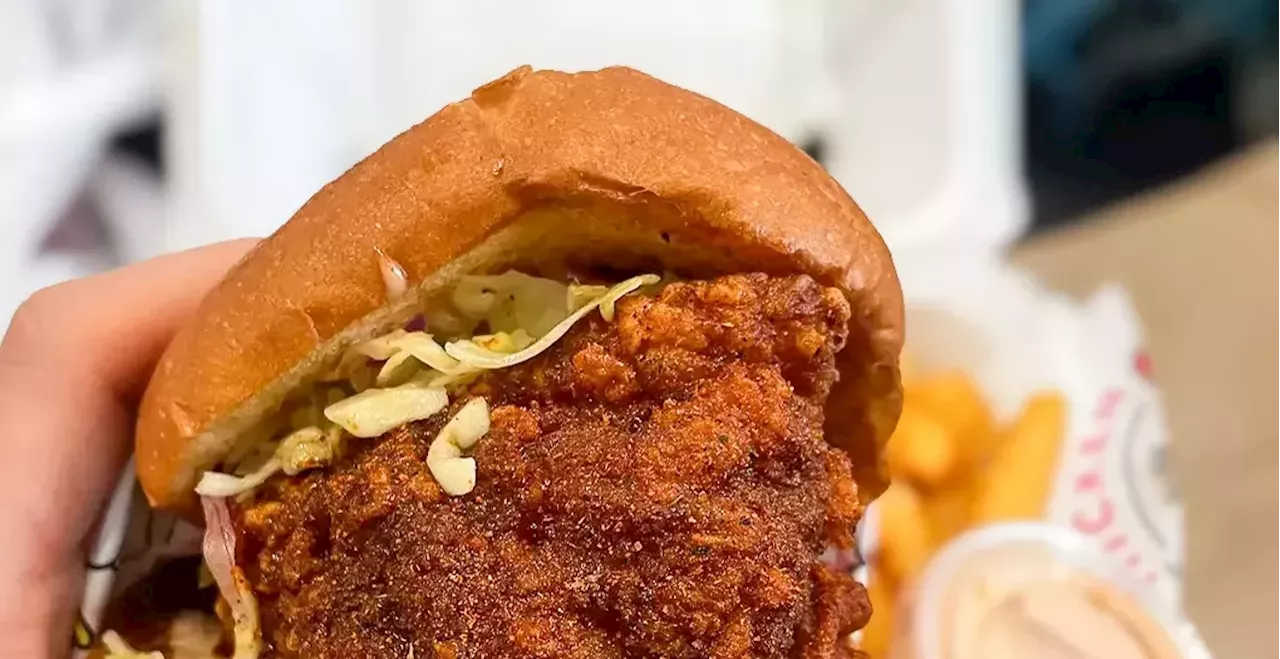 Ricky's Hot Chicken Continues to Slay the Nashville Hot Chicken SceneRicky's is one of many great Dallas restaurants for Nashville hot chicken.
Read more »
 Dallas-Fort Worth prices jump as U.S. inflation remains ‘hot, hot, hot’In January, the Dallas-Fort Worth area saw prices rise 2.8% compared to the year-ago period, according to a new report.
Read more »
 Lady Gaga Wows in Thom Browne Couture While Eating Hot Wings on 'Hot Ones'Lady Gaga made a memorable appearance on 'Hot Ones,' sporting a custom Thom Browne Haute Couture look inspired by the designer's Fall 2024 collection. Despite the intricate floral design that immobilized her right arm, Gaga bravely tackled the spicy wings, sharing candid moments and insights about her career.
Read more »
 Beauty Marks: The Best Beauty Looks of The WeekFrom Zoe Saldana’s coquette hair to Keke Palmer’s Valentine’s mani and Jacob Elordi’s sideburns debut—this week in celebrity beauty was hot, hot, hot.
Read more »