
Chinese space travelers aboard the Shenzhou-19 mission successfully produced rocket fuel and oxygen using semiconductor catalysts. The technology mimics plant photosynthesis to convert carbon dioxide and water into ethylene (a spacecraft propellant) and oxygen. This breakthrough could pave the way for future interplanetary missions by utilizing in-situ resources for breathable air and fuel.
, space travel ers from the current Shenzhou-19 mission produced the necessary ingredients of rocket fuel , as well as oxygen, another useful resource in space. The team used semiconductor catalysts to turn carbon dioxide and water into oxygen and ethylene, a hydrocarbon commonly used to produce spacecraft propellants, according to the"This technology mimics the natural photosynthesis process of green plants through engineered physical and chemical methods, utilizing carbon dioxide resources in confined spaces or extraterrestrial atmospheres to produce oxygen and carbon-based fuels," state-run news broadcasterThe experiment could lay important groundwork for our efforts to turn in-situ resources in faraway places into a source of breathable air and rocket fuel that future interplanetary space travel may require.
Experts have generally found that electrolysis is too energy intensive for long-distance space travel. By using semiconductor catalysts instead, Chinese researchers hope to convert carbon dioxide at both room temperature and standard atmospheric pressure, thereby requiring far less energy. However, details regarding the experiments remain slim, and it's still unclear just how feasible the concept actually is, especially in extremely remote and hostile landscapes like the surface of Mars. But if confirmed, the concept could give future Chinese space explorers a major leg up. The country is hoping to build aby 2035, an endeavor that will require a steady and reliable source of breathable oxygen — not to mention rocket fuel for the trip back to Earth.
Space Travel Rocket Fuel Oxygen Production Semiconductor Catalysts In-Situ Resource Utilization
United States Latest News, United States Headlines
Similar News:You can also read news stories similar to this one that we have collected from other news sources.
 Pakistan launches first home-made observation satellite on Chinese rocketThe PRSC-EO1 satellite – launched by China's Long March-2D carrier rocket – will boost Pakistan's ability to monitor and manage natural resources, respond to disasters, and improve urban planning and agricultural development.
Read more »
 Chinese Astronauts Demonstrate Artificial Photosynthesis in OrbitFor the first time, Chinese astronauts have successfully conducted experiments mimicking photosynthesis in orbit, converting carbon dioxide and water into oxygen and rocket fuel ingredients. This breakthrough signifies a major step towards sustainable long-term space exploration by enabling the production of essential resources in space.
Read more »
 In a first, Chinese astronauts produce oxygen, rocket fuel ingredientsShenzhou-19 crew conduct the world’s first in-orbit artificial photosynthesis experiments, creating oxygen and ethylene.
Read more »
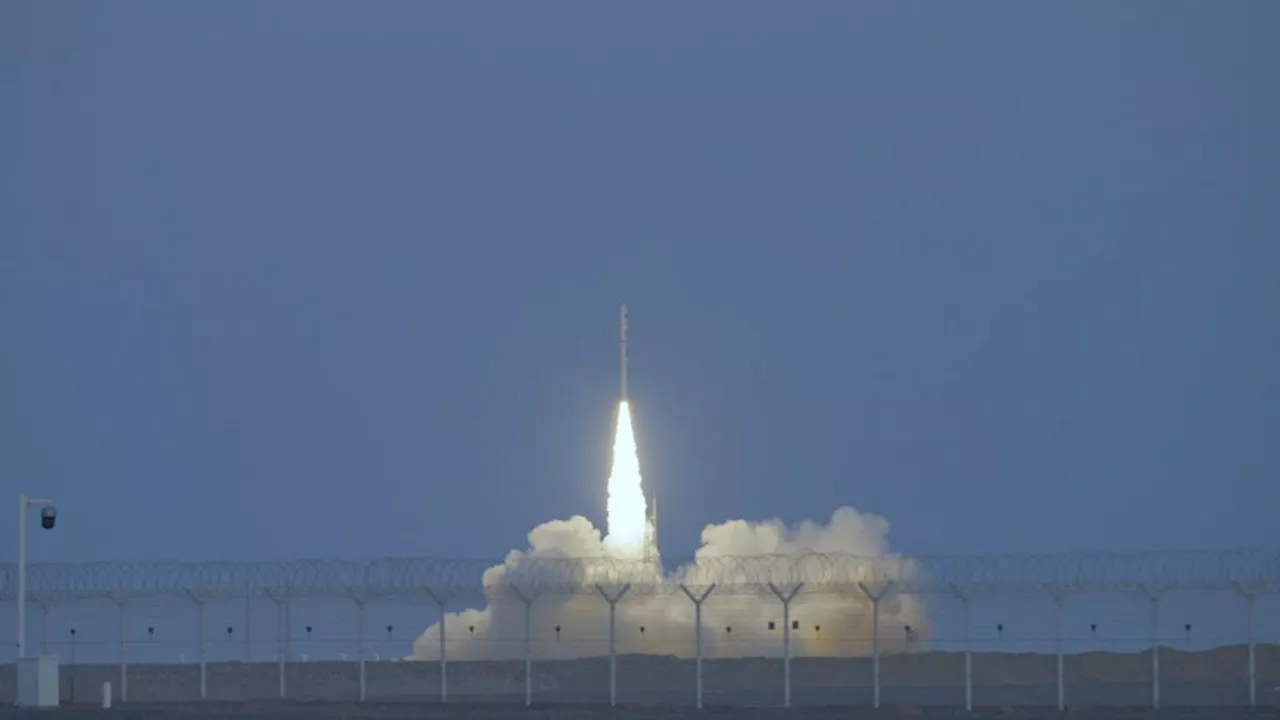 Chinese commercial Ceres-1 rocket launches 5 weather satellites to orbit (video)Andrew is a freelance space journalist with a focus on reporting on China's rapidly growing space sector. He began writing for Space.com in 2019 and writes for SpaceNews, IEEE Spectrum, National Geographic, Sky & Telescope, New Scientist and others.
Read more »
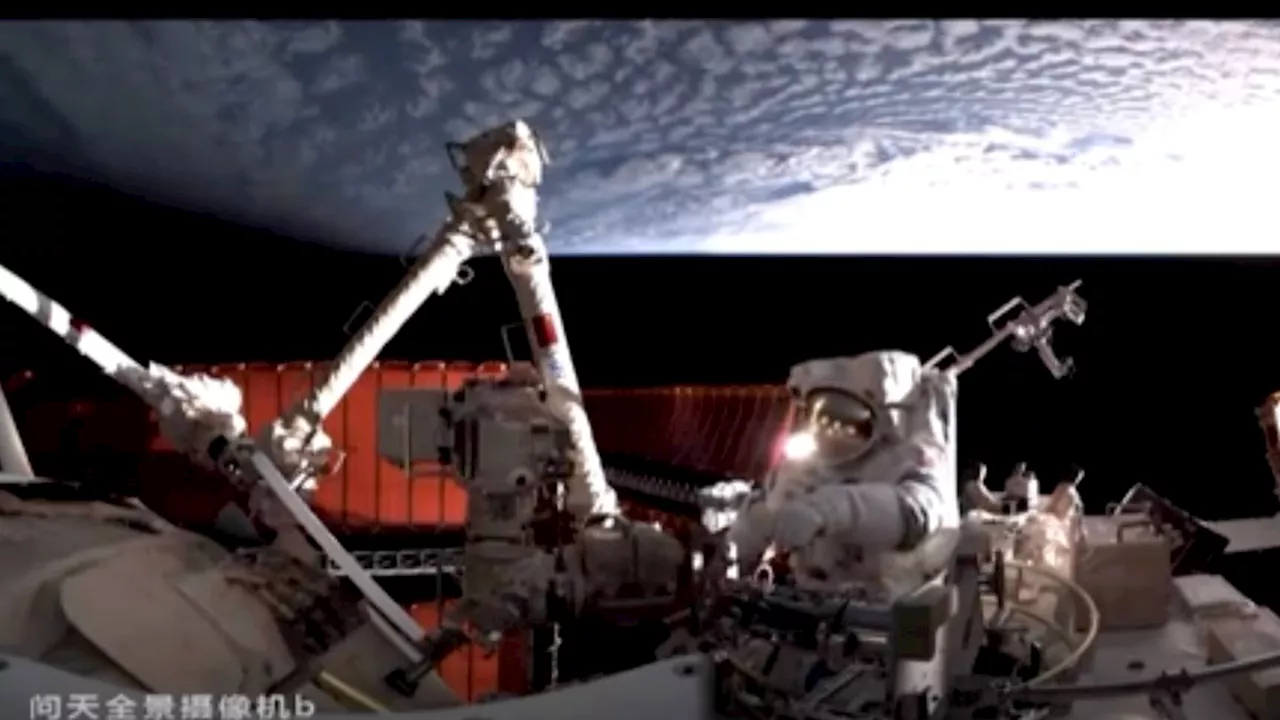 Chinese astronauts install debris shields on Tiangong space station during 8.5-hour spacewalk (video)Andrew is a freelance space journalist with a focus on reporting on China's rapidly growing space sector. He began writing for Space.com in 2019 and writes for SpaceNews, IEEE Spectrum, National Geographic, Sky & Telescope, New Scientist and others.
Read more »
 Astronauts Make Rocket Fuel From Water and CO2 in SpaceChinese astronauts aboard the Tiangong space station have successfully produced rocket fuel and oxygen from water and carbon dioxide using a new type of 'artificial photosynthesis.' This breakthrough technology could revolutionize space travel by enabling the creation of essential resources in orbit.
Read more »