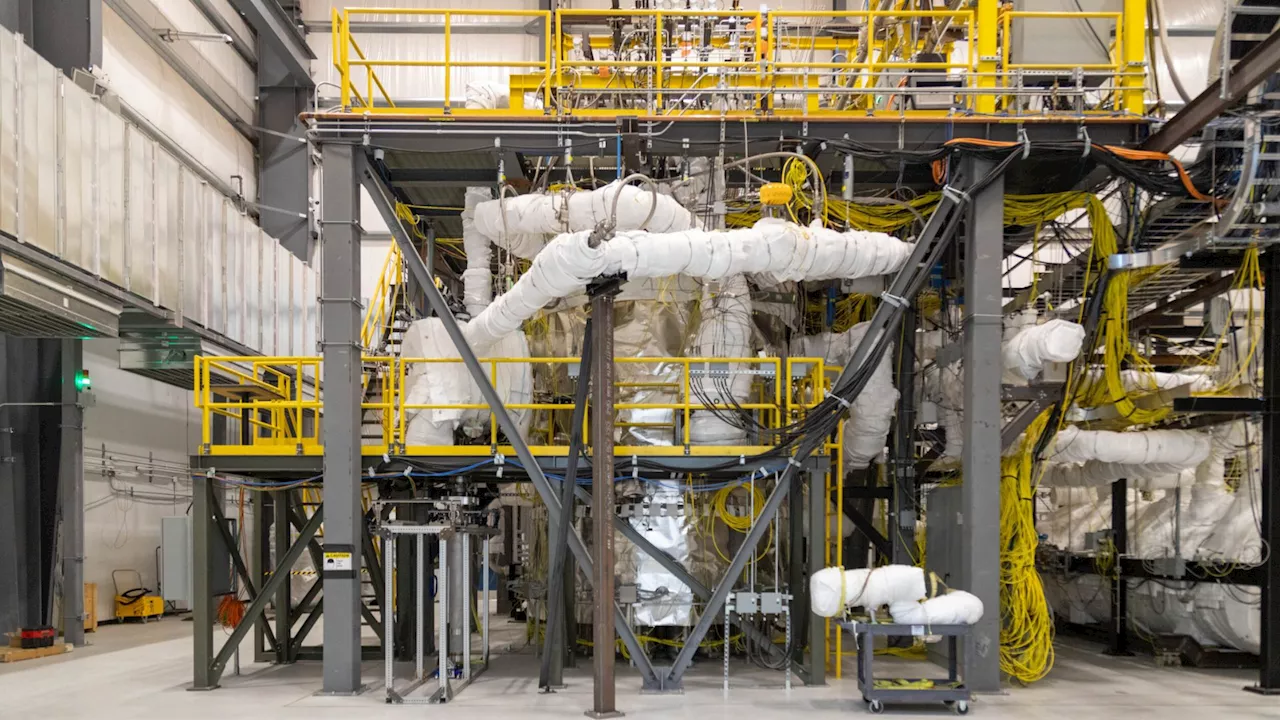
Google signs the world's first corporate agreement to purchase power from small modular reactors for AI.
Google announced on Monday that it has signed the world’s first corporate agreement to buy electricity from multiple small modular reactors . This move is aimed at supporting its increasing energy demands driven by artificial intelligence operations.
Partnering with Kairos Power, Google plans to have the first of these SMRs online by 2030, with further deployments continuing through 2035. Although financial specifics and exact plant locations in the U.S. remain undisclosed, Google confirmed that it will purchase a total of 500 megawatts of power from six to seven reactors. This is smaller in output compared to traditional nuclear reactors but fits into Google’s strategy of clean, reliable, and round-the-clock energy.meet these energy needs. “We feel like nuclear can play an important role in helping to meet our demand … cleanly in a way that’s more around the clock,” Terrell said, asNuclear power has been gaining renewed attention from large technology firms due to the increasing energy consumption of data centers.to power a unit at the Three Mile Island nuclear plant in Pennsylvania. The energy demand from data centers is expected to triple by 2030, requiring an estimated 47 gigawatts of new power capacity. While natural gas, wind, and solar are seen as primary energy sources to meet this demand, nuclear power is being revisited as a viable option for consistent energy generation., these SMRs are constructed in factories rather than on-site, which can help reduce the cost and time of construction. However, the permitting process remains complex. Kairos will need approval from the U.S. Nuclear Regulatory Commission and local agencies, which can take years to finalize. Nonetheless, Kairos has already received a construction permit from the NRC for a demonstration reactor in Tennessee.Critics argue that SMRs may struggle to compete with the economies of scale achieved by larger nuclear plants. Additionally, SMRs will still produceThis approach signals long-term market demand, providing an incentive to accelerate SMR development rather than purchasing one reactor at a time. By doing so, Google is helping pave the way for the broader deployment of SMRs across the energy landscape. Mike Laufer, CEO and co-founder of Kairos, echoed this confidence. “We’re confident that this novel approach is going to improve the prospects of our projects being delivered on cost and on schedule,” Laufer said, emphasizing the partnership’s potential to bring reliable, cost-effective nuclear energy to market.As the energy demands of AI and data centers continue to rise, the technology industry’s interest in nuclear power could lead to a resurgence of nuclear energy innovation. Google’s commitment to SMRs marks a critical step towards a future where nuclear power plays a more prominent role in meeting the power needs of the digital age. The NRC has expressed readiness to review new reactor applications, with spokesperson Scott Burnell stating, “The NRC is ready to efficiently and appropriately review applications for new reactors.”A versatile writer, Sujita has worked with Mashable Middle East and News Daily 24. When she isn't writing, you can find her glued to the latest web series and movies.
Google Google AI Innovation Kairos Power Nuclear Nuclear Reactors Technology
United States Latest News, United States Headlines
Similar News:You can also read news stories similar to this one that we have collected from other news sources.
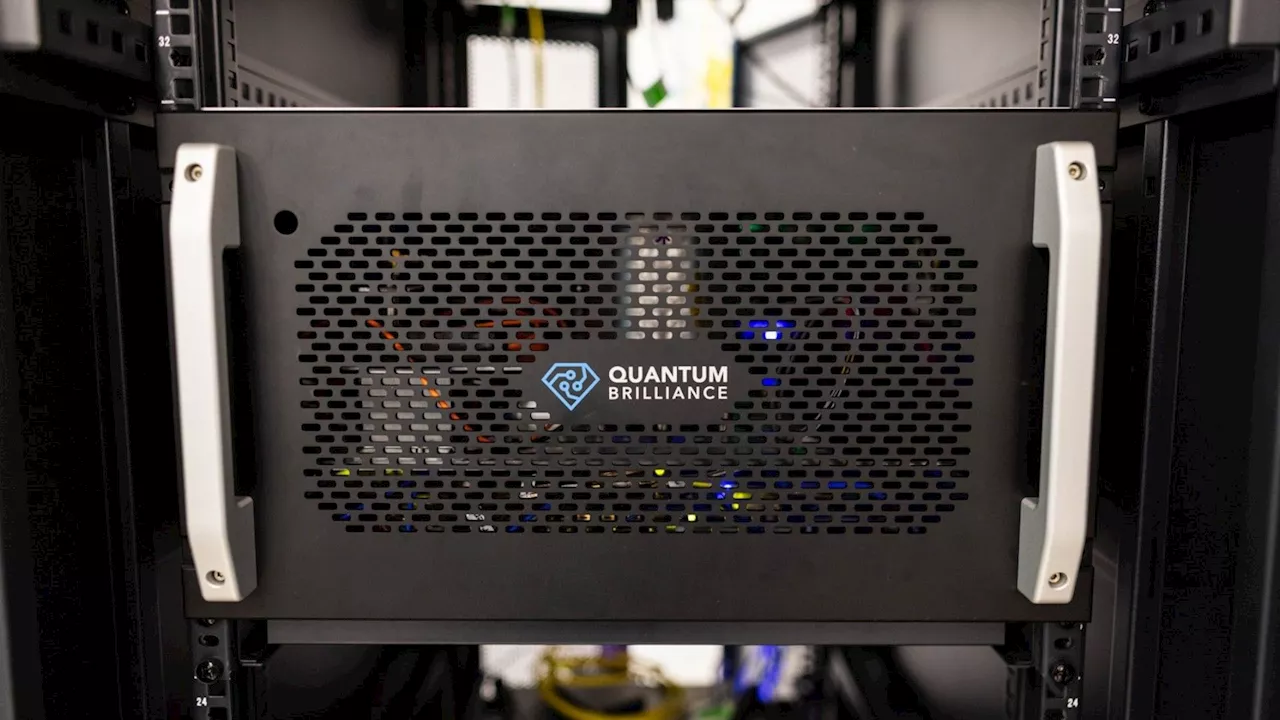 Germany: World’s 1st mobile quantum computer for defense to launch by 2027Germany’s Cyberagentur has awarded $39 million to four companies to develop the world’s first mobile quantum computer by 2027.
Read more »
 Rhino undergoes world's 1st surgery for fractured leg at England’s Knowsley SafariA young rhino named Amara at England’s Knowsley Safari recently underwent the world's first surgery for a fractured leg.
Read more »
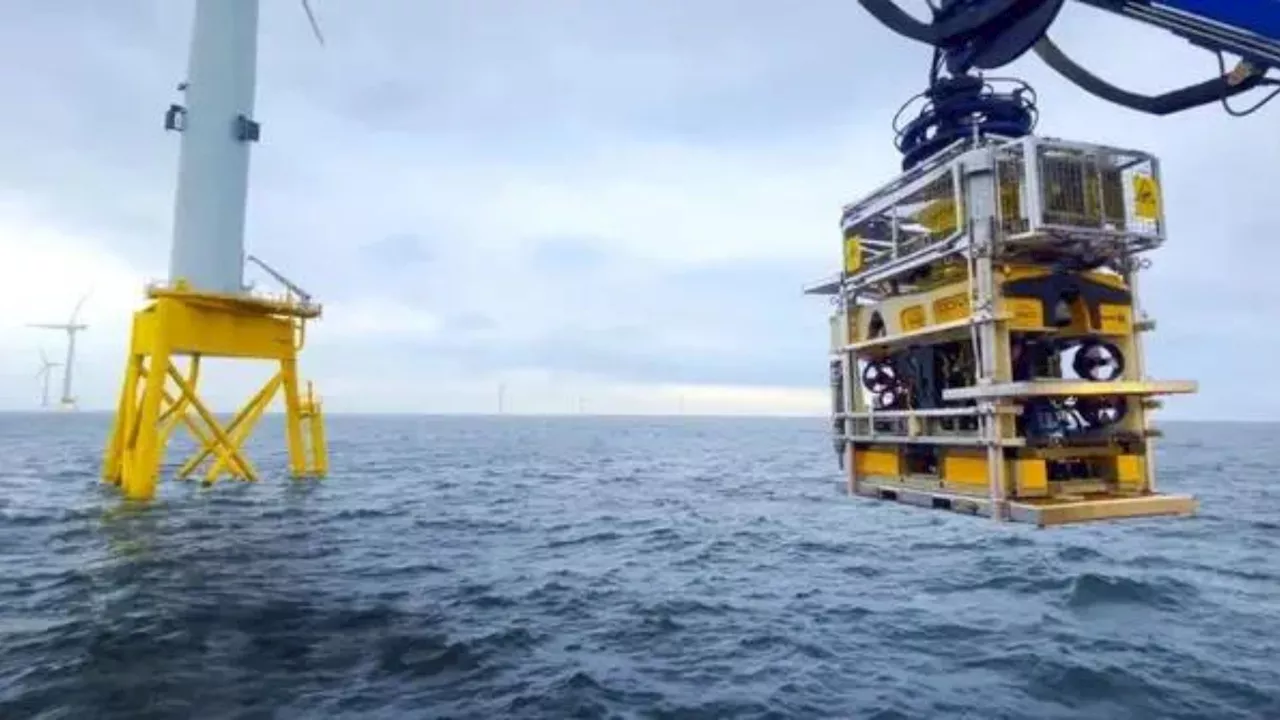 UK firm deploys world’s 1st autonomous underwater drone to inspect offshore wind farmsBeam has launched the world’s first AI-driven autonomous underwater vehicle for efficient, cost-effective inspections of offshore wind farms.
Read more »
 Phillies know 1st NL East title since 2011 only small step toward World Series championshipThe Philadelphia Phillies won the NL East for the first time since 2011. The Phillies won their 12th division crown and have their sights set on the No. 1 seed in the National League playoffs.
Read more »
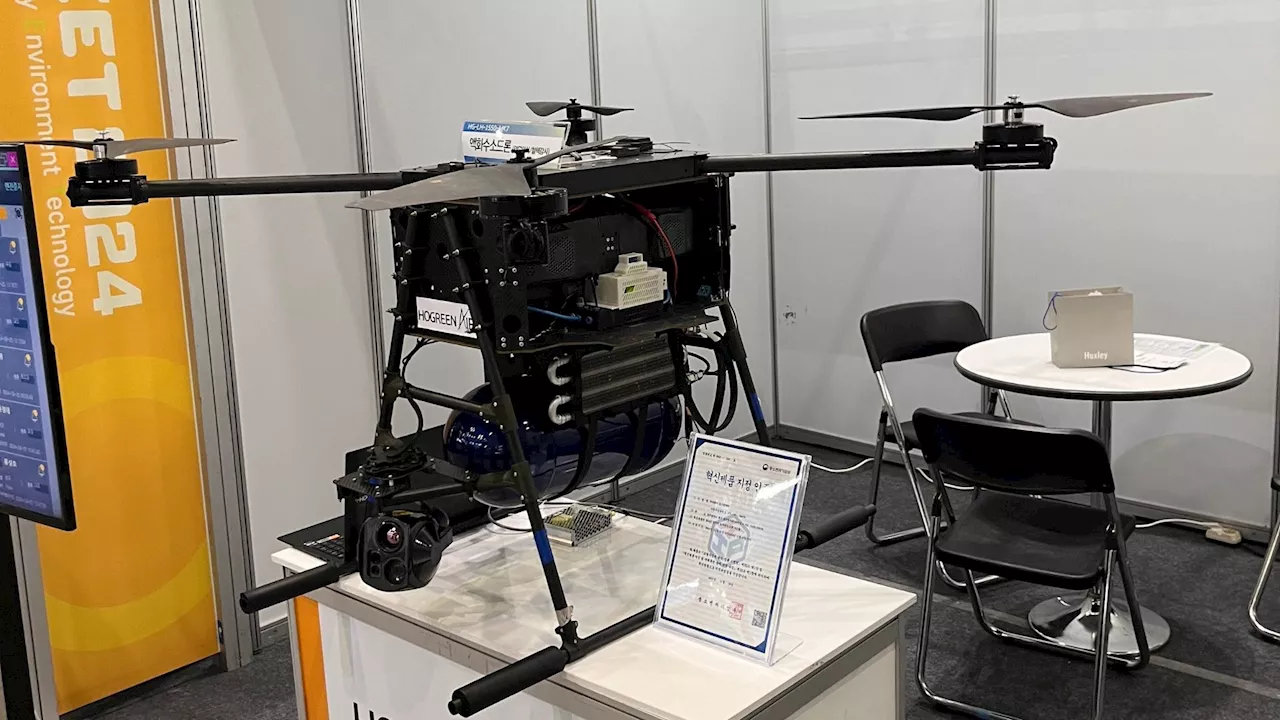 World’s 1st hydrogen drone with 5,800-mile remote operation range revealed in SeoulSouth Korea's Hogreen Air reveals the world’s first hydrogen-powered drone with a 5,800-mile remote range at the H2 MEET conference in Seoul.
Read more »
 Throwable thermal imaging: World’s 1st 360° ball-like camera for battlefield safetyBounce Imaging has introduced the Pit Viper 360, a panoramic tactical camera designed to safeguard soldiers in high-risk environments.
Read more »