


This article provides essential tips on staying safe during winter weather, including preparing for snowstorms, dressing appropriately, winterizing your vehicle, recognizing signs of hypothermia, and taking precautions around heating sources.
As New York braces for one of the first snowstorms of the season, it’s a good time to think about how to keep yourself and your family safe. With the snow starting to fall and temperatures dropping, winter weather can quickly become dangerous if you’re not prepared.With a winter storm quickly approaching, it’s getting dangerously cold outside.
Here are some simple steps you can take to prepare, and tips from medical experts, theLots of terms get thrown around by weather channels when cold weather sets in, and knowing what those terms mean is the first step to staying safe. A Winter Weather Advisory means winter elements (like snow, ice or sleet) are expected, but not to a degree to meet the warning criteria. Be prepared to see these conditions on the roads and take care when traveling. Winter Storm Watches occur when there’s a chance of a significant winter storm based on present weather conditions. Winter Storm Warnings are issued when severe winter weather (including heavy snow or heavy freezing rain) is imminent or occurring. They’re usually issued in the 12 to 24 hours before the event is expected to begin. If one of these is issued, do not travel and delay any plans to do so until conditions improve.If you do have to go out into the cold, prepare by wearing the right clothing. As the temperature drops, add extra layers of clothing to stay warm. For example, wear one to three layers plus an outer wind and waterproof layer when it’s chilly or cold, and add extra layers (including an insulating layer) in extreme cold conditions. Wear warm and waterproof shoes or boots. Cover your face, head and hands, especially when it gets extremely cold. Be sure to dress your kids in plenty of layers, too, preferably in breathable materials to prevent sweating. And protect those little hands and feet, Whitney Casares, MD, a board-certified pediatrician and author of “Pay attention to the hands and feet, which are areas that can easily get frostbite, by covering them with warm gloves and socks, respectively,” Casares explained. “Since children lose a significant amount of heat through their heads, hats are a must when the temperatures drop.”Traveling can get dangerous in cold weather. Stay safe while driving by checking road conditions before you head out. If conditions are severe, stay home and don’t make unnecessary trips. Consider taking extra steps to winterize your vehicle by looking into snow tires.If you drive in this weather keeping an emergency kit in your car is a good way of staying prepared and safe in the chance that you get stranded in the snow or the cold. Keep your car stocked with supplies like jumper cables, flares, an ice scraper, a car cell phone charger, blanket and a map. Take extra precautions by going out with a full tank of gas when it gets cold and keeping an eye on things in your car like antifreeze levels, brakes, the ignition system and the heater, defroster and thermostat.Hypothermia, an unusually low body temperature, is a problem that can arise in cold conditions. Signs of hypothermia include shivering, exhaustion, confusion, memory loss, slurred speech, stiff muscles and drowsiness. “Younger kiddos are at higher risk than adults because they have a larger surface area to mass ratio, and their bodies aren’t as efficient at doing things like increasing heat production through shivering,” the doctor said. “For younger toddlers and infants, it can also be hard for them to recognize if they’re getting too cold or uncomfortable, or to communicate it.”“Many children become rosy-cheeked in the cold, but monitor to make sure that this is not worsening or spreading,” Playforth said. “Watch for fatigue, clumsiness, slow or shallow breathing, confusion or slurred speech, or really, anything out of the ordinary. Shivering is helpful to watch for because it is an earlier sign. As hypothermia sets in and core temperature drops, shivering actually stops as well, so it should not be the only sign you’re watching for.” If you suspect someone is suffering from hypothermia, get them to a warm room and start warming the center of the body first. Keep them dry and wrapped in warm blankets.Preparing your house for a cold spell or winter storm can start long before you get the notification of a winter storm warning. Some items to keep in your house include a flashlight and extra batteries, first-aid supplies, baby supplies and extra non-perishable and ready-to-eat food. Check on your stock of these items as winter weather starts to get close.The instinct is to turn up the heat when the temperature drops, but be sure to do it carefully to keep you and your family safe. If you’re using a fireplace, wood stove or space heater, take fire safety precautions and make sure the area’s properly ventilated. For gas furnaces, check that it’s not blocked by a snowdrift when it’s safe to go ou
Winter Weather Safety Tips Snowstorm Hypothermia Cold Weather Emergency Preparedness Heating Safety
United States Latest News, United States Headlines
Similar News:You can also read news stories similar to this one that we have collected from other news sources.
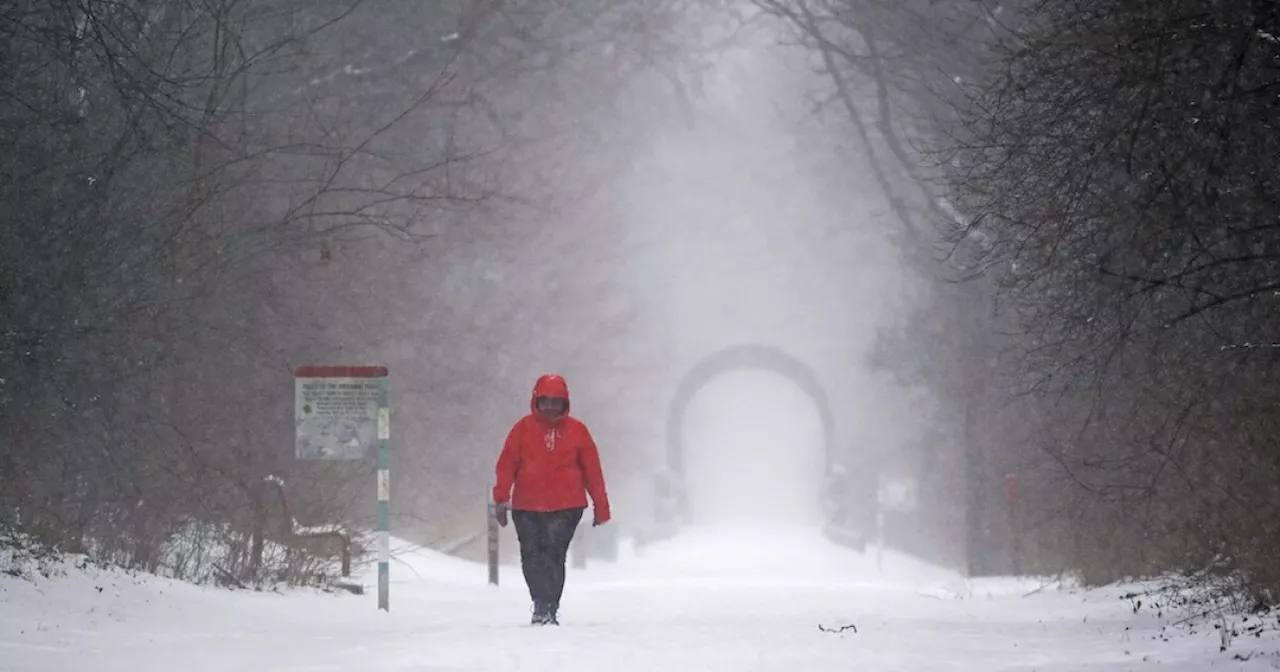 Winter Storm Safety Tips from Local Fire DepartmentsLocal fire departments are urging Hoosiers to stay safe ahead of a winter storm on Sunday by providing essential safety tips.
Read more »
 ALEA Provides Safety Tips for Winter Weather in AlabamaThe Alabama Law Enforcement Agency (ALEA) is urging drivers to prioritize safety on the roads during an upcoming Arctic blast bringing below-freezing temperatures to the state.
Read more »
 Winter Weather Safety Tips for Cars and HomesExperts advise on precautions to take during freezing temperatures, emphasizing the importance of emergency kits for vehicles, safe use of space heaters, and checking tire conditions. The article highlights potential hazards like icy roads, delayed emergency response times, and fire risks associated with improper space heater usage.
Read more »
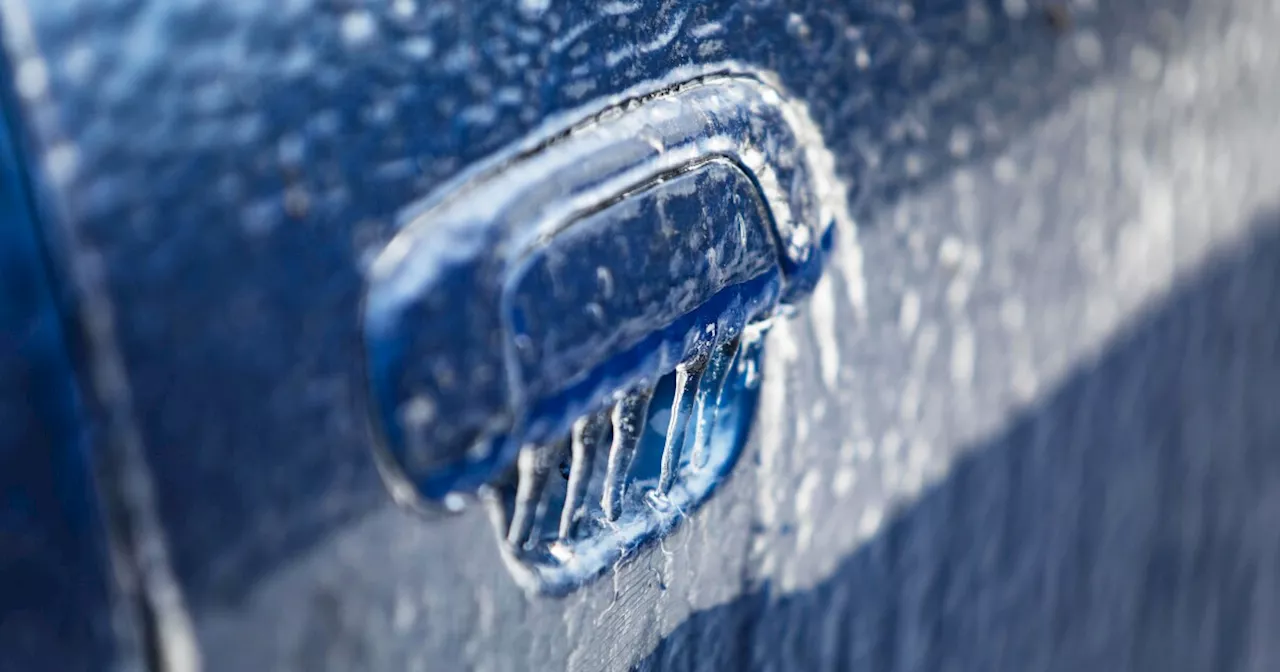 Winter Weather Safety Tips for Drivers in Central TexasAndrew West, an adviser at Tech One Automotive, shares essential car maintenance tips for winter driving in Central Texas. He emphasizes the importance of checking tire pressure, coolant levels, and battery health. West also advises drivers to be cautious on icy roads, avoid bridges and overpasses, and treat dark traffic signals as all-way stops. He recommends carrying a bottle of water and a blanket in case of emergencies.
Read more »
Winter Weather Safety Tips for PetsThis article provides essential safety tips for pet owners during winter storms and extreme cold in Texas. It highlights the vulnerability of pets to cold weather, emphasizing the importance of providing adequate shelter, checking vehicles for stowaway animals, and being aware of potential hazards like road chemicals.
Read more »
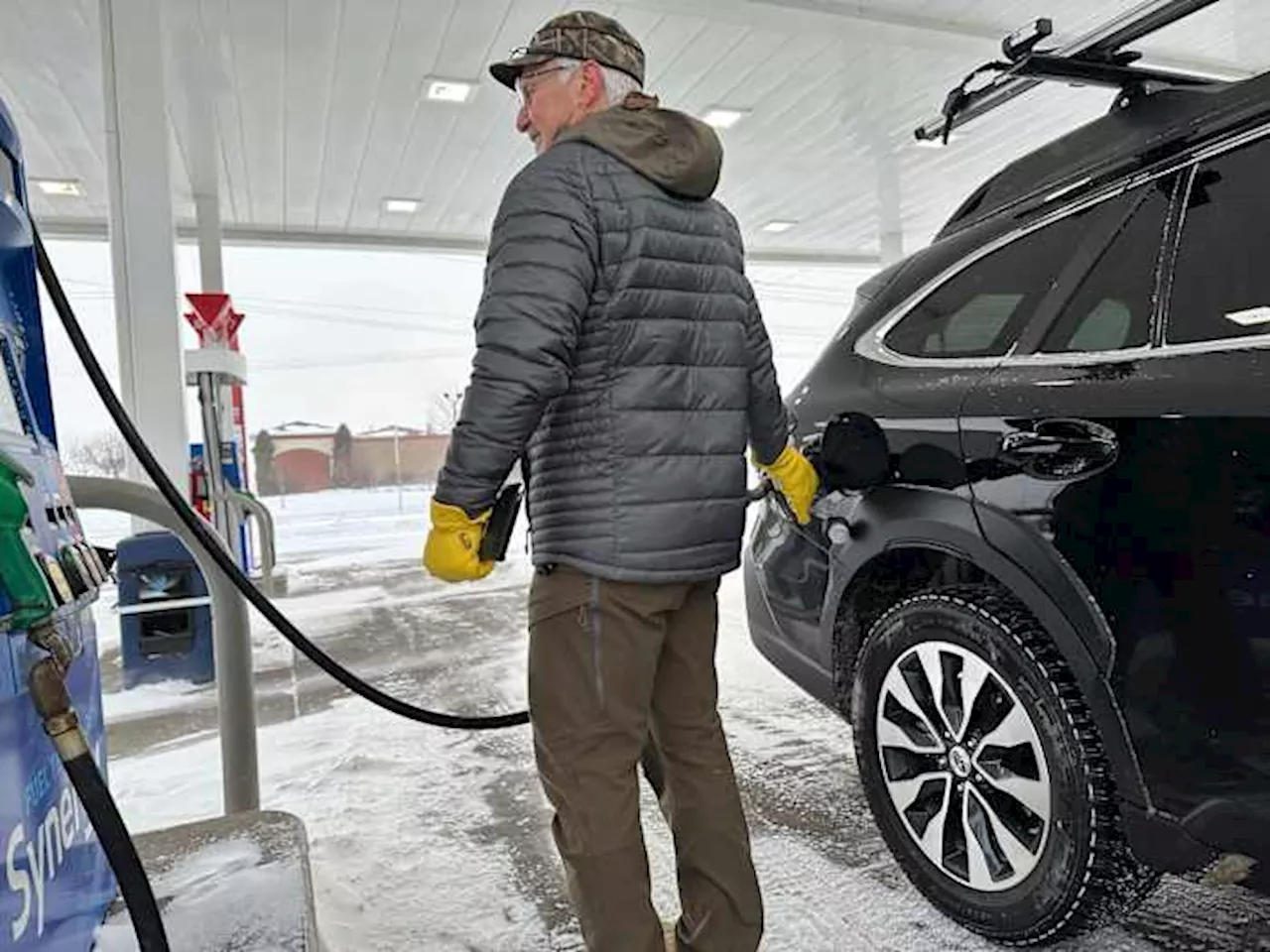 Texas Prepares for Arctic Blast: DPS Offers Safety Tips for Winter WeatherThe Texas Department of Public Safety (DPS) advises residents on safety precautions for an upcoming Arctic blast, emphasizing the importance of planning ahead, checking road conditions, and adjusting driving habits. Meteorologists warn of a high-risk zone in northeast Houston, while safety tips for vehicles, roads, and homes are provided.
Read more »