
An international team of astronomers have used the NASA/ESA/CSA James Webb Space Telescope to find evidence for an ongoing merger of two galaxies and their massive black holes when the universe was only 740 million years old.
Webb detects most distant black hole merger to date retrieved 16 May 2024 from https://phys.org/news/2024-05-webb-distant-black-hole-merger.html This document is subject to copyright. Apart from any fair dealing for the purpose of private study or research, no part may be reproduced without the written permission.
The content is provided for information purposes only.Use this form if you have come across a typo, inaccuracy or would like to send an edit request for the content on this page. For general inquiries, please use ourThank you for taking time to provide your feedback to the editors. Your feedback is important to us. However, we do not guarantee individual replies due to the high volume of messages.to let the recipient know who sent the email. Neither your address nor the recipient's address will be used for any other purpose. The information you enter will appear in your e-mail message and is not retained by Phys.org in any form.Get weekly and/or daily updates delivered to your inbox. You can unsubscribe at any time and we'll never share your details to third parties.
Physics News Science News Technology News Physics Materials Nanotech Technology Science
United States Latest News, United States Headlines
Similar News:You can also read news stories similar to this one that we have collected from other news sources.
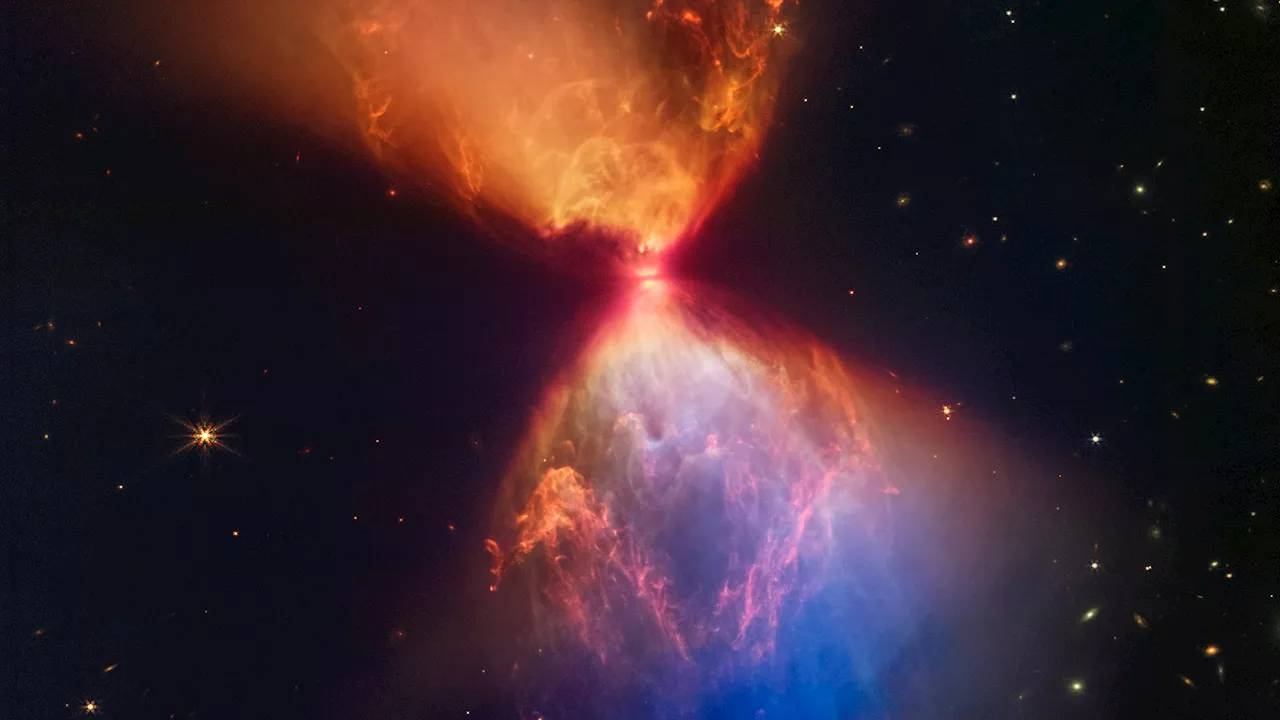 Plunge into an immersive IMAX movie featuring the James Webb Space TelescopeLaura is a science news writer, covering a wide variety of subjects, but she is particularly fascinated by all things aquatic, paleontology, nanotechnology, and exploring how science influences daily life. Laura is a proud former resident of the New Jersey shore, a competitive swimmer, and a fierce defender of the Oxford comma.
Read more »
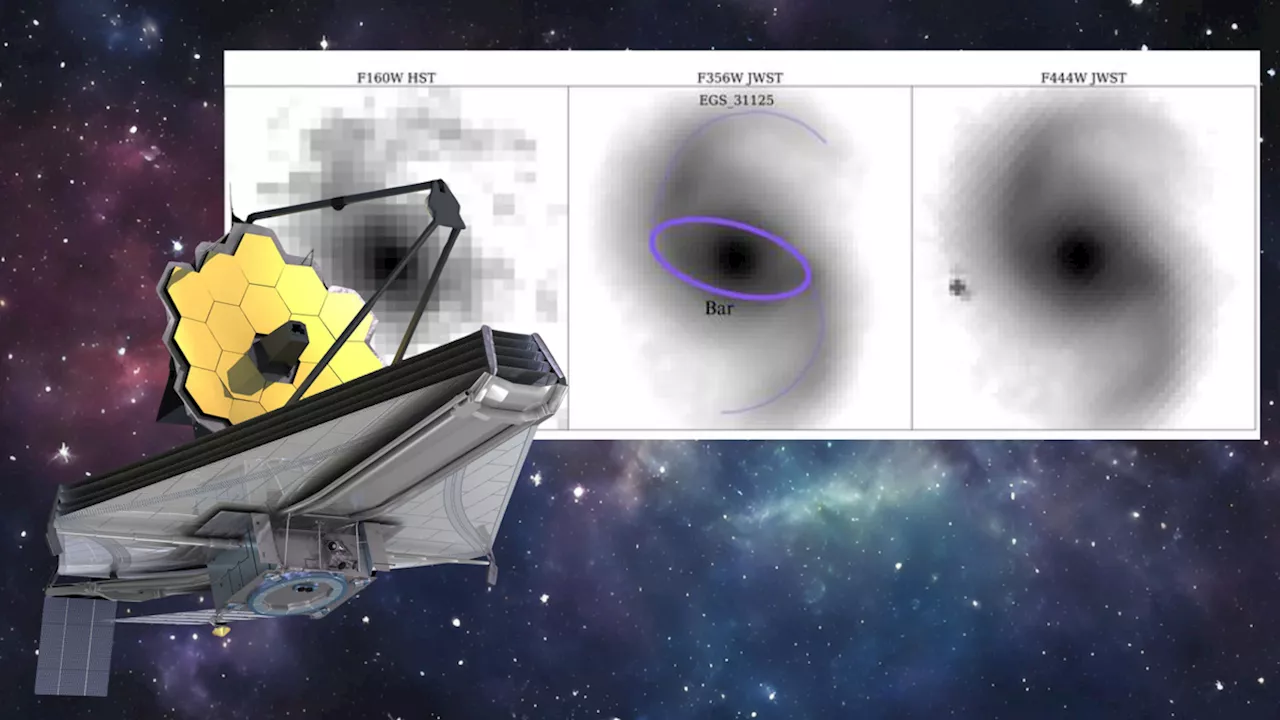 James Webb Space Telescope discovers some early universe galaxies grew up surprisingly fastRobert Lea is a science journalist in the U.K. whose articles have been published in Physics World, New Scientist, Astronomy Magazine, All About Space, Newsweek and ZME Science. He also writes about science communication for Elsevier and the European Journal of Physics. Rob holds a bachelor of science degree in physics and astronomy from the U.K.
Read more »
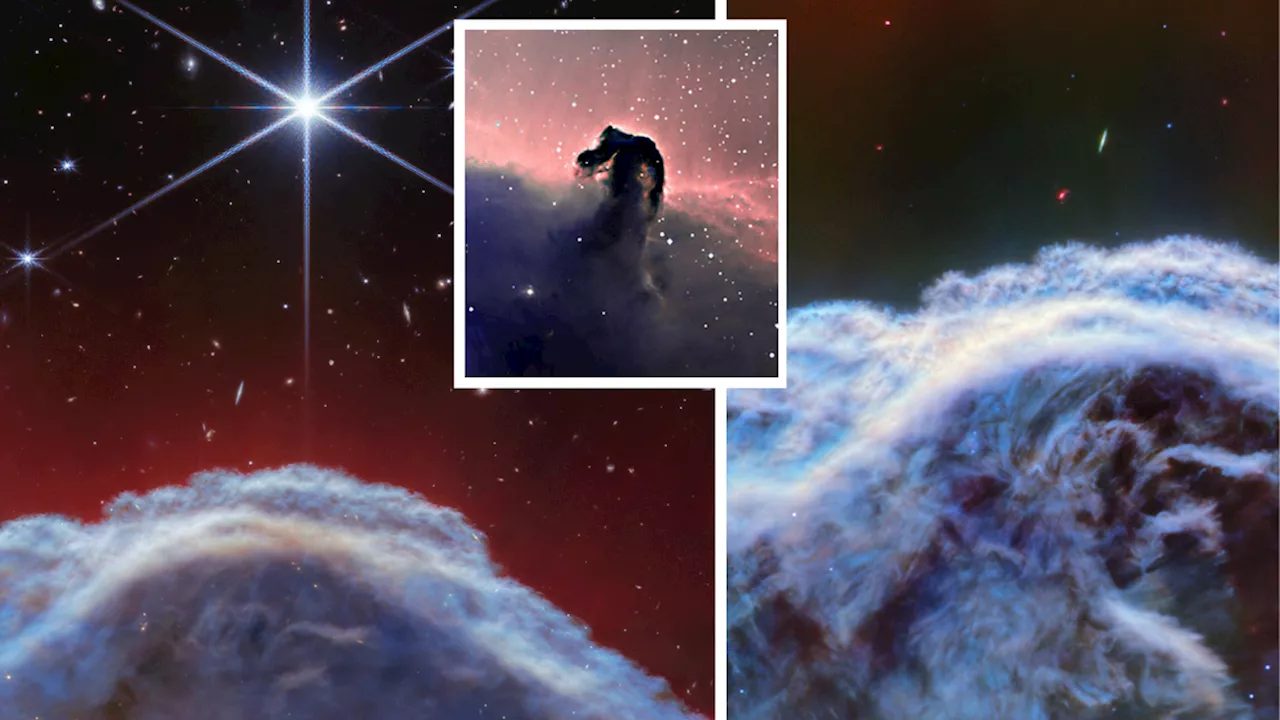 Horsehead Nebula rears its head in gorgeous new James Webb Space Telescope images (video)Robert Lea is a science journalist in the U.K. whose articles have been published in Physics World, New Scientist, Astronomy Magazine, All About Space, Newsweek and ZME Science. He also writes about science communication for Elsevier and the European Journal of Physics. Rob holds a bachelor of science degree in physics and astronomy from the U.K.
Read more »
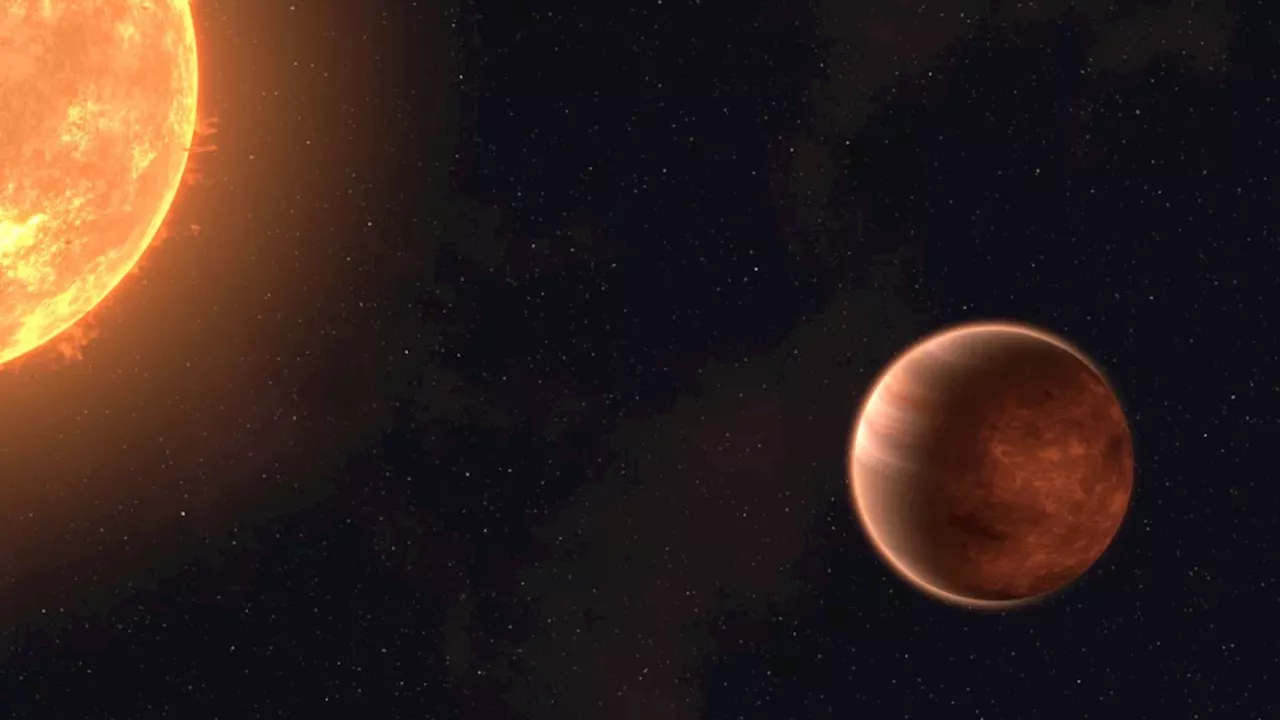 James Webb Space Telescope forecasts clouds of melted rock on this blisteringly hot exoplanetRobert Lea is a science journalist in the U.K. whose articles have been published in Physics World, New Scientist, Astronomy Magazine, All About Space, Newsweek and ZME Science. He also writes about science communication for Elsevier and the European Journal of Physics. Rob holds a bachelor of science degree in physics and astronomy from the U.K.
Read more »
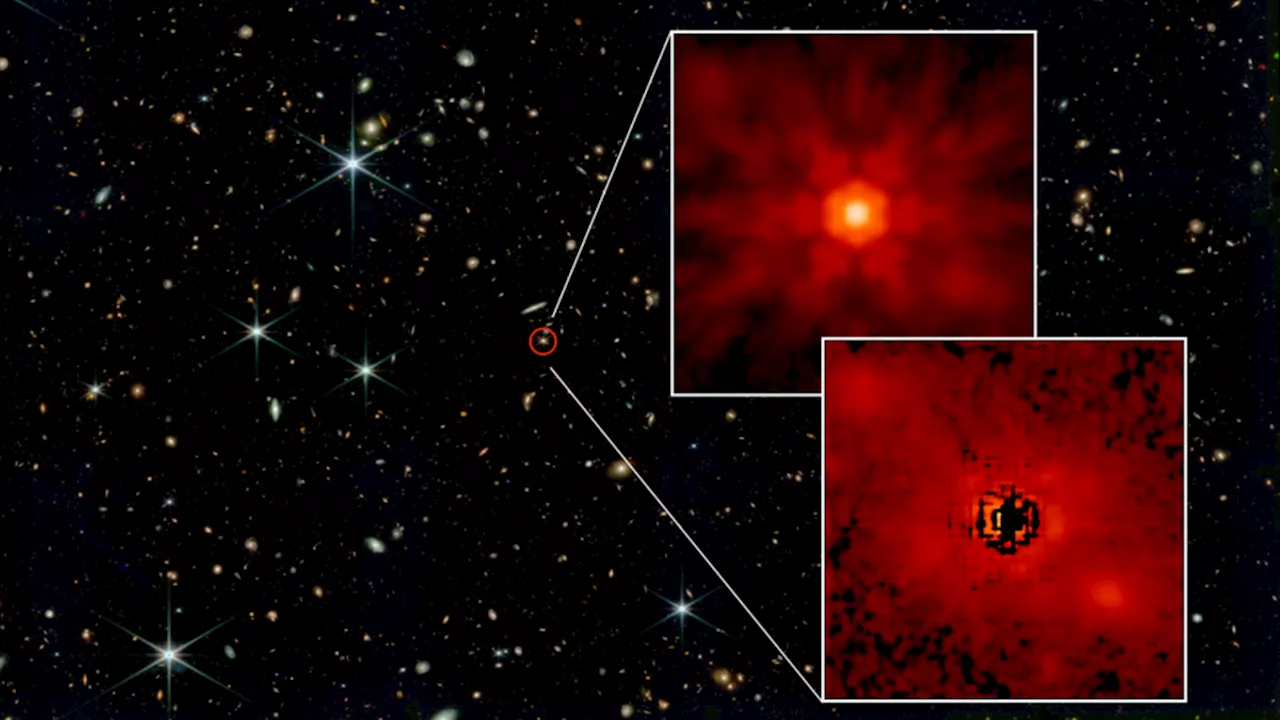 James Webb Space Telescope suggests supermassive black holes grew from heavy cosmic 'seeds'Robert Lea is a science journalist in the U.K. whose articles have been published in Physics World, New Scientist, Astronomy Magazine, All About Space, Newsweek and ZME Science. He also writes about science communication for Elsevier and the European Journal of Physics. Rob holds a bachelor of science degree in physics and astronomy from the U.K.
Read more »
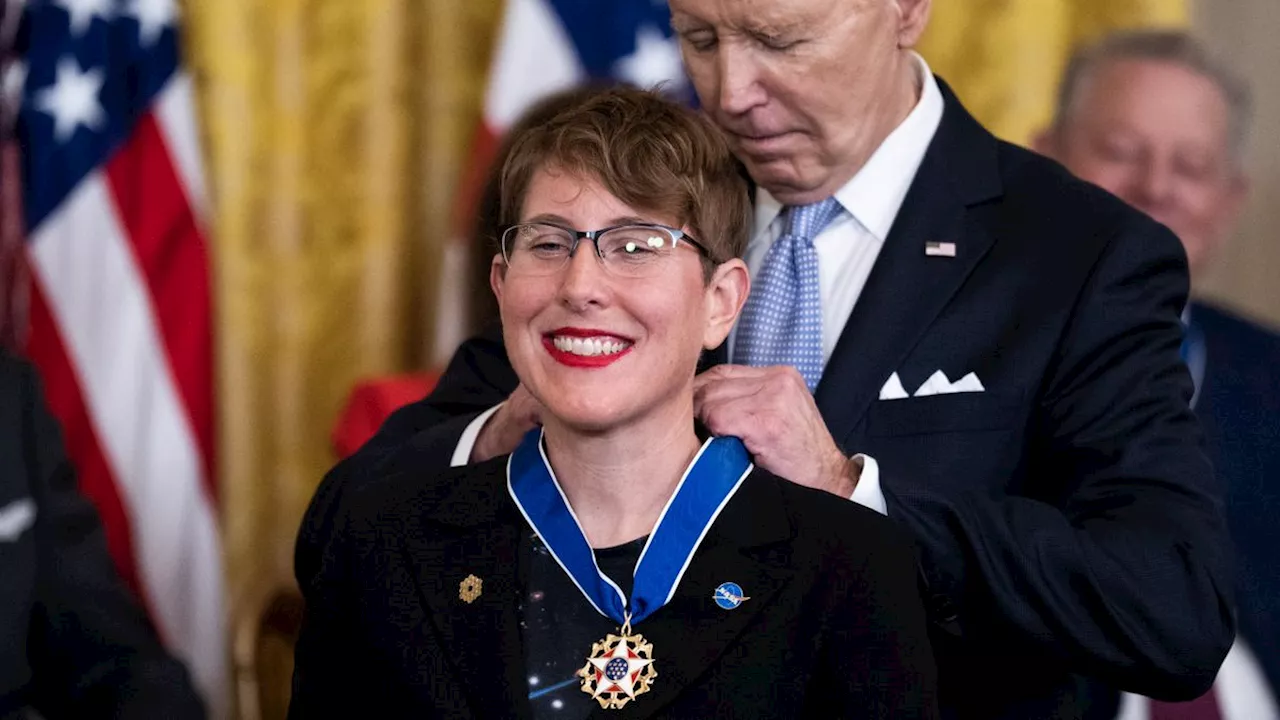 James Webb Space Telescope chief scientist Jane Rigby receives highest US civilian awardMonisha Ravisetti is Space.com's Astronomy Editor. She covers black holes, star explosions, gravitational waves, exoplanet discoveries and other enigmas hidden across the fabric of space and time. Previously, she was a science writer at CNET, and before that, reported for The Academic Times.
Read more »