


Velocity training is the rage in baseball from the youth levels up through the majors. Players go through specialized programs – often using series of progressively weighted baseballs – in the hopes of speeding up their bodies and arms, pushing them to the limits of what might be possible for their age and ability.
FILE - Seattle Mariners relief pitcher Tayler Saucedo uses a weighted ball to warm up in the bullpen before a spring training baseball game against the Kansas City Royals, March 6, 2024, in Surprise, Ariz.
Velocity training is the rage in baseball from the youth levels up through the majors. Players go through specialized programs – often using series of progressively weighted baseballs – in the hopes of speeding up their bodies and arms, pushing them to the limits of what might be possible for their age and ability. FILE - Kansas City Royals pitcher Evan Sisk throws a weighted ball against the bullpen wall to warm up during a spring training baseball game against the Seattle Mariners, March 6, 2024, in Surprise, Ariz. Velocity training is the rage in baseball from the youth levels up through the majors. Players go through specialized programs – often using series of progressively weighted baseballs – in the hopes of speeding up their bodies and arms, pushing them to the limits of what might be possible for their age and ability. FILE - San Diego Padres pitcher Matt Festa warms up with a weighted ball during spring training baseball workouts Feb. 18, 2024, in Peoria, Ariz. Velocity training is the rage in baseball from the youth levels up through the majors. Players go through specialized programs – often using series of progressively weighted baseballs – in the hopes of speeding up their bodies and arms, pushing them to the limits of what might be possible for their age and ability. FILE - San Diego Padres starting pitcher Joe Musgrove throws a weighted ball against a pad to warm up during spring training baseball workouts Feb. 18, 2024, in Peoria, Ariz. Velocity training is the rage in baseball from the youth levels up through the majors. Players go through specialized programs – often using series of progressively weighted baseballs – in the hopes of speeding up their bodies and arms, pushing them to the limits of what might be possible for their age and ability. FILE - A member of the Oakland Athletics warms up with a weighted ball in the bullpen before a spring training baseball game against the Kansas City Royals, March 1, 2024, in Surprise, Ariz. Velocity training is the rage in baseball from the youth levels up through the majors. Players go through specialized programs – often using series of progressively weighted baseballs – in the hopes of speeding up their bodies and arms, pushing them to the limits of what might be possible for their age and ability. Seattle Mariners pitcher Logan Gilbert warms up with a weighted ball before a baseball game against the Minnesota Twins, Sunday, June 30, 2024, in Seattle. Velocity training is the rage in baseball from the youth levels up through the majors. Players go through specialized programs – often using series of progressively weighted baseballs – in the hopes of speeding up their bodies and arms, pushing them to the limits of what might be possible for their age and ability. Seattle Mariners pitcher Logan Gilbert warms up with a weighted ball before a baseball game against the Minnesota Twins, Sunday, June 30, 2024, in Seattle. Velocity training is the rage in baseball from the youth levels up through the majors. Players go through specialized programs – often using series of progressively weighted baseballs – in the hopes of speeding up their bodies and arms, pushing them to the limits of what might be possible for their age and ability. FILE - Detroit Tigers pitcher Justin Verlander throws during a spring training baseball workout Feb. 15, 2017, in Lakeland, Fla. Long before he became a three-time Cy Young Award winner, Verlander was a high schooler who could not consistently muster the arm strength needed to get drafted. So he went to college, took the time he required to mature as a pitcher via traditional training methods, and eventually developed an arm that pushed him from prospect into major leaguer and ultimately an ace. Velocity training is the rage in baseball from the youth levels up through the majors. Players go through specialized programs – often using series of progressively weighted baseballs – in the hopes of speeding up their bodies and arms, pushing them to the limits of what might be possible for their age and ability. Velocity training is the rage in baseball from the youth levels up through the majors. Players go through specialized programs – often using series of progressively weighted baseballs – in the hopes of speeding up their bodies and arms, pushing them to the limits of what might be possible for their age and ability. FILE - Kansas City Royals pitcher Evan Sisk throws a weighted ball against the bullpen wall to warm up during a spring training baseball game against the Seattle Mariners, March 6, 2024, in Surprise, Ariz. Velocity training is the rage in baseball from the youth levels up through the majors. Players go through specialized programs – often using series of progressively weighted baseballs – in the hopes of speeding up their bodies and arms, pushing them to the limits of what might be possible for their age and ability. FILE - Kansas City Royals pitcher Evan Sisk throws a weighted ball against the bullpen wall to warm up during a spring training baseball game against the Seattle Mariners, March 6, 2024, in Surprise, Ariz. Velocity training is the rage in baseball from the youth levels up through the majors. Players go through specialized programs – often using series of progressively weighted baseballs – in the hopes of speeding up their bodies and arms, pushing them to the limits of what might be possible for their age and ability. FILE - San Diego Padres pitcher Matt Festa warms up with a weighted ball during spring training baseball workouts Feb. 18, 2024, in Peoria, Ariz. Velocity training is the rage in baseball from the youth levels up through the majors. Players go through specialized programs – often using series of progressively weighted baseballs – in the hopes of speeding up their bodies and arms, pushing them to the limits of what might be possible for their age and ability. FILE - San Diego Padres pitcher Matt Festa warms up with a weighted ball during spring training baseball workouts Feb. 18, 2024, in Peoria, Ariz. Velocity training is the rage in baseball from the youth levels up through the majors. Players go through specialized programs – often using series of progressively weighted baseballs – in the hopes of speeding up their bodies and arms, pushing them to the limits of what might be possible for their age and ability. FILE - San Diego Padres starting pitcher Joe Musgrove throws a weighted ball against a pad to warm up during spring training baseball workouts Feb. 18, 2024, in Peoria, Ariz. Velocity training is the rage in baseball from the youth levels up through the majors. Players go through specialized programs – often using series of progressively weighted baseballs – in the hopes of speeding up their bodies and arms, pushing them to the limits of what might be possible for their age and ability. FILE - San Diego Padres starting pitcher Joe Musgrove throws a weighted ball against a pad to warm up during spring training baseball workouts Feb. 18, 2024, in Peoria, Ariz. Velocity training is the rage in baseball from the youth levels up through the majors. Players go through specialized programs – often using series of progressively weighted baseballs – in the hopes of speeding up their bodies and arms, pushing them to the limits of what might be possible for their age and ability. FILE - A member of the Oakland Athletics warms up with a weighted ball in the bullpen before a spring training baseball game against the Kansas City Royals, March 1, 2024, in Surprise, Ariz. Velocity training is the rage in baseball from the youth levels up through the majors. Players go through specialized programs – often using series of progressively weighted baseballs – in the hopes of speeding up their bodies and arms, pushing them to the limits of what might be possible for their age and ability. FILE - A member of the Oakland Athletics warms up with a weighted ball in the bullpen before a spring training baseball game against the Kansas City Royals, March 1, 2024, in Surprise, Ariz. Velocity training is the rage in baseball from the youth levels up through the majors. Players go through specialized programs – often using series of progressively weighted baseballs – in the hopes of speeding up their bodies and arms, pushing them to the limits of what might be possible for their age and ability. Seattle Mariners pitcher Logan Gilbert warms up with a weighted ball before a baseball game against the Minnesota Twins, Sunday, June 30, 2024, in Seattle. Velocity training is the rage in baseball from the youth levels up through the majors. Players go through specialized programs – often using series of progressively weighted baseballs – in the hopes of speeding up their bodies and arms, pushing them to the limits of what might be possible for their age and ability. Seattle Mariners pitcher Logan Gilbert warms up with a weighted ball before a baseball game against the Minnesota Twins, Sunday, June 30, 2024, in Seattle. Velocity training is the rage in baseball from the youth levels up through the majors. Players go through specialized programs – often using series of progressively weighted baseballs – in the hopes of speeding up their bodies and arms, pushing them to the limits of what might be possible for their age and ability. Seattle Mariners pitcher Logan Gilbert warms up with a weighted ball before a baseball game against the Minnesota Twins, Sunday, June 30, 2024, in Seattle. Velocity training is the rage in baseball from the youth levels up through the majors. Players go through specialized programs – often using series of progressively weighted baseballs – in the hopes of speeding up their bodies and arms, pushing them to the limits of what might be possible for their age and ability. Seattle Mariners pitcher Logan Gilbert warms up with a weighted ball before a baseball game against the Minnesota Twins, Sunday, June 30, 2024, in Seattle. Velocity training is the rage in baseball from the youth levels up through the majors. Players go through specialized programs – often using series of progressively weighted baseballs – in the hopes of speeding up their bodies and arms, pushing them to the limits of what might be possible for their age and ability. FILE - Detroit Tigers pitcher Justin Verlander throws during a spring training baseball workout Feb. 15, 2017, in Lakeland, Fla. Long before he became a three-time Cy Young Award winner, Verlander was a high schooler who could not consistently muster the arm strength needed to get drafted. So he went to college, took the time he required to mature as a pitcher via traditional training methods, and eventually developed an arm that pushed him from prospect into major leaguer and ultimately an ace. FILE - Detroit Tigers pitcher Justin Verlander throws during a spring training baseball workout Feb. 15, 2017, in Lakeland, Fla. Long before he became a three-time Cy Young Award winner, Verlander was a high schooler who could not consistently muster the arm strength needed to get drafted. So he went to college, took the time he required to mature as a pitcher via traditional training methods, and eventually developed an arm that pushed him from prospect into major leaguer and ultimately an ace. Long before he became a three-time Cy Young Award winner, he was a high schooler who couldn’t consistently muster the arm strength needed to get drafted. So he went to college, took the time he required to mature as a pitcher via traditional training methods, and eventually developed an arm that pushed him from prospect into major leaguer and ultimately an ace. With today’s sophisticated training methods creating opportunities — and pressure — for young pitchers to reach exceptional velocities as early as possible, Verlander may never have gotten that time to evolve into one of the top pitchers in his generation. “I am not envious of parents of young pitchers in baseball right now,” he said. “If I had a kid in baseball, it’d be a very, very difficult decision to make. Where do I find the right help? How do I get them to the right place? How do I let them grow? Like, he’s obviously got talent. “These are questions I would ask myself, and I don’t have the answers, and here I am at the highest level. I mean, my family didn’t have a baseball background at all, like, what the hell would they do? No idea.”Cal Raleigh homers from each side of the plate for the 2nd time in 3 days, Mariners rout Angels 11-0 Velocity training is the rage in baseball from the youth levels up through the majors. Players go through specialized programs — often using series of progressively weighted baseballs — in the hopes of speeding up their bodies and arms, pushing them to the limits of what might be possible for their age and ability.. They draw attention. Their arms can do incredible things. But frequently, their ligaments cannot. Dr. Gary Waslewski, who works with the Arizona Diamondbacks,in April. The names of major leaguers shut down in the last 12 months by arm problems could fill out an All-Star roster:are just some of the names of top pitchers who have undergone major elbow procedures. Forget about staying durable and winning 300 games. Even The concern at the major league level is real. The bigger worry could be what’s taking place with younger ages, where teenagers are undergoing the same surgeries as major leaguers at an alarming rate. There’s no hard data,, more of the pitching attributes that scouts and recruiters are seeking at a younger age where life-altering money – either through NIL deals in college or a pro baseball contract — is at stake.Move up through the minors — throw hard.“Now when you go into high school ballparks, it’s amazing how many kids are throwing 97, 98 ,” Seattle Mariners senior director of amateur scouting Scott Hunter said. The idea of developing arm strength slowly and seeing those increases in pitch speed simply by playing long-toss and throwing bullpens is now antiquated in the context of today’s advances in information and training. How much that velocity training is playing a role in what’s happening with injuries is one of the great unknowns in baseball right now. Verlander imagines the uncertainty is maddening for families. “All of a sudden as a parent your kid goes and optimizes themselves and blows out, you feel like, ‘well, I that up.’ Did you? You make the best decision you possibly could. I don’t know man. This is what I mean, it’s just a bad cycle and if we don’t rewind it quickly it’s going to be even worse than it is now by tenfold,” Verlander said.Elite pitchers with professional aspirations have mostly embraced velocity training as the best path to fulfill their dreams. Many are undeterred by injury concerns. The AP surveyed 25 top major league draft pitching prospects during the combine in June in Phoenix about their use of advanced training methods. Seventeen of the 25 said they had done some type of weighted-ball training in the hopes of increasing their velocity. Three said they had started the training at 12 years old, while more than half said they started between the ages of 16 and 18. Perhaps most notable in the survey was the overall lack of anxiety about arm injuries. Asked to rate their concern on a 1-10 scale, no one rated their worry higher than a five, with 14 rating it a zero or a one. With, the incentives are clear, even for pitchers aware of the risks: throw hard first, and worry about potential injuries later. “I didn’t throw hard when I was younger,” said LSU lefty Justin Loer, who rated his concern a four. “That’s where that comes from, so I’m a little worried now that I’m throwing harder.”sits in a non-descript office park about 20 miles south of downtown Seattle that from the outside masks the baseball laboratory major leaguers have flocked to for training. Need a boost on your velo? Go to Driveline. Need more spin? Go to Driveline. Reshape your slider? Go to Driveline.without need for explanation. They were one of the first training facilities to throw together biomechanics, weighted ball training and technology into a mixing bowl and emerge with an improved pitcher, often with increased velocity or increased spin rate. While Verlander developed by facing hitters and adjusting as he went, today’s pitchers can train in a lab, emerge with incredible stuff and figure out how to make it work in games when they get there.“The pure velo gains, the pure stuff all over the country is getting so loud,” Hunter said. “I don’t know if it’s theor just the way people are training these days with private facilities and kids getting bigger and stronger and learning how to throw hard at an earlier age.” While Driveline and similar facilities have faced their share of criticism, they’ve also demystified what makes good players good. And for pitchers it’s goes back to velocity and spin rate, which comes from arm speed. Teams know it. Teams search for it. And that’s why Driveline and similar facilities are unlikely to stop pushing athletes to pursue those things. “I do think that data inherently has an ability to bring equity to things because it provides an unbiased source of clarity about where you are and what you need,” said Deven Morgan, Driveline’s director of youth baseball. “And that is a big lever to throw, especially if you consider like the parents dilemma in 2024 where you have a kid that wants to be good, you want them to be good and you have no idea what the path is, and these ideas of bat speed and exit velocity, throwing velocity either feel threatening or mystical.”Of course, kids want to throw hard. It’s part of the fun, the aura of playing baseball. But the cost could be adding up even as videos of kids pitching in showcase events trying to max out their velocity flood social media. Verlander reflected on his path. He started to show some flashes of talent around 10, but at that time the path toward success was traditional and straight forward for his family to navigate. “I started showing some real talent. I was clearly better than most of the kids around me, or just had a natural ability,” Verlander said. “Nowadays, what do do? They probably send me to one of those camps.” Verlander knows the current direction of pitching isn’t going to change before his career ends. He believes if starting pitching is incentivized at the major league level — the idea of pitchers working through trouble and going through a batting order more than just twice — that there can be another trickle-down where pitching at max effort for max velocity becomes less emphasized. “I’ve heard Rob Manfred say out of his mouth, we need to bring the starting pitcher back. How you put that genie back in the bottle is a tougher question,” Verlander said. “I think we need to put a lot of heads together and come up with a way. And it’s probably not going to be perfect at first, but you reverse the trickle down.”
Justin Verlander Seattle TX State Wire WA State Wire MLB Sports Matt Brash Shane Bieber MLB Baseball Spencer Strider Eury Perez Arizona Diamondbacks Cristian Javier Shane Mcclanahan Seattle Mariners
United States Latest News, United States Headlines
Similar News:You can also read news stories similar to this one that we have collected from other news sources.
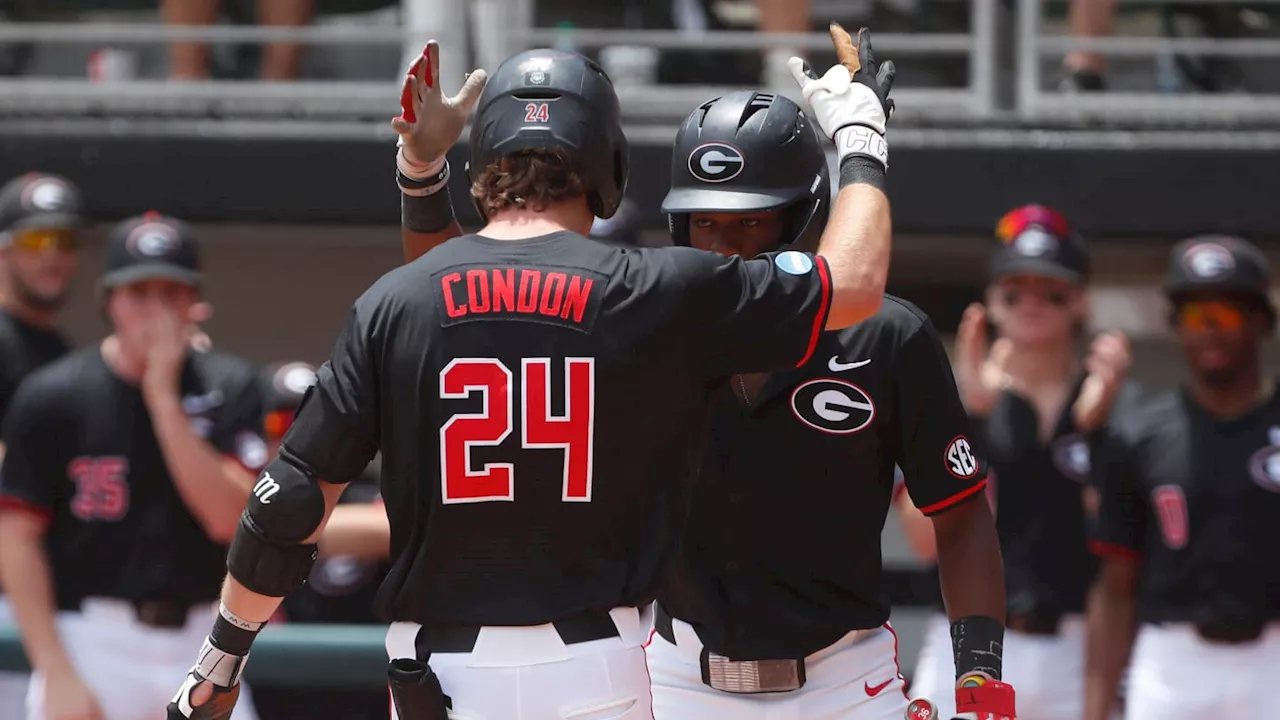 Georgia Baseball's Charlie Condon Awarded Player of the Year for College BaseballGeorgia baseball star Charlie Condon has been named College Baseball's player of the year by Perfect Game.
Read more »
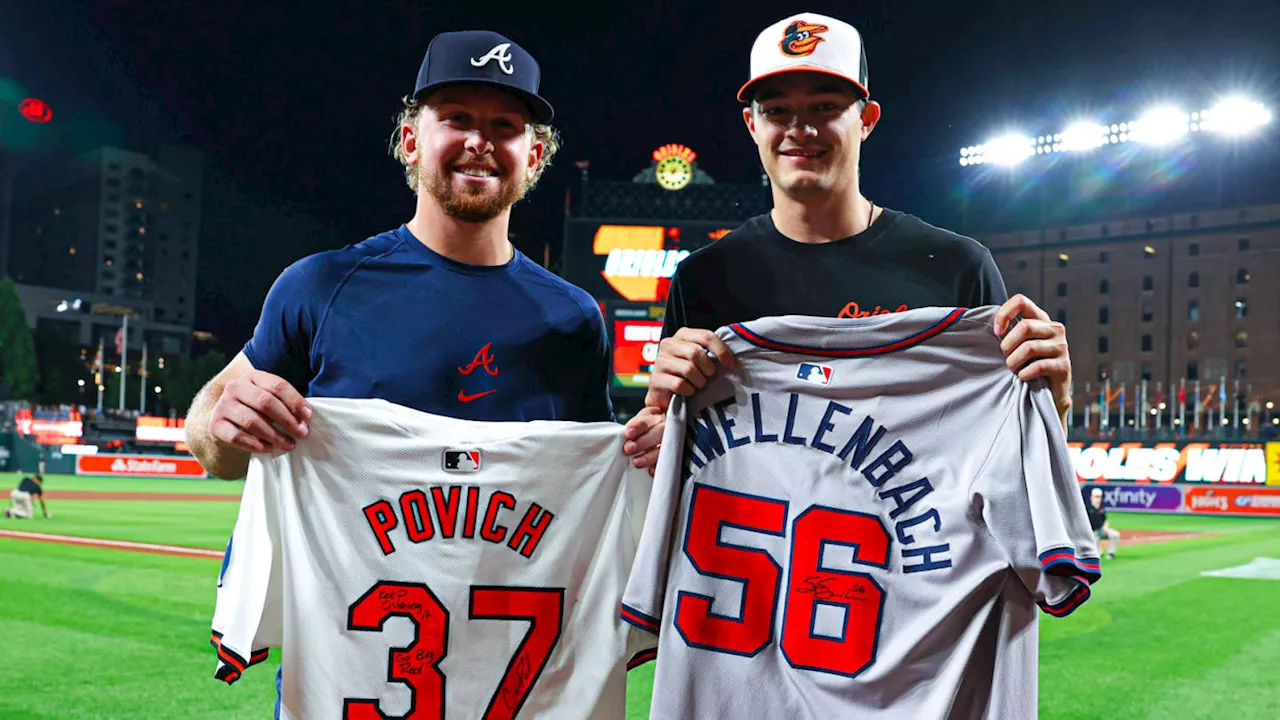 Nebraska Baseball's Cade Povich, Spencer Schwellenbach Duel in Major League BaseballFormer Nebraska baseball players Cade Povich and Spencer Schwellenbach dueled as Major League Baseball pitchers for the Baltimore Orioles and Atlanta Braves.
Read more »
 Willie Mays inspired generations of baseball players and fansWe will never forget this true Giant on and off the field.
Read more »
Eight Georgia Tech Baseball Players Earn All-ACC Academic TeamGeorgia Tech baseball earned eight selections to the Atlantic Coast Conference’s 2024 All-ACC Academic Team, the league announced Friday. Requirements for sele
Read more »
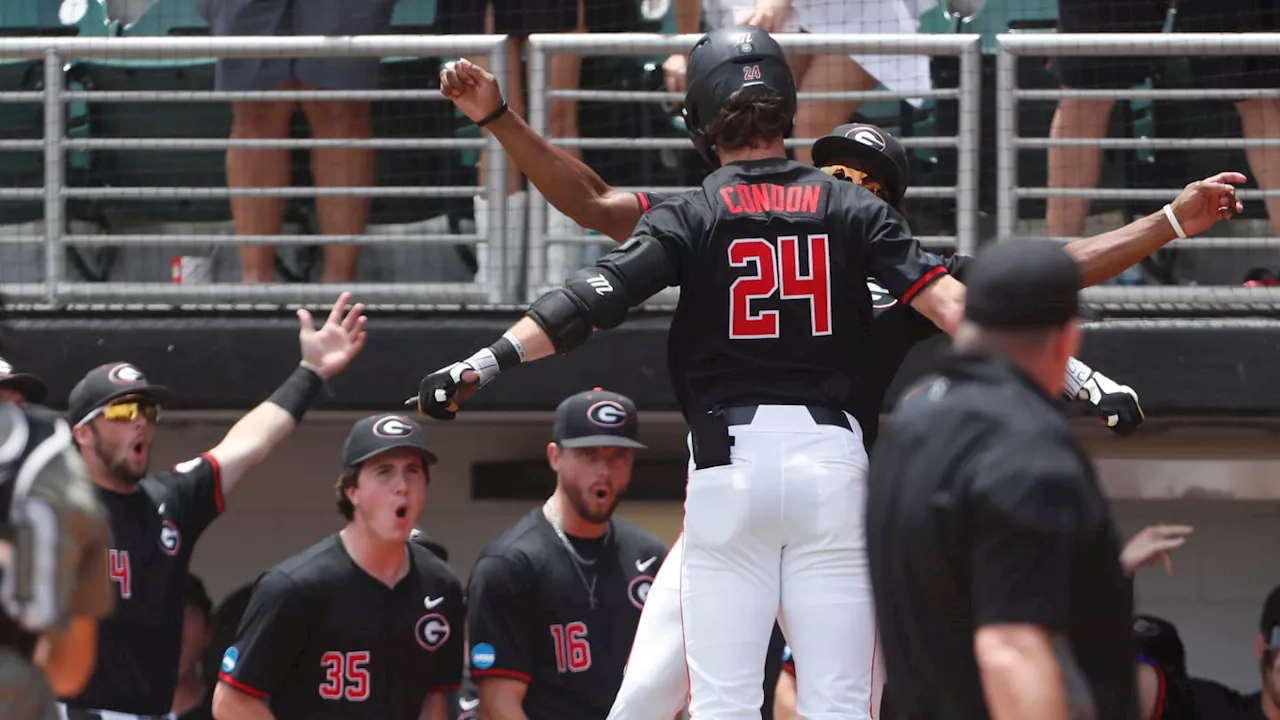 Georgia Baseball's Charlie Condon Wins College Baseball's Golden Spikes AwardGeorgia baseball's Charlie Condon wins college baseball's Golden Spikes Award granted to the top amateur baseball player in the nation.
Read more »
 Ten Boston College Baseball Players Make All-ACC Academic TeamTen Eagles earned a spot on the All-ACC Academic Team this year.
Read more »