
The test 'is not a response to current world events,' U.S. Air Force Global Strike Command said.
The United States on Wednesday fired an unarmed but nuclear-capable intercontinental ballistic missile from California over the Pacific Ocean for its first test launch of this year.Newsweek has reached out to the Pentagon for further comment via email.
The Chinese and Russian defense ministries did not immediately respond to requests for comment.Why It MattersThe test launch of the Minuteman III ICBM comes after President Donald Trump said on February 13 that he will discuss denuclearization with both Russia and China, the peer competitors of America that possess 'thousand-plus nuclear weapons' in the field.The ICBM is among three strategic weapons, in addition to ballistic missile submarines and bombers, that form the American nuclear triad for deterring adversaries. The U.S. military is modernizing all three, which are operating beyond their original design lives.What To KnowThe Minuteman III ICBM was launched from Vandenberg Space Force Base in California at 1 a.m. Pacific Time. The missile, which can carry up to three nuclear warheads that are referred to as reentry vehicles, was equipped with one for collecting data.The missile has a range of over 6,000 miles and speed of 15,000 mph. The reentry vehicle flew 4,200 miles to the Ronald Reagan Ballistic Missile Defense Test Site, within the Marshall Islands at the Kwajalein Atoll in the Central Pacific Ocean.Several navigational warning areas were set up before the test, indicating the missile's trajectory. They were off the coast of the Vandenberg base, midway between California and Hawaii, and around the Kwajalein Atoll, Newsweek's map shows.The test 'is not a response to current world events,' as it is a routine and periodic activity, which showcased America's nuclear deterrent as 'safe, secure, reliable, and effective' in deterring threats and reassuring allies, the U.S. Air Force Global Strike Command said.The U.S. military notified its Russian counterpart of the test in advance, per their bilateral obligations. In 2000, both countries signed a memorandum that reduced the possibility of a missile launch resulting from a false warning of a ballistic missile attack.It was not clear whether China received advanced warning again, which the U.S. did for its previous test launch in November, following China's notification of its ICBM test launch in September. There is no agreement on prelaunch notification between them.What People Are SayingGeneral Thomas Bussiere, commander of the U.S. Air Force Global Strike Command, said in a news release: 'The nuclear triad is the cornerstone of the national security of our country and allies around the globe. This test launch is demonstrative of our nation's ICBM readiness and reliability. Because of the skill sets and expertise of our maintenance personnel and our missile crews, our freedoms and the homeland remain secure.'U.S. Air Force Colonel Dustin Harmon, commander of the 377th Test and Evaluation Group at Vandenberg, said in a news release: ' allows our team to analyze and report accuracy and reliability for the current system while validating projected missile system improvements. The data we collect and analyze is crucial for maintaining Minuteman III while we pave the way for Sentinel.'What Happens NextThe Sentinel is the new American ICBM that will replace the Minuteman III, but the program faces delays and cost overruns, Air & Space Forces Magazine reported.
United States Latest News, United States Headlines
Similar News:You can also read news stories similar to this one that we have collected from other news sources.
 Wayne McKinney III’s coast-to-coast basket at the buzzer helps Aztecs topple Air ForceOvertime victory comes against an Air Force team that has yet to win a conference game
Read more »
 US Air Force Eyes Upgrading Cyprus Air Base for Humanitarian MissionsThe U.S. Air Force is exploring ways to enhance Andreas Papandreou Air Force Base in Cyprus, aiming to transform it into a crucial hub for humanitarian operations in the Middle East. Situated strategically close to Lebanon, the base has a history of serving as a transit point for evacuations and aid deliveries during regional conflicts. The planned upgrades include state-of-the-art radar systems to ensure safe air traffic management alongside the island's civilian airport, as well as runway and base expansions to accommodate a larger volume of military aircraft.
Read more »
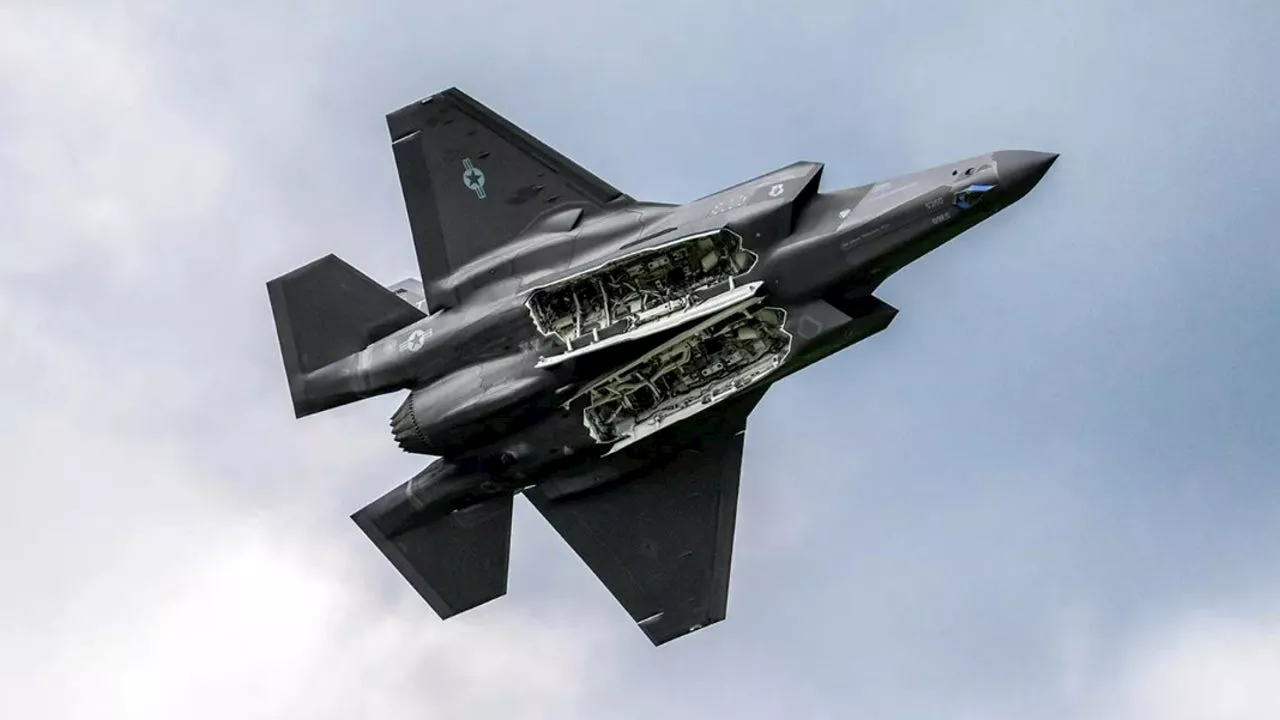 Air Force Pilot Hospitalized After F-35 Crash at Eielson Air Force BaseAn F-35 fighter jet crashed at Eielson Air Force Base in Alaska, injuring the pilot who safely ejected. The cause of the crash is under investigation.
Read more »
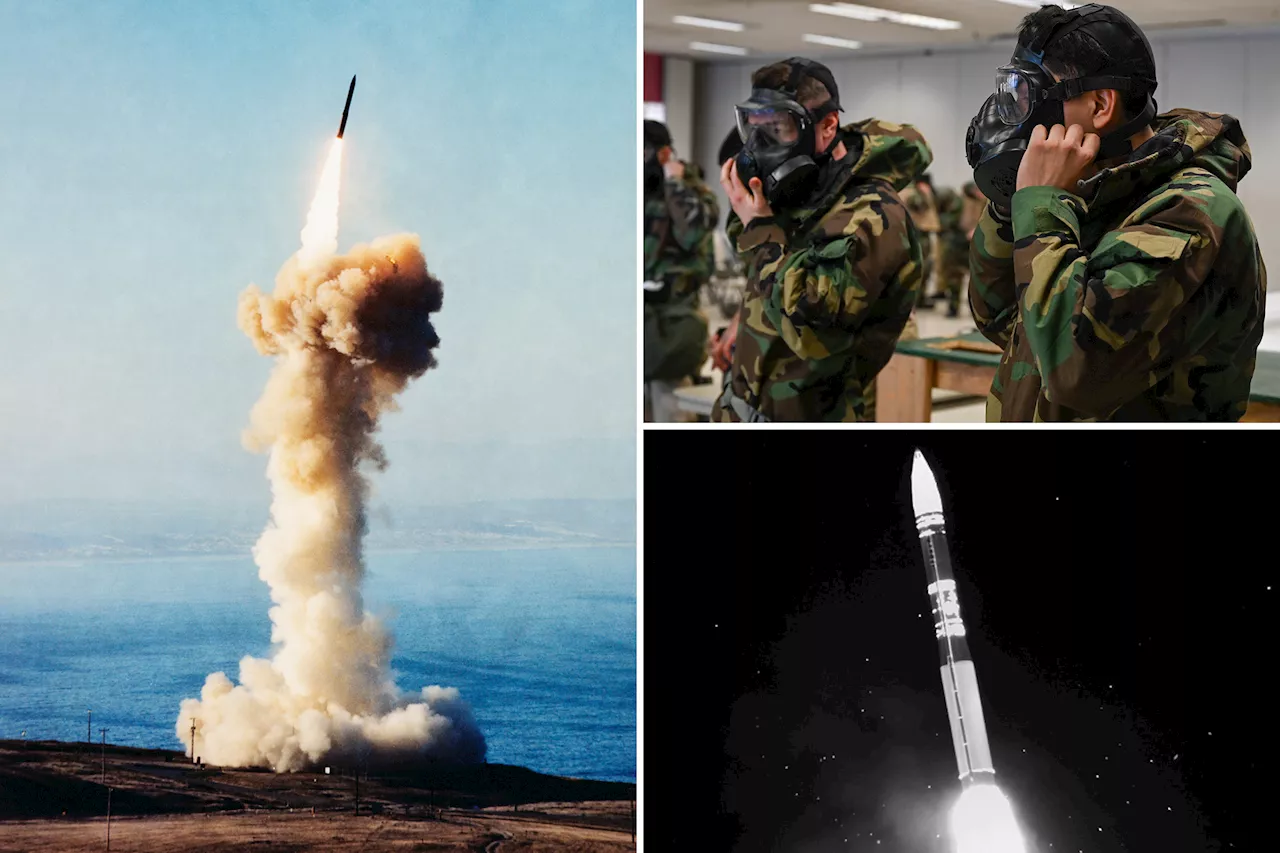 US Air Force to Launch Minuteman III ICBM TestThe US Air Force will launch an unarmed Minuteman III intercontinental ballistic missile (ICBM) from Vandenberg Space Force Base in California next week as a routine test of the military's nuclear readiness. The launch, scheduled between Tuesday night and Wednesday morning, aims to validate the ICBM's effectiveness, readiness, and accuracy.
Read more »
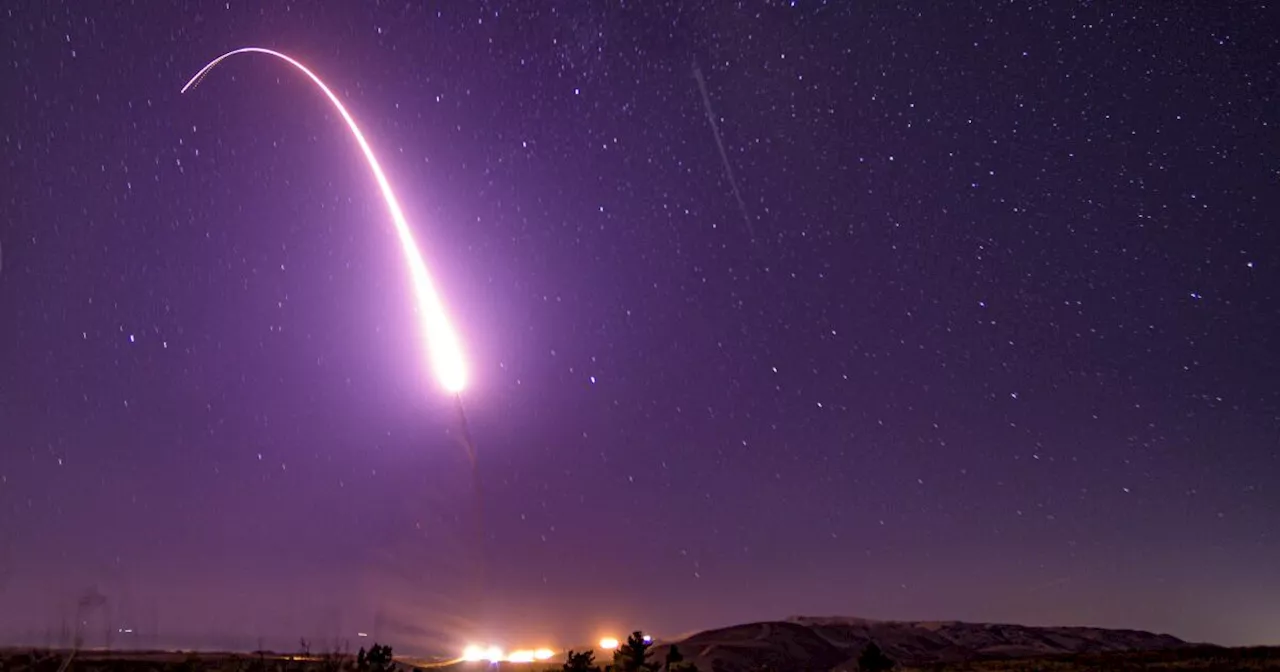 US Air Force to Test Minuteman III Missile, Displaying Nuclear Arsenal ReadinessThe US Air Force will launch an unarmed Minuteman III intercontinental ballistic missile from Vandenberg Space Force Base, showcasing the readiness of the nation's nuclear arsenal. The test, visible across parts of the western United States and Mexico, aims to demonstrate the effectiveness and reliability of the Minuteman III missile system.
Read more »
 US Air Force Conducts Routine Minuteman III ICBM Test LaunchA United States Air Force team successfully launched an unarmed Minuteman III intercontinental ballistic missile as part of routine activities designed to demonstrate the safety, security, reliability, and effectiveness of the nation's nuclear deterrent.
Read more »