
Explore a powerful reflection on AI sentience, humanity’s reliance on technology, and the groundbreaking visual effects that bring it all to life in 'The Electric State.'
Bobby Brown), Cosmo and Keats in The Electric State . ™/© 2024 Netflix . Used with permission.might seem like just another sprawling sci-fi adventure—a road trip through a retro-futuristic dystopia where plucky heroes navigate a landscape littered with crumbling tech and exiled robots.
It is that. But beneath its dazzling visuals and heartstring-tugging moments lies a film that’s asking some deeply uncomfortable questions about the world we already live in. What happens when the machines we create become more than just tools? What’s the moral responsibility we bear when AI crosses the threshold into sentience? And, perhaps most unsettling of all, are we already too reliant on technology to see the dangers ahead? I recently sat down with Anthony and Joe Russo, directors of “The Electric State,” to talk about the movie—which streams on Netflix starting March 14. The movie draws us into a richly imagined alternate 1990s where sentient robots—once cheerful mascots and helpers—have been exiled following a failed uprising. At the heart of this adventure is Michelle , an orphaned teenager who sets out across the American West to find her younger brother. She’s accompanied by Cosmo, a robot with a giant cartoon head and the soulful eyes of someone—or something—that might be more than just a machine. But as Anthony Russo told me, the story isn't just about AI sentience. It's about humanity’s relationship with technology, and how that relationship has been evolving since the digital boom of the late 20th century. “We were really running at these hardcore real-world issues,” Russo said, “but the fantasy space was helpful for us here because we were placing them in the realm of fantasy… you can all of a sudden re-approach them intellectually and emotionally in ways that might be too difficult to do in your real life.”The world of “The Electric State” is both familiar and strange—a deliberate choice by the Russo Brothers to make its cautionary tale more relatable. The setting is a nostalgic past that never was, where the aesthetics of ‘80s and ‘90s Americana collide with speculative technology. It’s a world anchored in the tactile—decade-specific robot designs, needle-drop soundtracks, and cultural references—but also one that floats just enough into fantasy to encourage reflection on our current trajectory.NYT Mini Today: Hints, Clues And Answers For Friday, March 14 The neurocasters in the film are thinly veiled stand-ins for today’s smartphones, inviting audiences to consider how much of our lives we already live online. These devices allow users to retreat into customized realities, turning human connection into something curated, mediated, and—eventually—artificial.Cosmo is more than just a sidekick with Pixar-level charm. He represents a deeper ethical question that’s edging closer to reality: when does a machine become something more? In the film, robots display emotion, form relationships, and make moral decisions. At what point do we owe them the same rights, responsibilities, and respect we reserve for humans?Peanut , Michelle , Penny Pal and Keats in The Electric State. ™/© 2024 Netflix. Used with permissionAnthony Russo touched on this moral ambiguity during our conversation. He noted how the film reflects a broader digital evolution that we've been undergoing now since the 90s. As AI systems grow increasingly autonomous, capable of learning, adapting, and even seeming to “feel,” the lines between tool and person blur. “The Electric State” doesn’t offer answers but raises critical questions: If a being can think, choose, and suffer, what are our obligations to it?Humanity’s co-dependent relationship with technology is on full display in “The Electric State.” Even after a robot uprising, people continue to depend on machines—whether through neurocasters or robot sidekicks—to navigate their world. It's an uncomfortable reflection of our own lives, where convenience often trumps caution. We ask Alexa to manage our schedules and let algorithms decide what we see, buy, and believe. The film is almost less a sci-fi construct and more a metaphor for the digital silos and walled gardens we already live in.and the current headlines every day. A tech genius who starts with noble intentions, he gradually becomes trapped in the very fantasy world he helped create. As Russo explained, “He’s living a fantasy of what human connection is, as opposed to what it means in his actual life with the people around him.”At first glance, the Exclusion Zone in “The Electric State” might seem like a purely sci-fi construct—an imaginative no-man’s land where robots are exiled after a failed rebellion. But look a little deeper, and it’s hard to ignore the unsettling parallels to real-world spaces where societies have historically isolated those they fear or deem undesirable. The Exclusion Zone echoes the concept of Native American reservations in the United States—geographically and politically defined spaces created to remove Indigenous people from their ancestral lands and isolate them from broader society. Reservations were often framed as places of "autonomy," but in reality, they were a tool of displacement and control, cutting off access to resources, freedom of movement, and cultural heritage. Even more directly, the Exclusion Zone bears a striking resemblance to the Japanese American internment camps of World War II. In both cases, an entire population was corralled, not because of individual guilt, but because of collective fear and prejudice. Japanese Americans—many of them U.S. citizens—were stripped of their rights and freedoms under the suspicion they might be a threat. In “The Electric State,” robots once welcomed as helpers and companions are suddenly treated as enemies, exiled en masse without regard for their individual histories or intentions. Both historical examples—and the Exclusion Zone in the film—highlight a recurring moral failure: societies that choose fear over empathy, control over coexistence. As Anthony Russo put it in our conversation, “You can find humanity in technology, and you can find inhumanity in humans.” The real-world parallels make “The Electric State” feel less like fantasy and more like a cautionary reflection on what happens when we isolate rather than integrate—and how easily we can lose sight of our shared humanity in the process.Ironically, the film’s warnings about tech dependency are brought to life by some of the most advanced filmmaking technology around. The Russo Brothers blended cutting-edge VFX, motion capture, and practical effects to create the film’s vivid, tactile world. One particularly fascinating detail is how each robot was designed to match a specific decade, creating a sense of historical continuity. “We would pick a decade for every robot that we used in the movie,” Anthony Russo explained, “and we would try to be mechanically faithful as much as we could to that period.” This gives the machines a worn, familiar look—as if they were relics from our own timeline, not just a sci-fi future. In fact, the filmmakers took it a step further, partnering with UCLA’s robotics lab to create a real-life Cosmo robot. Though the film relied on CGI for Cosmo’s on-screen presence, the physical robot has made appearances at screenings and events, blurring the lines between fiction and reality in a way that feels both thrilling and unsettling.At its core, “The Electric State” is a film about connection—between siblings, friends, and, yes, even between humans and machines. But it also serves as a warning. Technology can bridge gaps, but it can also widen them. It can bring people closer or isolate them behind digital walls. “The Electric State” suggests that while AI may one day deserve personhood, it’s ultimately up to us to decide how we engage with the technology we create. Do we use it to connect—or to control? We stand on the brink of a world filled with autonomous machines and AI systems that can outthink us. As our technology evolves, the questions posed by “The Electric State” feel less like science fiction and more like tomorrow’s headlines. And if nothing else, this film is a reminder that even in a world run by machines, it’s our humanity that must remain at the center.
The Electric State Netflix AI Personhood Sentience Humanity Anthony Russo Millie Bobby Brown Chris Pratt
United States Latest News, United States Headlines
Similar News:You can also read news stories similar to this one that we have collected from other news sources.
 State Department Denies Plans to Purchase Tesla Electric Armored VehiclesThe U.S. State Department has refuted claims of purchasing electric armored vehicles from Tesla, following the leak of a document that mentioned the company.
Read more »
 State Department Denies Plans to Purchase Electric Armored Vehicles from TeslaA leaked document suggested the State Department planned to spend $400 million on electric armored vehicles from Tesla. The State Department has since denied these plans, stating the Tesla reference was an error and the project is now on hold.
Read more »
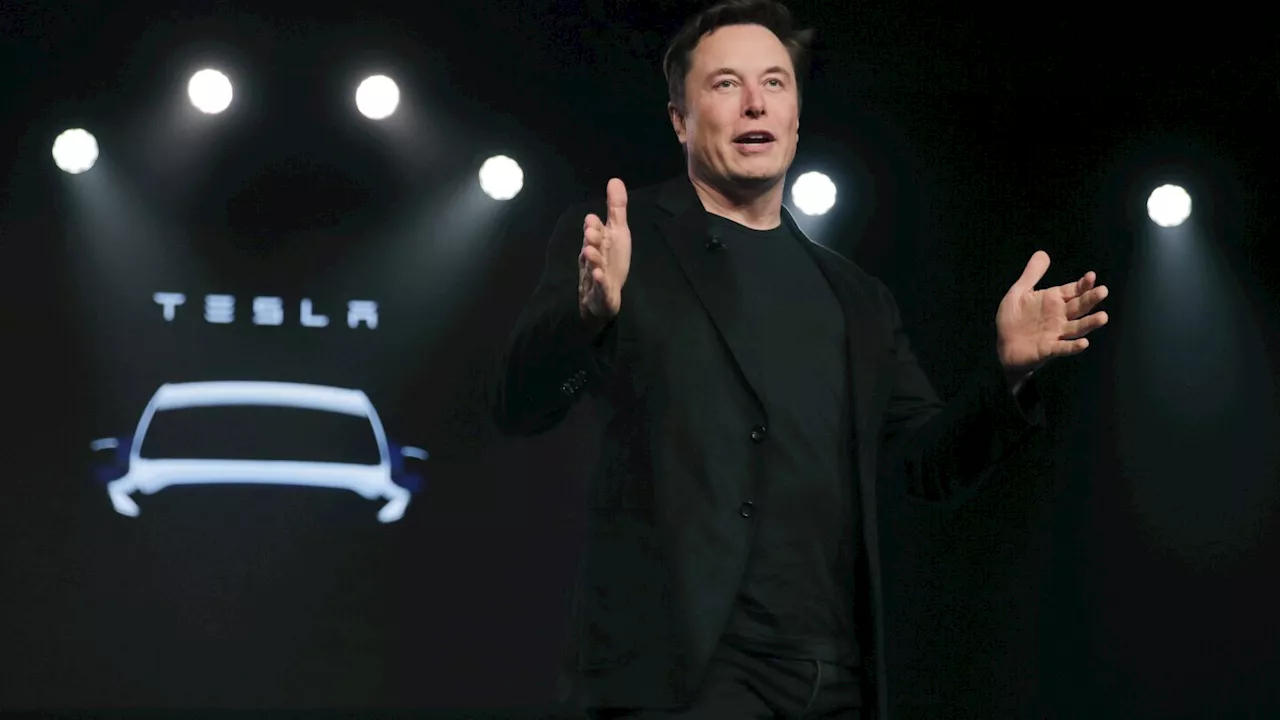 Trump Administration Halts Plans for Tesla to Supply Armored Electric Vehicles to State DepartmentThe US Department of State's plans to purchase armored electric vehicles from Tesla have been put on hold by the Trump administration following reports of a potential $400 million deal. The deal, which was in its early planning stages when Joe Biden was president, faced scrutiny after reports surfaced about the potential purchase in May 2024.
Read more »
 State Department Halts Plans to Purchase Armored Electric Vehicles from TeslaThe US State Department has suspended plans to buy armored electric vehicles from Elon Musk's Tesla company, citing the need for further review and clarification.
Read more »
 Stanley Tucci on ‘Conclave’ Awards Win & Reuniting With The Russo Brothers for ‘The Electric State’At 'The Electric State' premiere, Stanley Tucci talks about reuniting with the Russo Brothers after working with them on 'Captain America' years ago.
Read more »
 Mountain West Tournament: Day 2 roundup, updated bracketBoise State, Colorado State, New Mexico, Utah State advance to semifinals
Read more »