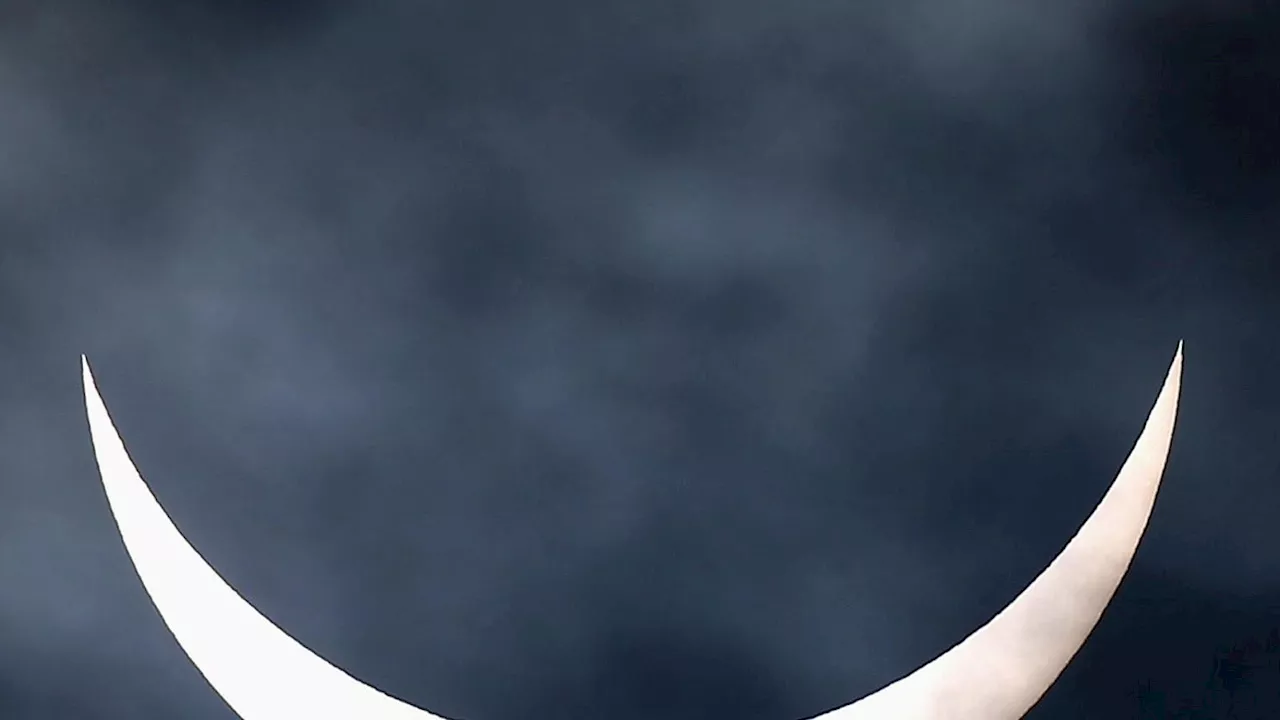
Here’s everything you need to know to see, stream and photograph the final solar eclipse in North America until August 12, 2026.
The first solar eclipse of the year will occur on Saturday, March 29. Unlike the total solar eclipse on April 8, 2024, this one will only be seen as a partial from parts of 13 U.S. states. While there will be no totality and at no point will it get dark, this event promises something rare and spectacular in the form of an eclipsed sunrise.
As little as 1% and as much as 85% of the sun will be eclipsed by the moon as seen from the U.S., with northern Quebec, Canada, seeing almost 94% eclipse. Here’s everything you need to know to see, stream and photograph the final solar eclipse in North America until August 12, 2026.England. The solar eclipse, which occurs when the Moon passes between the Sun and the Earth, started at 08:24 GMT and continues until 10:41 GMT, with the maximum obscuration of the Sun happening at 09:31 GMT. The last significant solar eclipse visible from the UK was on 11 August, 1999. A partial solar eclipse occurs when a new moon passes between Earth and the sun. Unlike a total solar eclipse, there is no precise alignment. Instead, only the moon’s outer shadow, its penumbra, will move across Earth. It will be visible in the U.S. from 6:13 to 7:17 a.m. EDT and in Canada from 6:56 a.m. NDT to 8:20 a.m. EDT. An exact schedule for any location — including the time of sunrise, maximum eclipse and when the eclipse ends — can be found on Timeanddate’s 13 U.S. states in the northeast will see some part of the eclipse. Maine, New Hampshire, Vermont and Massachusetts will see the biggest eclipse, with views of the eclipsed sunrise most likely from coastal areas. Rare “devil’s horns” — where two cusps of the sun are seen on either side of the silhouette of the moon — will be visible from locations close to the U.S.-Canada border in Maine and New Brunswick and along the St. Lawrence River northeast of Quebec City. This unusual phenomenon is also known as a “double sunrise.” A smaller partial solar eclipse will be seen in Rhode Island, Connecticut, New York, New Jersey, Pennsylvania, Delaware, Maryland, Washington D.C. and Virginia. The maximum eclipse will be seen in Nunavik in Quebec, Canada, where almost 94% of the sun will be eclipsed during sunrise. At 85%, northeastern Maine will see the biggest eclipse in the U.S.Several large cities will see this eclipse at sunrise, notably New York City, NY with 22%, Boston, MA 43%, Concord, NH 46%, Portland, ME 64% and Philadelphia, PA 12%. Washington, D.C., and Buffalo, NY, are on the limit, with just a 1% eclipse at sunrise., broadcasting from Saint John in New Brunswick, Canada , Siena, Tuscany in Italy and Skibotn in Norway , and from theA pair of eclipse glasses held — or taped — over a smartphone camera lens is good enough to take a souvenir image of the eclipsed sun. For better results, put your smartphone on a tripod and use the Solar Snap app, available on, which offers zoom, exposure and zoom adjustments. However, for images of the eclipsed sunrise, the best way is to take a video with a smartphone, zooming in as much as possible. That’s far easier to do when using a tripod. An image can easily be extracted from the video, either using software or by taking a screenshot.Our community is about connecting people through open and thoughtful conversations. We want our readers to share their views and exchange ideas and facts in a safe space.Insults, profanity, incoherent, obscene or inflammatory language or threats of any kindContinuous attempts to re-post comments that have been previously moderated/rejectedAttempts or tactics that put the site security at riskProtect your community.
Solar Eclipse 2025 When Is The Eclipse Next Eclipse Total Solar Eclipse When Is Eclipse New York When Is Eclipse Boston Where Is Eclipse Eclipse Blood Moon
United States Latest News, United States Headlines
Similar News:You can also read news stories similar to this one that we have collected from other news sources.
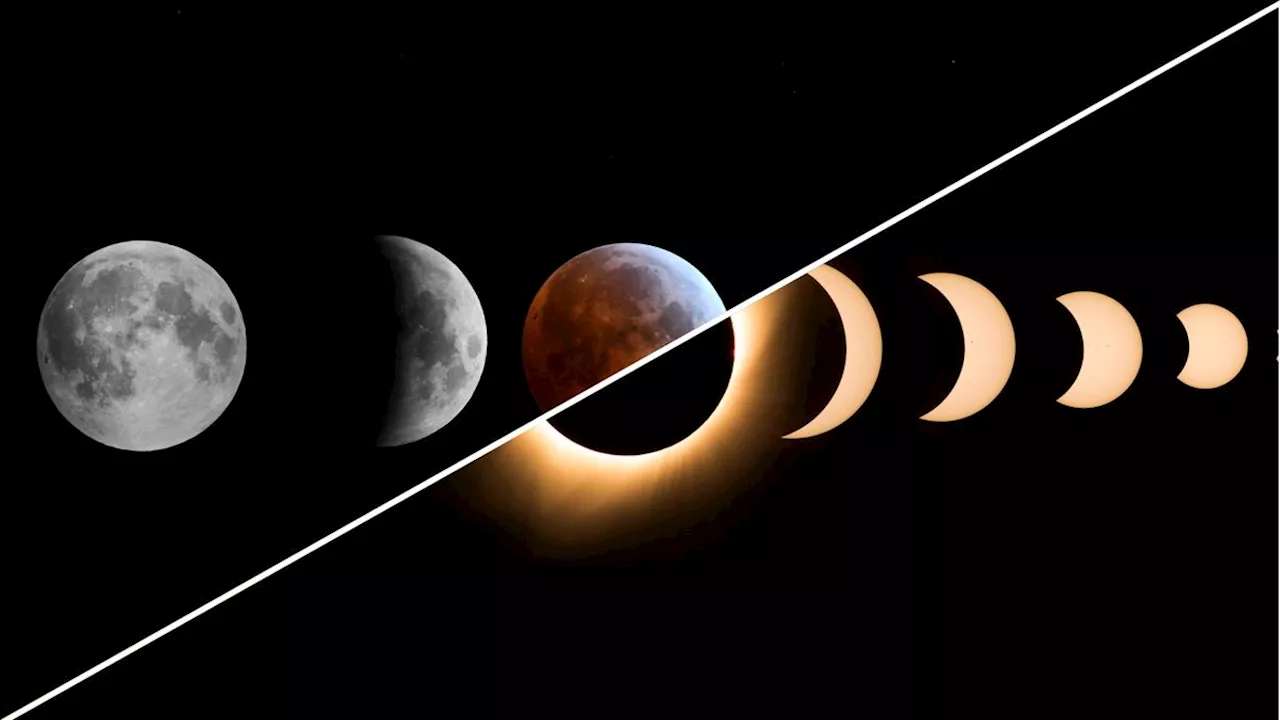 What's the difference between a solar eclipse and a lunar eclipse?Jamie is an experienced science, technology and travel journalist and stargazer who writes about exploring the night sky, solar and lunar eclipses, moon-gazing, astro-travel, astronomy and space exploration. He is the editor of WhenIsTheNextEclipse.com and author of A Stargazing Program For Beginners, and is a senior contributor at Forbes.
Read more »
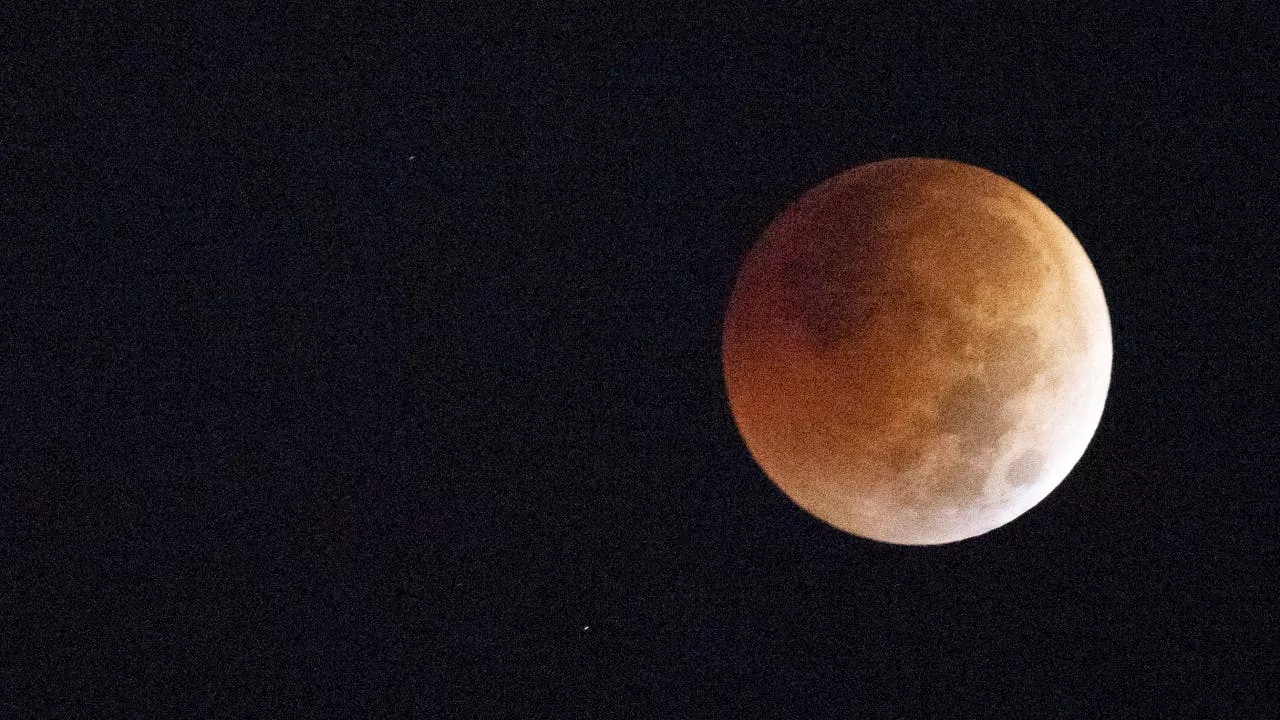 Blood Moon total lunar eclipse happens next week. Here's how you can see itUnlike a solar eclipse, a total lunar eclipse can be viewed with the naked eye.
Read more »
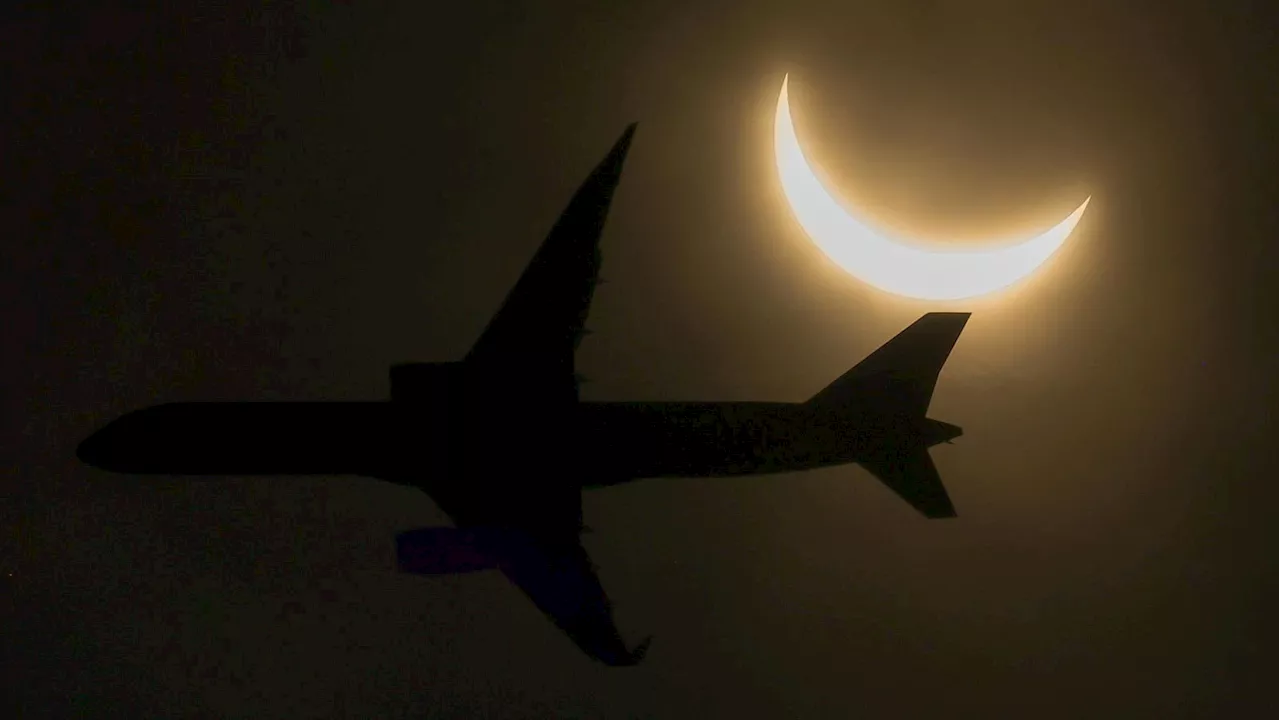 When To See Saturday’s Solar Eclipse From Every U.S. State In The PathA partial solar eclipse will be seen from 13 U.S. states on Saturday, March 29, 2025. Here’s when and where to see it from where you are.
Read more »
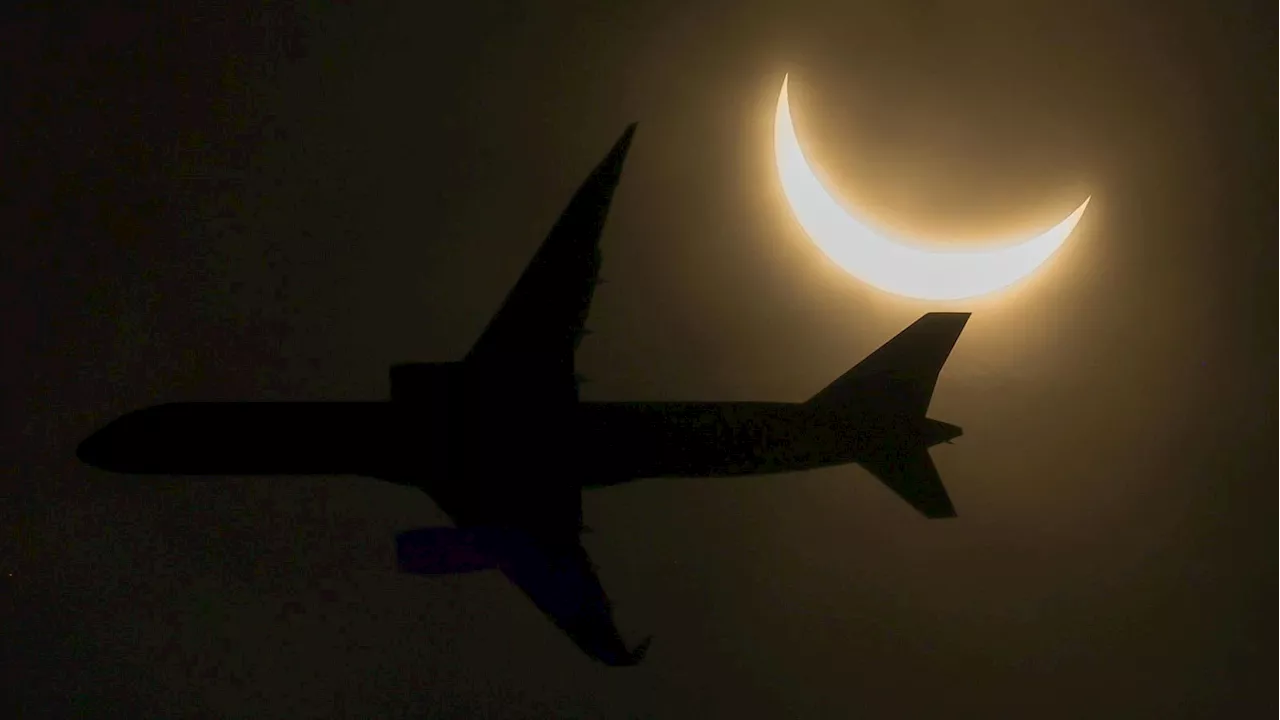 When To See Saturday’s Solar Eclipse From Every U.S. State In The PathA partial solar eclipse will be seen from 13 U.S. states on Saturday, March 29, 2025. Here’s when and where to see it from where you are.
Read more »
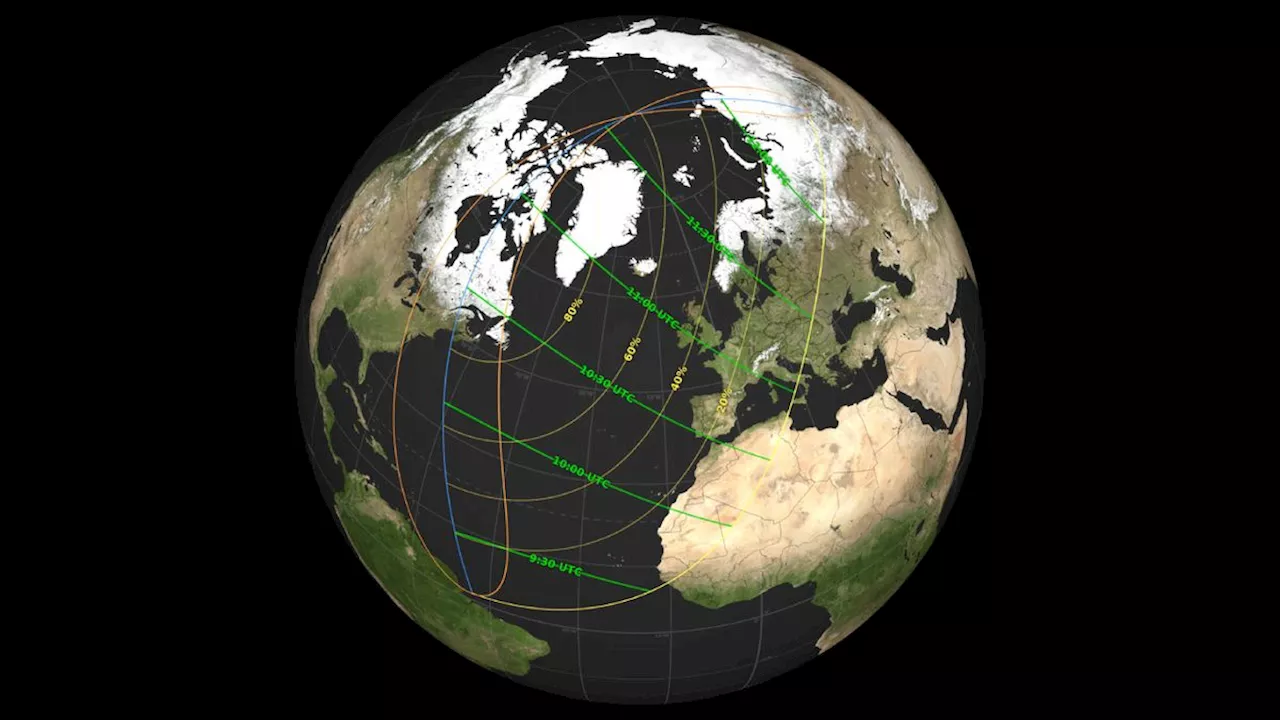 Eclipse map: Will the March 29 solar eclipse be visible in your state?Jess Thomson is a freelance journalist. She previously worked as a science reporter for Newsweek, and has also written for publications including VICE, The Guardian, The Cut, and Inverse. Jess holds a Biological Sciences degree from the University of Oxford, where she specialised in animal behavior and ecology.
Read more »
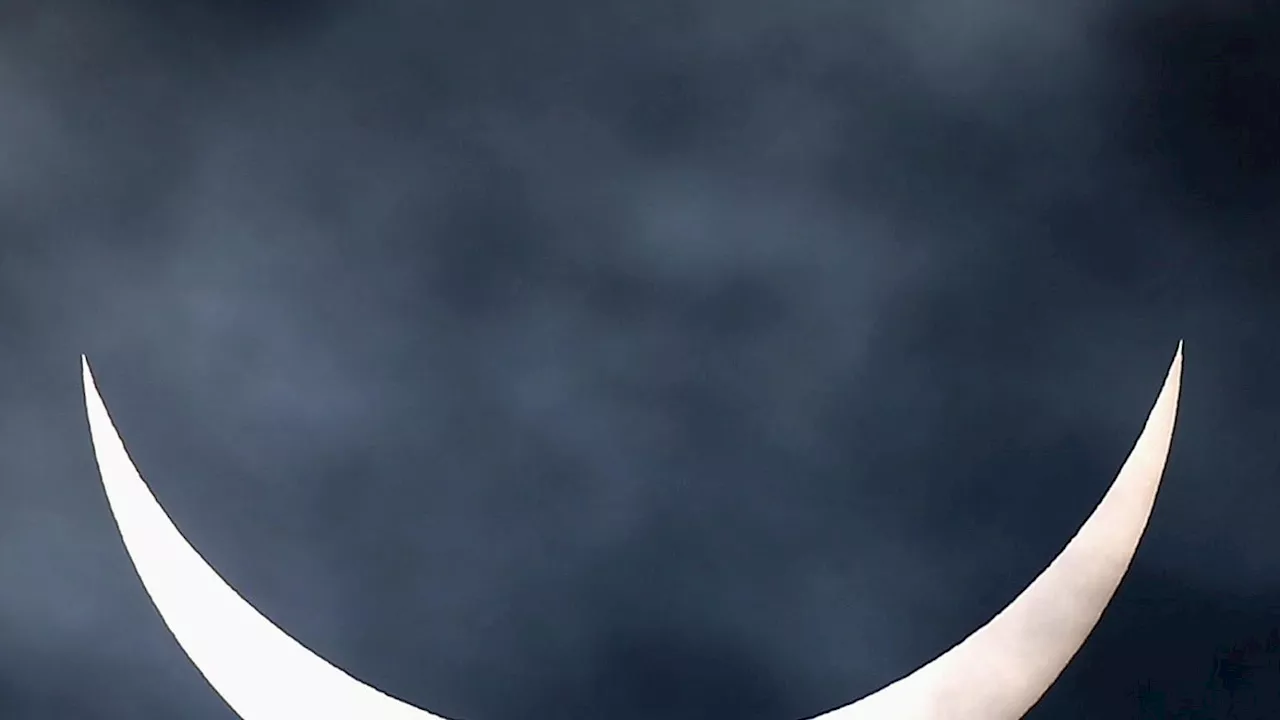 Solar Eclipse Alert: How To See, Stream And Image Tomorrow’s Weird ‘Double Sunrise’Here’s everything you need to know to see, stream and photograph the final solar eclipse in North America until August 12, 2026.
Read more »