Jess Thomson is a freelance journalist. She previously worked as a science reporter for Newsweek, and has also written for publications including VICE, The Guardian, The Cut, and Inverse. Jess holds a Biological Sciences degree from the University of Oxford, where she specialised in animal behavior and ecology.
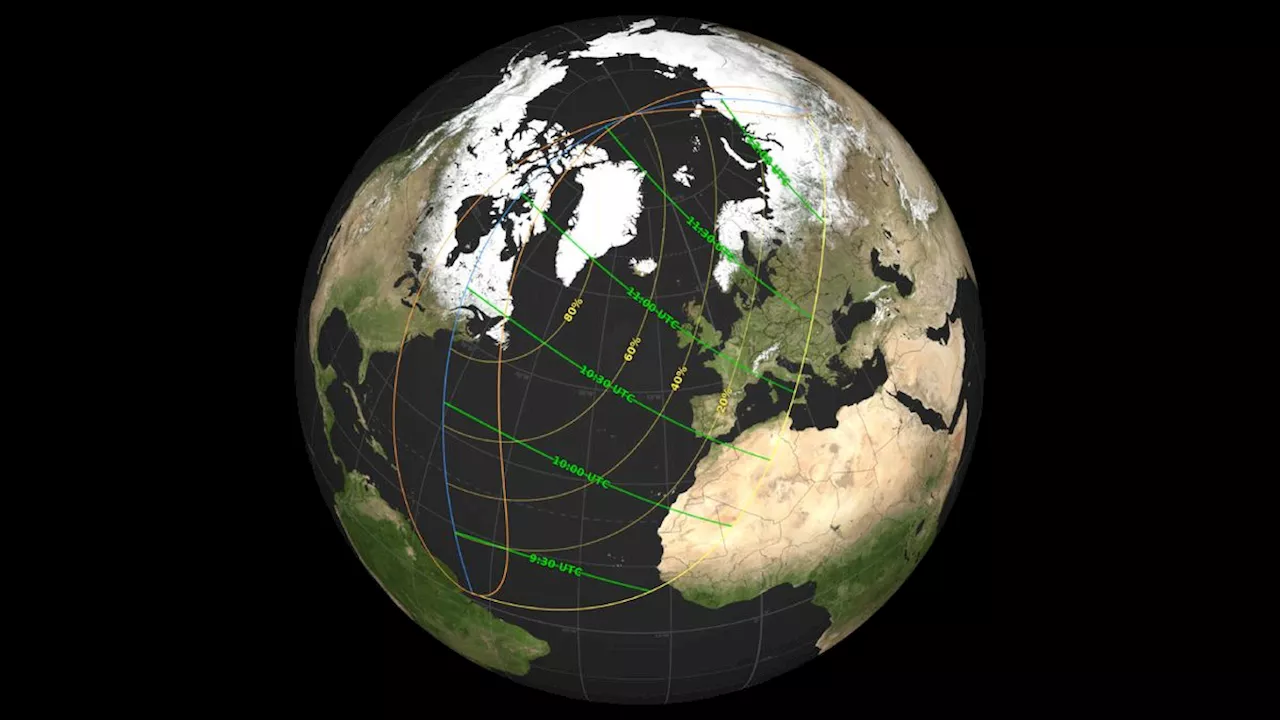
, parts of northeastern Canada, and across much of western Europe and Africa. To help you find out if your location is in the path of the eclipse,revealing exactly how much of the sun will be eclipsed and where, and what time the eclipse begins in each region.
take over the largest portion of the sun, with 83% of the sun being blocked out in St John's in Canada, 64% in Portland, Maine, 43% in Boston, and 22% in New York City,With the sun rising partially eclipsed in these locations, the moon will make our star appear to have a pair of ‘devil horns’ in the dawn light.map, the yellow lines show the extent of how much sun will appear to be blocked out from each location, and the green lines track the time in UTC at which the eclipse will hit its peak. In St. John’s, Canada, for example, the partial eclipse will begin at 6:57 a.m. local time, peak at 7:52 a.m., and end at 8:51 a.m. In Boston, it will start at 6:31 a.m. local time, peak at 6:38 a.m. and end at 7:07 a.m., while in New York City, it will start at 6:44 a.m., peak at 6:46 a.m., and end at 7:04 a.m. In these spots, the moon will already be partially blocking the sun as the two celestial bodies rise above the horizon in the morning. In London, meanwhile, where the eclipse will cover a maximum of 31% of the sun, the eclipse will start at 10:07 a.m. local time, peak at 11:03 a.m., and end at 12:00 p.m.Get the world’s most fascinating discoveries delivered straight to your inbox.on NASA's map represent areas where the eclipse starts or ends at sunrise and sunset: the left side of the western loop will see the eclipse end at sunrise, while the right side of this loop will see the eclipse start at sunrise. Meanwhile, the blue line bisecting these loops show where the eclipse will hit its maximum at sunrise or sunset. Solar eclipses occur when the moon passes between the Earth and the sun, blocking out the light from our star and casting a shadow on the Earth's surface. Unlike a total solar eclipse, where the sun is completely blocked in some areas, a partial eclipse results in the sun appearing as a crescent in the sky. This occurs because the alignment between the sun, moon, and Earth is not perfect., over 800 million people will be able to catch at least some of the partial eclipse, although only 21 million will see the moon cover more than 50% of the sun. For everyone else, free live streams of the entire eclipse are being hosted on both sides of the Atlantic — Those hoping to catch a glimpse of the eclipse should never look at the sun directly without protection; even during a partial eclipse, the sun’s rays can cause serious eye damage. Observers should wear a pair of"Do NOT look at the Sun through a camera lens, telescope, binoculars, or any other optical device while wearing eclipse glasses or using a handheld solar viewer — the concentrated solar rays will burn through the filter and cause serious eye injury," NASA advises. If you miss this partial eclipse, another partial eclipse will be visible from Australia, New Zealand, Antarctica, and the Pacific Ocean, a total solar eclipse will be visible in Greenland, Iceland, Spain, Russia, and Portugal, while a partial eclipse will be visible in Europe, Africa, and North America.Jess Thomson is a freelance journalist. She previously worked as a science reporter for Newsweek, and has also written for publications including VICE, The Guardian, The Cut, and Inverse. Jess holds a Biological Sciences degree from the University of Oxford, where she specialised in animal behavior and ecology.
United States Latest News, United States Headlines
Similar News:You can also read news stories similar to this one that we have collected from other news sources.
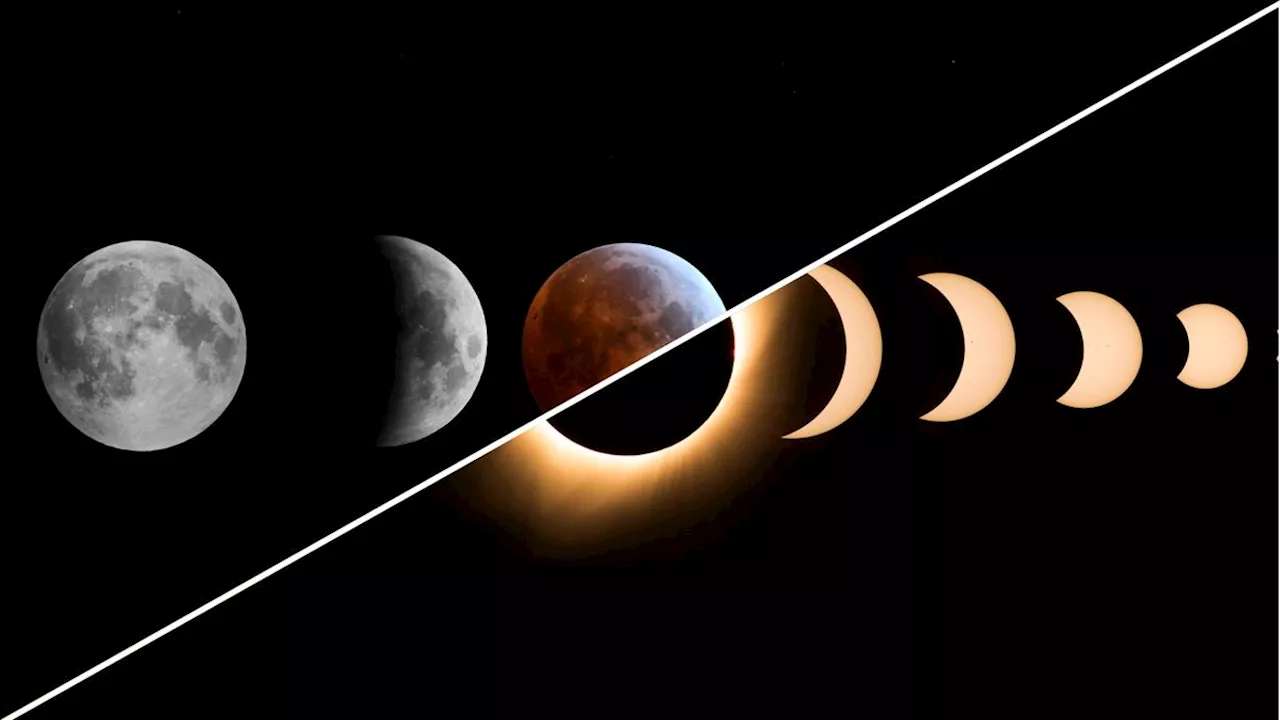 What's the difference between a solar eclipse and a lunar eclipse?Jamie is an experienced science, technology and travel journalist and stargazer who writes about exploring the night sky, solar and lunar eclipses, moon-gazing, astro-travel, astronomy and space exploration. He is the editor of WhenIsTheNextEclipse.com and author of A Stargazing Program For Beginners, and is a senior contributor at Forbes.
Read more »
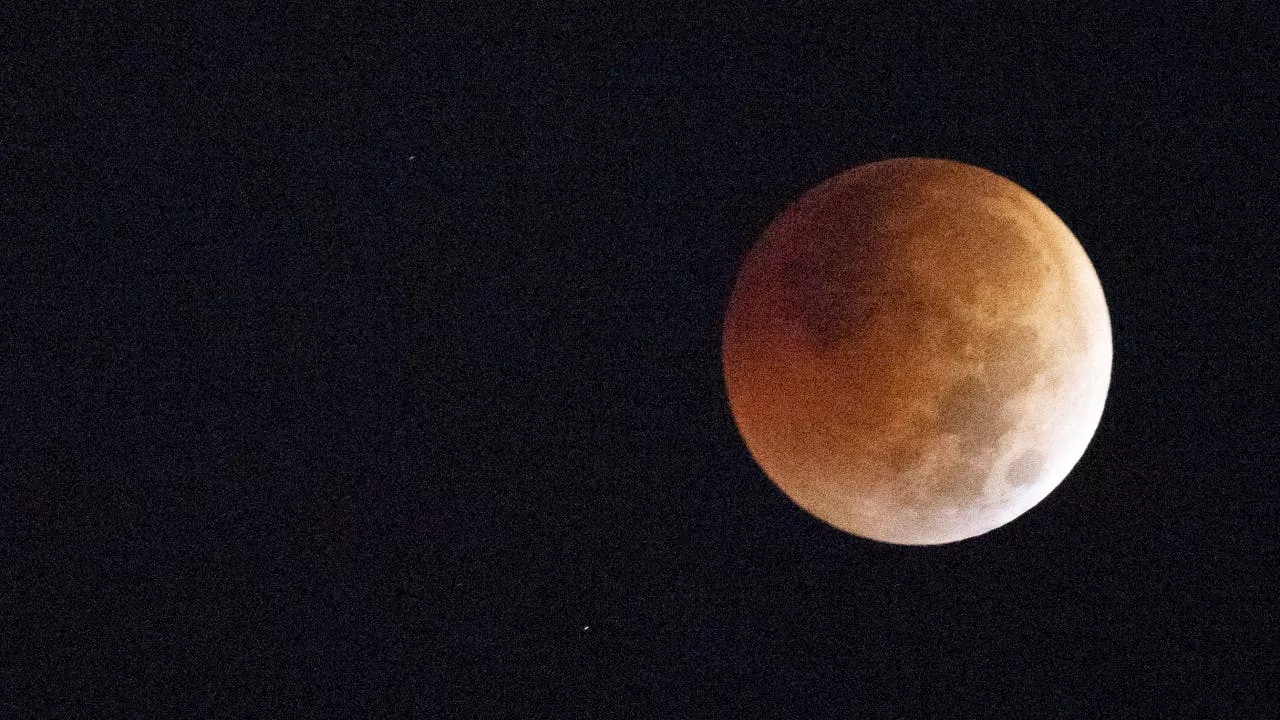 Blood Moon total lunar eclipse happens next week. Here's how you can see itUnlike a solar eclipse, a total lunar eclipse can be viewed with the naked eye.
Read more »
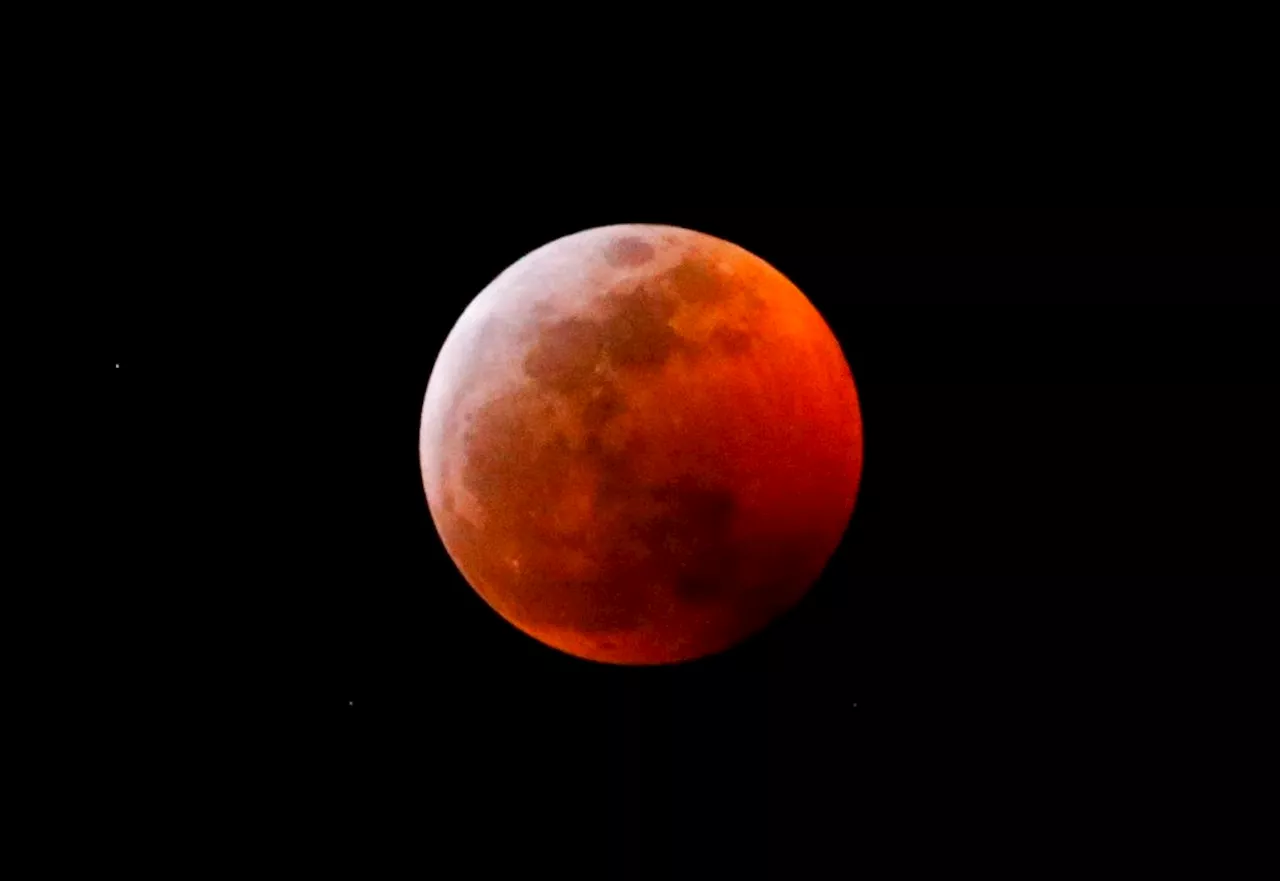 Lunar eclipse 2025: When to see the total eclipse and full March ‘blood moon’This will be the first total lunar eclipse in almost three years, and it will be visible in New Jersey and the rest of the United States.
Read more »
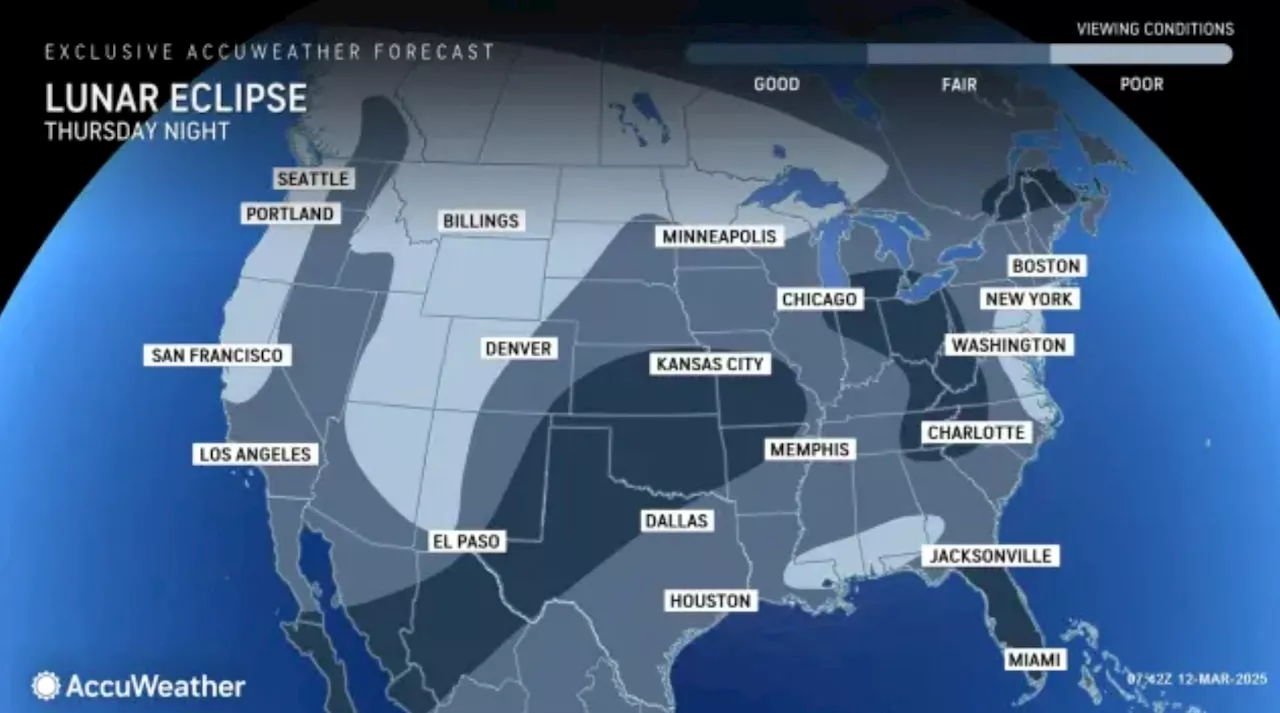 Lunar eclipse: N.J. weather forecast, peak viewing times for full ‘blood moon’ eclipseThe total lunar eclipse will occur this week, but viewing conditions might not be ideal in the Garden State region.
Read more »
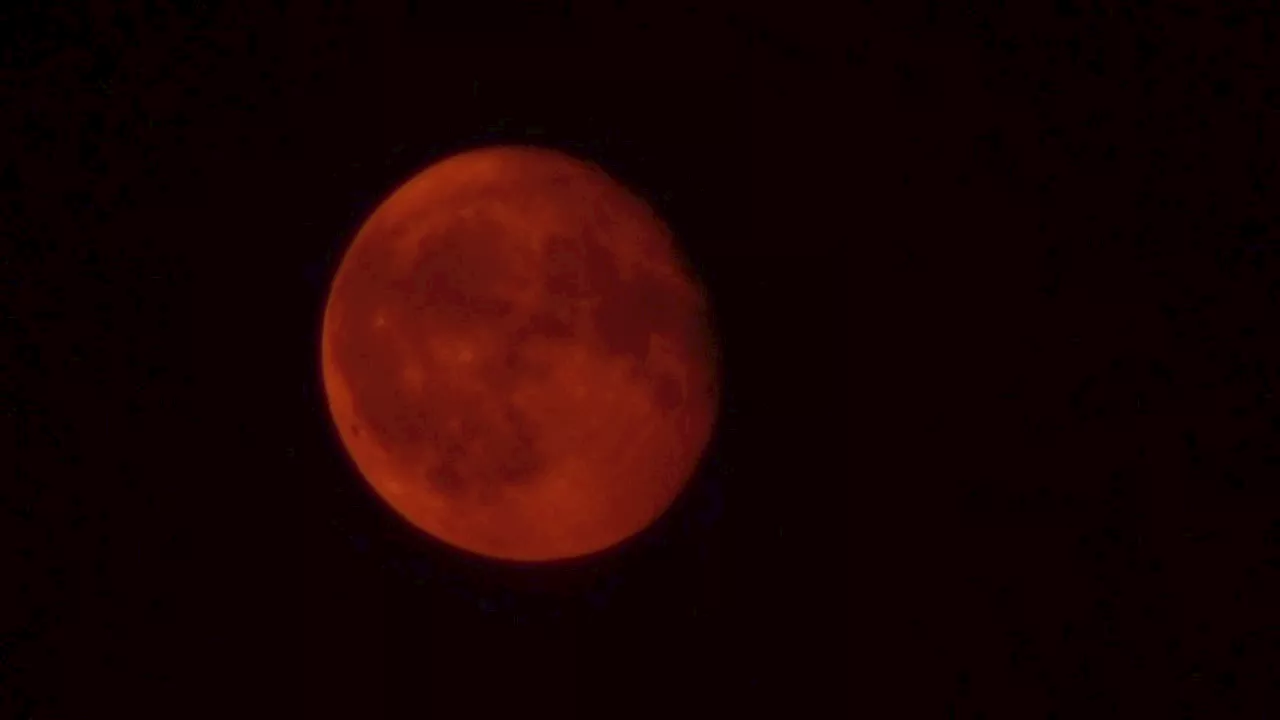 Total Lunar Eclipse 2025: Will the forecast allow us to see the eclipse?A total solar lunar eclipse is set to take place in the night sky Thursday, stretching into Friday morning. The astronomical phenomenon will be visible in North and South America, along with parts of Europe and Africa.
Read more »
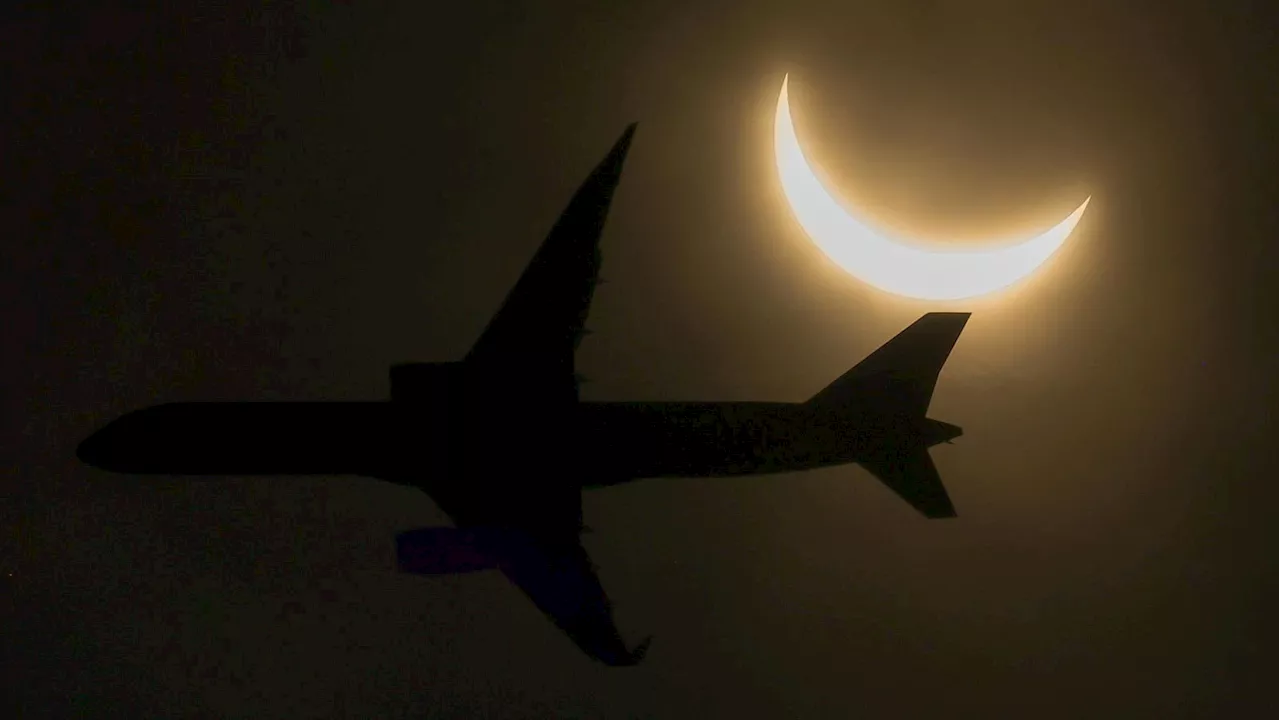 When To See Saturday’s Solar Eclipse From Every U.S. State In The PathA partial solar eclipse will be seen from 13 U.S. states on Saturday, March 29, 2025. Here’s when and where to see it from where you are.
Read more »