
The closure of nearly 800 pharmacies in England over the last four years is causing difficulties for patients, particularly those in rural areas and older populations. A woman named Deborah shares her experience of having to travel to different pharmacies to obtain all of her required medication, highlighting the impact this has on her mobility, mental health, and financial situation.
Nearly 800 pharmacies have permanently closed in England over the last four years, according to latest NHS figures. Pharmacists blame NHS funding, which they say has not risen in real terms in a decade. The government has said it will look at the issue 'in due course', but in the meantime people living in rural areas or those with an older population are often hardest-hit.Deborah has a gastro-intestinal condition and requires regular medication to manage her symptoms.
But she said while she has a local pharmacy nearby, it often cannot get all her medicines, forcing her to travel to one further away.'Within 24 to 48 hours , I will not be able to leave my house,' she said. 'It affects what I can eat, so it has a huge impact on mobility, which then stretches out to the rest of my life.Deborah said problems with getting her medication have caused her anxiety and depression Deborah said that 'every time' she has ordered medication in the last six months to a year, 'there has been a problem'.'I'm on a very low income and having to do extra trips to get my medication in the car that I can only just afford to run, really impacts my life hugely.' The stress and uncertainty of having to chase after her medication has also affected her mental health. 'It can ruin your life, your ability to function, your ability to interact with the outside world,' she said. Deborah said she wanted to speak out to let people know what they can do if their local pharmacy cannot get all the medication they need. 'You can request a paper prescription and that can be taken physically to any number of pharmacies until you find one that actually has the the things you need,' she said
Pharmacies Medication NHS Funding Rural Areas Patient Access
United States Latest News, United States Headlines
Similar News:You can also read news stories similar to this one that we have collected from other news sources.
 Social Impact Meets VC: Rubio Impact Ventures' RiseRubio Impact Ventures shows investors how impact investing generates excellent financial returns while making a social impact.
Read more »
 ‘Unprecedented' number of pharmacies shuttered in recent years, putting Black and Latino communities at riskBlack and Latino communities are facing growing risks of losing access to medical services as a high amount of pharmacies across the U.S. closed.
Read more »
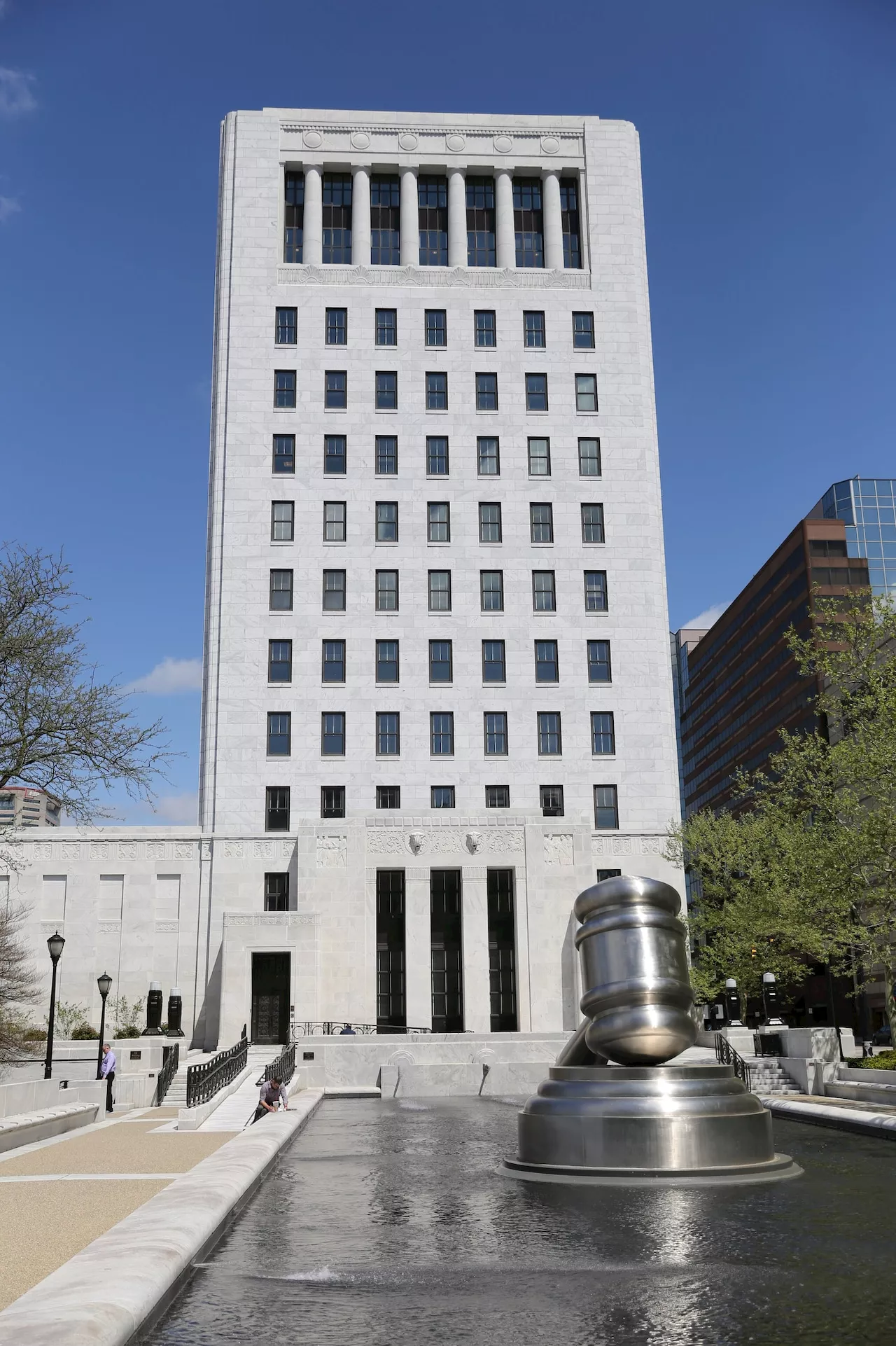 Massive opioid judgment in jeopardy as Ohio Supreme Court sides with pharmaciesA state Supreme Court ruling Tuesday all but cast a death knell over a $650 million judgement two Ohio counties won from chain pharmacy operators for their role in sparking an opioid epidemic.
Read more »
 Ohio Supreme Court sides with pharmacies in appeal of $650 million opioid judgmentThe Ohio Supreme Court has ruled that Ohio's product liability law prohibits counties from bringing public-nuisance claims against national pharmaceutical chains as they did as part of national opioid litigation
Read more »
 Man sentenced to 28 years in prison for string of armed robberies at Texas pharmaciesA man was sentenced to 28 years in prison for three counts of pharmacy robbery at gunpoint, according to the U.S. Attorney’s Office for the Western District of Texas.
Read more »
 FDA Ends Tirzepatide Shortage Exception, Allowing Compounding Pharmacies 60-90 Day TransitionThe Food and Drug Administration (FDA) has declared that the active ingredient in Eli Lilly's weight loss drug Zepbound is no longer in shortage, effectively preventing compounding pharmacies from producing unbranded versions. However, the FDA will grant a 60 to 90-day transition period during which it will not penalize pharmacies for making compounded tirzepatide, giving patients time to switch to the branded drug. This decision marks the end of a period during which certain pharmacies could compound, distribute, or dispense tirzepatide without facing violations related to the treatment's shortage status.
Read more »