


MIT researchers have developed a new generation of robotic insects capable of flying for extended periods, demonstrating impressive precision and agility. These 'bug-bots' hold the potential to revolutionize agriculture by performing pollination at an unprecedented scale, ensuring increased food production while minimizing environmental impact.
MIT scientists are designing robotic insects that could revolutionize agriculture by performing pollination at an unprecedented speed and scale. These miniature robots, inspired by the efficiency of bees and other insects, aim to address the growing demand for food production while minimizing environmental impact. The new technology promises to significantly increase crop yields without resorting to harmful pesticides or practices.
Previous attempts at creating insect-sized robots faced limitations in endurance, velocity, and maneuverability. However, the latest designs overcome these challenges by boasting a flight time 100 times longer than their predecessors. Lightweight and equipped with ample battery storage, these robots exhibit improved precision and agility while reducing stress on their wing flexures, the crucial ability for an aircraft to bend or flex during flight.The team behind this breakthrough achieved these advancements by adopting a novel design featuring four identical units, each with a single flapping wing pointing away from the robot's center. This configuration enhances vertical stability, allowing the robots to lift higher and navigate more effectively. The reduction in wing count also creates space for incorporating electronic devices like batteries. Furthermore, the team developed complex signal transmissions that mimic the intricate muscle control of real insects, enabling finer control over wing movements and contributing to the robots' enhanced stamina.While the current design represents a significant leap forward, the researchers envision even greater potential for future iterations. They aim to integrate sensors, advanced computing capabilities, and a level of fine-tuning comparable to that of a bee's wings within the next five years. This ambitious roadmap could lead to a new era of agricultural technology, where swarms of robotic insects contribute to a more sustainable and efficient food production system
ROBOTIC INSECTS POLLINATION AGRICULTURE MIT TECHNOLOGY ADVANCEMENTS
United States Latest News, United States Headlines
Similar News:You can also read news stories similar to this one that we have collected from other news sources.
 Scientists Create Flexible, Strong 2D Material with Mechanical InterlocksA research team from Northwestern University has developed the first-ever two-dimensional mechanically interlocked material, demonstrating high flexibility and strength. This breakthrough could lead to the development of lightweight yet high-performance body armor and other tough materials.
Read more »
 Japanese Scientists Create First-Ever Long-Term Dataset of Earth's Entire AtmosphereJapanese researchers have developed a comprehensive dataset of Earth's entire atmosphere, reaching up to space, providing unprecedented insights into the mysterious mesosphere.
Read more »
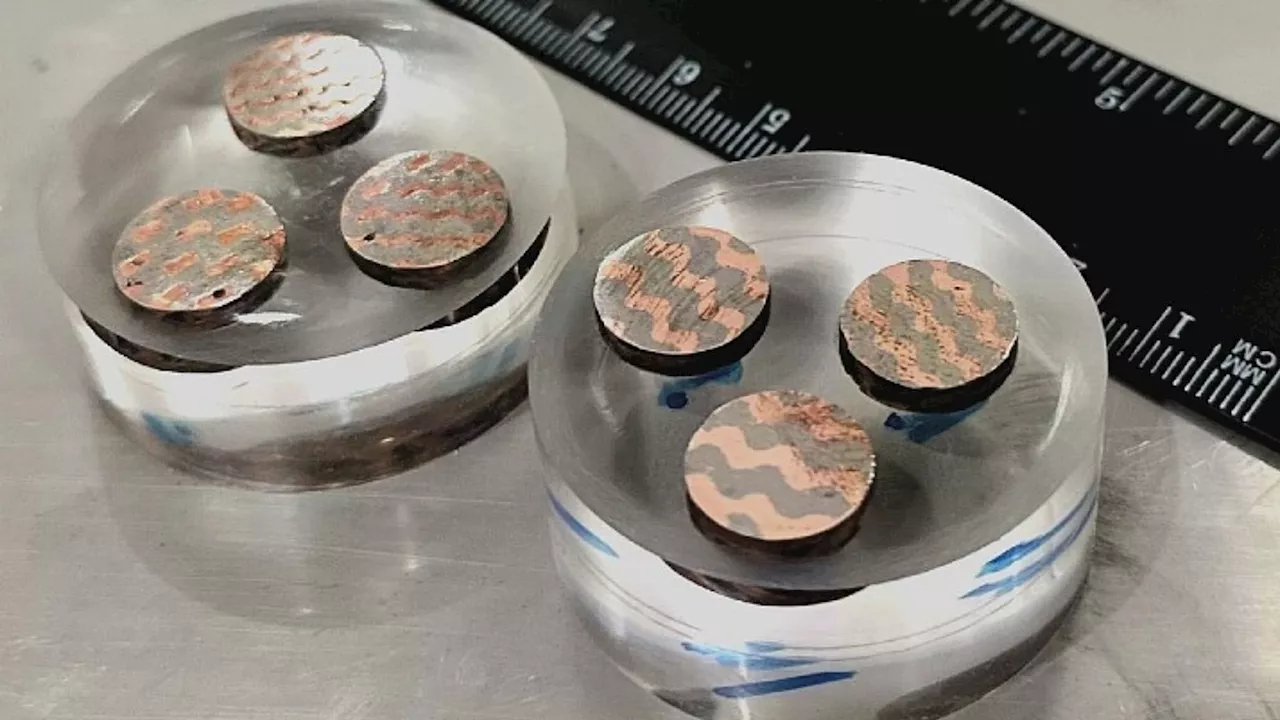 Scientists Create New Composite Material for Nuclear Fusion ReactorsRussian scientists have developed a novel tungsten-copper composite material for use in plasma-facing components of nuclear fusion reactors. This innovative material, created using hybrid additive manufacturing, addresses the challenges of tungsten's brittleness and thermal expansion mismatch with other metals. The composite exhibits superior heat dissipation and mechanical properties, paving the way for more efficient and robust fusion reactor designs.
Read more »
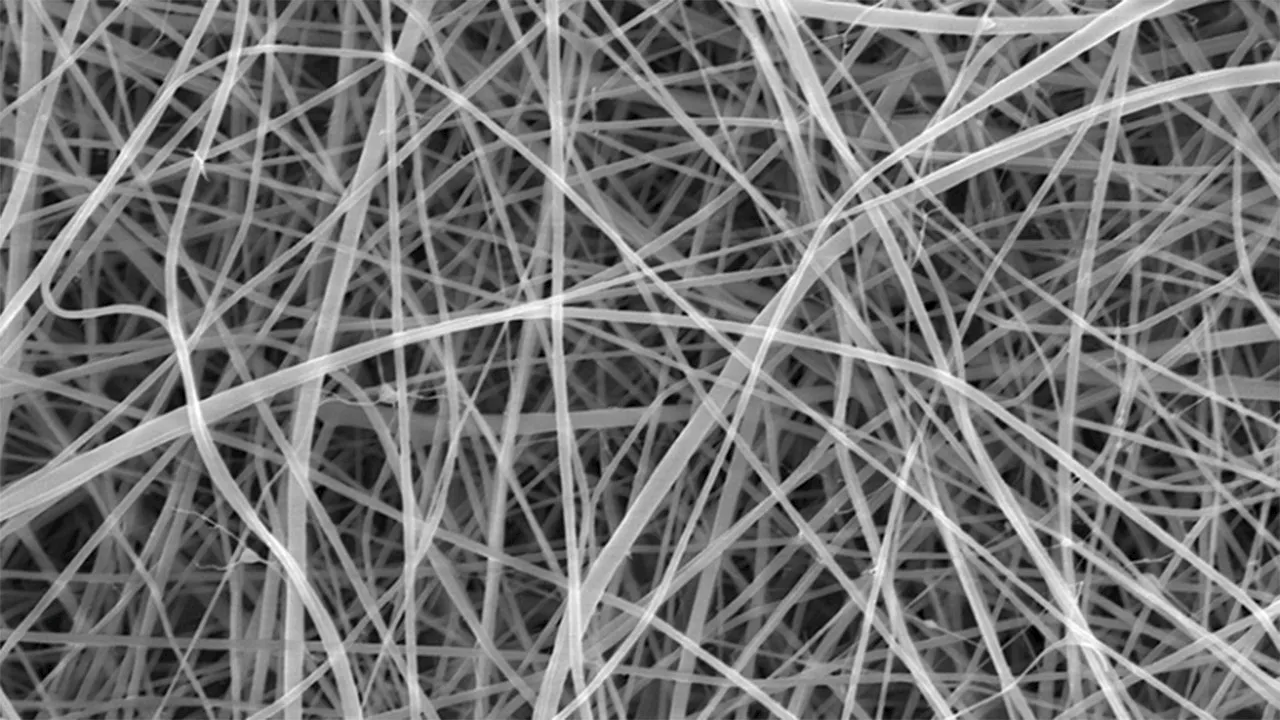 Scientists Create World's Thinnest Spaghetti: Not for Eating!Researchers at University College London have developed the world's thinnest spaghetti using starch nanofibers. This 'nanopasta' is a breakthrough in nanotechnology and has potential applications in medicine and tissue engineering.
Read more »
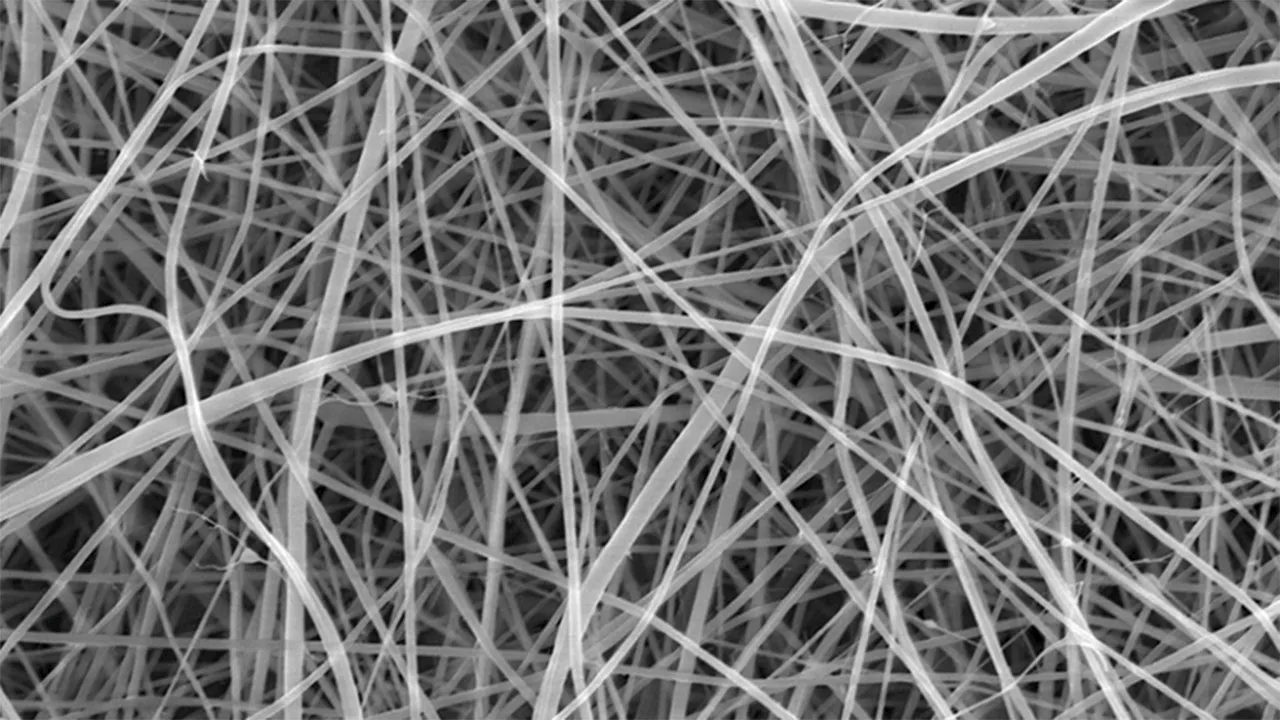 Scientists Create World's Thinnest 'Nanopasta' With Potential Medical ApplicationsResearchers at University College London have developed the world's thinnest spaghetti, using an electrical charge to pull a starch and water mixture through tiny openings. While not edible, this 'nanopasta' explores the potential of starch nanofibers in wound dressings, tissue regeneration, and other medical fields.
Read more »
 Scientists Create World's First Ideal Weyl SemimetalAn international team of researchers has successfully synthesized the first-ever ideal Weyl semimetal, a significant milestone in the field of quantum materials. This breakthrough paves the way for potential advancements in topological superconductivity and robust quantum computing.
Read more »