


Did you know about the deadliest storm in the history the world?
Neither the storm nor the following war are well known events in America, which tends to look to itself more than the rest of the world, often to its own detriment. But it’s also not an uncommon gap in world history for an experienced foreign journalist like Carney.
“All I knew until about six years ago was that thereHe’d find out through the project he shared with Miklian, an old grad-school drinking buddy. It was a good plan, both for their careers and friendship: Miklian would get university funding for a research project, and Carney would pitch an article on that research to one of the editors for whom he wrote freelance, and they’d get to travel the world together. “It was a way to hang out, really,” Carney laughs, even if the places they were hanging out tended to be war zones.about a wall that India had built all the way around Bangladesh," Carney says."Sort of like the wall on the U.S. southern border, except much more lethal. Razor wire. Armed guards every kilometer, with orders to shoot. And they’d just shot this thirteen-year-old girl when she was climbing over the fence. Her corpse hung there for six days while they were trying to figure out how to best get the body down. Horrible story.” That tragedy led Carney and Miklian to delve deeper and ask more questions, specifically about why India would have built such a wall in the first place. “As we dug into that," Carney says,"we found that it all traces back to this 1971 war and the Bhola Cyclone.”is all about. It began as Tropical Storm Nora over the South China Sea before it moved west over the Malay Peninsula and then grew to a cyclone over the Bay of Bengal. That story only intensified as it crawled inexorably north, eventually making landfall on what was then East Pakistan in mid-November 1970. It would cause immeasurable damage and claim at least 300,000 lives. Many claim that number is closer to half a million dead. The governmental response — and lack thereof — to the natural disaster would bring about a surge of Benghali nationalism and, through both political and social movements, the establishment of Bangladesh. That process would, by the mid-’90s, bring about the aforementioned wall. “India is worried that another storm like this will send a wave of climate refugees into Indian territory, just like in 1970,” says Carney. “They’d be inundated with Bangladeshis, and they don’t want that, similar to the politics between Mexico and the U.S.” The many comparisons between then and now — the efficacy of a wall, the treatment of refugees, the real cost of climate change, and the geo-politics that get in the middle — struck Carney and Miklian hard. “We were like, 'Oh, my God, how is this story not known?'" recalls Carney."We realized this was our chance to tell the story of climate change as a nonfiction action thriller.” Imaging from the ITOS-1 weather satellite showed the approaching cyclone that created a storm surge of more than 20 feet and killed an estimated 500,000 people.The book is an engrossing read beyond its historical import and environmental message. “One of the issues with reporting on climate change is that it can be a little boring and a little slow," Carney admits."No one wants to eat their green veggies, right? But this story has drama and high stakes, heroes and villains. It really connected a cataclysmic weather event directly to political systems and armed conflict in a straight and direct line.” That same line seemed to follow the project as it developed over the ensuing years, particularly in the Trump era and his lost bid for re-election. “The book has this overturned election in Pakistan, and the president is blaming the fake news media,” says Carney. “Fast-forward to right now, and we’re in the middle of the same thing again. The parallels are just striking.” The real issue, Carney says, is getting past the blinders that most Americans have on when it comes to world politics. “I would pitch articles like this to different editors when I was a foreign correspondent,” he recalls. “Often, they’d just shrug. One editor that I won’t name said, ‘Everybody knows brown people get fucked.’ He actually said that.” Carney is quick to point out that things are changing. “We need to understand that the rest of the world matters,” he says. “I don’t think that Americans really quite understand just how interconnected the globe is. But we’re waking up to it now.”Scott Carney and Jason Miklian will launch
United States Latest News, United States Headlines
Similar News:You can also read news stories similar to this one that we have collected from other news sources.
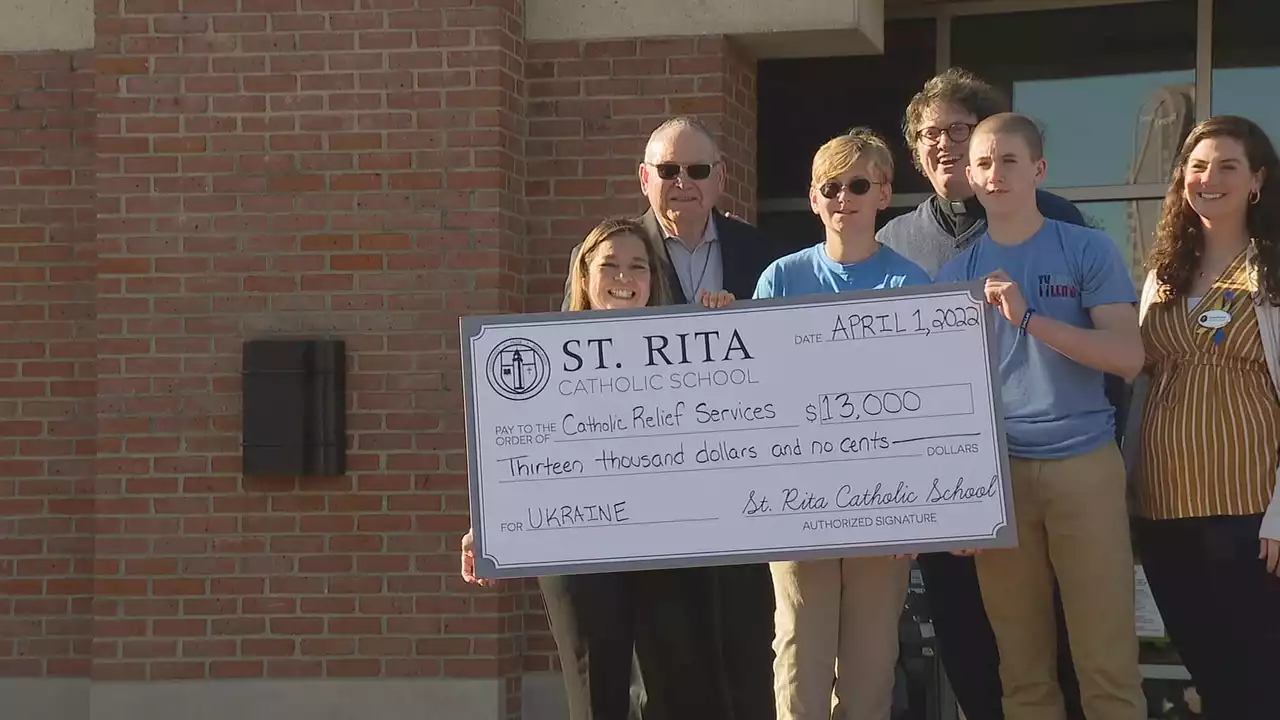 Dallas students raise $120,000 for Ukrainians as part of lesson about Russia-Ukraine WarStudents at St. Rita's Catholic School in Dallas decided to turn a world events lesson into a fundraiser, and presented Catholic Relief Services with a check on Friday.
Read more »
 Oakland A’s Howard Terminal plan faces lawsuit over environmental reviewThe lawsuit contends the report the city council approved did not properly disclose or mitigate all the potential impacts of the project.
Read more »
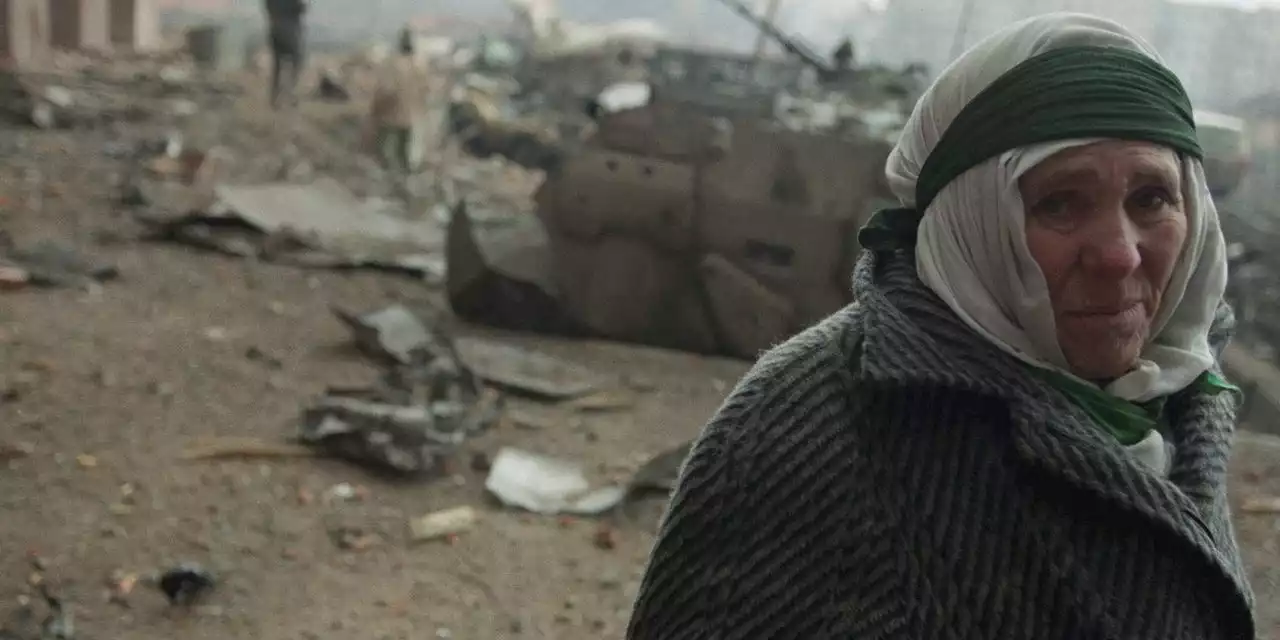 Chechnya’s Brutal Lesson for UkraineRussia’s war in Chechnya offers Ukraine only grim lessons: The Kremlin will pay a steep price in death and destruction, even for impossible ends
Read more »
 Oakland A's sued over plans for new Howard Terminal Ballpark plansA group of port workers, truckers, and cargo operators filed a lawsuit against the Oakland A's and the city over new ballpark plans Friday.
Read more »
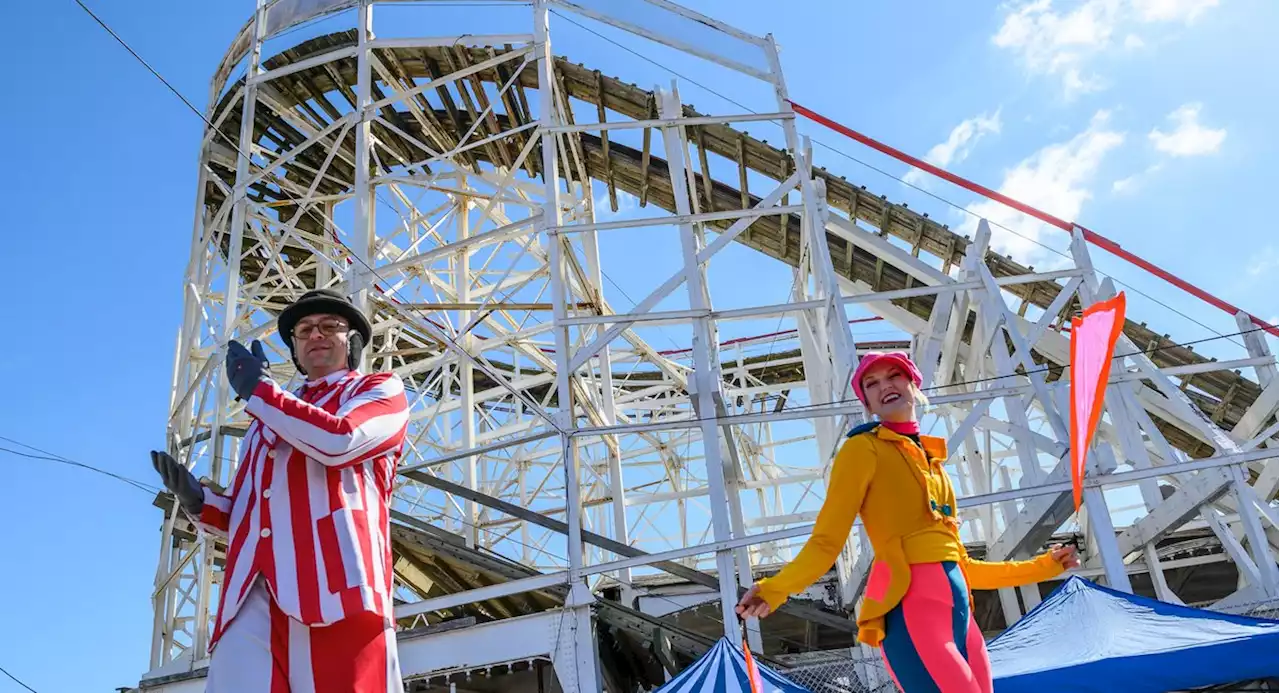 Coney Island's amusement district opens for the 2022 seasonConey Island opened for the season this weekend, and that includes the Cyclone, which will turn 95 this year!
Read more »
 Oakland A’s trade another fan favorite, Sean Manaea, leaving huge hole in rotationThe Oakland A’s traded ace Sean Manaea less than a week before Opening Day.
Read more »