


There is no cure for psoriasis. However, treatments like topical ointments, phototherapy, medications, and self-care strategies can help you alleviate symptoms.
Psoriasis is an autoimmune disease that makes skin cells grow faster than normal. As a result, people with psoriasis develop inflamed patches and scales on the skin, known as plaques. These plaques can be itchy, cause a burning sensation, or can sting.
They may appear all over the body, but are most common on the elbows, knees, and scalp., pustular, and erythrodermic. Your symptoms and treatment can vary depending on the type of psoriasis you have. A third of people with psoriasis will also develop psoriatic arthritis if they don’t already have it. While there is no cure for psoriasis, your healthcare provider will likely suggest a combination of treatments to help you better manage your condition.Topical treatments, or ointments that you can apply directly to your skin, are typically the first line of treatment for psoriasis. Your healthcare provider may prescribe you topical steroids, such as anti-inflammatory creams. You can also find topical treatments, such as medicated shampoos and lotions, over-the-counter .for psoriasis-approved products that are intended to be safe to use for people living with psoriasis. The Food and Drug Administration recommends using OTC treatments that include salicylic acid and coal tar . Some topical treatments can irritate your skin. If you are trying out a new product, try applying the product on a small patch of your skin first to see if you have a reaction to the treatment. If you are unsure about which products to buy, you may find it helpful to consult with your healthcare provider or a dermatologist for suggestions., phototherapy uses ultraviolet rays to shine a light on the skin. The rays can help slow down the growth of skin cells, which may reduce the pain and appearance of inflammation. journal found that those who participated in 20 to 36 light therapy sessions had the best results and saw a reduction in inflammation and itching. Generally, it is safe to use light therapy two to three times a week. In most cases, a healthcare provider will help you administer the treatment at their office or clinic. Some people with psoriasis, however, may also purchase a phototherapy machine to use at home. Medicaid, Medicare, and most private insurances cover the cost of light therapy at a medical clinic. Unfortunately, insurance doesn’t often reimburse the cost of an at-home machine. Phototherapy is considered a safe treatment. After your light therapy session, it is normal to notice redness on your skin. Temporary side effects of phototherapy may include:Your healthcare provider will not recommend light therapy if you have a history of skin cancer or a condition that makes you sensitive to UV light, such asSystemic treatments are prescription oral medications you can take to slow down the growth of skin cells. They are usually used in people with moderate-to-severe psoriasis and/or psoriatic arthritis. Common systemics include:Gengraf, Neoral, or Sandimmune : A drug that helps suppress the immune system and slows the growth of skin cells. Your healthcare provider will usually prescribe this systemic if you have a severe type of psoriasis. Otrexup, Rasuvo, or RediTrex : This medication aims to lower the speed of skin cell growth by binding to the enzymes in your immune system that produce skin cells. You should not take this systemic if you have a liver condition, are pregnant, or are trying to get pregnant. Side effects for each of these systemics can vary. Your healthcare provider can help you understand the risks of each medication and prescribe a systemic that is best for your unique diagnosis.Biologics are medications that are administered by injection or intravenous infusion. This type of medication targets specific areas of the immune system by blocking T-cells and proteins in your immune system that speed up skin cell growth. Your healthcare provider may recommend biologics if your body has not responded well to systemic medication or topical treatments. In most cases, people with moderate-to-severe forms of psoriasis use biologics.The risks of using biologics will depend on your medical history and the type and severity of your psoriasis. Generally, using a biologic may increase your risk for infections. If you develop a cough, fever, or other flu-like symptoms, let your healthcare provider know. They may reduce the frequency of using biologics or recommend a different type of treatment.Some people with psoriasis find that natural remedies help ease symptoms when used in combination with traditional treatments. In fact, more than 40% of people with psoriasis who responded to a National Psoriasis Foundation 2019 survey published in thesaid they use complementary remedies as part of their treatment plan. It's important to speak with your healthcare provider before using any complementary medicine. Generally, natural remedies should only be used in conjunction with traditional treatments such as topical creams or medications.Some research shows that aloe vera can reduce redness and dryness. You can find aloe vera in a variety of creams and gels. The NPF recommends using a product with 0.5% aloe for the best results.You can add Dead Sea or Epsom salts to a warm bath, which can help scales fall off and relieve itching.Research on the effectiveness of essential oils is ongoing. However, some evidence suggests that tea tree oil has medicinal benefits and can relieve itchiness and dryness. In general, it’s good practice to test any topical medicines on a small area of the skin, such as the inside of your wrist. This can help protect you from a significant reaction if your body doesn’t respond well to the substance. It can be frustrating to manage psoriasis symptoms such as dryness, itching, and inflammation. These lifestyle suggestions may supplement your treatment plan:Wear loose-fitted clothing and soft fabrics to reduce skin irritationAsk your healthcare provider for a referral to a mental health professional to talk through any feelings or concerns about your diagnosisReceiving a diagnosis for psoriasis can feel like a big change. While there is no cure for the condition at this time, the good news is that a variety of treatments are available to help you manage your symptoms. Your treatment plan will vary depending on the type of psoriasis you have. Generally, you can use topical treatments, medication, light therapy, natural remedies, and lifestyle changes to reduce inflammation, pain, and visibility of your patches. Many people with psoriasis prefer to use a combination of treatments that is best fit for their symptoms, diagnosis, and overall lifestyle. Your healthcare provider can help you find the combination that’s the most helpful for you.
United States Latest News, United States Headlines
Similar News:You can also read news stories similar to this one that we have collected from other news sources.
 The double standard: Why missteps by Trump and Biden are treated differentlyThis is additional taxonomy that helps us with analytics
Read more »
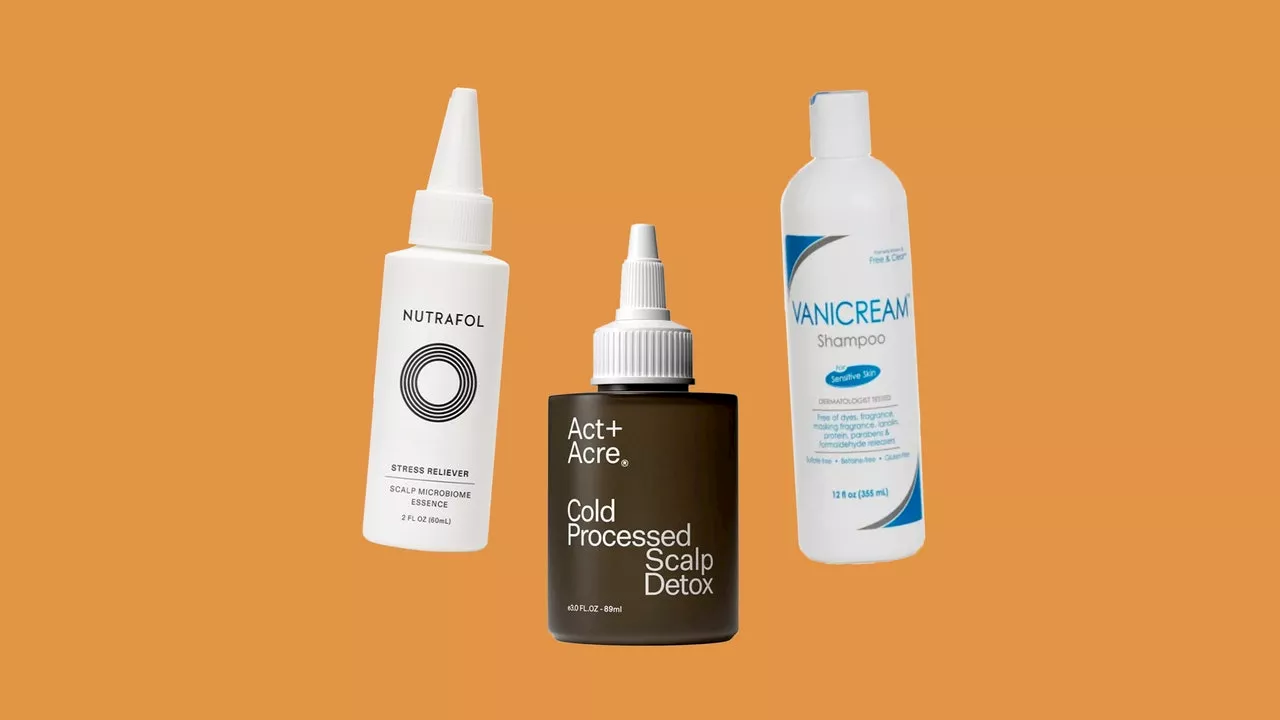 13 Over-the-Counter Scalp Psoriasis Treatments in 2024The best over-the-counter scalp psoriasis treatments are dermatologist-approved favorites. Shop now to find products for soothing and calming flare-ups.
Read more »
 Beyoncé Revealed She’s Dealt With Scalp Psoriasis While Promoting Her New Hair Care LineIn an Essence interview, Beyoncé revealed that she’s struggled with scalp psoriasis, which influenced her new hair care line, Cécred.
Read more »
 What to Know About Psoriasis, Because It’s Pretty CommonWhat Is Psoriasis? Symptoms, Types, and Treatments | SELF
Read more »
 EMA Approves Treatments for Psoriasis and Other Autoimmune DisordersThe biosimilar Pyzchiva is highly similar to Stelara, which was approved in the EU in 2009.
Read more »
 What Is Chronic Sinusitis, and How Is it Treated?Stuffy, sneezing, miserable: folks plagued by chronic sinusitis know the feeling all too well.
Read more »