
A study found that children with congenital cataract who received consistent daily patching after surgery were more likely to achieve near-normal vision.
Children with congenital cataract in one eye are more likely to achieve nearly normal vision when their caregivers maintain consistent daily patching schedules in the first year after surgery, particularly in the morning or at regular times every day. Researchers conducted a post hoc analysis of the Infant Aphakia Treatment Study to examine the association between the reported consistency in patching during the first year after unilateral cataract surgery and visual acuity.
They included data from 101 children whose caregivers completed 7-day patching diaries at 2 months after surgery or at age 13 months. The treatment protocol required caregivers to have their child wear a patch over the fellow eye for 1 hour daily from the second week after cataract surgery until age 8 months, followed by patching for 50% of waking hours until age 5 years. Consistent patching was defined as daily patching with an average start time before 9 AM or an interquartile range of the first application time of 60 minutes or less. Visual acuity in the treated eye was the primary outcome, assessed at ages 54 + 1 months and 10.5 years; participants with a visual acuity of 20/40 or better were said to have near-normal vision. Children whose caregivers reported consistent patching patterns demonstrated better average visual acuity at age 54 months than those whose caregivers reported inconsistent patching patterns (mean difference in logMAR visual acuity, 0.55; 95% CI, 0.22-0.87); the results were promising for children aged 10.5 years, as well. Data from the diary completed at age 13 months showed children whose caregivers reported patching before 9 AM or around the same time daily were more likely to achieve near-normal vision at age 54 + 1 months and 10.5 years (relative risk, 3.55; 95% CI, 1.61-7.80, and 2.31; 95% CI, 1.12-4.78, respectively) than those whose caregivers did not report such behavio
Cataract Surgery Vision Patching Children
United States Latest News, United States Headlines
Similar News:You can also read news stories similar to this one that we have collected from other news sources.
Cris Collinsworth Compliments Chiefs Lineman Jawaan Taylor on Consistent False StartsJawaan Taylor has so many uncalled false starts announcers are starting to compliment him.
Read more »
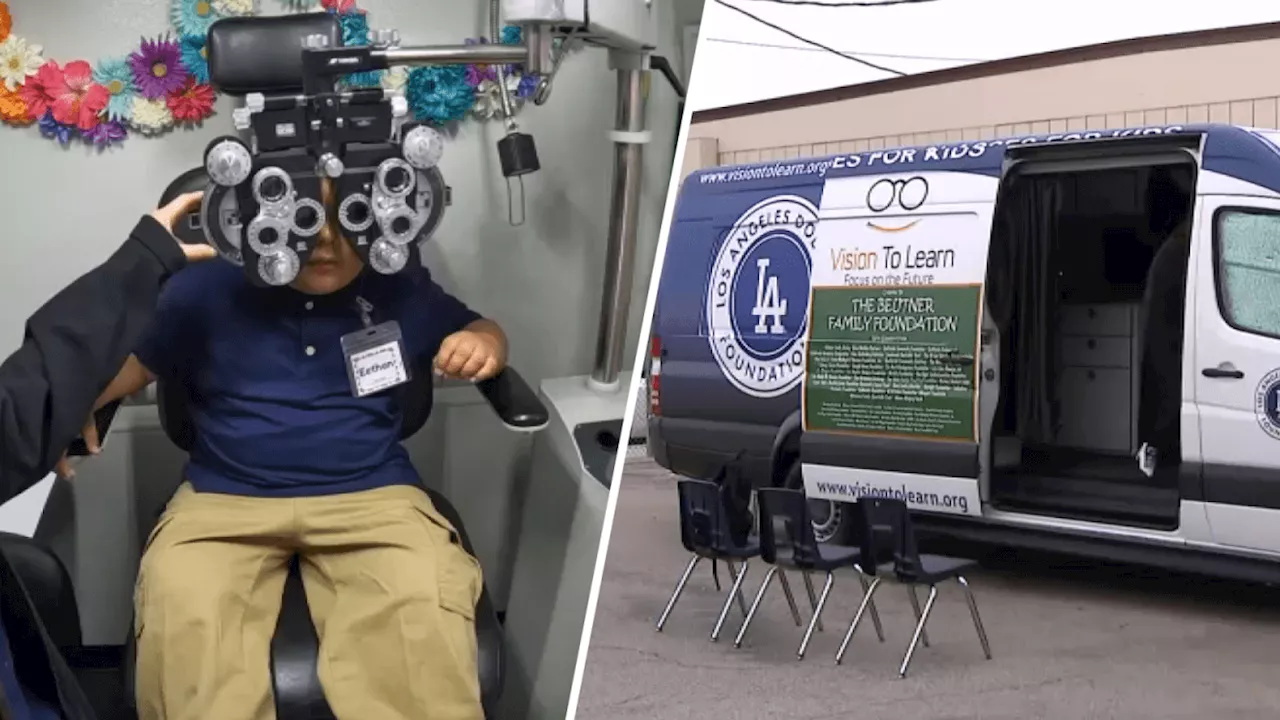 Vision to Learn Mobile Clinic Brings Free Eye Care to Underserved StudentsVision to Learn's mobile clinic provides free vision screenings, eye exams, and glasses to students in need, addressing a significant issue of uncorrected vision among children.
Read more »
 New study reveals how brain stimulation improves cognition, decision-making in mental health disordersResearchers have uncovered important insights that could improve how mental health conditions are treated with brain stimulation therapy -- a treatment where electrical signals are used to stimulate specific parts of the brain.
Read more »
 Methylphenidate Improves Driving Performance: A Simulator StudyA study investigated the effects of methylphenidate on driving performance in healthy individuals without ADHD. Results indicate that the stimulant improved driving performance, particularly in terms of lane weaving and speed consistency.
Read more »
 Sleep Improves Language Learning, Study FindsA new study reveals that getting enough sleep can significantly enhance your ability to learn new languages.
Read more »
 Multilingualism improves crucial cognitive functions in autistic children, study findsA new study adds to the growing body of evidence on the cognitive benefits of speaking multiple languages, finding that multilingualism not only enhances general cognitive abilities but also may help reduce certain symptoms and bolster control of daily thoughts and actions in children with and without autism.
Read more »