


A new study simulates the impact of asteroid Bennu on Earth, predicting catastrophic consequences for climate, ecosystems, and global food security.
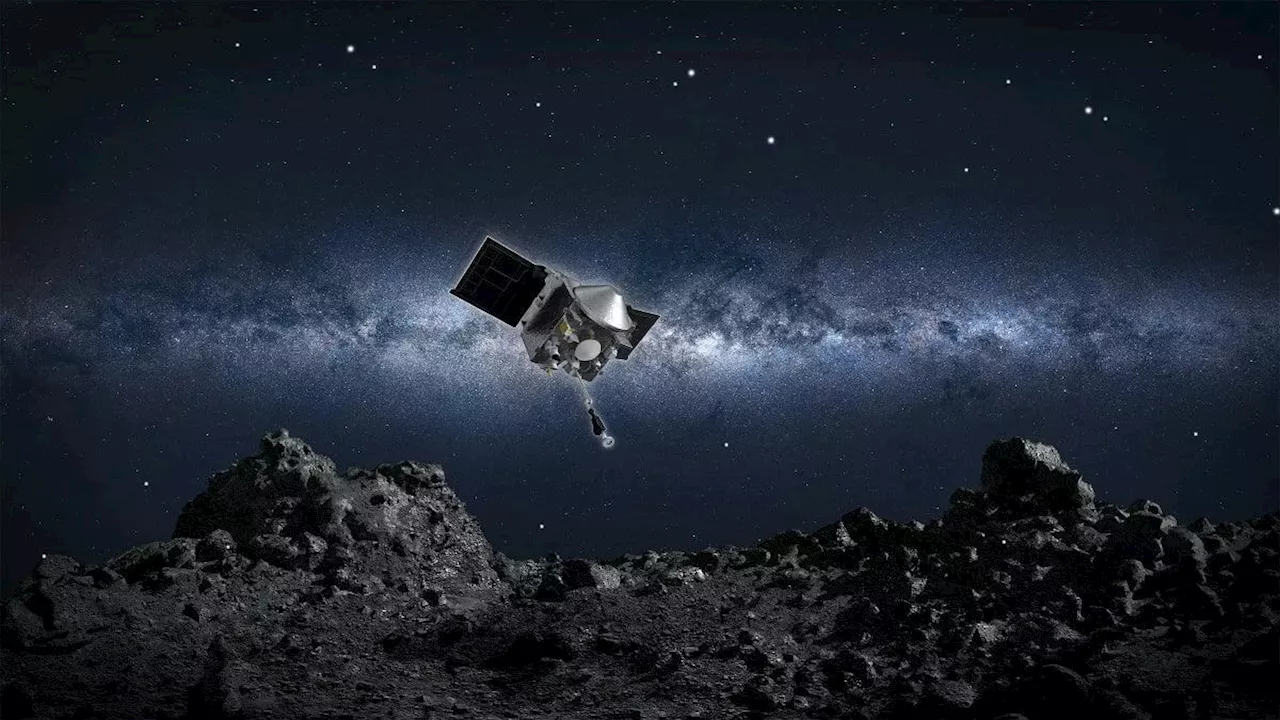
Scientists have simulated the catastrophic consequences of an asteroid collision with Earth, using the asteroid Bennu as a model. Bennu, a real asteroid that measures 0.31 miles (0.5 kilometers) in diameter and weighs an estimated 74 million tons (67 million metric tons), has been the subject of NASA's OSIRIS-REx mission. Researchers used supercomputer models to predict the impact's effects.
The immediate consequences would be devastating, generating powerful shockwaves, thermal radiation, tsunamis, earthquakes, a crater, and ejecta around the collision site. However, the long-term effects would be global, primarily due to the massive dust cloud ejected into the upper atmosphere. This dust cloud could cool global temperatures by as much as 7.2 degrees Fahrenheit (4 degrees Celsius) and reduce global rainfall by approximately 15%, leading to a prolonged 'impact winter' characterized by reduced sunlight, cold temperatures, and decreased precipitation.The study's authors, published in the journal Nature, predict a 30% reduction in global plant photosynthesis and a 15% reduction in global rainfall, threatening global food security. These weather pattern changes could last for more than four years after the initial impact. Additionally, the dust plume would deplete the ozone layer, leading to severe ozone depletion in the stratosphere. The researchers acknowledge that not every organism would be negatively affected. The presence of iron-rich dust could potentially benefit certain types of ocean algae, though this could also disrupt ocean ecosystems. While Bennu poses a minimal threat to Earth in the near future, with a 1 in 2,700 chance of hitting Earth in 2182, understanding its potential impact highlights the importance of planetary defense efforts.
ASTEROID PLANETARY DEFENSE CLIMATE CHANGE FOOD SECURITY OZONE DEPLETION
United States Latest News, United States Headlines
Similar News:You can also read news stories similar to this one that we have collected from other news sources.
 Asteroid Bennu Holds Clues to the Origins of LifeAnalysis of the OSIRIS-REx sample from asteroid Bennu reveals the presence of all five nucleobases, alongside minerals reminiscent of Earth's ancient lakebeds, suggesting the raw ingredients for life were present in the early solar system.
Read more »
 Asteroid Bennu Samples Reveal Clues to the Origins of LifeNASA's OSIRIS-REx mission has delivered samples from asteroid Bennu, which contain the building blocks for life and may have played a role in its emergence on Earth.
Read more »
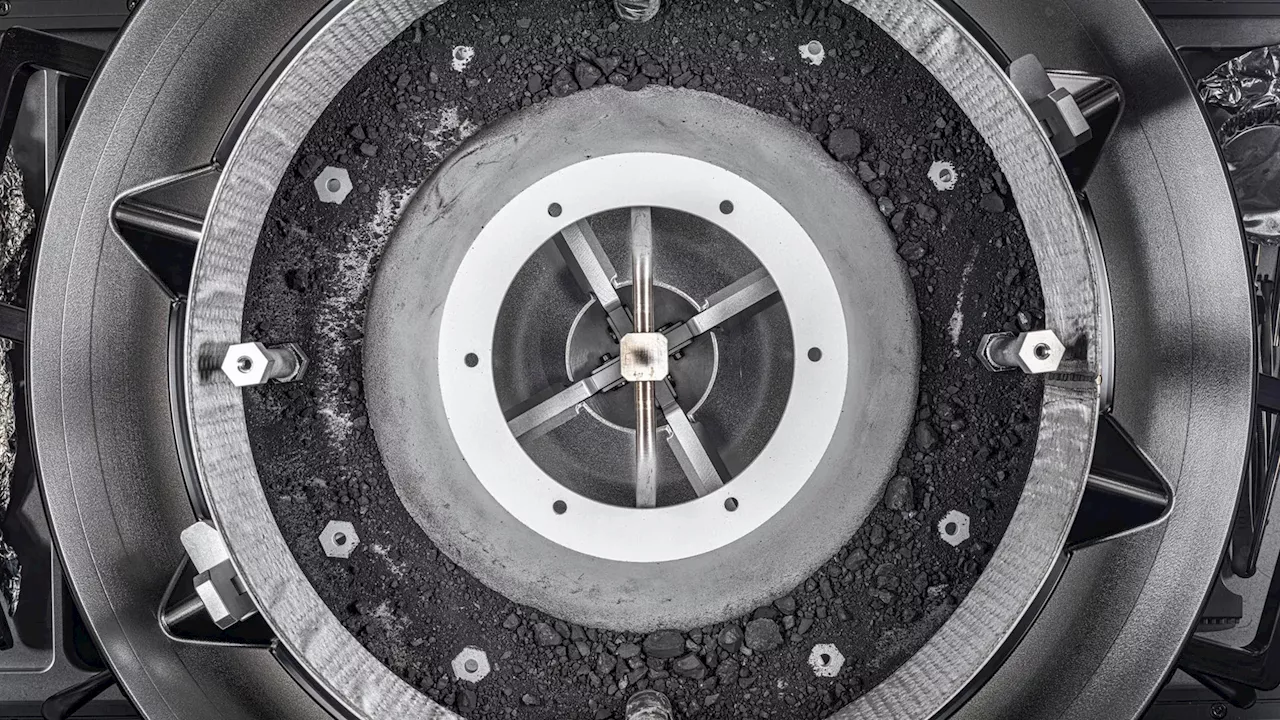 Surprise Discovery: Evidence of Liquid Water in Asteroid Bennu's PastA new study reveals the presence of compounds indicating the existence of liquid water pockets in Bennu's parent asteroid millions of years ago, raising exciting possibilities about the origins of life.
Read more »
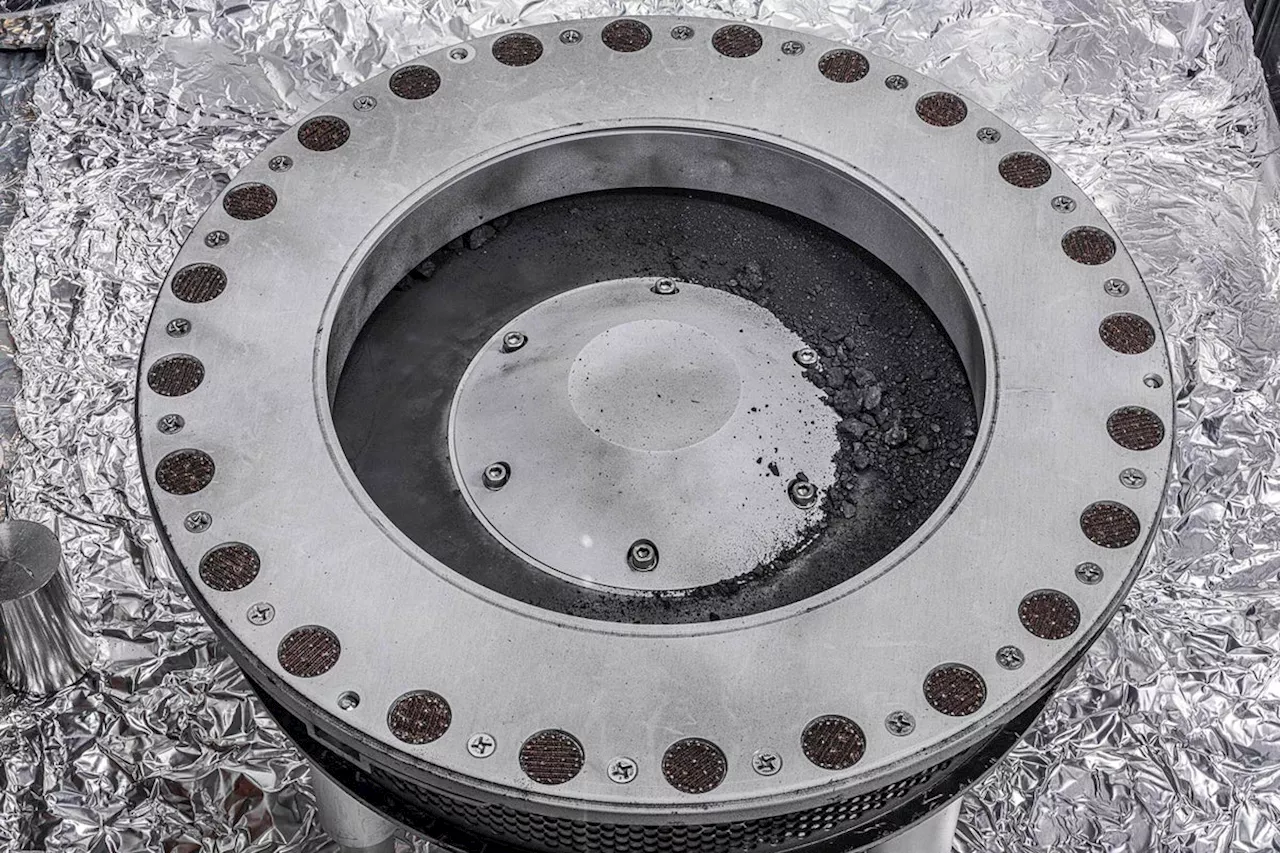 Bennu Asteroid Samples Reveal Widespread Building Blocks of Life in Early Solar System.Analysis of material from asteroid Bennu by NASA's OSIRIS-REx spacecraft reveals the presence of organic compounds, including amino acids and nucleotide bases, indicating that the fundamental building blocks of life were abundant in the early solar system.
Read more »
 Asteroid Bennu Sample Reveals Molecules Key to Life and Evidence of Ancient SaltwaterNASA's OSIRIS-REx mission delivered samples from asteroid Bennu to Earth in 2023. Analysis of these samples revealed molecules essential for life on Earth, including amino acids and nucleobases, as well as evidence of ancient saltwater environments. These findings suggest that the conditions necessary for the emergence of life were widespread in the early solar system, increasing the odds of life forming on other planets and moons.
Read more »
 Asteroid Bennu Hints at Early Solar System's Building Blocks for LifeAnalysis of asteroid Bennu's sample reveals organic molecules, including those essential for life, suggesting the presence of primordial pools on its parent body. However, the lack of asymmetry in these molecules indicates that life may not have emerged in these ancient environments.
Read more »