
Social media has evolved, with algorithms now controlling what we see, when we see it, and for how long. Dive in to understand how this shift impacts us.
Short-form content fuels passive consumption, affecting attention and focus, especially in youth.Co-authored by Nigel Bairstow, Ph.D., and Jeremy Neofytos, Research Assistanthas shifted dramatically, moving away from the early ideals of user-led connection toward platforms that increasingly control users' digital lives.
Originally, social media was designed to allow people to stay connected with friends, share their experiences, and engage in discussions they cared about. However, recent changes—the rise of algorithm-driven feeds and the integration of short-form video content—have transformed the platforms. This results in users being stripped gradually of their agency, turning these platforms into data-driven tools where algorithms decide what users see and when. One major move in social media has been the algorithmic feed, which has replaced the simple chronological timeline many platforms once used. Initially, users could control their feeds by choosing whom to follow, with posts from these connections appearing in real-time order. This empowered users, allowing them to shape their social media experience based on personal preferences and relationships. Now, we find that most platforms have moved to popularity-based algorithms that prioritise content based on its likelihood of generating engagement. Through complex metrics analysing user demographics, behaviours, and trends, these algorithms organise content around how to maximize time spent on the platform. The result? Users we find often view content from popular creators or trending topics instead of updates from friends and selected accounts. This change has resulted in the “follow” button almost worthless, as users no longer control what they view—content is now dictated by the platform's engagement The proliferation of short-form video content has resulted in diminished user control. As many platforms compete to replicate TikTok's success with short, looping videos, many have developed similar features, often with dedicated tabs or feeds exclusively for this type of content. Short-term video content appeals to our human need for instant gratification by presenting us with endless streams of bite-sized entertainment. However, they come with a trade-off: short-form content is closely associated with decliningreport shows that nearly half of Gen Z wish that short-form video content hadn’t become a mainstay in social media, with many expressing concerns about its impact on their focus and. However, users are finding it very difficult to turn off these features or limit their exposure time to short-form content, suggesting that platform design often highly prioritizes engagement metrics over user autonomy, control, and what they really want to view. This lack of control is a big concern for younger users, whose developing brains are more vulnerable to the effects of frequent, rapid-fire content exposure. The shift in social media platforms from user-led spaces to algorithmically curated ones has changed the customer experience from one of autonomy and connection to something more akin to an addictive cycle. By continuously presenting users with a carefully selected flow of trending or popular content, social media mimics the characteristics of an addictive substance, pulling users back into a loop of passive consumption. Where platforms once encouraged people to “capture the moment” and connect with one another, many now prioritise perpetual engagement at the expense ofand user choice. This transformation has led to a subtle yet powerful alienation of the individual user from the platform’s original purpose. The rapid change and movement of social media towards a more controlled, algorithm-driven environment raise a bigger issue: users’ agency is being eroded in favour of revenue-driven metrics. We live in a world where data is king, platforms are increasingly treating users as data points, organising their content based on statistical probabilities rather than personal preferences. Instead of platforms that empower individuals to create and consume content freely, social media is becoming a passive experience, one where users have little say in what they encounter or when they encounter it. Many experts and users are calling for greater transparency and government regulations in how algorithms work and for features that will promote a moreengagement for users. Options that appear viable are enabling chronological feeds, reducing the emphasis on short-form content, or making these features optional, which could help users reclaim their experience. As social media will continue to play an ever-greater role in our daily lives, these changes will represent a return to the core purpose of social media: authentic connection and self-expression in a digital world that respects individual agency.When we fall prey to perfectionism, we think we’re honorably aspiring to be our very best, but often we’re really just setting ourselves up for failure, as perfection is impossible and its pursuit inevitably backfires.
Trending
 A gorgeous April afternoon in store across the Denver metro area
  ‘Artemis Mission Cannot Lead To Interplanetary Wild West,’ Astronomer Warns
  Trump says US forces will ‘finish the job’ soon in first prime-time speech since starting Iran war
  Former Wisconsin football player, who left the sport amid mental health struggles, dead at 24
  Drew McIntyre Gives Honest Take About His Recent WWE Title Reign
  U.S. Sen. Bernie Sanders introduces bill that could keep the Padres in San Diego
 United States Latest News, United States Headlines
Similar News:You can also read news stories similar to this one that we have collected from other news sources.
 Judges let algorithms help them make decisions, except when they don’tA researcher interviewed more than two dozen judges to learn about how they use algorithmic risk scores to determine when to let defendants out of jail before trial.
Read more »
 Judges are using algorithms to justify doing what they already wantA researcher interviewed more than two dozen judges to learn about how they use algorithmic risk scores to determine when to let defendants out of jail before trial.
Read more »
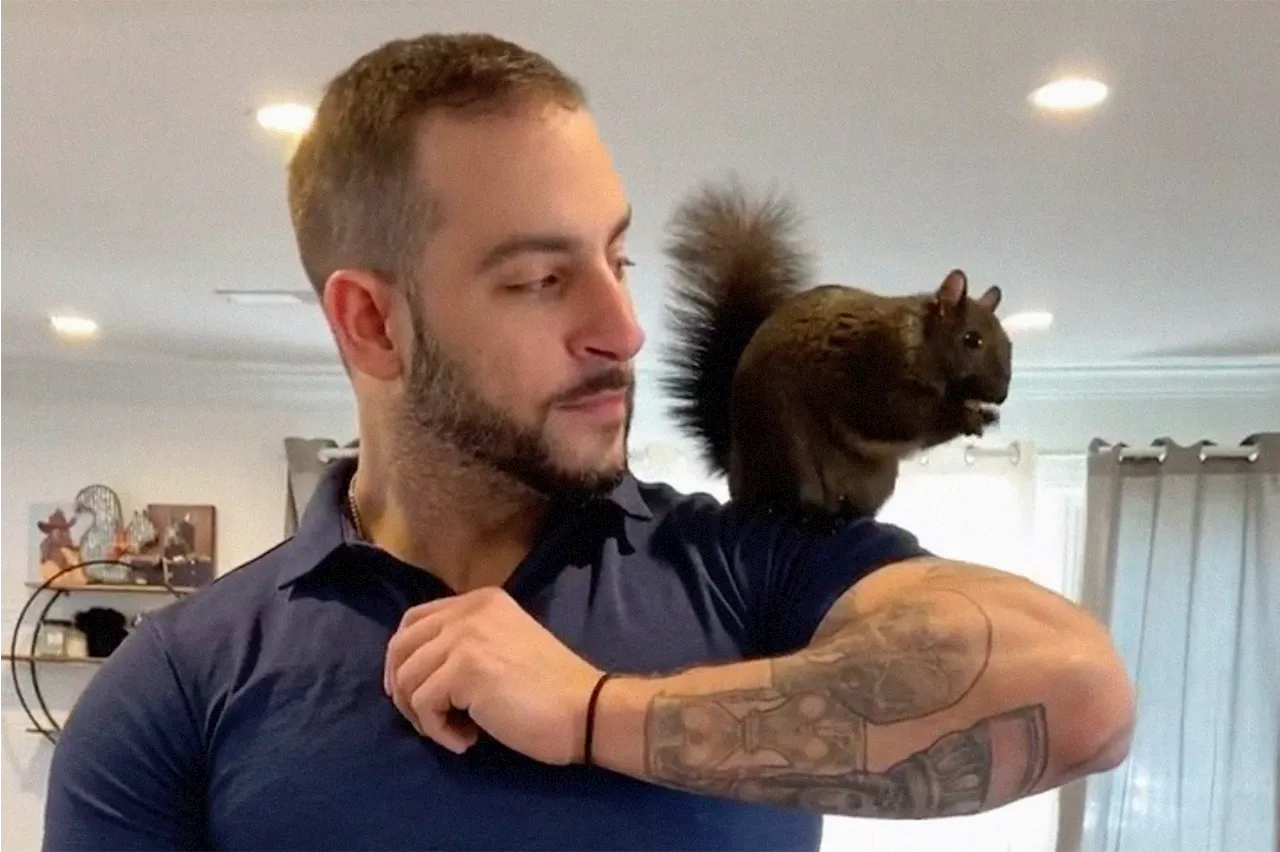 Here’s Why Trump’s Campaign Is Posting About a Dead SquirrelPeanut was a mainstay on social media — and his euthanization sparked a backlash on social media.
Read more »
 EXCLUSIVE: Anti Social Social Club Celebrates 10th Anniversary With International ExpansionStreetwear brand Anti Social Social Club is celebrating its 10th anniversary with international expansion to the U.K. and South Korea. See exclusive details here.
Read more »
 A new study analyzed the algorithms of people with and without an eating disorder.Could social media algorithms exacerbate disordered eating? A new study analyzed the TikTok algorithms of people with and without an eating disorder, with striking results.
Read more »
 Algorithms Are Coming for Democracy—but It's Not All BadBeyond the deepfakes and disinformation, the potential for AI to make politics more accessible and equitable cannot be ignored.
Read more »