


The Habitable Worlds Observatory (HWO) promises to revolutionize exoplanet research, but some argue that our focus on Earth-like planets within the habitable zone may be too narrow. Is it time to explore the edges of what we consider habitable and search for life in unexpected places?
The Habitable Worlds Observatory (HWO), NASA's planned successor to the James Webb Space Telescope, is poised to be a groundbreaking instrument. Employing a similar origami-like design as its predecessor, the HWO is projected to span 6-8 meters in diameter. Its primary mission is to directly image nearby exoplanets, searching for biosignatures—indicators of life as we know it. The HWO is estimated to cost $11 billion and is scheduled for launch in the first half of the 2040s.
However, given the complex development history of the James Webb Telescope, these timelines and costs are likely optimistic estimates. Despite the significant investment, the HWO aims to survey a relatively small number of 25 potentially habitable Earth-like worlds. Experts argue that a more diversified approach to life-hunting is crucial for maximizing success. This means exploring a wider range of celestial bodies beyond our current assumptions about habitable environments. Currently, our search for life primarily focuses on Earth-like planets within the habitable zone of their stars, where conditions are suitable for liquid water. This approach is based on the fact that all known life on Earth thrives in such environments. We understand how life on Earth interacts with planetary atmospheres, increasing the likelihood of detecting biosignatures. However, our limited understanding of life could lead to overlooking potential life forms in unexpected environments.Consider methanogens, Archaea that consume hydrogen and release methane as a byproduct. They could potentially exist on Mars, not on the surface but in subsurface environments. Another surprising possibility is life in the outer reaches of our solar system, particularly on the icy moons of giant planets. Many of these moons harbor vast liquid water oceans, making them prime candidates for extraterrestrial life. Had we solely focused on the habitable zone within our solar system, we might have missed the potential for life on these intriguing moons.This lesson from our own backyard should be extended to the wider galaxy. Researchers are already exploring the limits of what life could be and where it might thrive, drawing inspiration from extremophiles on Earth and cutting-edge research on habitability. Before committing billions of dollars to a next-generation mega-observatory, we should carefully evaluate all potential avenues for discovering life beyond Earth.
Exoplanets Life Hunting Habitable Zone Extremophiles Habitable Worlds Observatory
United States Latest News, United States Headlines
Similar News:You can also read news stories similar to this one that we have collected from other news sources.
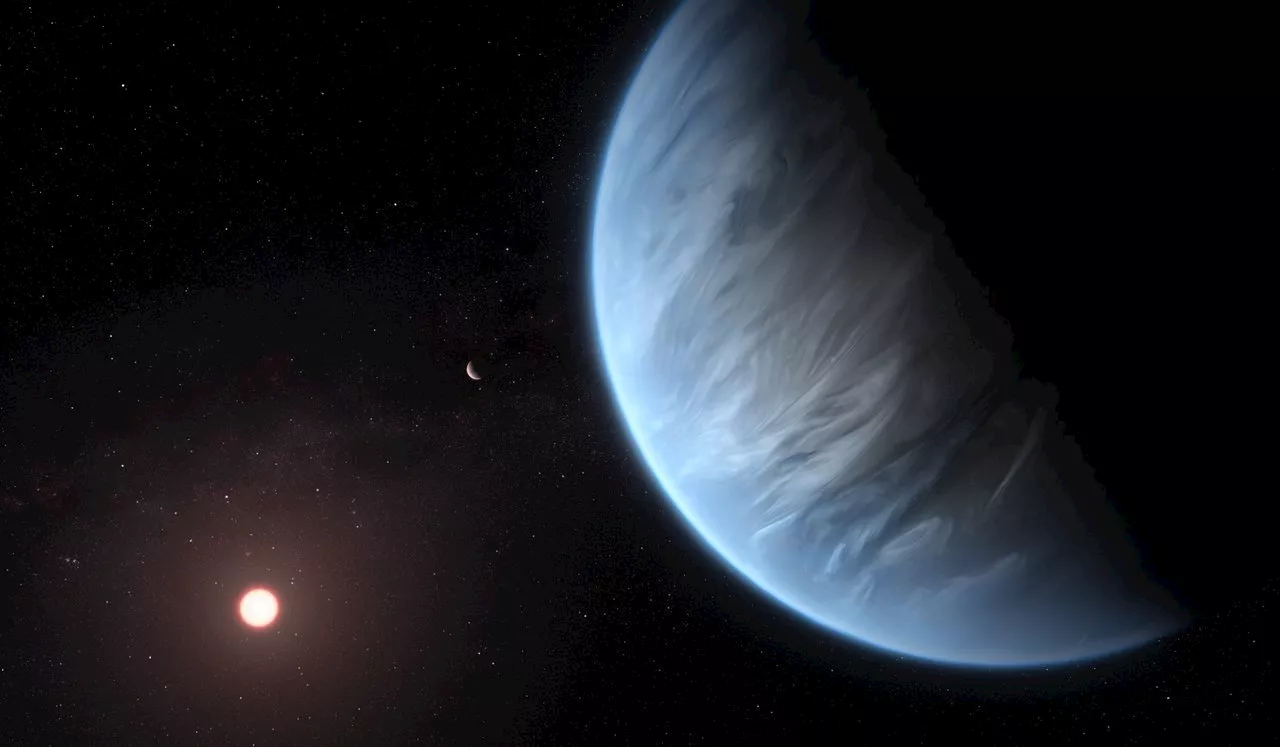 Could Habitable Planets Have Formed Before Galaxies?New research suggests that habitable worlds could have formed in the early stages of the Universe, even before the first galaxies formed. This idea challenges the long-held belief that galaxies came first. The research hinges on the existence of primordial supernovae, the first stars in the Universe to explode. These massive stars would have created conditions that allowed for the formation of low-mass stars and, eventually, planetesimals and planets.
Read more »
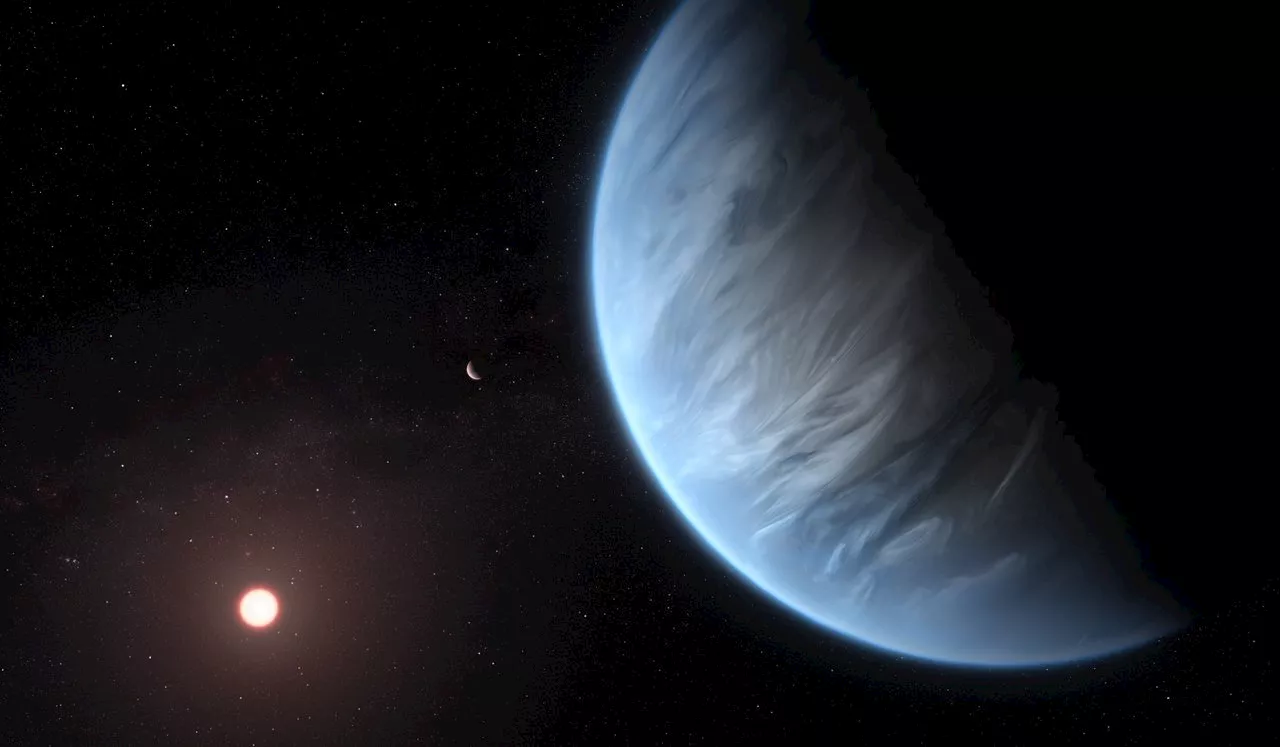 Habitable Worlds Could Have Formed Before the First GalaxiesNew research based solely on simulations shows how habitable worlds could have formed before any galaxies formed.
Read more »
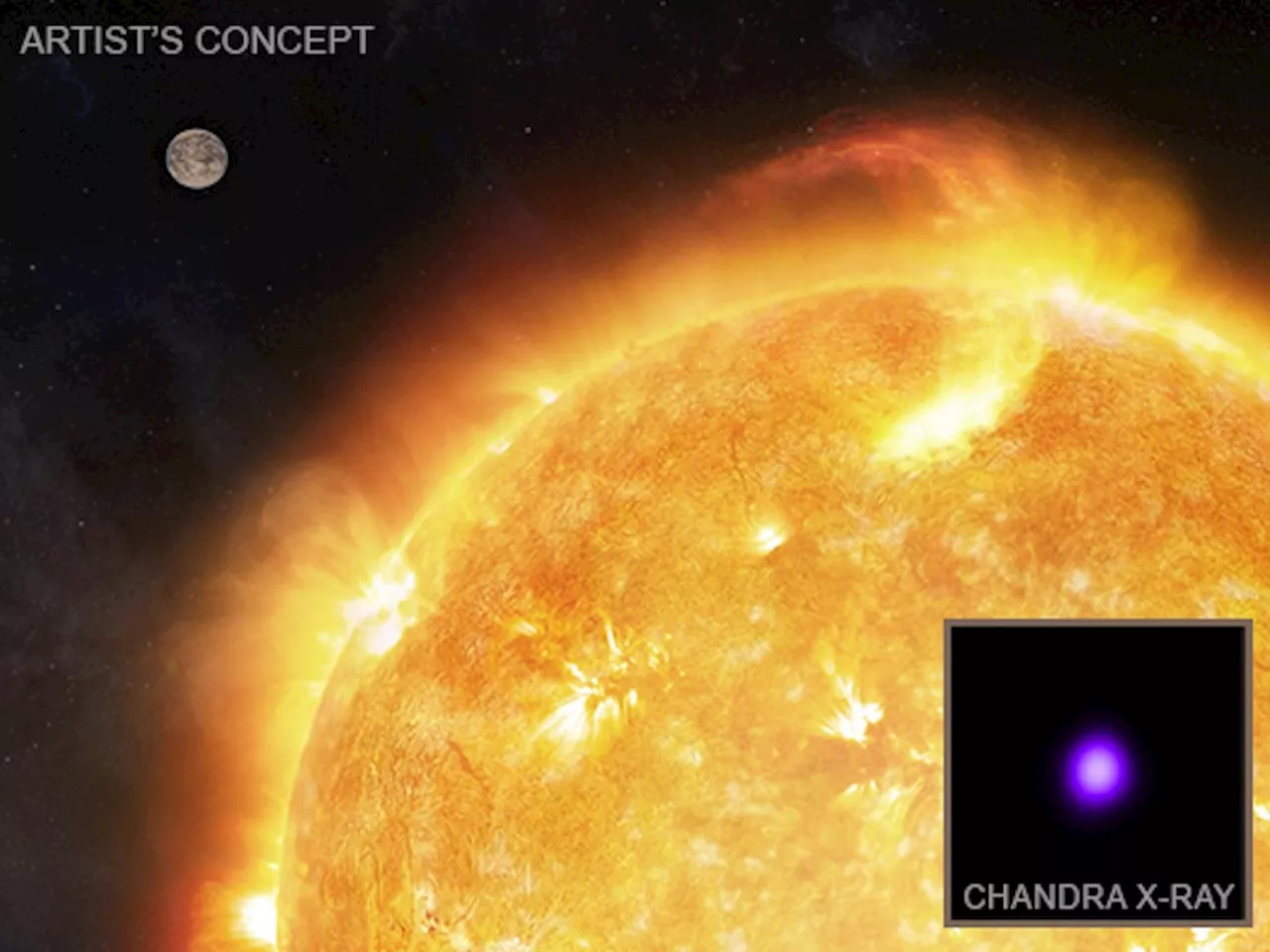 Red Dwarf Star Wolf 359 Unleashes Powerful X-Ray Flares, Posing Risks to Habitable PlanetsA recent study using NASA's Chandra X-Ray Observatory has revealed that the red dwarf star Wolf 359, located just 7.8 light-years from Earth, emits intense X-ray flares that could be detrimental to the existence of life on any planets orbiting it.
Read more »
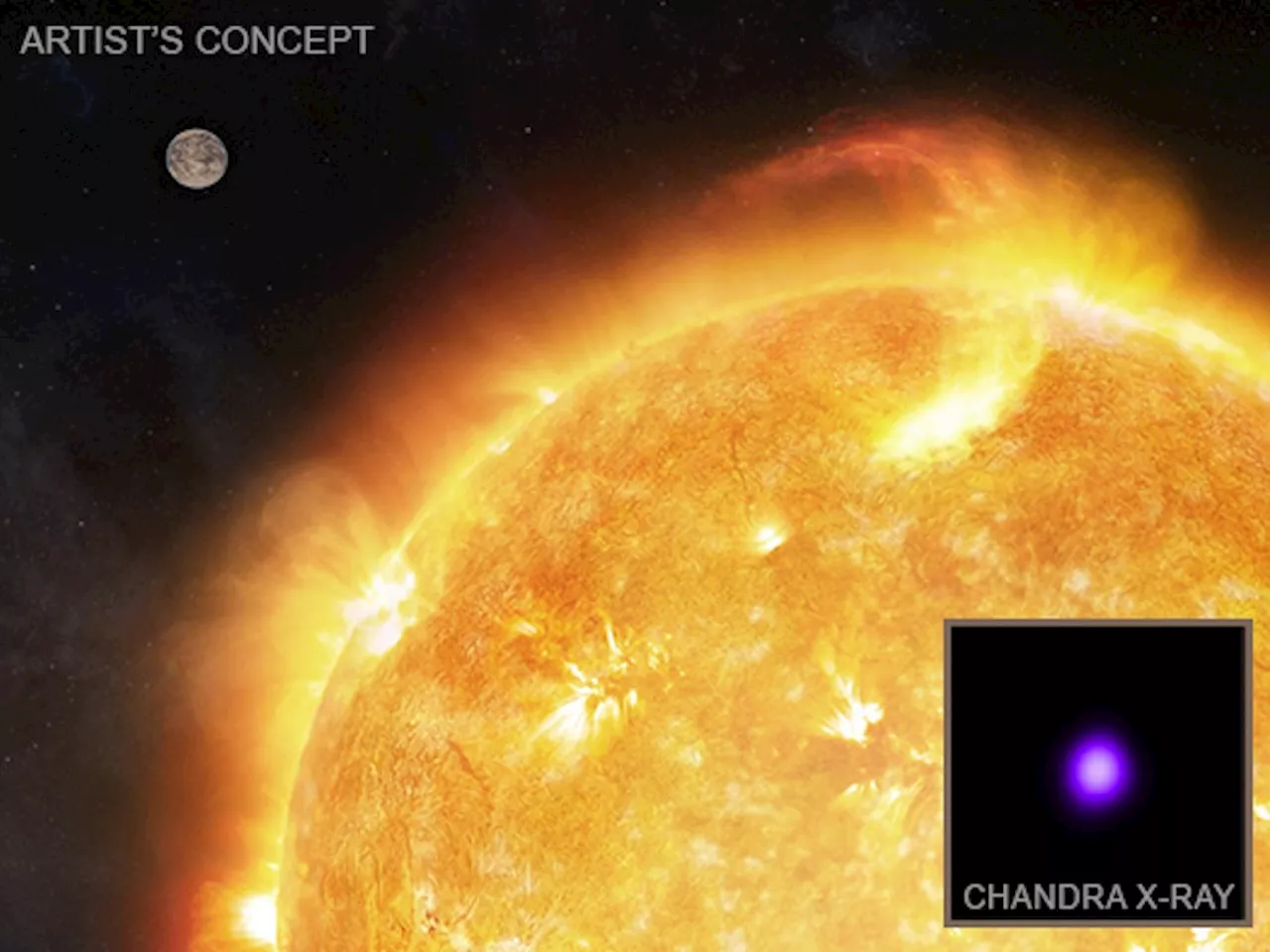 The Explosive Nature of Red Dwarf Stars: A Challenge to Habitable PlanetsNew research using the Chandra X-Ray Observatory reveals the intense X-ray flares emitted by the red dwarf star Wolf 359, raising concerns about the habitability of any planets orbiting this star.
Read more »
 Musk It: The Next Memecoin Giant?Following an article in Fortune Magazine, Musk It has sparked speculation as the next breakout memecoin, fueled by its undeniable ties to the Musk family. While Elon Musk hasn't officially commented, his father's involvement and potential interest in the project have crypto enthusiasts buzzing. Could Musk It follow the path of Dogecoin, skyrocketing to unprecedented heights?
Read more »
 AMD’s next-gen GPUs to go on sale next monthEarly product listings confirm that the RX 9070 GPUs will go on sale starting March 6
Read more »