
A five-day-old great Indian bustard chick, Arambh, hatched through artificial insemination, marking a significant milestone in conservation efforts. The program, aimed at saving the dwindling population of this critically endangered species, involves captive breeding and the use of artificial insemination techniques.
The great Indian bustard, a critically endangered species , has seen a glimmer of hope with the successful breeding program developed by the Indian government. Arambh, a five-day-old great Indian bustard chick, hatched through artificial insemination at the Wildlife Institute of India. This groundbreaking event marks the first successful artificial insemination of this species, a crucial step in the ongoing effort to save the dwindling population.
The great Indian bustard, with its distinctive black crown and large, sandy brown wings, once stood as a contender for India's national bird. However, due to relentless hunting, electrocution from power lines, egg poaching, and habitat loss, their numbers have plummeted to fewer than 250 individuals. Recognizing the urgency of the situation, conservationists have implemented a decade-long program to protect the species, including captive breeding initiatives. Thanks to these efforts, the bird's population has seen some improvement. In 2013, the project began, which has increased the bird's numbers to approximately 195 over the past decade. Around 150 great Indian bustards live in the wild, primarily in the northwestern Thar Desert, while 45 are housed in Rajasthan breeding centers. Arambh's parents, Toni and Suda, are among these captive birds. Arambh's birth in October 2024 was a cause for celebration, signifying a significant step forward in the conservation journey.To enhance the captive breeding program, scientists are employing artificial insemination techniques, previously successful in boosting the populations of other endangered species like the Houbara bustard in the United Arab Emirates. Recognizing the importance of this method, the Abu Dhabi-based breeding center is providing specialized training to the Project Great Indian Bustard team. The artificial insemination process poses its own set of challenges, particularly in persuading the male bustards to release their semen. Transporting a male from one breeding center to another and placing him in an enclosure with a female can induce stress, hindering their natural courtship displays. Recognizing this, researchers have developed a unique solution: training male birds to mate with a wooden dummy.This dummy, resembling a 13-inch-tall squatting female bustard, is designed to mimic the movements and responses of a real female. When a male starts displaying breeding behaviors, he is presented with the dummy, whose neck is flexible and moves in response to the male bustard's pecking. This training process has proven successful, allowing scientists to collect semen from males in a controlled and stress-free environment. The collected sperm is then artificially inseminated into captive females chosen for their genetic distinctiveness, further ensuring the health and diversity of the captive population.The success of this breeding program hinges on the strong bond between the male bustards and their human trainers. To achieve this, trainers allow the birds to imprint on them from birth, fostering a sense of trust and familiarity. This close relationship allows the birds to learn to accept the trainers as part of their species and follow their commands.While captive breeding is crucial for preserving the species, the ultimate goal is to reintroduce these birds back into their natural habitat. Therefore, chicks destined for release into the wild are raised in large outdoor aviaries, shielded from human interaction. At three to six months old, these young birds are tagged with radio trackers and carefully released into the Rajastan desert, where they can hopefully contribute to the restoration of their wild population
Great Indian Bustard Conservation Artificial Insemination Captive Breeding Endangered Species
United States Latest News, United States Headlines
Similar News:You can also read news stories similar to this one that we have collected from other news sources.
 Lavish California-Indian Restaurant Eylan to Open in Menlo ParkEylan, a new 148-seat California-Indian restaurant specializing in live fire cooking and regional Indian specialties, will open its doors in Menlo Park on January 15th. Led by the team behind Ettan, Copra, and Little Blue Door, Eylan will feature a wood grill serving fire-licked proteins and traditional Indian breads. The menu will showcase small plates, highlighted mains, and Indian breads, including unique variations filled with sweet potato and Dungeness crab. Guests can also enjoy an extensive wine list, craft cocktails, and mocktails.
Read more »
 The fastest growing job sector is AI, report saysThe top two jobs were artificial intelligence engineer and artificial intelligence consultant.
Read more »
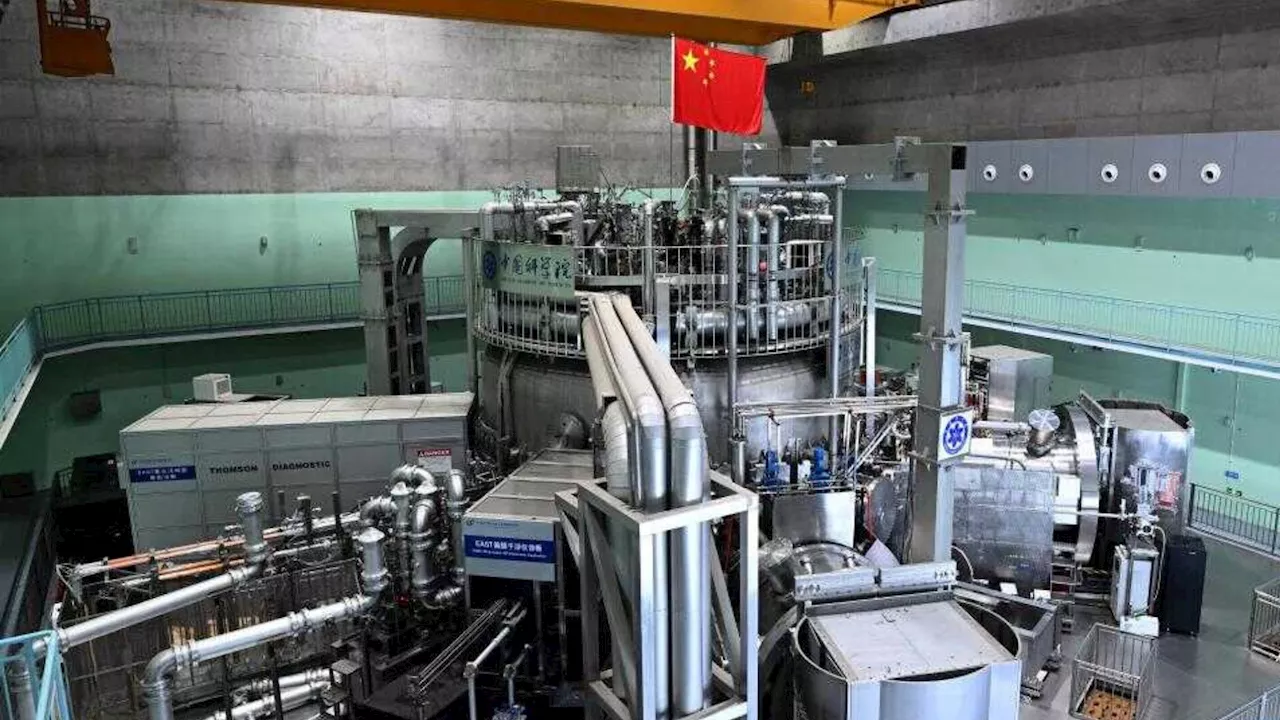 China's 'Artificial Sun' Achieves 1,006 Seconds of Continuous Fusion PlasmaChina's Experimental Advanced Superconducting Tokamak (EAST), nicknamed the 'artificial sun,' has set a new world record by sustaining plasma temperatures above 180 million degrees Fahrenheit for an unprecedented 1,006 seconds. This breakthrough brings China closer to realizing its ambition of harnessing nuclear fusion for clean energy.
Read more »
 Trump Announces $500 Billion Artificial Intelligence Investment in AmericaSource of breaking news and analysis, insightful commentary and original reporting, curated and written specifically for the new generation of independent and conservative thinkers.
Read more »
 India Prepares to Repatriate 18,000 Illegal Migrants from the USIndian officials are collaborating with the US government to identify and repatriate approximately 18,000 Indian citizens residing in the US illegally. This initiative aims to deter illegal migration and promote legal pathways for Indian nationals seeking to enter the US. The Indian government hopes that the Trump administration will safeguard legal immigration channels, such as student visas and the H-1B program, in return for its cooperation.
Read more »
 Unlocking the Future: Embracing Artificial Intelligence EducationExplore the transformative potential of AI technology and its impact on the global economy. Discover how universities and colleges are preparing students for the future workforce by offering specialized AI programs and courses.
Read more »