
A new study reveals that individuals with a fearful attachment style are at a significantly higher risk of developing emotional dependence in romantic relationships. This emotional dependence, often referred to as 'love addiction,' can have detrimental effects on both well-being and relationships.
Romantic involvement can sometimes display dysfunctional characteristics akin to addictive behaviors, a phenomenon known as emotional dependence on the partner or ' love addiction .' If left unaddressed, these behaviors can negatively impact both romantic relationships and overall emotional well-being and health.
Recognizing the clinical significance of this issue, researchers from the Libera Universitas Maria Santissima Assunta in Rome and the University of Florence, Italy, conducted a study to identify potential psychological risk factors for emotional dependence among university students. Published in the journal , the researchers investigated the interplay of factors such as adult attachment, separation anxiety, and defense mechanisms associated with love addiction in young adults. A total of 332 college students, with an average age of 23 years, participated in the study. Participants completed a survey encompassing the Love Addiction Inventory – Short Form, Relationship Questionnaire, Seven Domains Addiction Scale (Separation Anxiety domain), and 40-Item Defence Style Questionnaire.The results revealed a significant link between fearful attachment (characterized by Horowitz as a negative image of both self and others, coupled with high anxiety and avoidance) and emotional dependence or 'love addiction.' This association was further mediated by separation anxiety and neurotic or immature defense mechanisms. The authors explained that emotional dependence may serve as a coping mechanism for regulating internal emotional states. Individuals with a fearful attachment style often possess low self-esteem and fear abandonment, reinforcing their reliance on external sources for emotional regulation. Moreover, these individuals may employ maladaptive defense mechanisms to suppress or avoid confronting painful emotions.This study marks the first to examine the interplay of diverse variables concerning emotional dependence on a partner in young adults. The findings highlight a crucial and positive association: Fearful attachment as a significant risk factor for dependence. However, the authors acknowledged the need for studies involving larger and more diverse populations, including various demographic groups, as all participants in this study were university students. Notably, 80% of the participants were women, limiting the analysis of emotional dependence in men. Despite these limitations, the findings contribute to the existing literature on 'love addiction,' offering valuable insights into the psychological mechanisms underlying this phenomenon and paving the way for future research and clinical practice. The authors concluded that targeted interventions addressing attachment-related issues, separation anxiety, and maladaptive defense mechanisms may prove effective in preventing and treating emotional dependence
Emotional Dependence Love Addiction Fearful Attachment Separation Anxiety Defense Mechanisms
United States Latest News, United States Headlines
Similar News:You can also read news stories similar to this one that we have collected from other news sources.
 The attachment and caregiving systems in dog ownership.The attachment and caregiving systems explain the deep bonds we form with dogs, enhancing mental health through connection, purpose, stress reduction, and emotional healing.
Read more »
 Barbara Corcoran Loses Mobile Home in Wildfires, Reflects on the 'Emotional Attachment'Real estate mogul Barbara Corcoran lost her beloved mobile home in the recent wildfires in Los Angeles. Corcoran, who purchased the luxury trailer in 2017 for $800,000 and renovated it for $150,000, expressed deep sadness over the loss, describing it as a 'sweetheart' and a 'little lover.' She has chosen not to return to see the remains, stating she wants to protect herself from the painful memories.
Read more »
 Emotional Intelligence vs. Being Emotional: Understanding the DifferenceThis article explores the common misconception that emotional intelligence and being emotional are synonymous. It clarifies that while both involve emotions, they are distinct concepts. Emotional intelligence is a skillset focused on understanding, managing, and utilizing emotions effectively, while being emotional simply refers to the capacity to feel deeply. The article highlights the importance of emotional intelligence for personal and interpersonal growth, emphasizing its role in building strong relationships, resolving conflicts constructively, and making wiser decisions.
Read more »
 Lucinda Williams Embraces Band Dynamics on New Album 'The Attachment Theory'Lucinda Williams, known for her introspective and solitary songwriting, ventures into a new musical realm with her band, 'The Attachment Theory.' The album showcases a more groove-oriented sound, driven by collaboration and electronic influences. While maintaining her signature emotional intensity, Williams explores themes of modern life, technology addiction, and the complexities of relationships.
Read more »
 Childhood Loss May Drive Creativity and Secure AttachmentResearch suggests that childhood loss may lead to increased oxytocin and dopamine activity, resulting in enhanced attachment abilities and creative problem-solving skills in adulthood.
Read more »
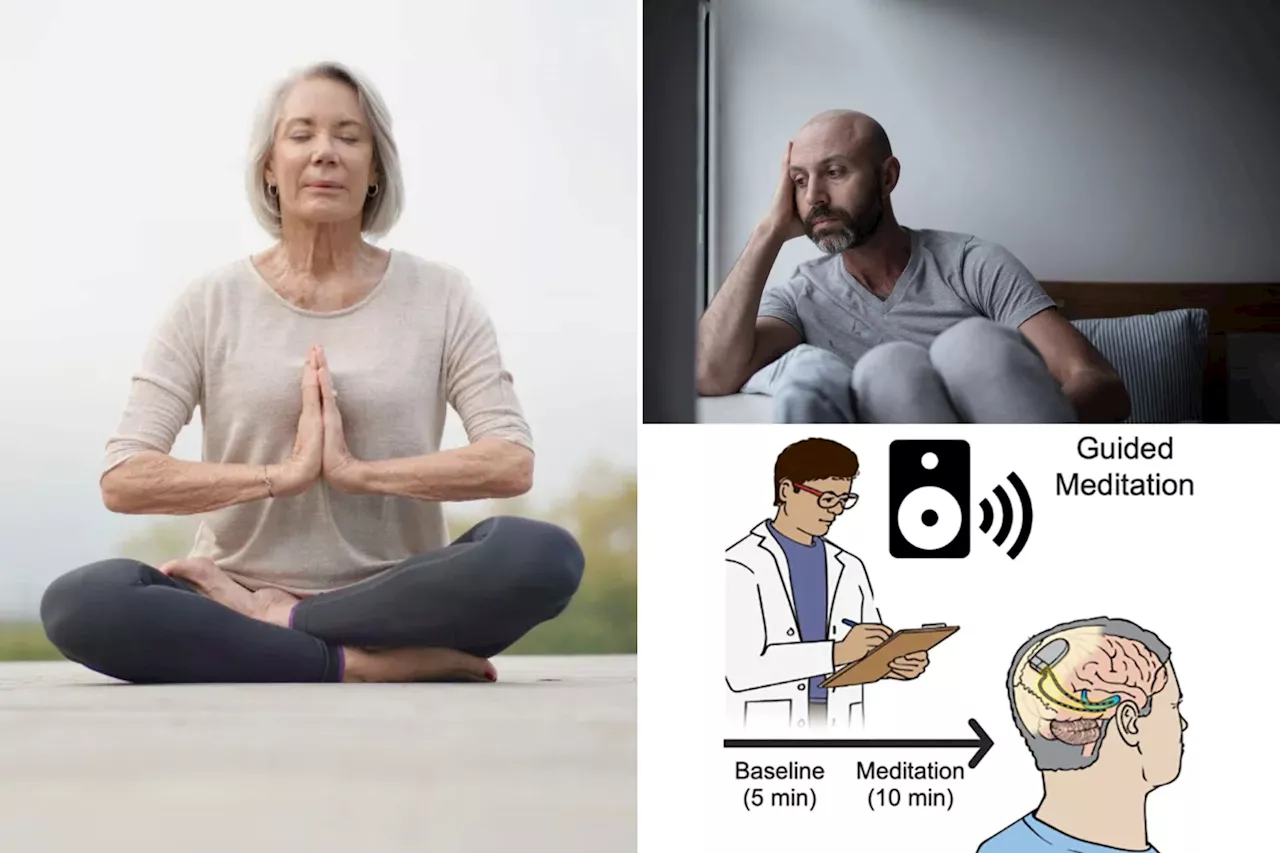 Meditation Changes Brain Activity Linked to Emotional Regulation and MemoryA new study using implanted electrodes in epilepsy patients reveals how meditation influences brainwave patterns in areas responsible for emotions and memory, shedding light on its calming effects.
Read more »