The Soap Factory Apartments in downtown San Antonio would be replaced by private development around the Missions baseball stadium.
Between the two of them, Juan Martinez and Tom Garza have lived downtown at the Soap Factory Apartments for 56 years. Martinez pays about $1,300 a month for a three-bedroom unit at the complex on North Santa Rosa Street , about a half-mile north of his job as a truck driver at Bill Miller Bar-B-Q .
Garza, a retiree on a fixed income, often catches buses at stops bordering Soap Factory to get to medical appointments and pays about $1,000 a month for a one-bedroom apartment he shares with his brother. Now, both are wondering where they’ll live if the complex is razed to make way for a new downtown ballpark for the San Antonio Missions baseball team. Residents have received official notice that it’s coming. RELATED: San Antonio initially called new ballpark proposal ‘far out there.’ Here’s how a deal was reached. Garza is afraid a move will force him to live alone — away from his brother. “I’m nervous,” Martinez said. For them and other residents, the aging Soap Factory complex is a one-of-a-kind island in San Antonio. Its 381 units are a sizable footprint in a downtown lacking the concentrations of housing found in the urban cores of other major cities, and the complex’s units are less expensive than other market-rate properties nearby. The average asking rent at Soap Factory is $900 a month, a bargain compared with an average $1,555 for units across downtown and $1,872 in the midtown area around Pearl, according to real estate data company CoStar. There are complexes for elderly residents and subsidized rental properties that have income limits for tenants, such as the Robert E. Lee Apartments, Villa Hermosa Apartments and Marie McGuire Apartments. There are also some mixed-income developments with units reserved for residents making less than the median income in the area. But Soap Factory is the only complex of its kind in the heart of downtown — an example of what housing experts call “naturally occurring affordable housing” — properties that are affordable to low-income residents without public subsidies. Its occupants include people who work at restaurants and hotels downtown, the center of the city’s tourism industry, and students attending the University of Texas at San Antonio. It’s also a good central base for families who head to different parts of the city for work. Mercedes Ramos pays about $1,000 a month for a one-bedroom apartment at Soap Factory, where she’s lived with her husband for three years. It’s roughly an equal drive from her job at Toyota Motor Manufacturing Texas Inc.’s plant on the South Side and her husband’s job on the North Side. As the Missions threaten to crowd them out, Ramos has begun searching for a new home but is finding few nearby options that are affordable, safe and in good condition. “It’s sad,” she said. “It’s going to be hard for a lot of us, especially the elderly.” Missions move The new Missions’ stadium would be built on mostly vacant lots between Kingsbury Street on the north, a half-block shy of West Martin Street to the south, North Flores Street to the east and Camaron Street to the west. It’s scheduled to be finished by opening day in 2028. RELATED: Here’s when a new downtown baseball stadium could be built in San Antonio The surrounding development, estimated to have an eventual worth of up to $1 billion, would be built on Soap Factory properties and other sites. It would be spearheaded by downtown development firm Weston Urban, whose co-founders are members of the Missions ownership group, and include apartments and hotel rooms to be built in four phases through 2031. It’s unclear whether all or some of the buildings that make up Soap Factory would be demolished. Weston Urban co-founder Randy Smith and another Missions representative did not respond to inquiries. A city spokesperson declined to clarify plans and directed a reporter to ask Weston Urban. But a map presented to the City Council during a recent briefing indicates the sites of Soap Factory buildings at North Santa Rosa and Travis streets would be part of the ballpark development’s first phase, which is scheduled to be finished in 2027. The second phase would affect buildings at North Santa Rosa and West Martin streets and is set to be completed by 2029. The remaining property would be part of the fourth phase that’s to wrap up in 2031. The third phase would not include Soap Factory property. In preparation, Weston Urban and city officials have set up what they call a “resident displacement plan” to help tenants. Those affected by the early phases could move into other Soap Factory apartments or into a residential project Weston Urban is building south of Soap Factory on a block bounded by West Commerce, Dolorosa, South Laredo streets and San Pedro Creek. The firm is renovating three historic buildings and erecting a high-rise for housing, retail and office space there. About 145 of 300-plus apartments there will be set aside for residents earning 60% to 80% of the area median income. The development is expected to be finished before work on the second phase of the projects around the ballpark begins. If tenants are not interested in those options or make less than that income level, Weston Urban would provide assistance finding housing that is affordable to them, Ben Gorzell, the city’s chief financial officer, told council members. Workforce housing Soap Factory’s occupancy rate is over 90%, CoStar data show. The official notice given to tenants by management states the ballpark proposal “relies on the future redevelopment of the Soap Factory apartments in phases over the next six years,” beginning with 10 buildings in fall 2025. Current leases will be honored, tenants will be alerted at least 60 days before the end of their lease and renewals will be offered for different terms, according to the notice. Affected residents will have the opportunity to move to other apartments at Soap Factory and be given “housing navigation assistance.” “We value your residency and understand the impact this will have on your lives,” the notice said. “Please know that for some we recognize this news may cause increased stress and we want to assure you that we are here to assist.” During the council briefing, Council Member Sukh Kaur said she was disappointed planned development around the ballpark doesn’t include affordable housing but understands that market-rate rents are needed to secure bond financing that will help pay for the stadium. She suggested the city consider how to support construction of more lower-priced options, but said there’s also demand for market-rate housing. “There is still a need for market-rate housing in and around downtown, so I think this will definitely add to it,” Kaur said. RELATED: Downtown ballpark a field of dreams for developers — but would public benefit? The ballpark would be paid for largely with government bonds to be repaid with tax revenue generated by the development around it within the Houston Street Tax Increment Reinvestment Zone. The zone has a base taxable value for the property within its boundaries, and as values rise, new revenue is collected by the city and county. The city and county would contribute their portions of that revenue, or about $126 million, and the Missions’ owners would kick in about $34 million for the stadium. Council Member Jalen McKee-Rodriguez said the plan “is all but guaranteed to cause direct displacement.” Council Member Teri Castillo asked whether Weston Urban could offer housing assistance during the first phase of the redevelopment so tenants wouldn’t have to move multiple times. She also wondered whether the firm could waive application fees for those moving to its West Commerce property. Smith said Weston Urban would do both. “We long to be known as one of the most compassionate and empathetic landlords in town, in Texas,” he said. Castillo also asked Smith why the West Commerce property is part of the relocation plan for tenants but Weston Urban’s other residential developments, such as new housing that would be erected around the ballpark and a high-rise at 300 N. Main Avenue, are not. Those projects don’t have apartments reserved for those making less than the median income in the area, Smith said. If Weston Urban acquires other properties with income restrictions in the future, the relocation plan could include them. “I think the fact that tenants have to wait until this project is completed to be relocated into an affordable unit demonstrates the lack of workforce housing downtown,” Castillo said. Property history The Soap Factory property was originally home to San Antonio’s first soap factory, which was founded in the mid-19th century. The complex’s clubhouse occupies a limestone building that was constructed in 1850 and saved from demolition as downtown developed around it, according to a nomination for the building’s listing on the National Register of Historic Places. Most other nearby buildings were erected between 1978 and 1982. In 2017, the Barvin Group bought the property and changed its name from Soapworks and Towne Center to Soap Factory. The Houston-based company began renovating the units and increasing prices, which were less than what most renters paid to live downtown. Several residents formed a “tenants union” and asked the city to buy Soap Factory and convert the apartments to permanent affordable housing because they said they were being pushed out due to rising rents. They were also frustrated that the city and Bexar County were pouring millions into transforming San Pedro Creek into a linear park with public art, seating and landscaping — but no housing. The city declined to buy the complex. The City Council approved using federal funds to provide emergency rental assistance for qualified low-income tenants moving out because of unexpected price increases. In 2023, Weston Urban bought the Soap Factory complex from the Barvin Group. The firm has amassed about 19 acres in the area for the ballpark and surrounding development, including the American GI Forum, the former Alamo Downtown Automotive dealership and parking lots. It is negotiating with San Antonio Independent School District to buy the former Fox Tech High School baseball field, the last piece of the footprint it needs. Weston Urban co-founder Graham Weston and Smith organized and led the group of investors that bought the Missions for about $28 million in 2022 with plans to move the team downtown. The team plays at Nelson W. Wolff Municipal Stadium on the West Side, an aging facility that is not up to new Major League Baseball standards. The owners have been under pressure to come up with a new plan. The financing deal for the downtown ballpark requires the approval of council members and county commissioners. David, a Soap Factory tenant who declined to provide his last name, said he’s been hearing about the possibility of a Missions ballpark for a while. He said he makes a decent living working for a state agency and lives by himself, so his expenses are low. He pays about $695 a month for a studio at Soap Factory and isn’t concerned about finding a new apartment, but he said many of his neighbors work in restaurants, stores and other lower-paying jobs and have children. “I don’t see how maybe some of these folks might find a place to live out here,” he said. “They’re going to have a lot on their backs.”
Missions San Antonio Missions Barvin Group University Of Texas At San Antonio City Council Soap Factory Toyota Motor Manufacturing Texas Inc. Major League Baseball National Register Of Historic Places Fox Tech High School Alamo Downtown Automotive San Antonio Independent School District American GI Forum Tom Garza Juan Martinez Randy Smith Teri Castillo Sukh Kaur Ben Gorzell David Ramos Graham Weston Pearl Jalen Mckee-Rodriguez Travis Missions San Antonio Soap Factory Apartments North Santa Rosa Street West Side Bill Miller Bar-B-Q Robert E. Lee Apartments Villa Hermosa Apartments Marie Mcguire Apartments South Side San Pedro Creek West Martin Street Kingsbury Street North Flores Street Camaron Street Downtown Ballpark The Soap Factory Soapworks Bexar County North Side Houston Street Tax Increment Reinvestment Zone South Laredo Nelson W. Wolff Municipal Stadium Texas 300 N. Main Avenue Missions Missions Soap Factory West Commerce Costar Towne Center To Soap Factory Dolorosa
United States Latest News, United States Headlines
Similar News:You can also read news stories similar to this one that we have collected from other news sources.
 These Bar Soaps Are Superior To BodywashThere are a few benefits to picking a bar soap over a liquid soap.
Read more »
Missions’ Robby Snelling traded to Miami Marlins while warming upSan Antonio Missions pitcher Robby Snelling was traded alongside three Padres prospects to the Miami Marlins for two relievers.
Read more »
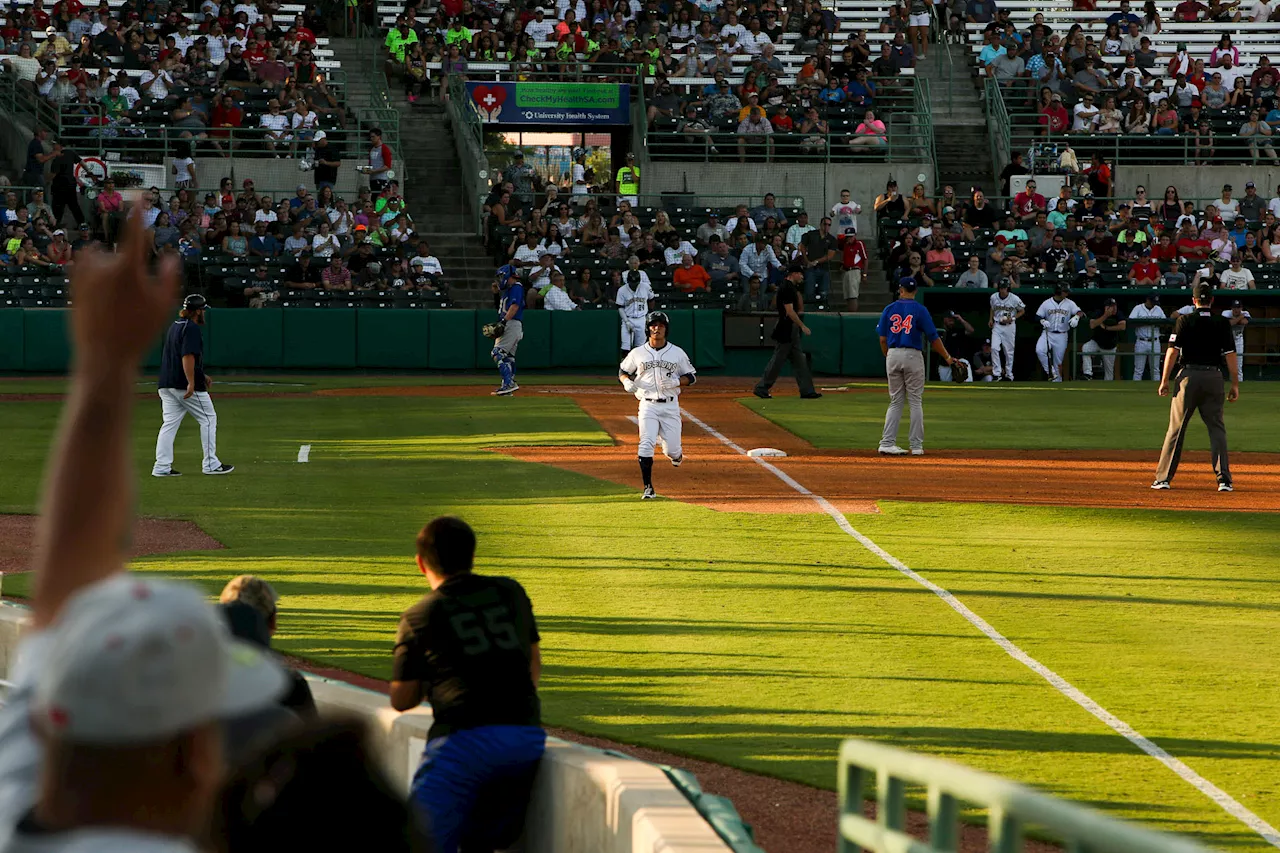 Letter outlines plan to fund San Antonio Missions’ new minor league baseball stadiumA letter details how the city and Bexar County could pay for a minor league baseball stadium in a newly created San Pedro Creek Park District.
Read more »
 NASA Seeks Student Missions to Send to Space in 2026, BeyondNASA announced a new round of opportunities for CubeSat, developers to build spacecrafts on that will fly on upcoming launches through the
Read more »
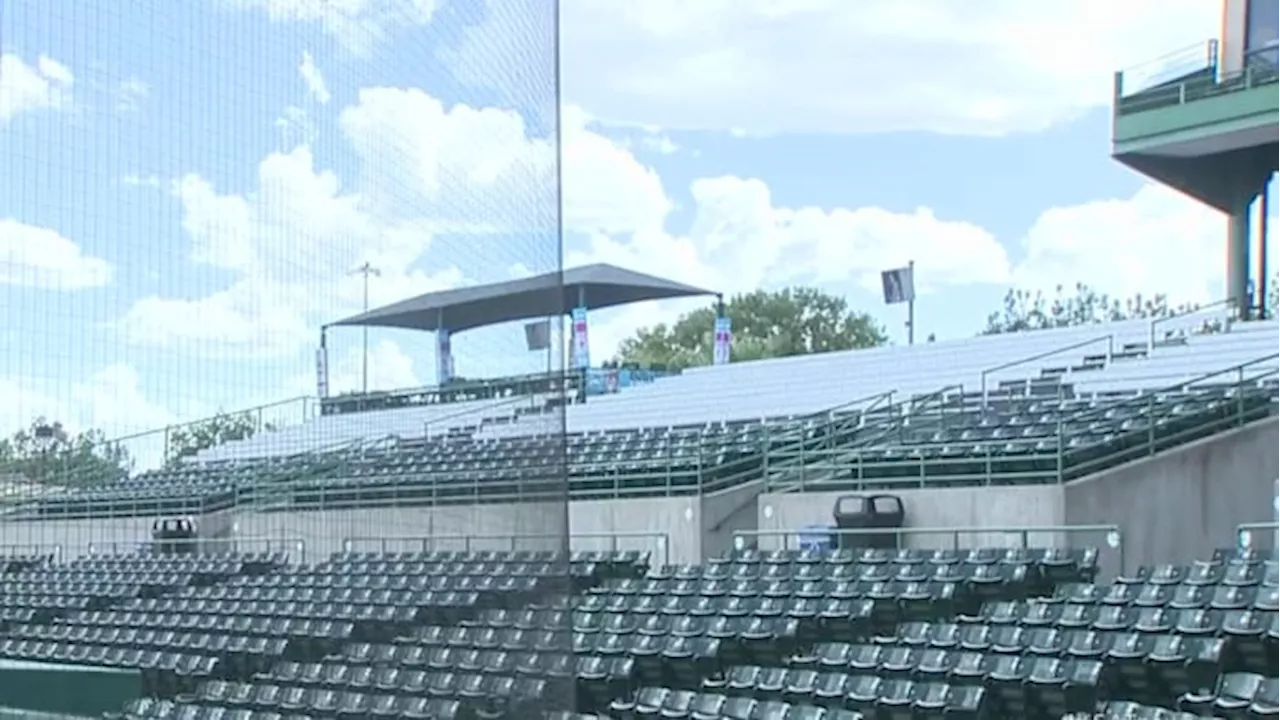 Downtown baseball stadium for San Antonio Missions expected to open by 2028, letter to MLB saysThe San Antonio Missions are set to have a new ballpark built in downtown San Antonio by April 2028, according to a letter from the City of San Antonio sent to Major League Baseball.
Read more »
 NASA to Provide Crew Flight Test, Space Station Missions UpdateNASA will host a media teleconference at 12:30 p.m. EDT, Wednesday, Aug. 7, to discuss ongoing International Space Station operations, including the agency’s
Read more »