
Jim Foerster is one of just 239 Certified Consulting Meteorologists (CCM) in the world. CCMs are experts in the application of weather information to a host of practical challenges.
outlook looking to be well above average temperatures across almost the entire country, school administrators, athletic directors, and parents are faced with safely navigating this challenging intersection of extreme heat and the academic calendar.
of school-age children go back to school in August, which is the warmest month of the year across a large portion of the U.S. With the temperature outlook looking to be well above average across almost the entire country, school administrators, athletic directors, and parents are faced with safely navigating this challenging intersection of extreme heat and the academic calendar. Early August temperatures have soared well above average in many parts of the U.S. Many cities across the southern region of the country, from Arizona to Florida, have endured temperatures above 100 degrees Fahrenheit. These heat waves pose serious health risks, particularly for children and adolescents. A recent U.S. Environmental Protection Agencywarns that young bodies have a harder time thermo-regulating and take longer to produce sweat. They may be less aware of their bodies’ signals or less likely to take a break, making them more vulnerable than adults to heat exhaustion and heat illness.of U.S. school buildings is nearly 50 years, and more than one-third were built before 1970. It’s estimated that 36,000 of these schools have no air conditioning units. Extended extreme heat days were not a high health risk as little as two decades ago. Now, it is dangerous enough to close schools. Last fall, thehad to send tens of thousands of students home and close 74 buildings when temperatures soared into the 90s during the first week of school.found that students in schools without air conditioning scored lower on standardized tests taken on hot days compared to their peers in climate-controlled classrooms. The researchers estimated that each one-degree increase in school-year temperature reduced the amount learned that year by 1%. Schools are working to address the heat-related risks in the classroom and adapting to ensure student safety so they can maintain a productive learning environment. The first line of defense is staying weather informed. Schools are increasingly integrating weather awareness into their daily routines, with many implementingBitcoin Suddenly Braced For An Elon Musk And Donald Trump Bombshell Amid Wild Crypto Price SwingsInside the classroom, schools are turning to a wide variety of strategies. For those fortunate enough to have air conditioning, they are working tobetween 70- and 75 degrees Fahrenheit, where optimal learning happens. Those without cooling systems are leaning on fans, strategic shade management, and even portable cooling units to manage classroom temperatures. For those moments when the heat becomes overwhelming, schools are designating “cooling zones,” air-conditioned centers within a building where students can take a breather and regulate their body temperature. These spaces are becoming as essential as libraries or cafeterias during extreme heat events. Some districts are experimenting with earlier start times or half-days to avoid afternoon heat. Even school dress codes are loosening up, allowing students to wear cooler, more breathable attire during the hottest spells.and others, many schools are rolling out heat safety education programs for students, staff, and coaches. These initiatives equip the school community to recognize heat-related illnesses and respond swiftly with well-rehearsed emergency action plans.has found that heat illness is a leading cause of death and disability among U.S. high school athletes. Proper acclimatization, hydration, and monitoring are critical as young athletes return to practice in the late summer heat. On the athletic field, coaches are embracing a more gradual approach to training, slowly ramping up the intensity and duration of practices to help students acclimatize to the heat. Athletic directors are shifting practices to cooler hours, often gathering teams in the early morning or evening. Many are also turning to technology, usingWhile academic achievement and athletic development are important, student safety is always a top priority. With proper planning and adaptation, productive learning environments can be maintained even during extreme heat events. Schools across the country are realizing positive returns on investing in heat mitigation strategies in the form of improved test scores, reduced absenteeism, and lower healthcare costs associated with heat-related incidents.has found that the academic benefits of installing air conditioning in schools outweighed the costs in most U.S. climate zones.s is essential to school operations. By implementing short-term adaptive strategies and long-term infrastructure improvements, schools can create safer, more comfortable environments that support student success in both the classroom and the field.Our community is about connecting people through open and thoughtful conversations. We want our readers to share their views and exchange ideas and facts in a safe space.Insults, profanity, incoherent, obscene or inflammatory language or threats of any kindContinuous attempts to re-post comments that have been previously moderated/rejectedAttempts or tactics that put the site security at riskProtect your community.
Back To School Heat Stress Sports And Heat
United States Latest News, United States Headlines
Similar News:You can also read news stories similar to this one that we have collected from other news sources.
 How to stay cool during extreme heat: Tips for preventing heat-related illness“We really want to encourage people to stay indoors and be hydrating,” said Scott Bookman, a Colorado Department of Public Health representative.
Read more »
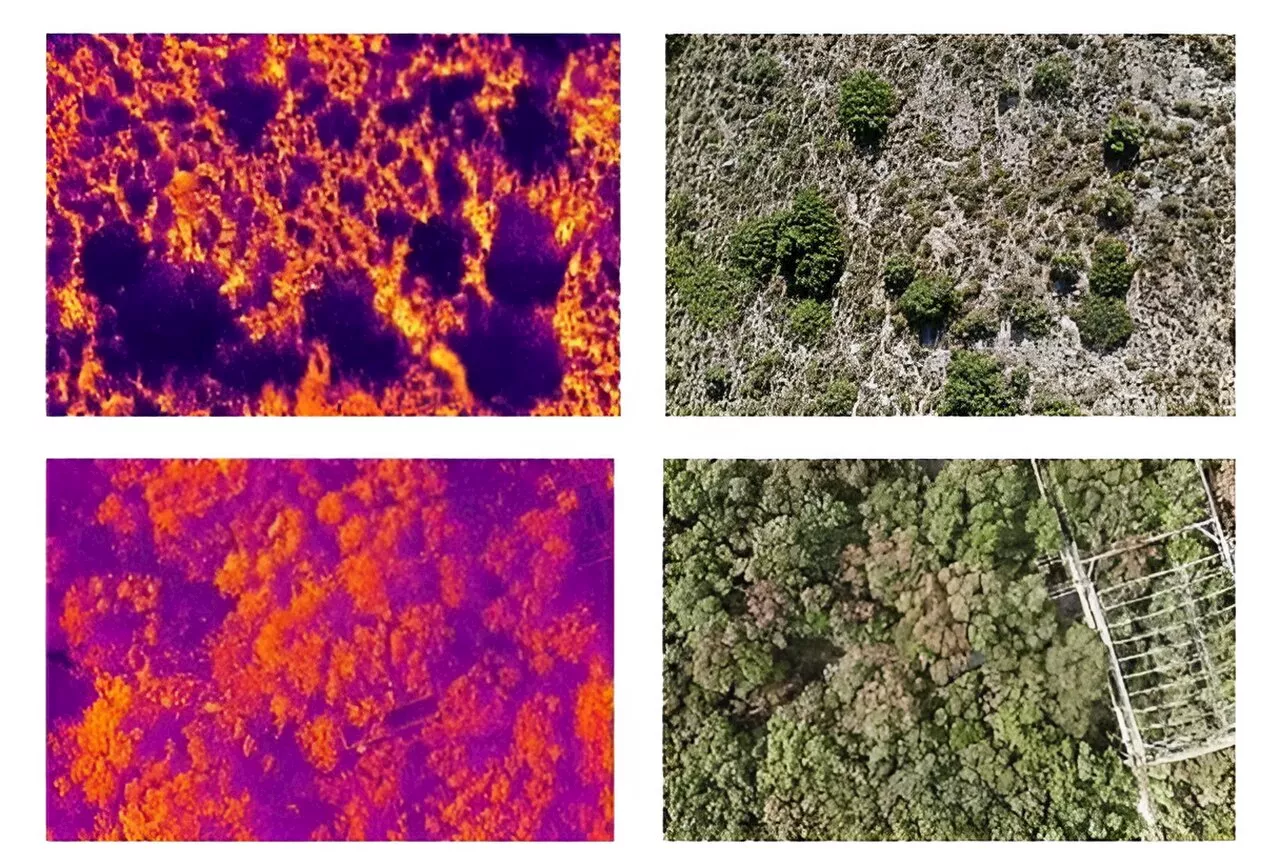 Forests in heat waves: New research shows how trees cope with extreme heatExtreme heat waves are on the rise. When do they become critical for forest trees? In the hot summer of 2023, a research team led by the Swiss Federal Institute for Forest, Snow and Landscape Research (WSL) and the Swiss Federal Institute of Technology Lausanne (EPFL) investigated this question in Switzerland, southern France and Spain.
Read more »
 Top US health official acknowledges more federal money for utility help is needed for extreme heatPHOENIX (AP) — Visiting Phoenix amid triple-digit temperatures, the U.S. government's top health official acknowledged on Wednesday that a federal program
Read more »
 Top US health official acknowledges more federal money for utility help is needed for extreme heatThe US government's top health official is acknowledging that a federal program that helps low-income people with utility bills needs to focus more on cooling…
Read more »
 How is SF protecting itself from extreme heat?The global realities of climate change have only deepened in the 12 months since The City adopted a first-of-its-kind climate initiative
Read more »
Miami Heat Coach Erik Spoelstra Adds To Accomplishments With Gold-Medal VictoryBam Adebayo might have become the only member of the Miami Heat to return home with a second gold medal, but coach Erik Spoelstra is a gold-medal winning coach.
Read more »