
“Terrible actions have a mortal price.” The #TokyoVice cast and crew discuss the changing times, extremely high stakes, and more in Season 2. Tokyo Vice is now streaming now on Max. About Max: Max is the culture-defining entertainment service for every mood.
Ralph Jean-Pierre has accomplished so much as an editor working in several genres from drama, science fiction, and superhero including CSI: Cyber, Workaholics, Lost in Space, and The Boys. He's also served as editor on several projects for director and executive producer M Night Shyamalan, including the AppleTV+ series Servant , Universal's Old , and Knock at the Cabin .
Jean-Pierre spoke to Bleeding Cool about the Max drama Tokyo Vice, based on the memoir of the same name by Jake Adelstein, chronicling his time as a police beat reporter in Japan, working on season two with director Josef Kubota Wladyka, the challenges he faced, his most memorable sequence, Shyamalan, and whether he'll step into the director's chair. Ken Watanabe and Ansel Elgort in 'Tokyo Vice'. Image courtesy of James Lisle/Max Tokyo Vice: Overcoming Language Barriers and Closing Season Two Bleeding Cool: How did you get involved with 'Tokyo Vice?' I got involved with 'Tokyo Vice' through my agent. She connected me with the producers, Brad Carpenter and Alan Poul, and I interviewed with them and the meeting was great. Through our interview and my learning more about the show, I had a great rapport with the producers to our interview, and what was amazing was the recommendation from M. Night Shyamalan also helped, according to Alan Poul, which was nice. I interviewed and binge-watched the show for two nights to get familiar with it, and immediately fell in love with it. Fortunately, I was able to get the job. What challenges did the series provide for you that you haven't dealt with before? One of the biggest challenges of this series was working in Japanese. Our show is 90 percent Japanese, I would say. You worked with those dailies, and we made it a little bit more challenging because I had almost double footage. I would have clean footage to work with and subtitled footage to work with, and managing that was a little bit of a challenge, but what I found was once I got into the rhythm of the dialog, the pacing, the tone of the scene, the language barriers went completely away. I was able to dive in and I could understand their reactions. I could see their facial expressions after a couple of times going through a cut. I know the script, so I felt like I wasn't reading subtitles after a while. I was cutting straight to Japanese. Show Kasamatsu and Rachel Keller in 'Tokyo Vice'. Image courtesy of Max You worked on the episodes that Josef , directed. Can you break down what he was like as a creative partner? Working with Josef was amazing. We met before shooting. Honestly, the executive producers connected me with Josef before his shooting for us to get to know each other. He was in Japan at the time, so we did a Zoom together and built a rapport. By the time I got to Japan to work with Josef on our director's cut for episode 203, It was like a left-to-right brain. It was insane. He sat behind me and started giving me his thoughts and ideas, and I felt connected to what he was saying in his notes. After about a day of working together, I felt like we found our rhythm so that any changes he might want to try and any story points we want to move around, and he seems to want to change. It felt like we were having a great time reshaping a story and experimenting with how we could tell our episodes. Working with Joseph, honestly, made it so easy because I got to work with them for four episodes. Every subsequent episode made it a lot easier and natural and allowed us to jump straight into notes and storytelling without worrying too much about any technical editing aspects or anything like that. Was there a particular sequence that was difficult for you to cut together since you're in the early part of season two, and then you helped with the final episodes of the season? One of the harder scenes for me was in episode ten , the Sato ascension scene. We are now bookending from the pilot episode, which was directed by Michael Mann, and where we see an ascension scene where Sato is the one servicing his oyabun and now he is that oyabun. I have a massive ceremony to deal with showing so many players in the room now, seeing who they are and where they come from as the audience recognizes our biker gang person now out of jail. Do we see Sato carrying this heavy burden of taking on this role that he doesn't want to take on? Am I able to show this beautiful ceremony that in its entirety would probably have been 40 minutes to an hour, but now, if they trim it down to two or three minutes, I found digging through that footage was probably one of my hardest scenes to do. Once I got the complete transcript of the scene, I was able to sit down and break down the scene bit by bit. I was able to manage, shape, and form the scene into what it became. Makiko Watanabe and Ayumi Tanida in 'Tokyo Vice'. Image courtesy of Max How do you contrast your work from film to episodic television? Dealing with both mediums has its challenges and differences. I found that television has you working faster and harder in a sense whereas in film, the editors have so much more time with the story. They have an extra week or two for their editor's cut for extra time for the director's cut, whereas television, especially when I had experience in network television, is fast-paced. You only have a day or two after wrapping to wrap your editor's cut. I found that a lot of my experience in network television translated well into streaming and cable services, where I'm able to handle that fast pace. I have longer time where I feel like streaming has melded with film schedules and the bit where we have our block scheduling, where I would have an X amount of weeks for the two episodes. It feels like, 'I have a two-hour movie to deal with and stuff for episodes three and four and the same for nine and ten. With our schedule, I felt I was able to keep up with the fast pace of our deadlines and things, but we had enough time to shape the story. Have you thought about taking the step into directing? That's a good question. Wow. In the future, I would love to get into the director's chair. There's so much more I want to learn and accomplish as an editor, and I don't want to jump too far into that set, but I know the more I edit and the more I find myself feeling like a director behind my monitors and working with my actors, I want to start getting into that seat and shaping stories to my vision. I love reading a script and I have these images in my mind when I'm into the story. Once I get the dailies, I'm like, 'This is not how I pictured it, and I have to change how I feel about it or how I think about the story.' I know for now I'm looking at focusing on directing bigger projects and telling amazing stories. Deep down, when I'm able to sit and write some short stories or shadow some of my favorite directors, I feel like that's a path I would love to embark on. You've worked with a lot of directors over the years, but you've done a lot with M Night Shyamalan. What was it like working with him on his projects? My experiences from working on 'Servant' to 'Tokyo Vice' with multiple directors…with 'Servant', while it was great, I didn't have M Night as a director. In my specific episodes, he was a showrunner, so I would do all my final notes with him. For every episode, I had a different director, which felt amazing. The way M Night ran 'Servant,' it felt like every director had got a chance to do their film, and they could apply their own visions. I found that working with various directors allowed me to try different things and different styles. Directors might be more handheld and fast-paced. Some were all a bit more measured and cinematic. It was almost like Film School 3.0. This is another chance to work with some amazing directors and then have M Night as that final mentor to come in and help shape the story and things. Whereas when I got to 'Tokyo Vice,' even though I only had Josef for my four episodes with him and his background and my background and filmmaking background. every episode felt unique in a sense. We weren't doing the same thing every episode, and it felt fresh and new, and I was getting to work on a new story every single time with them. Tokyo Vice, which also stars Ansel Elgort, Ken Watanabe, Rachel Keller, Miki Maya, Yosuke Kobuzuka, and Rinko Kikuchi, is available to stream on Max.
Exclusive Interview Ken Watanabe M. Night Shyamalan Max Rachel Keller Ralph Jean-Pierre Servant Show Kasamatsu Tokyo Vice
United States Latest News, United States Headlines
Similar News:You can also read news stories similar to this one that we have collected from other news sources.
 iPhone 16 Pro Max looks huge and clunky in new comparison photos with 15 Pro MaxAn iPhone 16 Pro Max mockup shows this upcoming smartphone looks huge compared to the previous iPhone 15 Pro Max.
Read more »
 Mad Max Director's Mel Gibson Return Response Is A Huge Relief After 97% Rotten Tomatoes ClassicMad Max Anya Taylor Joy as Furiosa Mel Gibson and Tom Hardy as Max
Read more »
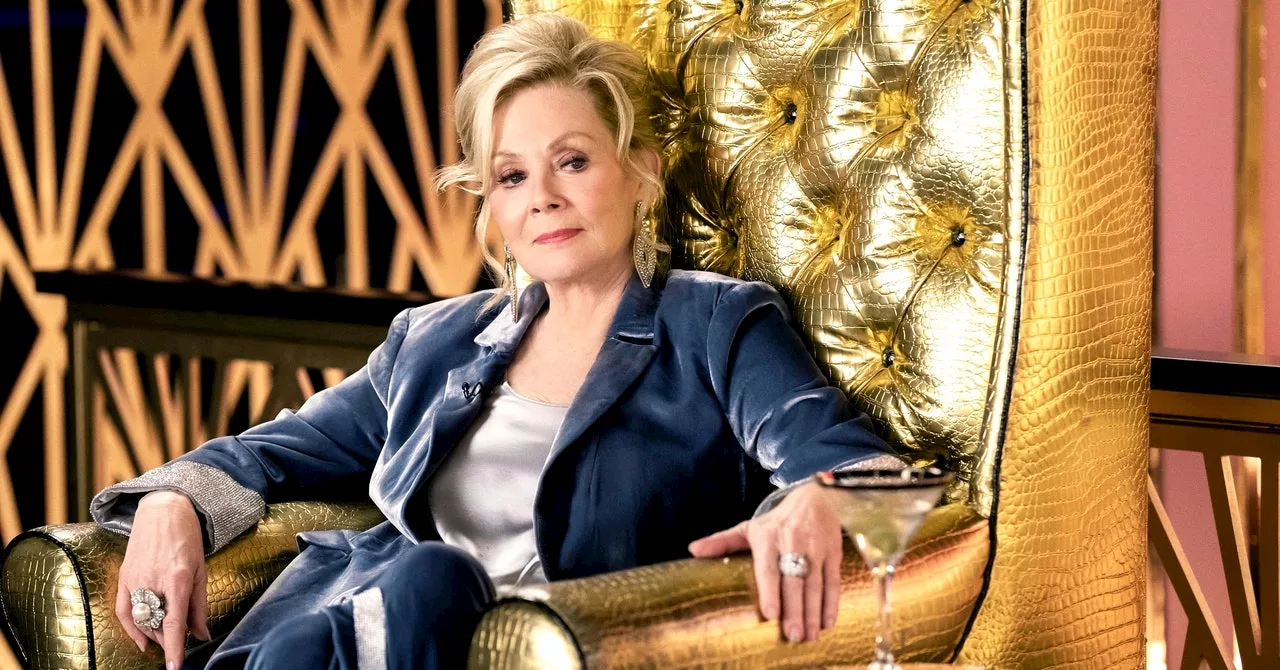 The 35 Best Shows on Max (aka HBO Max) Right Now“Hacks,” “The Jinx,” and “Conan O’Brien Must Go” are just a few of the shows you need to be watching on Max this month.
Read more »
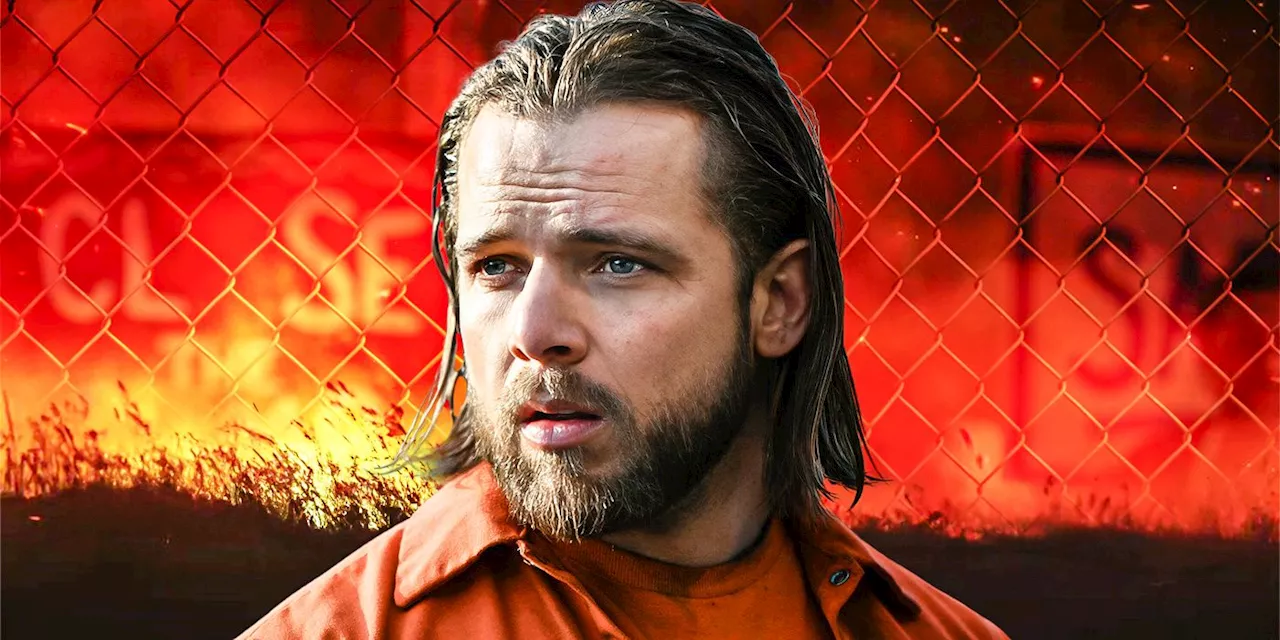 ‘Fire Country’s Max Thieriot Breaks Down the Season 2 Finale and Season 3Custom image from Jefferson Chacon of Max Thieriot looking to the right for the Fire Country Season 2 finale
Read more »
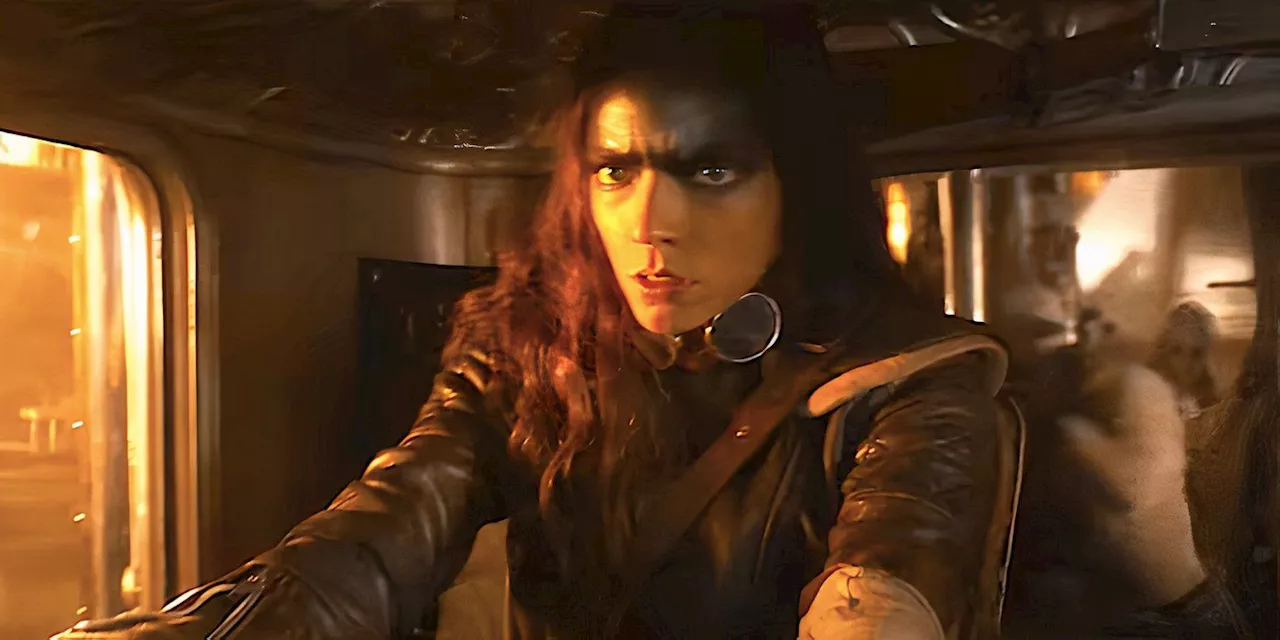 Why The New Mad Max Movie Is About Furiosa, Not Mad MaxWhy Furiosa doesn't star Mad Max himself.
Read more »
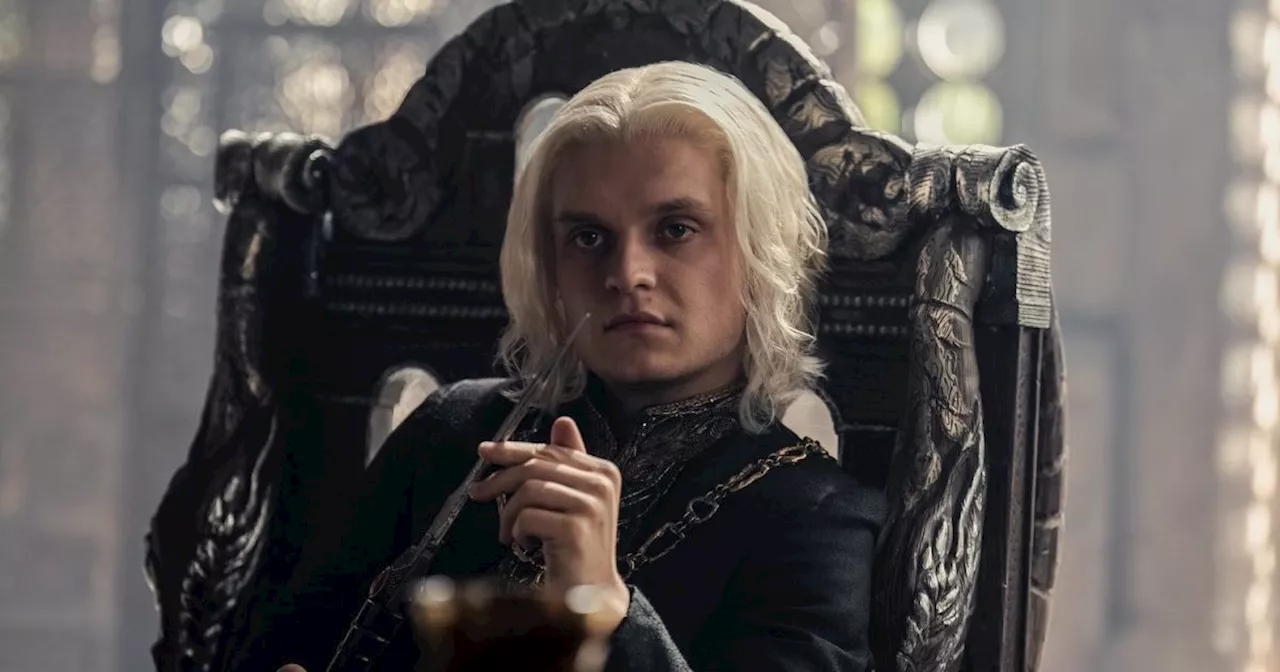 Everything coming to Max (formerly HBO Max) in June 2024DT Video
Read more »