
NASA has chosen nine finalists for the Power to Explore Challenge, a national competition for K-12 students focused on the use of radioisotopes. The competition asked students to learn about NASA's Radioisotope Power Systems and imagine their own radioisotope-powered science mission.
NASA has selected the nine finalists of the Power to Explore Challenge, a national competition for K-12 students featuring the enabling power of radioisotopes. NASA selected nine finalists out of the 45 semifinalist student essays in the Power to Explore Challenge, a national competition for K-12 students featuring the enabling power of radioisotopes.
Contestants were challenged to explore how NASA has powered some of its most famous science missions and to dream up how their personal “super power” would energize their success on their own radioisotope-powered science mission. The competition asked students to learn about NASA’s Radioisotope Power Systems , a type of “nuclear battery” that the agency uses to explore some of the most extreme destinations in our solar system and beyond. As cities across the United States experience a total solar eclipse, we experience first hand a momentary glimpse into what life would be like without sunlight. This draws attention to how NASA can power missions at destinations that cannot rely on the energy of the Sun, such as deep craters on the Moon and deep space exploration. In 250 words or less, students wrote about a mission of their own enabled by these space power systems and described their own power to achieve their mission goals. The Power to Explore Challenge offered students the opportunity to learn more about these reliable power systems, celebrate their own strengths, and interact with NASA’s diverse workforce. This year’s contest received 1,787 submitted entries from 48 states and Puerto Rico. "The RPS Program is so impressed by the ideas and quality of writing that come forth from essays submitted to NASA’s Power to Explore Challenge“The RPS Program is so impressed by the ideas and quality of writing that come forth from essays submitted to NASA’s Power to Explore Challenge,” said Carl Sandifer, NASA’s manager for the Radioisotope Power Systems Program in Cleveland. “We would like to congratulate the finalists, and we look forward to welcoming the winners to NASA’s Glenn Research Center this summer.” Entries were split into three categories: grades K-4, 5-8, and 9-12. Every student who submitted an entry received a digital certificate and an invitation to the Power Up virtual event that announced the semifinalists. Students learned about what powers the NASA workforce to dream big and work together to explore. Three national finalists in each grade category have been selected. In addition to receiving a NASA RPS prize pack, these participants will be invited to an exclusive virtual meeting with a NASA engineer or scientist to talk about their missions and have their space exploration questions answered. Winners will be announced on April 17.The challenge is funded by the Radioisotope Power Systems Program Office in NASA’s Science Mission Directorate and administered by Future Engineers under the NASA Open Innovation Services 2 contract. This contract is managed by the NASA Tournament Lab, a part of the Prizes, Challenges, and Crowdsourcing Program in NASA’s Space Technology Mission Directorate.
NASA Power To Explore Challenge Radioisotopes K-12 Students Science Missions Nuclear Battery Solar Eclipse
United States Latest News, United States Headlines
Similar News:You can also read news stories similar to this one that we have collected from other news sources.
 NASA Announces Semifinalists of Power to Explore ChallengeNASA selected 45 student essays as semifinalists of its 2024 Power to Explore Challenge, a national competition for K-12 students featuring the enabling power of radioisotopes.
Read more »
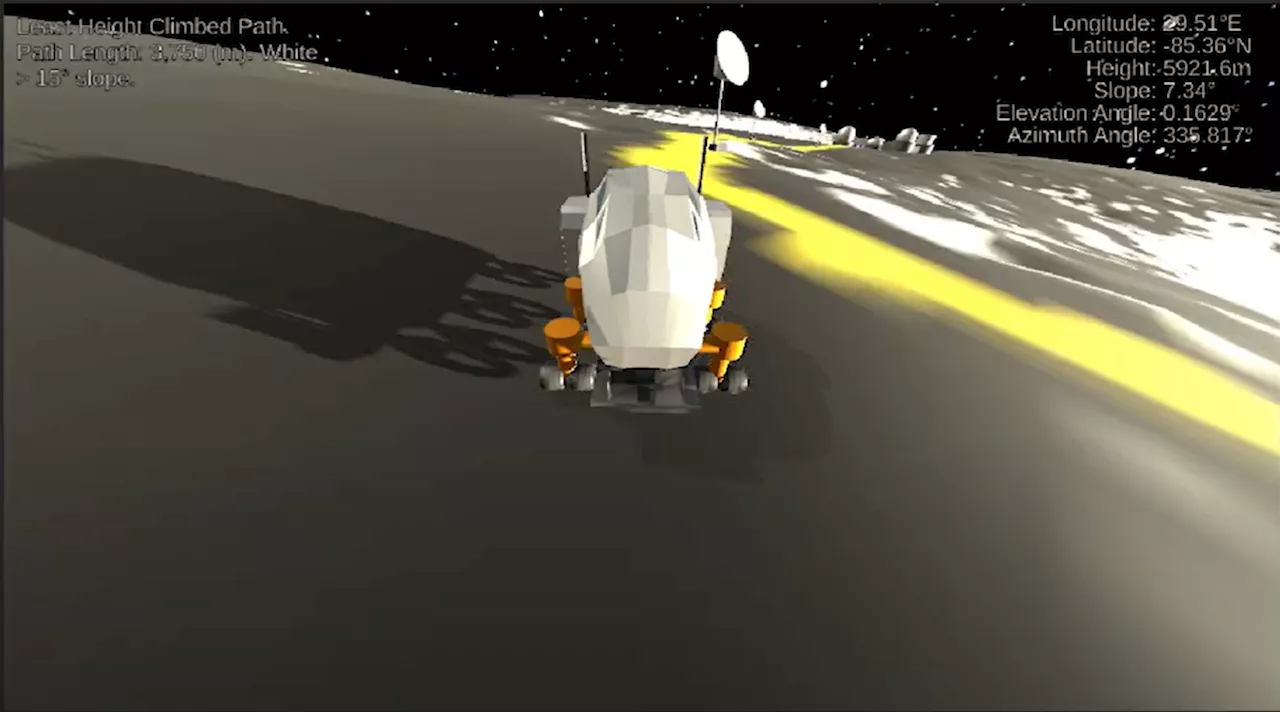 NASA Challenge Invites Artemis Generation Coders to Johnson Space CenterNASA’s Office of STEM Engagement has selected seven student teams to participate in a culminating event for the 2024 App Development Challenge (ADC), one of
Read more »
 NASA Challenge Invites Artemis Generation Coders to Johnson Space CenterSeven student teams were selected to participate in a culminating event for the 2024 App Development Challenge, one of the agency’s Artemis Student Challenges, at NASA’s Johnson Space Center in Houston.
Read more »
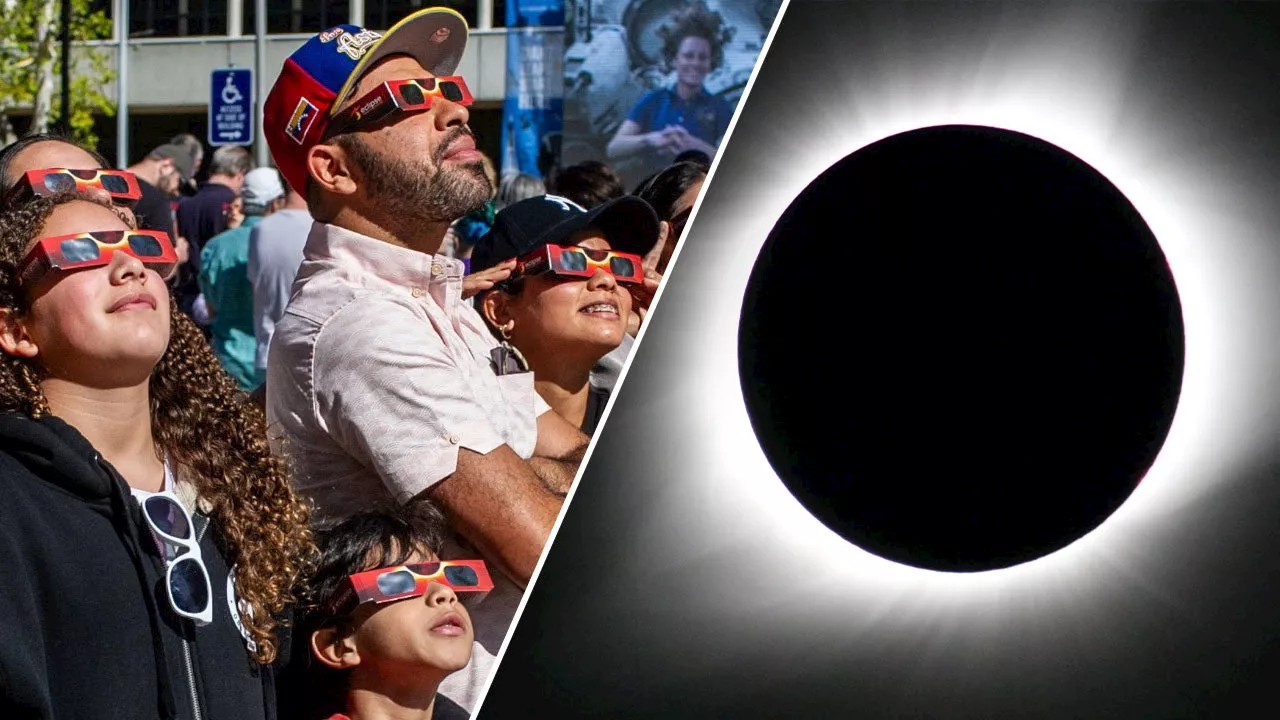 How NASA's three rockets will explore the impact of a brief, rare marvel in spaceNASA has planned to launch three sounding rockets from Virginia on April 8 to collect data on how the total solar eclipse impacts Earth's upper atmosphere.
Read more »
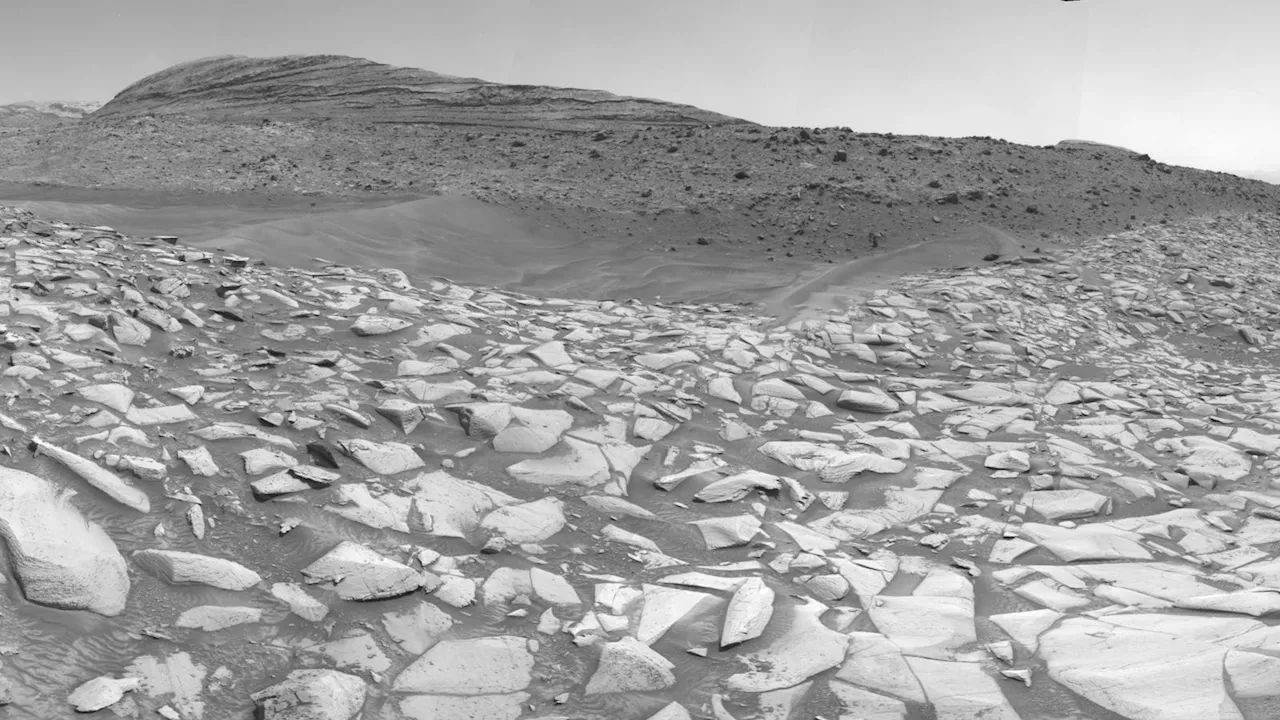 Explore A Possible Mars River Channel In Eye-Opening NASA PanoramaI began my journalism career with Entrepreneur magazine with a focus on small business technology. As a freelance journalist, I’ve covered gadgets, geek culture, public schools, weird foods, transatlantic travel and Route 66.
Read more »