
The article criticizes California's affordable housing policies, arguing that they prioritize high-density development despite the risks of increased fire danger and unaffordability. It warns of a potential scenario where a future fire in a high-density area could lead to mass casualties and destruction.
The embers haven’t even stopped smoldering and California’s affordable-housing industrial complex is swinging into fifth gear. Politically connected developers that by now have collected literally hundreds of billions in taxpayer subsidies to construct low-income housing and homeless housing in California are salivating over the opportunity to redevelop devastated neighborhoods in Los Angeles.
But if the California policies that prevailed before the horrific fires are not changed, nothing will improve. Fire danger will remain elevated, and housing will remain unaffordable. Here’s a scenario, for example, that Californians might wish to avoid: The city of Altadena, previously a relatively low-density suburb with detached single-family homes, is rebuilt with two-story townhomes along the narrow neighborhood streets, and three-story “luxury apartments” along the four-lane boulevards. There is inadequate street parking at this density, but most of the townhomes and apartments also come with a one-car garage, and all are equipped with a state building code-mandated EV charger. And then, on a dry and windy day in, say, 2033, an EV battery catches fire in a garage, with the overheated cells exploding one after another. As the whole structure begins burning, wind-whipped sparks ignite neighboring dwellings and the conflagration spreads. Residents attempt to flee en masse but with a population density five times what it was 10 years earlier, the roads are impassable. Hundreds of people are dead, thousands of dwellings are immolated. That’s the downside of an all-electric, ultra-high-density future. And that’s precisely the path we’re on. Thanks to the political neglect of known fire-prevention measures, the risk of catastrophe is elevated. Thanks to decades of over-regulation of the home building industry, the cost of rebuilding is also higher. And thanks to state policies that chased away insurance companies that were prevented from raising their premiums to account for higher risks and higher claims, most of the people living in Altadena will not be able to rebuild even if they still have some coverage. The burned areas will either gentrify – as a more affluent clientele moves in and rebuilds – or institutional investors will buy up the properties, collect affordable housing subsidies, and build apartments as far as the eye can see. The conventional wisdom in California is that high-density housing is the only sustainable policy option. But that conclusion rests on false assumptions relating to land, transportation, energy, water, and cost. To begin with, there is no shortage of land in California. The sprawling state offers ample space along thousands of miles of major freeway corridors – space that can accommodate single-family homes. If 10 million people moved into new homes on quarter acre lots, with four people per household, and an equal amount of space were set aside for parks, schools, roads, shopping centers, and industrial parks, California’s urban footprint would increase only a little – from 5.0 to 6.2 percent of the state’s total area. Transportation policy in California is also flawed. Widening major freeway arteries is far less expensive and yields far more practical benefits compared with constructing high-speed rail. Moreover, the ongoing revolution in clean EVs, smart cars, share cars, smart traffic management, passenger drones, and remote work opportunities promise to make expansion of decentralized suburbs viable and sustainable. Water and energy are also not scarce in California. If the state invested in expanding its water supply infrastructure through an all-of-the-above approach that incorporates runoff capture, off-stream reservoir and aquifer storage, wastewater reuse and desalination, the state would have water abundance even during droughts. A more tolerant policy for urban landscapes – lawns, anyone? – would make urban landscapes cooler and increase ambient humidity, making those places less susceptible to runaway fires. As for energy, if the state permitted a competition between rapidly evolving renewable energy options and ultra-clean nuclear and natural gas providers, energy would be affordable and abundant. Prices throughout the state economy would fall. These policies would also lower the cost of housing in California. If the state invested in enabling infrastructure, and deregulated the private sector so that business could profitably compete to build it, subsidies to politically connected developers wouldn’t be justified or necessary. A decentralized, lower-density urban and suburban environment would reduce the risk of fires that cause mass destruction. Insurance companies would return to the market with affordable policies.California’s state government has slowly morphed into a monster that rewards special interests – and that costs taxpayers tens of billions, if not hundreds of billions, every year. Most of the money is wasted. Instead of high-speed rail, invest in smart roads. Instead of homeless housing and affordable housing, deregulate the housing market. Instead of promising to spend billions to thin the overgrown and mismanaged forests, restore California’s logging industry which would create jobs and lower the cost of lumber and would thin dangerously crowded forests. Instead of “infill,” permit new single-family home subdivisions on open land. Instead of spending billions to ration water, permit new water projects to increase supply. Instead of “net zero,” establish reasonable carbon-intensity targets so that natural gas can remain a competitor – and permit next-generation nuclear power plants. Instead of exclusively redirecting more funds to fire conventional firefighting, also invest in drones to monitor and immediately spot fires in the windy canyons as soon as they start, and fund fleets of water-carrying drones to safely extinguish small fires. This disaster is a clarifying moment. The leaders running California today can embrace a future of abundance, innovation, private-sector competition, and affordability, or they can cling to the flawed utopian visions of the so-called “smart growth movement.” We are at a crossroads. We can return California to its roots – as a trend setter, an inspiring example, a place where people willing to work hard can make their dreams come true. Edward Ring is the director of water and energy policy for the California Policy Center, which he co-founded in 2013 and where he served as its first president.Burn-scar areas avoid major incidents after rain, risk of hazards continueLAPD debunks viral ‘help’ messages written in downtown Los Angeles lotAn ode to ‘Crawdaddy’: Loved ones honor the life of Malibu icon killed in Palisades fireTrump bans transgender people from serving in military
Housing Urban Planning Disaster Preparedness AFFORDABLE HOUSING CALIFORNIA FIRE DANGER HIGH-DENSITY DEVELOPMENT POLICY FAILURES
United States Latest News, United States Headlines
Similar News:You can also read news stories similar to this one that we have collected from other news sources.
 California Housing Crisis: A Ridiculous RoadblockThis article explores the reasons behind California's housing affordability crisis, highlighting factors like high mortgage payments, interest rates, and capital gains taxes. It also exposes a peculiar legislative exemption granted to the Sacramento Kings arena, which inadvertently hinders the development of new housing.
Read more »
 ‘They should be helping people pay rent, not having Christmas parties’: Houstonians await answers on HHA fundsAmidst a housing crisis affecting thousands, the Houston Housing Authority faces scrutiny over its spending practices.
Read more »
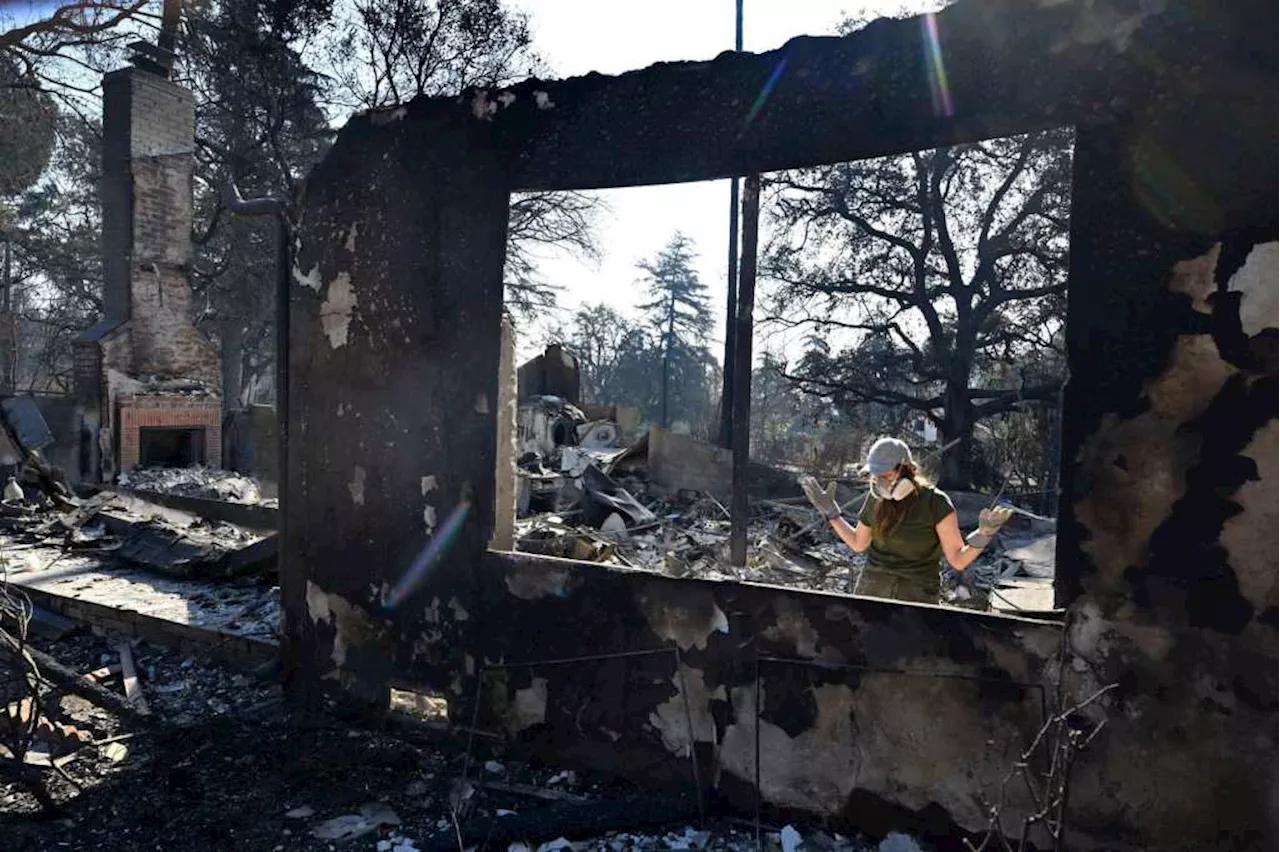 Eaton Fire Exacerbates Housing Crisis in Southern CaliforniaThe recent Eaton Fire in Altadena has added to the already dire housing situation in Southern California. With hundreds of homes destroyed, residents are facing a shortage of available rentals, leading to potential rent hikes and displacement.
Read more »
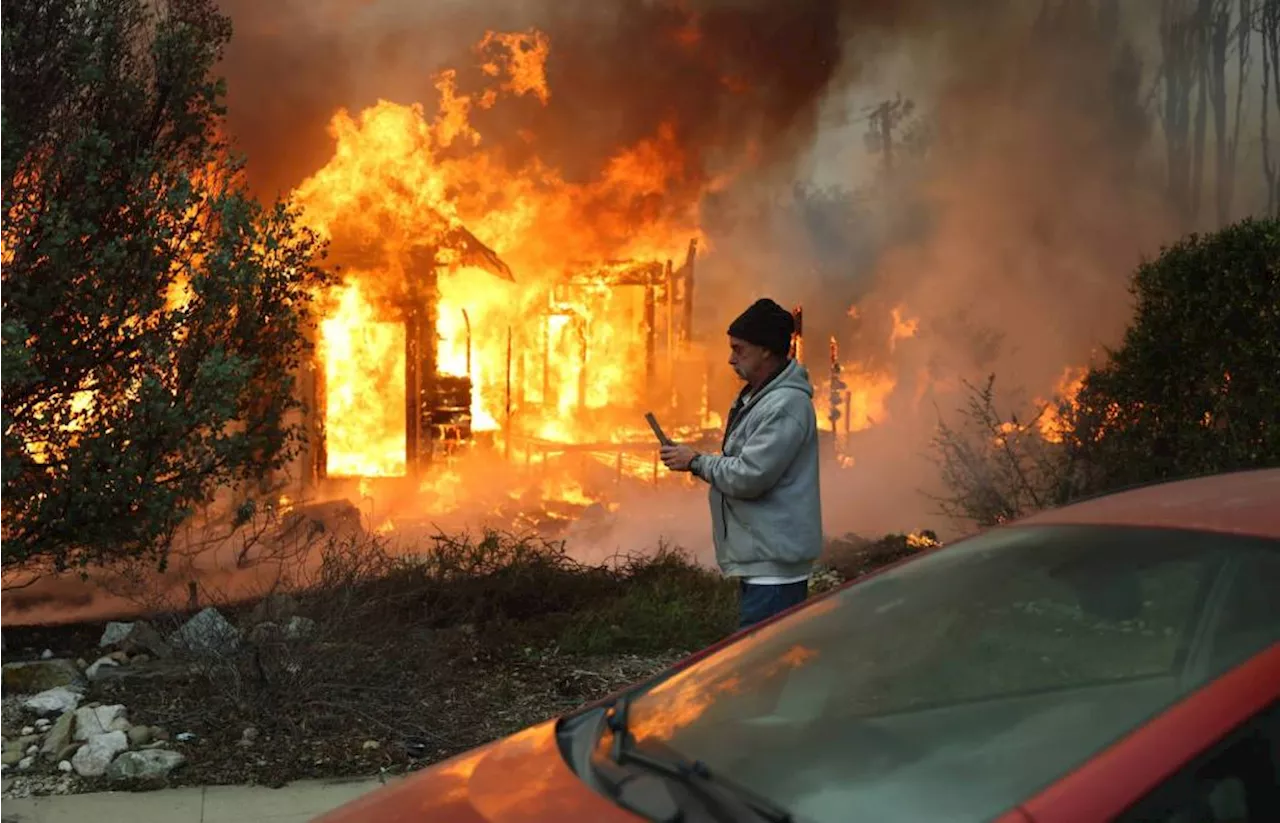 California Wildfires: A Looming Housing CrisisRecent devastating wildfires in California, fueled by strong Santa Ana winds, have left thousands of homes destroyed and communities reeling. The article explores the challenges facing those seeking to rebuild, highlighting the complex permitting processes and the potential for political roadblocks in accessing government aid.
Read more »
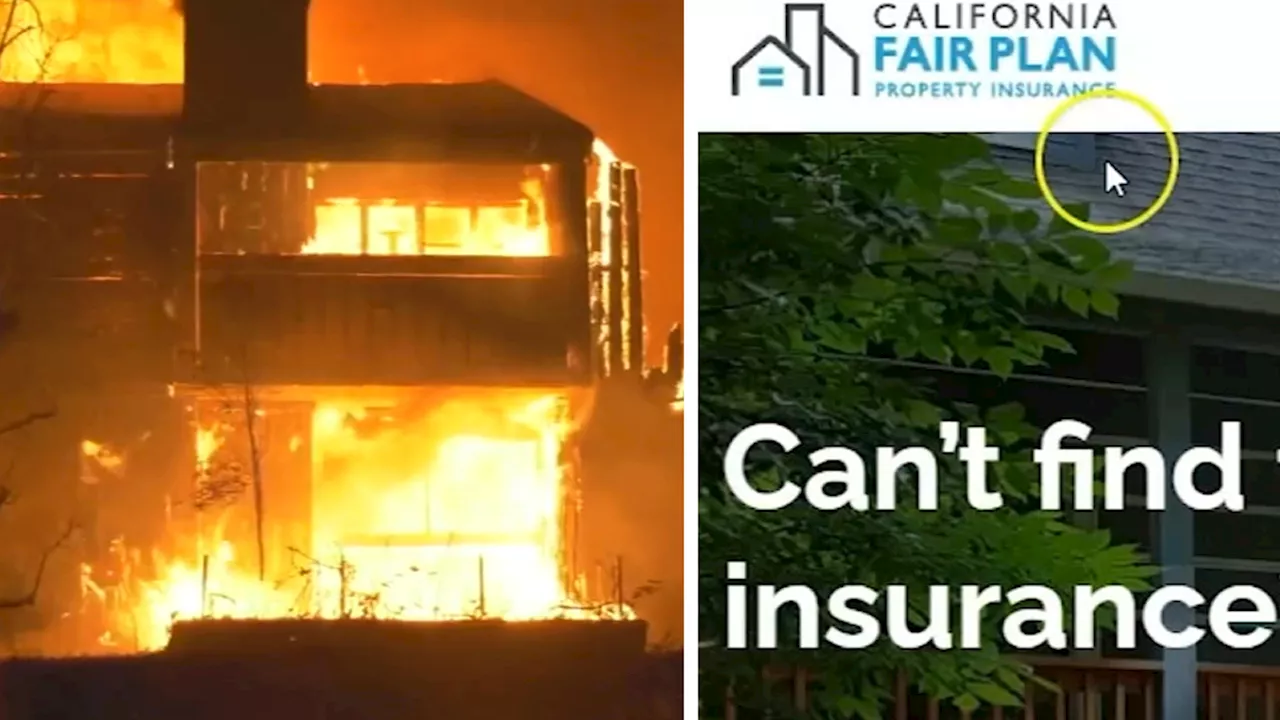 California Wildfires Trigger Insurance Crisis, Raising Concerns About Housing MarketThe devastating Los Angeles County wildfires, with estimated insured losses reaching $20 billion, are exacerbating California's existing insurance crisis. Many are being forced to the California Fair Plan, which offers limited coverage and caps payouts at $3 million, a figure insufficient for many homes in the Bay Area. This is raising concerns about the future of the housing market, with potential price stagnation, limited buyer pool, and disincentives for homeowners to invest in their properties.
Read more »
 What is ‘missing middle’ housing, and could it solve Utah’s housing crisis?The Salt Lake Tribune sat down with the man who coined the term 'missing middle housing' to talk about the concept and why it matters in Utah.
Read more »