
This article examines the recurring cycle of violence and cease-fire agreements in the Gaza Strip, highlighting Israel's history of failing to uphold its commitments and the devastating impact on Palestinian civilians. Despite moments of hope brought by cease-fires, the underlying realities of the Israeli blockade and military aggression continue to fuel the conflict.
As Palestinians in Gaza celebrate the announcement of the cease-fire, the relief is palpable but mixed with grief over the atrocities that continue to unfold. For many, the cease-fire serves as a moment of hope, yet the U.S.- Israel i war continues to take lives. This was heartbreakingly illustrated in a scene shared on X, where a man, overwhelmed by grief, calls out to his deceased sister, 'Hala, get up, the war is over. Get up, Hala, we will leave Gaza and travel abroad.
Get up!' Such grief underscores a painful reality: Even in the moments leading up to a cease-fire, Israel has often escalated its assaults, leaving devastation in its wake. History shows that Israel is not to be trusted to uphold cease-fire agreements, as it is frequently the first to break them. While the conflict's history predates August 2005, this analysis begins there to focus on the fighting and subsequent cease-fire agreements.This list is far from exhaustive and does not cover all the assaults and skirmishes between Israel, Hamas, and other militant factions in the Gaza Strip. 2005-2008 Despite Israel's August 2005 withdrawal from Gaza and the agreements made under the 'Agreement on Movement and Access,' Israel maintained its illegal and brutal siege on Gaza, occupying its airspace and territorial waters, and severely restricting the flow of goods and people. The destruction of Gaza's airport and seaport in 2001 by Israel, combined with frequent border closures, left residents with no reliable way to obtain essential supplies. In response, Palestinians relied on underground tunnels to smuggle essential supplies like food, medicine, and construction materials blocked by Israel. These tunnels became an economic lifeline, sustaining Gaza's residents amid the harsh restrictions of the blockade, which had been suffocating them since the signing of the Oslo Accords. A tunnel trader in Gaza described the tunnels as 'the lungs through which Gaza breathes' to journalist Nicolas Pelham, for the Institute for Palestine Studies. It is true that weapons, and materials for homemade weapons, also come through these tunnels; however, Palestinians, like all people, have the right to self-defense. The devastation of Operation Cast Lead, compounded by Israel's failure to adhere to the easing of the blockade as outlined in the cease-fire agreement, set the stage for further hostilities and repeated cycles of violence and cease-fires in the years that followed. On June 10, 2006, journalist Steven Erlanger, writing for The New York Times, published an article titled 'Hamas Fires Rockets at Israel After Calling Off Truce.' However, a closer reading of the article reveals that it was Israel that broke the cease-fire by killing a civilian family who were enjoying a picnic on the beach. In retaliation, Hamas launched rocket attacks, much of which, according to the Israeli military, fell within Gaza itself. On June 25, 2006, Hamas captured Israeli soldier Gilad Shalit. In response, Israel continued its military assaults on Gaza, while Hamas retaliated with rocket attacks. Finally, in June 2008, Egypt brokered a cease-fire between Israel and Hamas. Under the terms of the agreement, Hamas would halt its rocket attacks, while Israel would lift its economic siege on Gaza and cease its military assaults and assassinations. Although Hamas adhered to its commitments, Israel maintained its military blockade, thus breaking the terms of the cease-fire. An analysis by the Carter Center concluded that the 2008 cease-fire temporarily reduced violence, but Israel failed to address Gaza's humanitarian crisis due to its siege. Before this cease-fire, Israeli assaults caused an average of 49 Palestinian deaths per month in Gaza, compared to one Israeli fatality during the same period caused by a rocket attack by Hamas. Although violence decreased during the truce, restrictions on the movement of goods and people persisted, with imports at just 27% of pre-blockade levels and crossings at Rafah (with Egypt) and Erez (with Israel) severely limited. The ongoing restrictions undermined the cease-fire, fueling frustrations in Gaza. Hostilities resumed in November 2008 after an Israeli attack killed six Hamas militants. This escalation eventually led to Israel launching a devastating assault on the Gaza Strip on December 27, 2008, dubbed 'Operation Cast Lead.' For 22 days, Israel relentlessly bombarded Gaza while barring international media and aid agencies from entering the strip. The assault resulted in the deaths of over 1,400 Palestinians and left countless others injured. In contrast, Israelis sustained 13 deaths, three of whom were civilian
GAZA ISRAEL CEASE-FIRE HUMANITARIAN CRISIS OSLO ACCORDS BLOCKADE OPERATION CAST LEAD HAMAS
United States Latest News, United States Headlines
Similar News:You can also read news stories similar to this one that we have collected from other news sources.
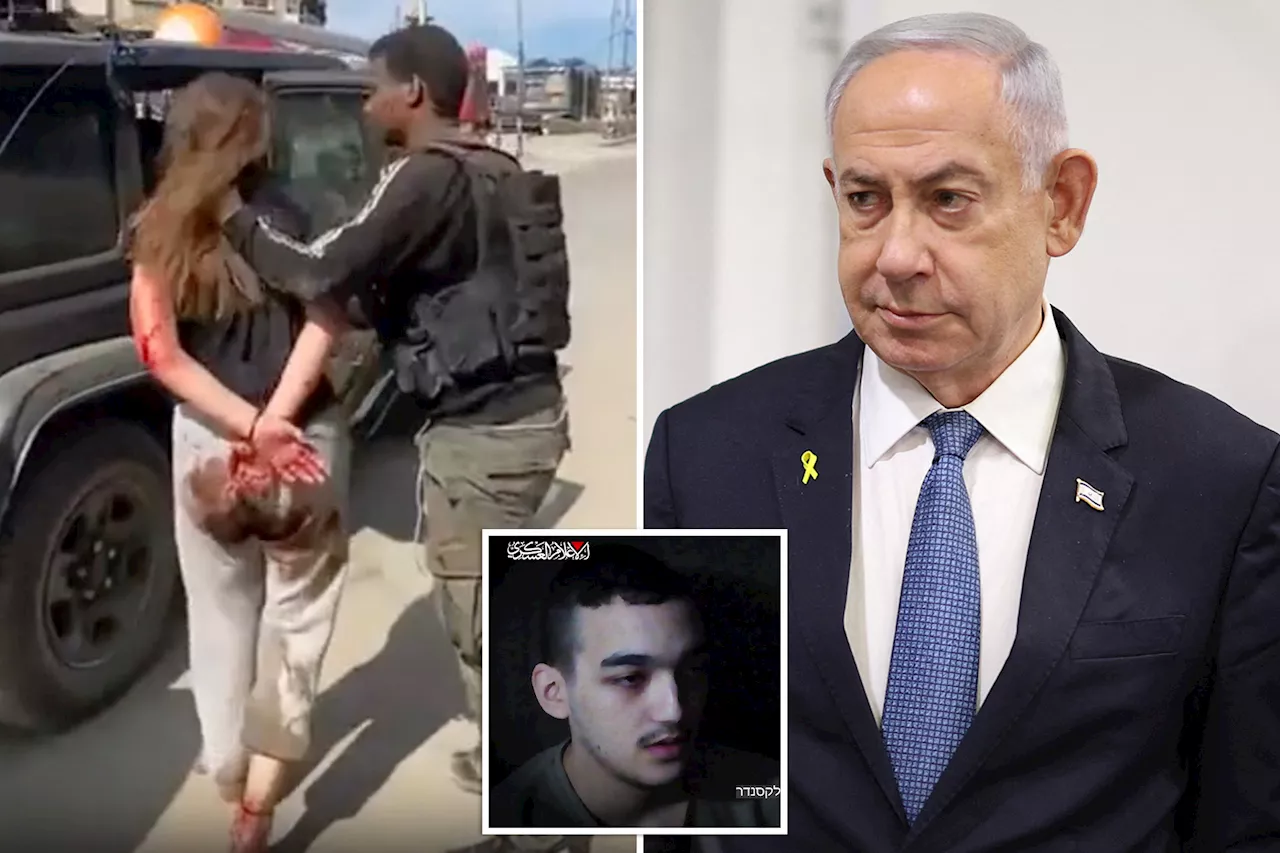 Netanyahu: Israel to Resume Gaza Fighting After Any Cease-Fire with HamasIsraeli Prime Minister Benjamin Netanyahu stated in a closed meeting that fighting in Gaza would resume following any cease-fire agreement with Hamas. Netanyahu said resuming fighting is intended to complete the war's objectives and encourages a deal. The Prime Minister's Office declined to comment on the report, which also claimed that some negotiators have expressed concern over Netanyahu's stance. Hamas demands international guarantees for the later stages of a potential cease-fire.
Read more »
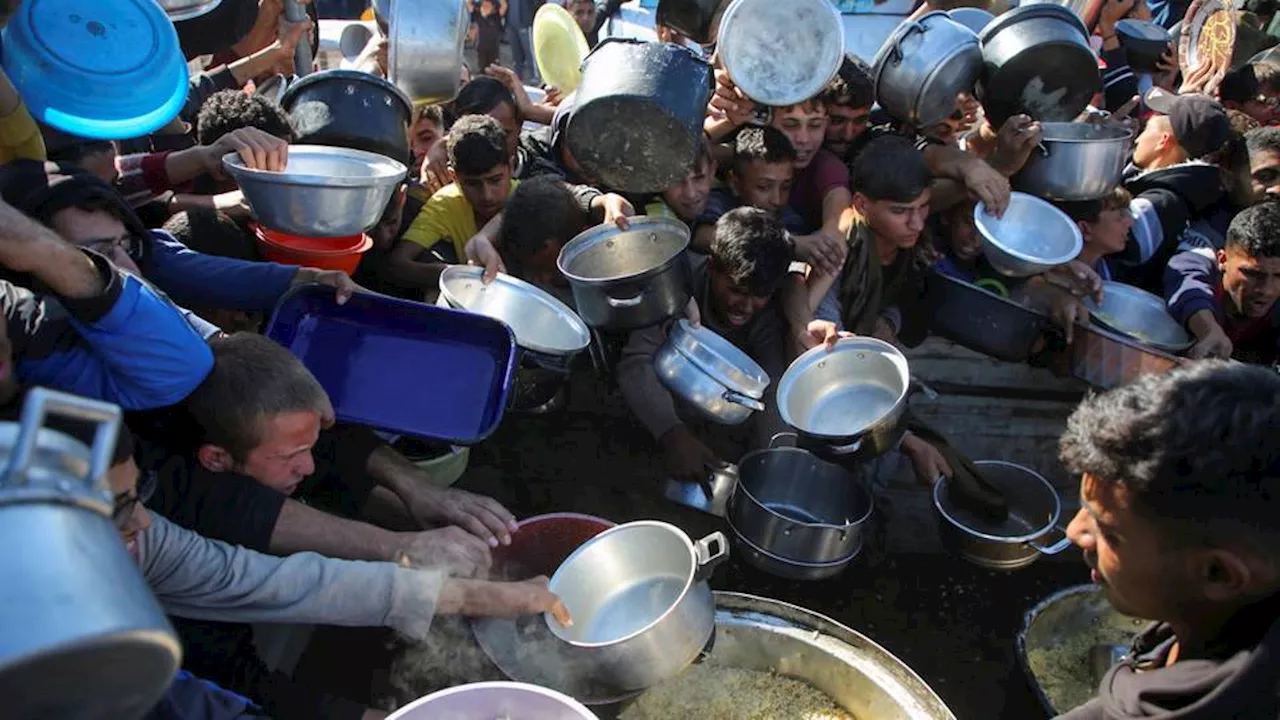 Israel's Gaza Offensive Continues, UN Reports 'Horrific Levels of Violence' and Israel Denies Genocide ClaimsThe ongoing conflict between Israel and Palestinian militants in Gaza has entered its 461st day, with over 45,936 Palestinians killed and 109,274 wounded. The UN reports severe restrictions on aid efforts in Gaza, where civilians are facing horrific levels of violence. Israel has recovered the body of a captive, Youssef al-Ziyadne, intensifying pressure on negotiations for a ceasefire. Meanwhile, Israel has denied accusations of genocide, claiming that while civilian casualties are too high, the IDF is not deliberately targeting innocent people.
Read more »
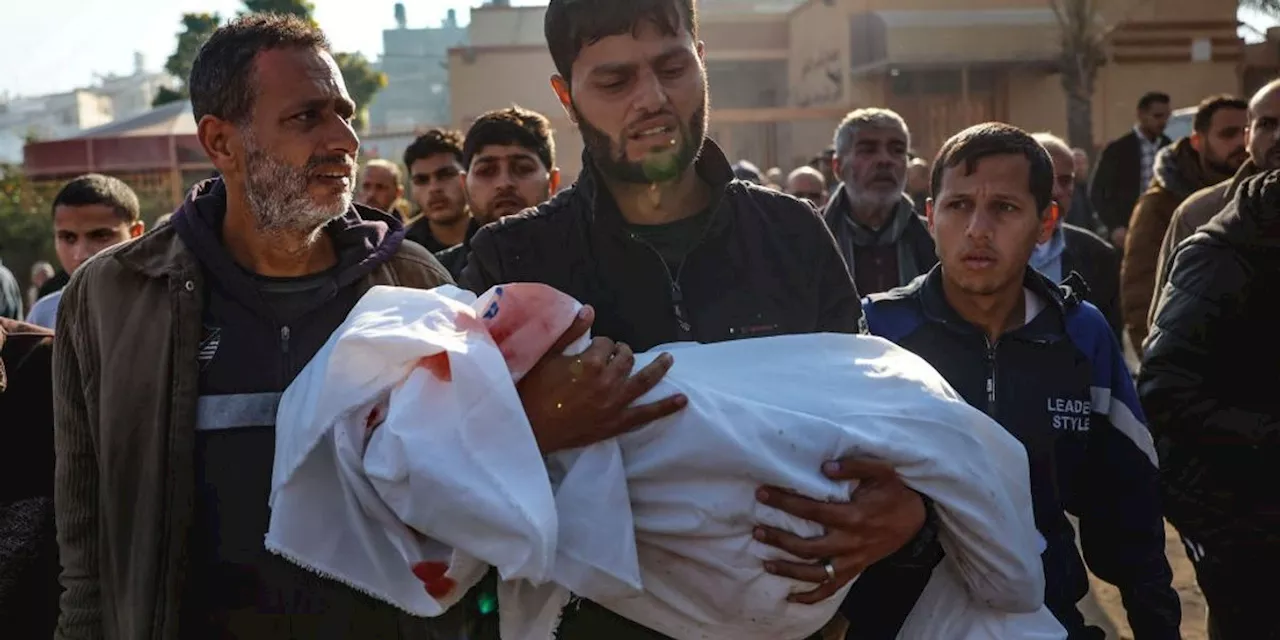
 Israel-Gaza Cease-Fire Talks Amidst Ongoing ViolenceAs negotiations for a cease-fire in the Israel-Gaza conflict reach a critical stage, Israeli forces continue their deadly attacks on Palestinians in both Gaza and the West Bank. The potential agreement, reportedly backed by U.S. President-elect Donald Trump, aims to halt the fighting, secure the release of hostages, and allow for humanitarian aid and reconstruction. However, experts warn that even if a deal is reached, violence could escalate in the West Bank.
Read more »
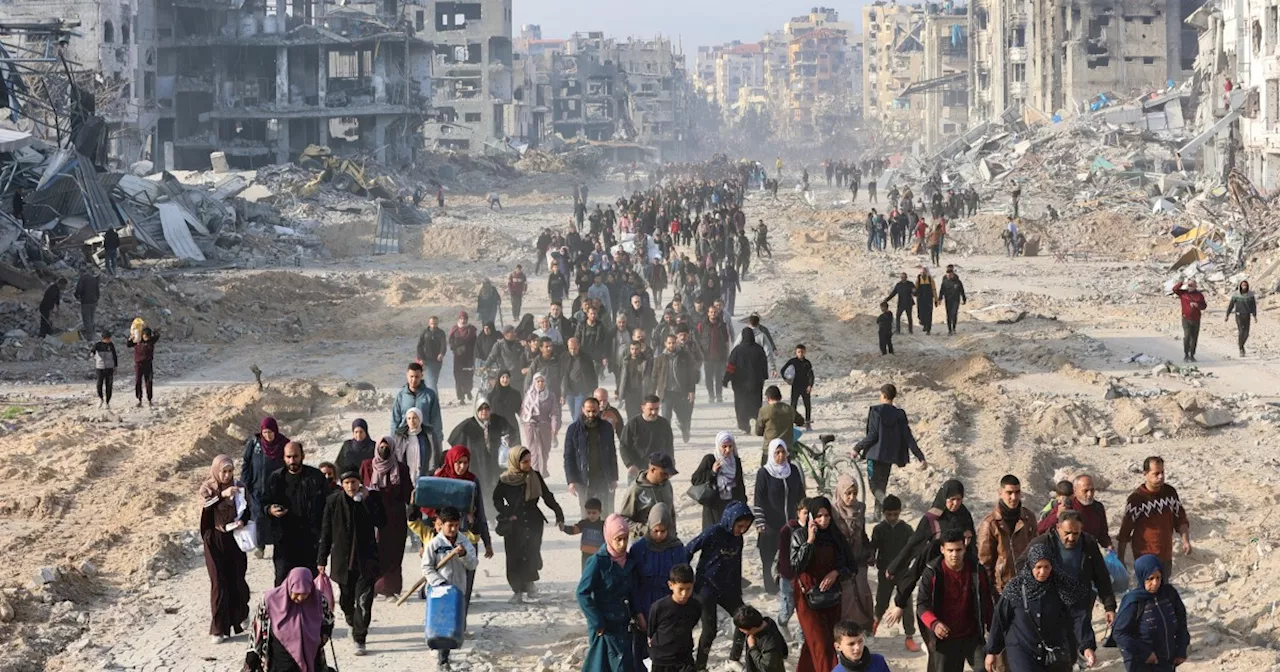
 Israel, Hamas Agree on Cease-fire After Devastating 15-Month Assault on GazaFollowing a 15-month military campaign that resulted in tens of thousands of Palestinian deaths and the near-total destruction of the Gaza Strip, Israel and Hamas have agreed to a cease-fire. The deal, negotiated by Egypt, Qatar, and the outgoing and incoming U.S. administrations, is set to take effect Sunday morning. However, the agreement comes after a continued escalation of violence in which hundreds more Palestinians have been killed. International humanitarian organizations have condemned the high death toll and called for an immediate end to Israel's blockade of Gaza and a massive influx of humanitarian aid.
Read more »
 Deadline passes without Gaza cease-fire as Israel demands a hostage listIsraeli Prime Minister Benjamin Netanyahu said the cease-fire would not begin until Hamas provides the names of the three hostages it was set to release later Sunday in exchange for scores of Palestinian prisoners.
Read more »
 Israel-Hamas live updates: Ceasefire delayed; Israel continues attacks in GazaIsraeli Prime Minister Benjamin Netanyahu said that Israel will resume fighting if it needs to as he demands Hamas supply the names of three female hostages expected to be released. NBC News' Raf Sanchez reports that Netanyahu said both President Joe Biden and President-elect Donald Trump played a role in bringing the ceasefire about.
Read more »