
A new field of biology explores how cells process information and form lasting memories, suggesting that even short-term experiences like eating habits or exercise frequency could leave an imprint on our bodies. This raises fascinating questions about the future of health planning and how we might optimize our well-being at a cellular level.
Cellular memory is surprisingly sensitive to time patterns on the scale of minutes and even seconds.If time travelers from a past era ever visited our time, they would be astonished at the amount of planning we put into our future well-being.
We take vitamins in the morning and make sure to get enough fiber though the day, even though it doesn’t seem to have any instantaneous benefit. We go to the gym and avoid too many sweets because we want to be healthy, live long and look well, not just immediately, but years ahead. A hundred years ago, sobriety was a matter of social order — now, we do"Dry January" to give our bodies a detox. But it might be that even things we do on shorter timescales leave an imprint on the body, much in the same way as individual experiences can leave a lastingin the brain. The gap between your lunch and your dinner. The number of times you repeated your squats yesterday. The frequency with which you watch horror movies. All of those could, theoretically, have effects on the body that we cannot yet predict or anticipate. Does this mean that in the future, as we understand our bodies better, our health planning will become even more obsessive than it is today?. It is an exciting new field of biology focused on the ways in which living cells process information — how they analyze their environment, detect patterns, form memories, and communicate with each other., which I co-led with Tom Carew, we showed that non-brain cells — including cells derived from a kidney — can learn from patterns of chemicals they are exposed to, inThis learning happens surprisingly fast, on the scale of minutes, even though non-brain cells are generally considered relatively “slow”. But the changes that occur in these cells — the cellular memories — can last for days, and maybe longer.The Body Keeps the Score Published in 2014, the book was criticized for leaping ahead of the evidence. But today, the idea that memory is spread throughout the brain and the body no longer sounds as risqué as it did ten years ago. We know that the brain and the body have mutual effects on each other: a thought or ancan modify a cell in the gut or the liver, and that, in turn, could modify thoughts and emotions. Our study shows that non-brain cells have memory, and this memory could potentially store such changes.So there’s nothing spooky about trauma being stored in the body.There have been studies in the past, coming from different fields of medical science, showing memory-like properties in various organs and tissues: a quick input causes a lasting change. But until recently, no one thought of these isolated cases as literal memory — and no one considered the possibility that they might operate similarly to each other, and to the canonical, brain-based memory.insulin, which causes sugar to be absorbed. If you expose those cells to a large amount of sugar at once, then wait twenty minutes and do it again, the second time they will release twice as much insulin as the first time. This makes biological sense: if you maxed out your insulin-releasing capacity, you would want to ramp it up in case more sugar arrives, but you wouldn’t want it permanently elevated, or you would get hungry and fatigued too easily.What’s more, the bone cells respond not just to the load, but to its frequency: if you apply pressure to a rat leg once every two seconds, the bone is unaffected, but if you do it a rate of twice per second, bone growth increases as much as four-fold. So in this case, a time pattern on the scale ofThere are many other examples: in the immune system, in embryonic development, in cancer. Maybe the most obvious example, hiding in plain sight, is muscles growing in response to exercise.As we continue to uncover the rules of this cellular memory in the future, I suspect it might lead us to be even more sensitive to the experiences of our body than we are now, with all our fiber and vitamins. We might develop sophisticated, ornate rules: no dumbbells for three days after eating smoked salmon, unless supplemented by mustard; five dabs of vitamin B at fifteen-second intervals before going out, but only in the summer. What will that future world be like — a world in which we are hyper-cognizant of our “body memory”? Will it make us better, healthier versions of ourselves? Or will it just feed into our growingTime will tell — but for now, there’s no reason to do anything drastic. Until science refines the timeline, we are safe with “an apple a day keeps the doctor away”.Kukushkin, N. V., Carney, R. E., Tabassum, T., & Carew, T. J. . The massed-spaced learning effect in non-neural human cells. O'Connor, M. D., Landahl, H., & Grodsky, G. M. . Comparison of storage-and signal-limited models of pancreatic insulin secretion.Turner, C. H., Forwood, M. R., & Otter, M. W. . Mechanotransduction in bone: do bone cells act as sensors of fluid flow?.There’s been a fundamental shift in how we define adulthood—and at what pace it occurs. PT’s authors consider how a once iron-clad construct is now up for grabs—and what it means for young people’s mental health today.
CELLULAR MEMORY BIOLOGY HEALTH PLANNING TIME PATTERNS NON-BRAIN CELLS
United States Latest News, United States Headlines
Similar News:You can also read news stories similar to this one that we have collected from other news sources.
 Tiny, wireless antennas use light to monitor cellular communicationResearchers developed a biosensing technique that eliminates the need for wires. Instead, tiny, wireless antennas use light to detect minute electrical signals in the solution around them.
Read more »
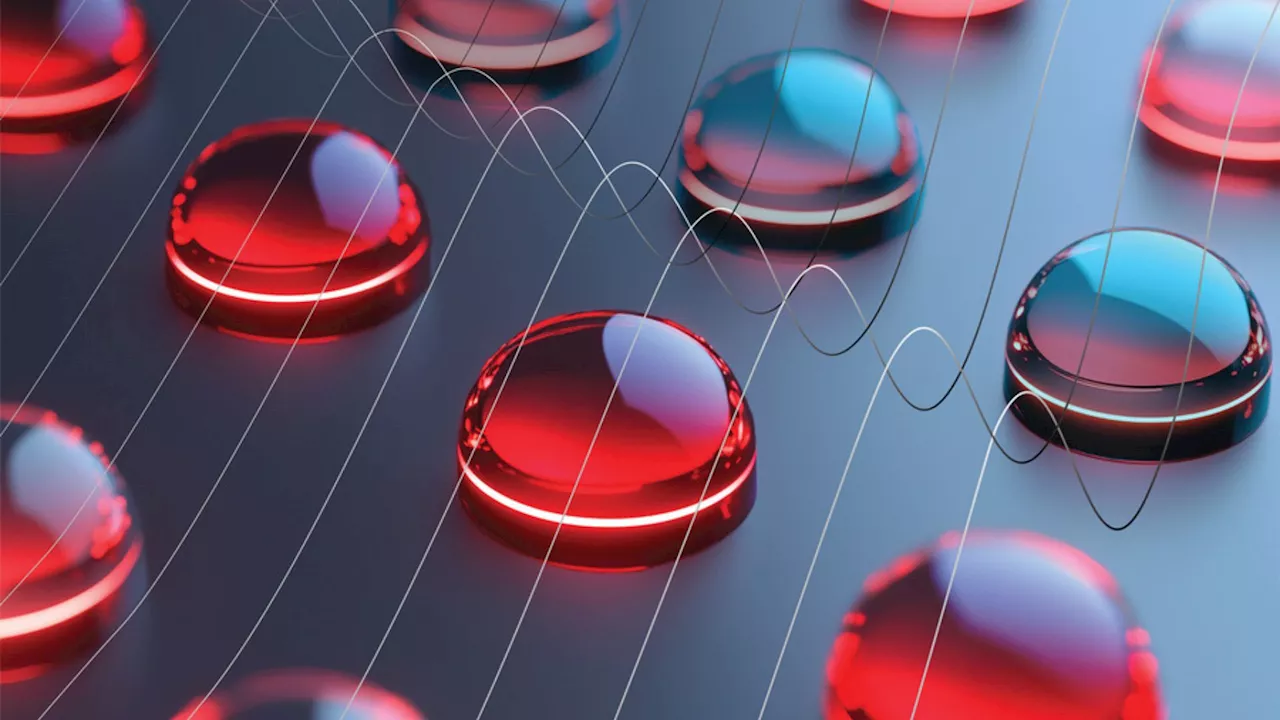 MIT Researchers Develop Wireless Antennas to Track Cellular Signals with Unprecedented PrecisionMIT researchers have developed tiny, wireless antennas called OCEANs (organic electro-scattering antennas) that can detect and translate minute electrical signals in biological systems into light. This breakthrough simplifies cellular studies, offering potential advancements in diagnosing diseases and enabling more targeted treatments.
Read more »
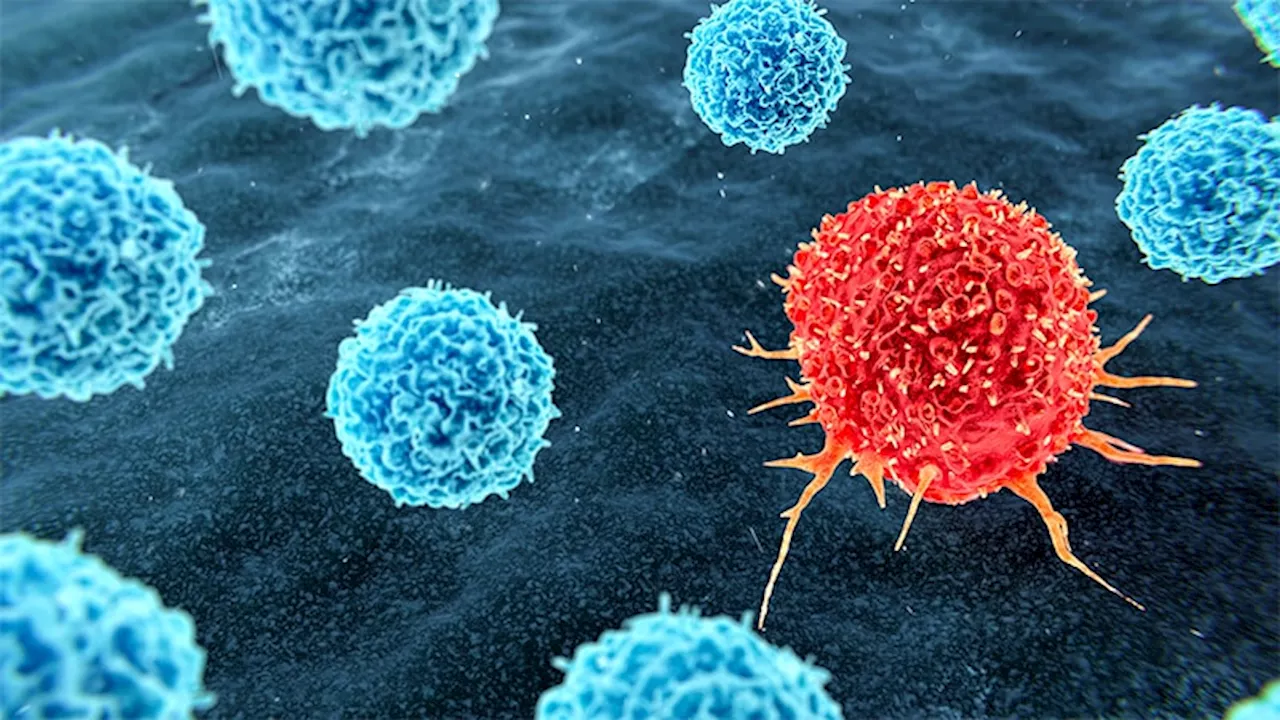 Cellular Therapies for Solid Tumors: The Next Big Thing?The director of solid tumor therapy at Stanford Medicine describes how cellular therapies are transforming cancer care.
Read more »
 Longevity Doctor's Colorful Salad: A Recipe for Cellular VitalityA longevity doctor shares her recipe for a nutrient-dense salad that promotes health and well-being. The salad emphasizes a variety of colorful vegetables, fruits, herbs, and healthy fats.
Read more »
 Key players in brain aging: New research identifies age-related damage on a cellular levelScientists have identified the molecular changes that occur in the brains of aging mice and located a hot spot where much of that damage is centralized. The cells in the area are also connected with metabolism, suggesting a connection between diet and brain health.
Read more »
 Wireless Antennas Revolutionize Cellular Signal RecordingMIT researchers have developed a new biosensing technique using organic electro-scattering antennas (OCEANs) to wirelessly record cellular signals with unprecedented precision and detail.
Read more »