
This article argues that learning a challenging skill every decade is crucial for personal growth, adaptability, and overall well-being.
The ability to learn new skills is crucial to personal growth . Difficult learning challenges shape our self-perception and build our adaptability in ways easier quests can't. Especially given this context, here's why I argue you should tackle a challenging goal at least once a decade. Learning hard things reinforces your confidence that you can always adapt. It's powerful to know you have that capacity. Through learning, you learn about yourself.
You can track your growth over the decades by how your approach to learning changes. How you approach learning as a 40-year-old will differ from how you did as a 20-year-old. Changes in your mindset and the skills you've gained from solving problems over time will shape your approach to learning a difficult topic. Learning a hard skill connects you with a community of people teaching and learning that skill. Different fields attract different personalities and backgrounds. Each skill you choose is likely to attract a different makeup of people. This will help you create a more diverse network of weak connections, which we know helps people succeed generally. We often solve problems through analogy. Learning something new gives you new analogies to draw on, which helps you approach any challenge from different angles. The world has greatly lowered the bar in terms of the depth of knowledge needed to use concepts from one domain to solve problems in another. If you have even a vague sense of how a particular analogy might help you solve a problem in a distant domain, it can help you bridge that gap. If you're expert- or mid-level in your work role, it's easy to forget what it's like to be a beginner. Re-experiencing being a beginner helps you have more empathy when you're engaging with other beginners in any domain. You might need to step away from a habit you've consistently followed to make room for learning. Habits help us grow, but so does breaking them—even the good ones. Different disciplines structure problem-solving differently. Each time you learn a hard new skill, you gain fresh mental models that help you approach challenges from different angles. Challenging goals provide a clear sense of direction, providing purpose and structure to your day. They motivate you to organize your time and stay on track. Learning involves productive struggle. You'll experience a full range of emotions, including frustration, pride, and satisfaction. It's not just experiencing positive emotions that creates a rich and meaningful life; it's having a full experience, including positive forms of challenging emotions. Without something differentiating one day, month, or year from the next, life can feel like it's passing in a blur. Doing something valuable every decade can create big signposts that help you demarcate time. Mood hygiene involves regularly engaging in activities that provide pleasure and activities that provide a sense of mastery or accomplishment. Learning a hard new skill provides fertile ground for frequent experiences of mastery. When you learn a new skill, you don't know what new directions it will take your life in, but you're virtually guaranteed it will take your life somewhere unexpected. Whenever we set out to accomplish something, we do it with an objective in mind. In reality, we often get another benefit that matches or outstrips our original expectations. For example, you start running for physical fitness but unexpectedly experience tremendous improvements in your mental fitness. There may be many experts in your core area of work. However, not as many people will combine expertise in X with expertise in Y. The more unique combinations of expertise you build—even if your knowledge in one area is only moderate—the more valuable you become. If you've previously attempted to learn a very challenging topic and struggled, now might be the time to try again, utilizing the 'adjacent possible': tools available now that weren't available last time. This will expand your confidence in your capacity to grow. Taking on a challenging skill encourages you to explore learning tools you might not have had reason to try otherwise, like AI chat, YouTube tutorials, or online communities. When you use these types of strategies for one form of learning, it can make you a more versatile learner overall. Learning a challenging skill or topic often requires you to improve your skills at learning itself. Learning a hard skill every decade keeps you adaptable, engaged, and ready for whatever comes next. With so many accessible resources and AI-powered tools, you can experience success, no matter how complex the skill
LEARNING SKILL DEVELOPMENT PERSONAL GROWTH ADAPTABILITY LIFELONG LEARNING EDUCATION GOAL SETTING CHALLENGE COMMUNITY NETWORKING PROBLEM-SOLVING
United States Latest News, United States Headlines
Similar News:You can also read news stories similar to this one that we have collected from other news sources.
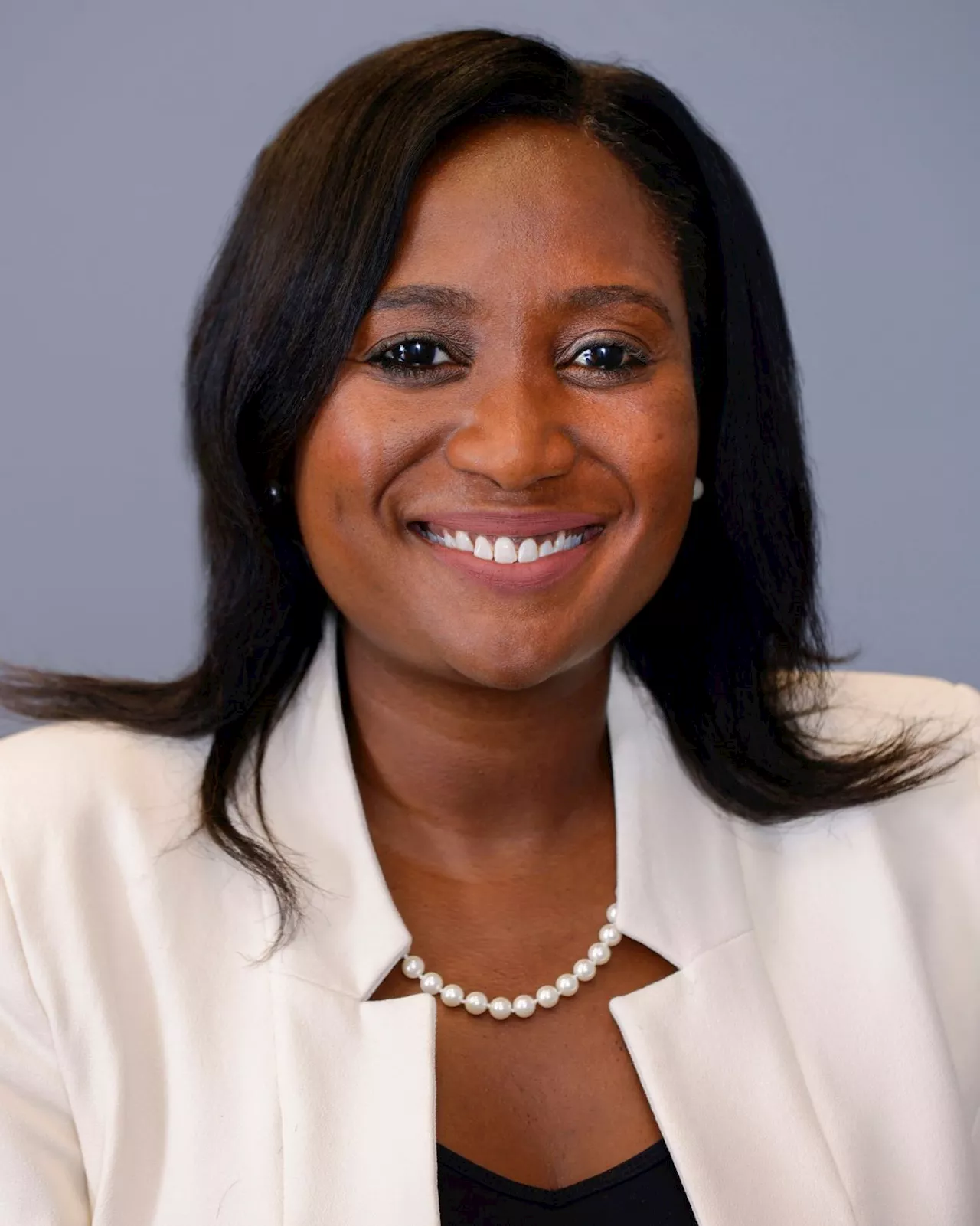 CPR can save lives, why not learn it?If I told you that an easy-to-learn skill could save a life, would you want to know more?That skill is cardiopulmonary resuscitation, or CPR.
Read more »
 Family Member Stunned to Learn Why Cousin Accuses Them of 'Stealing' $50A misunderstanding over a holiday gift turns into an unexpected family confrontation.
Read more »
 'Silo' Season 2 Ending Explained: Did We Just Learn Why the Silos Were Created?Rebecca Ferguson in Silo Season 2 Episode 4
Read more »
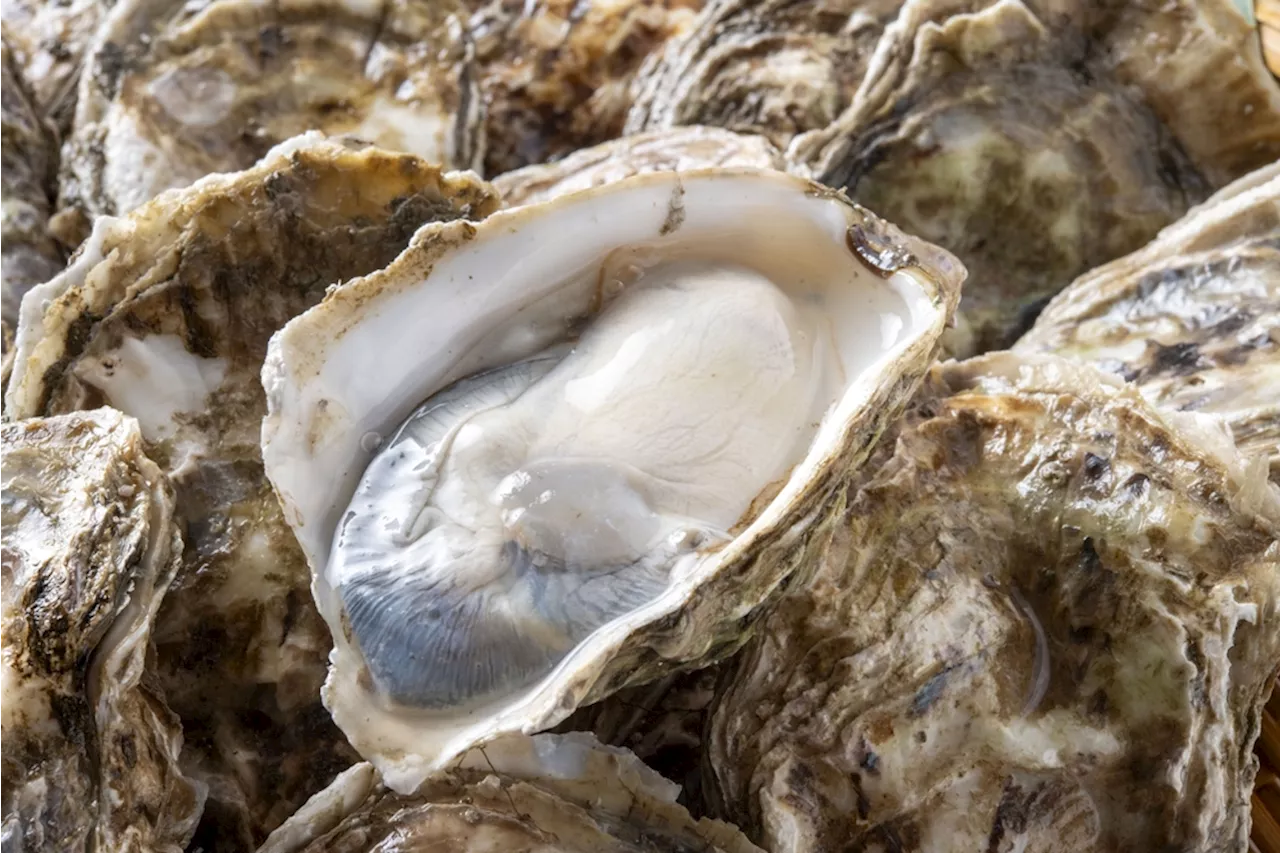 Oyster Blood May Provide a Powerful Weapon Against Antibiotic ResistanceLearn why a protein in oyster blood could boost some antibiotics’ efficacies against several resistant strains.
Read more »
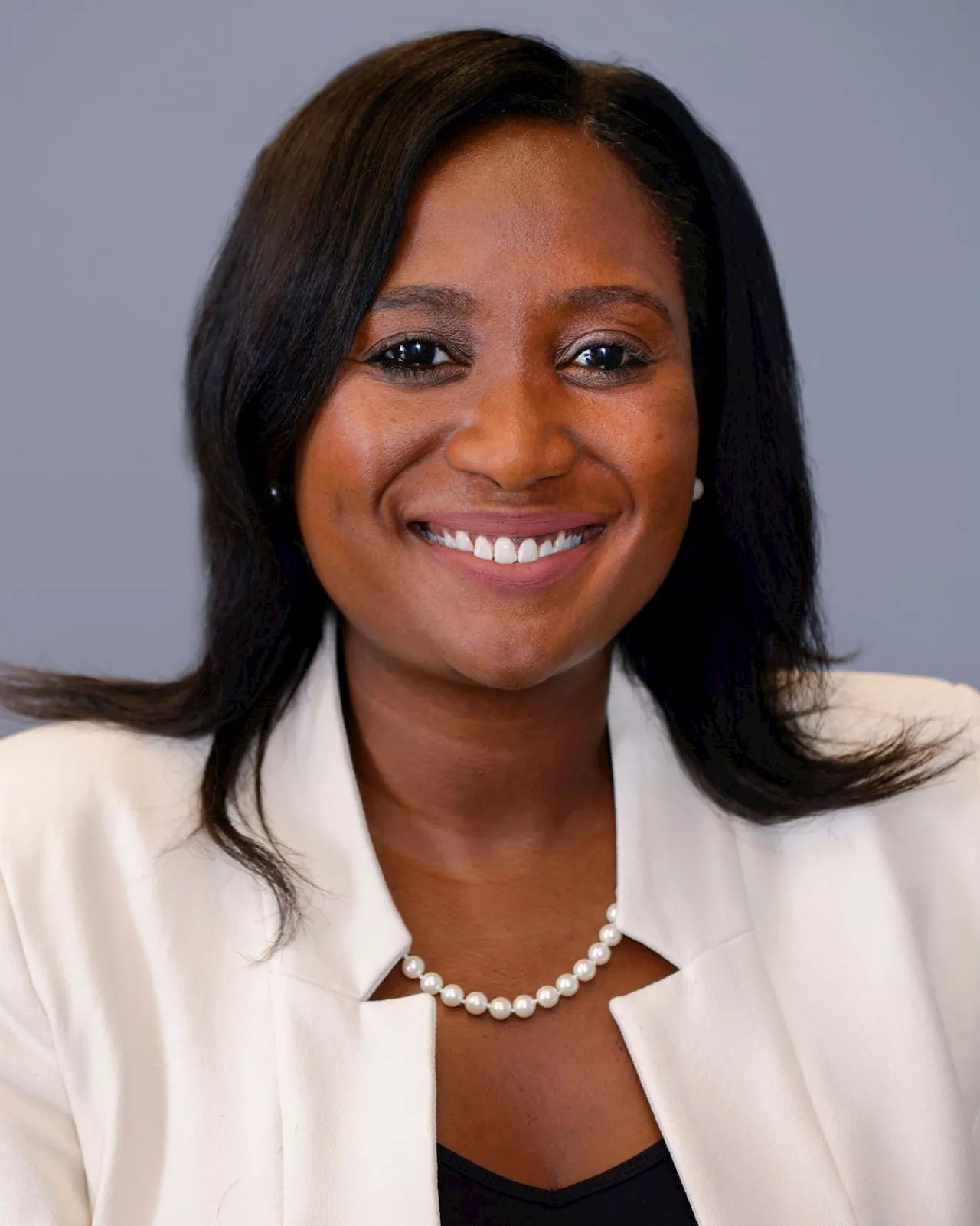 CPR can save lives, why not learn it?If I told you that an easy-to-learn skill could save a life, would you want to know more?That skill is cardiopulmonary resuscitation, or CPR.
Read more »
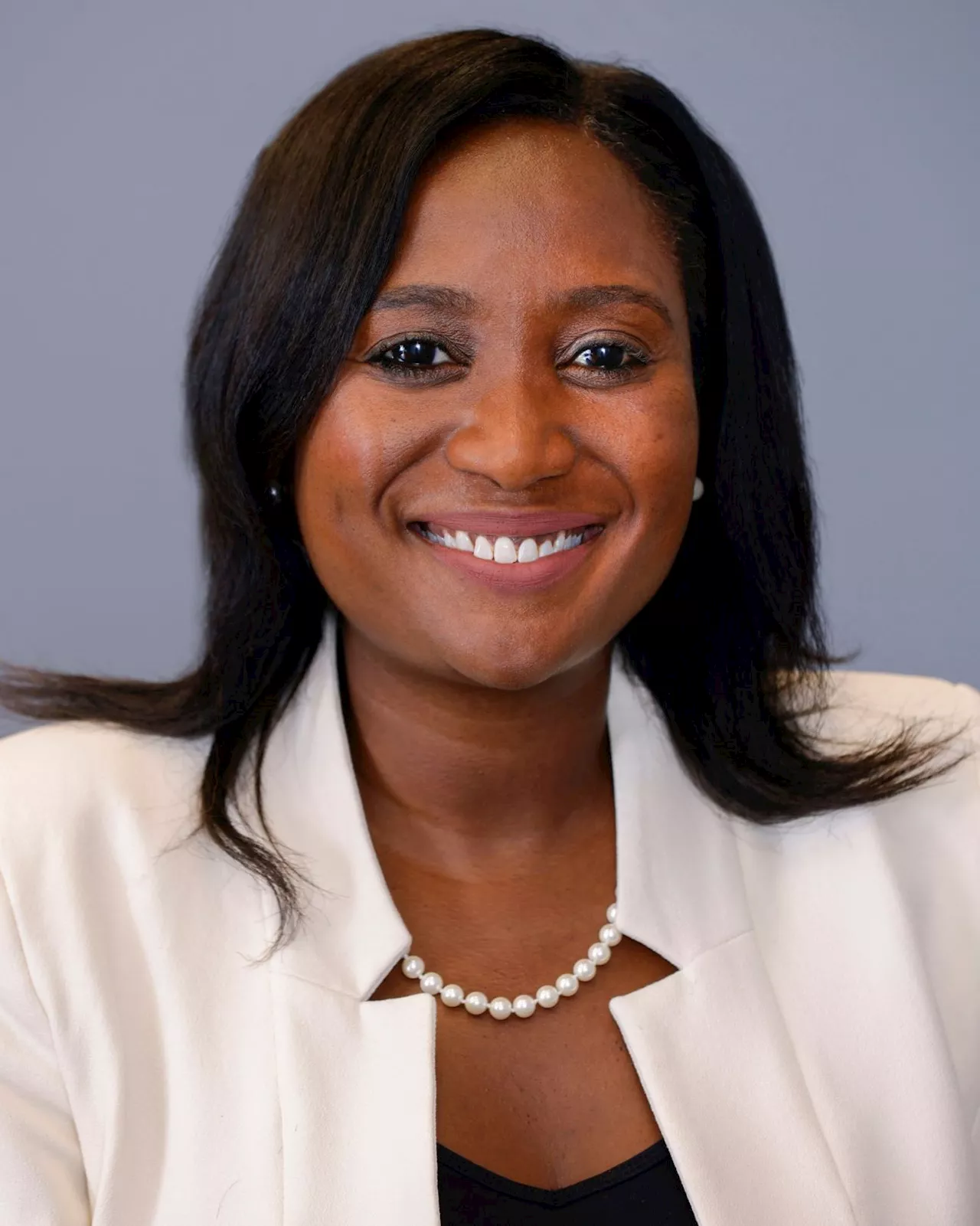 OP-ED: CPR can save lives, why not learn it?If I told you that an easy-to-learn skill could save a life, would you want to know more?That skill is cardiopulmonary resuscitation, or CPR.
Read more »