
'Why Web3 Requires Complete Decentralisation' web3 oct_network
decentralisation, which the crypto world does not have - yet!with Gavin Wood, who coined the term ‘Web3’ in 2014, sets out a stark differentiation between ‘Web 1.0’, the earliest version of our WorldWide Web that comprised open, decentralised protocols, ‘Web 2.
0’, today’s web, controlled by closed, centralised platforms , and ‘Web3’ a decentralized online ecosystem built on blockchain, meant to “break the world free of that monopolistic control”. The ideology is that anything built on Web3 won’t be owned by any central actor, instead, users control their own experiences and earn ownership by developing and maintaining the Web3 services. This approach suggests inherent disintermediation by removing 3rd parties, an inbuilt resilience due to a decentralised infrastructure, automatic accessibility meaning nothing is restricted, and personal data ownership where everyone has control over their information. Paradoxically, if one were to take a cursory look at the organisations proclaiming to be Web3 today, one would notice that many, if not all, are centralised actors who are operating in the exact same way as Web 2.0 does.Web 2.0 is about conglomerates, Web3 is about people. And yet, the current trend is for Web 2.0 companies to attempt at ‘greater relevance’ by aligning themselves with today’s keywords such as ‘metaverse’ and, of course, Web3. Yet, a tagline does not an infrastructure make.way of constructing anything as a Web3 offering, unlocking the potential in collaborative cooperation, is to reverse the organisational structures of Web 2.0 and develop networks and services whereThat’s a bold move. Predominantly as it requires the surrendering of control - and how many Web 2.0 organisations are up for that? In 2021, Tim Berners-Lee, inventor of the WorldWide Web and long-term freedom advocate, envisaged a return to the original, open protocols and principles of Web 1.0 where “ no permission is needed from a central authority to post anything…there is no central controlling node, and so no single point of failure… no kill switchToday, the news we read, the images we share and the conversations we have, are controllable by the few centralised platforms that have their own agenda. For the future of Web3 we need to place the power firmly in the hands of the people. This human-centric approach is the default starting point for Minima, thedecentralised network enabling everyone to freely connect, but the hope is that many will build offerings on top. Minima is an enabling protocol, the possibility for applications on top are, literally, limitless. This differentiation is simple as a concept, but in practice, it is tremendously difficult to bring to market; not least because nobody has ever attempted it before. Another challenge is that the world has been so conditioned and controlled by centralised structures, that a vast amount of education needs to happen so that peoplethat they are allowed to have power. Adjacent to this is the overuse of the trendy terms, so an offering thatWill Web3 and Web 2.0 exist alongside one another? Yes. I believe that the entire construct of Web3 is not suitable for everyone and everything. The commercial structure of organisations is not something that should either be surrendered or ignored. Equally, however, putting people first does not mean that profitability is not possible. Double negatives aside, perhaps the most profitable approach is to start with what people would find mostIt will only be when networks are run by people where everyone has equal power and nothing can shut it down, when we will no doubt see past the posturing of DINO structures and blockchain offerings. As proponents of a better digital future for all, we must be diligent in looking deeper behind claims. We must maintain the prioritisation of a citizen-first initiatives. This won’t be easy and no, bypassing the true semantic nature of Web3 and jumping straight to “owning Web4” isn’t the answer either. TheWeb3 requires a philosophical commitment to an alternative view of network architecture and human empowerment…but for those who share it, the next WorldWide Web awaits., about Web3 to talk about Web 3 and he advised that it will only be possible withHe explains in greater detail below:with Gavin Wood, who coined the term ‘Web3’ in 2014, sets out a stark differentiation between ‘Web 1.0’, the earliest version of our WorldWide Web that comprised open, decentralised protocols, ‘Web 2.0’, today’s web, controlled by closed, centralised platforms , and ‘Web3’ a decentralized online ecosystem built on blockchain, meant to “break the world free of that monopolistic control”. The ideology is that anything built on Web3 won’t be owned by any central actor, instead, users control their own experiences and earn ownership by developing and maintaining the Web3 services. This approach suggests inherent disintermediation by removing 3rd parties, an inbuilt resilience due to a decentralised infrastructure, automatic accessibility meaning nothing is restricted, and personal data ownership where everyone has control over their information. Paradoxically, if one were to take a cursory look at the organisations proclaiming to be Web3 today, one would notice that many, if not all, are centralised actors who are operating in the exact same way as Web 2.0 does.Web 2.0 is about conglomerates, Web3 is about people. And yet, the current trend is for Web 2.0 companies to attempt at ‘greater relevance’ by aligning themselves with today’s keywords such as ‘metaverse’ and, of course, Web3. Yet, a tagline does not an infrastructure make.way of constructing anything as a Web3 offering, unlocking the potential in collaborative cooperation, is to reverse the organisational structures of Web 2.0 and develop networks and services whereThat’s a bold move. Predominantly as it requires the surrendering of control - and how many Web 2.0 organisations are up for that? In 2021, Tim Berners-Lee, inventor of the WorldWide Web and long-term freedom advocate, envisaged a return to the original, open protocols and principles of Web 1.0 where “ no permission is needed from a central authority to post anything…there is no central controlling node, and so no single point of failure… no kill switchToday, the news we read, the images we share and the conversations we have, are controllable by the few centralised platforms that have their own agenda. For the future of Web3 we need to place the power firmly in the hands of the people. This human-centric approach is the default starting point for Minima, thedecentralised network enabling everyone to freely connect, but the hope is that many will build offerings on top. Minima is an enabling protocol, the possibility for applications on top are, literally, limitless. This differentiation is simple as a concept, but in practice, it is tremendously difficult to bring to market; not least because nobody has ever attempted it before. Another challenge is that the world has been so conditioned and controlled by centralised structures, that a vast amount of education needs to happen so that peoplethat they are allowed to have power. Adjacent to this is the overuse of the trendy terms, so an offering thatWill Web3 and Web 2.0 exist alongside one another? Yes. I believe that the entire construct of Web3 is not suitable for everyone and everything. The commercial structure of organisations is not something that should either be surrendered or ignored. Equally, however, putting people first does not mean that profitability is not possible. Double negatives aside, perhaps the most profitable approach is to start with what people would find mostIt will only be when networks are run by people where everyone has equal power and nothing can shut it down, when we will no doubt see past the posturing of DINO structures and blockchain offerings. As proponents of a better digital future for all, we must be diligent in looking deeper behind claims. We must maintain the prioritisation of a citizen-first initiatives. This won’t be easy and no, bypassing the true semantic nature of Web3 and jumping straight to “owning Web4” isn’t the answer either. TheWeb3 requires a philosophical commitment to an alternative view of network architecture and human empowerment…but for those who share it, the next WorldWide Web awaits.
United States Latest News, United States Headlines
Similar News:You can also read news stories similar to this one that we have collected from other news sources.
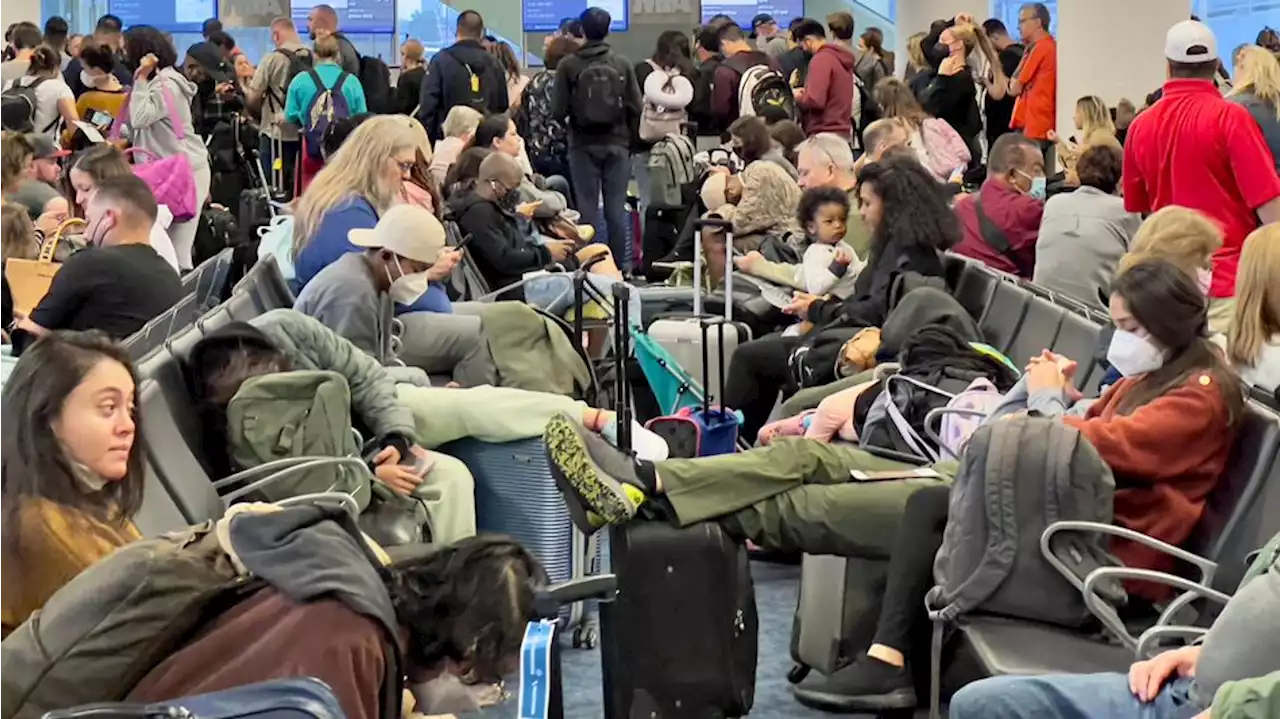 Here's why Dr. Fauci says the U.S. is 'out of the pandemic phase'Vaccinations and residual immunity are among the reasons, President Biden's chief medical adviser Dr. Anthony Fauci said Tuesday, as the number of deaths drop and hospitalizations rise only slightly.
Read more »
 Monero Users Noticed Unusual Fees; Here's Why This Might Be AlarmingMonero (XMR) enthusiasts identified potential malicious activity and issued a warning to all privacy advocates
Read more »
 CropBytes Games Celebrates a Milestone Unheard of, ‘4 Years of Sustainable Web3 Gaming’ – Press release Bitcoin NewsPRESS RELEASE. For a gaming community to complete 4 years in the crypto gaming industry is a remarkable achievement to say the least. CropBytes was
Read more »
 Top 7 Web3 Marketing Agencies | HackerNoonPresently, the tech industry is seen to have dominated the global market with different developments from Web2 to Web3 in terms of its version and services.
Read more »
 Why Is the Firing Squad Making a Comeback?South Carolina’s push to bring back the firing squad for executions says a lot about the state of capital punishment today. zakcheneyrice writes
Read more »
 Walmart-owned Indian e-commerce giant Flipkart plans web3 expansionWalmart-owned Indian e-commerce giant Flipkart has launched an innovation unit as it plans entry into the web3 industry.
Read more »