
Dr Kath Mackay is Chief Scientific Officer for Bruntwood SciTech and Managing Director of its Alderley Park campus, the UK’s largest single site life science innovation campus. Her responsibilities include stimulating new business ventures and managing further development of the campus.
reach a record £20.4 billion, including targeted funds such as the £70 million Life Science s Innovative Manufacturing Fund, set to grow to £520 million over five years. The closing of the UK government's recent consultation on its new Industrial Strategy , titled" Invest 2035 ", marked a pivotal moment for the country’s economic planning.
While the consultation has prompted broad interest and engagement, and also raises important questions about how the strategy’s ambitious goals will be achieved and how it will tackle the significant productivity and growth challenges facing our economy. The promise of a long-term plan focused on eight key sectors provides a foundation for optimism, but the details - particularly around funding, regional equity, and sectoral priorities - remain critical to its success.While the consultation period fostered valuable dialogue, its conclusion signals the start of the crucial next phase - formulating policies that reflect the input from businesses, academic institutions, and other stakeholders. Based on government commentary, we can expect the forthcoming strategy to emphasise strengthening emerging technologies, scaling regional innovation clusters, and aligning funding streams with sectoral goals. The Industrial Strategy Advisory Council, chaired by Microsoft UK CEO Clare Barclay, is likely to play a central role in shaping these next steps. Its make up will be key, particularly in ensuring representation from diverse regions and industries, reflecting the UK's ambitions for a balanced and inclusive growth agenda.Acknowledging this consultation as progress is essential. After nearly six years without a relevant strategy, the government’s initiative to re-engage and outline a vision is a step forward. However, there is an emerging consensus that while the Government’s green paper outlined a more joined-up approach to supporting important sectors—such as life sciences, technology, and green energy—it did not venture into uncharted territory. Instead, it appeared to be an evolution of previous strategies and consolidation of already announced policies that, while not revolutionary, could nonetheless provide a crucial foundation for future development. There’s no doubt that the eight growth-driving sectors identified - manufacturing, construction, technology, life sciences, green energy, creative industries, transport, and advanced services - are pivotal for the UK’s economic trajectory. However, where the green paper left more to be desired was in its articulation of the emerging technologies that will provide bridges between each of these sectors. Harnessing these technologies for substantial growth will require a more nuanced understanding of how these sectors intersect and interact and how emerging technologies are the glue that binds them together.When Is Spotify Wrapped 2024 Coming Out? Here’s The Likely Release Date Identifying and investing in the underlying tools and technologies that the UK should focus on now and in the future is vital. For instance, life sciences are undergoing rapid transformation with advancements in engineering biology, techbio and gene therapy. Recognising and investing in these emerging technologies could position the UK as a leader in sectors that promise significant returns. However, without a clear delivery plan supported by adequate funding, the government’s ambition risks becoming just that—an ambition without the means to achieve it. Funding must be a central theme of this new industrial strategy, and the government’s ability to allocate strategically will be a defining factor in the success of Invest 2035. In the Chancellor’s recent Autumn Budget statement, it was announced Public R&D investment will reach a record £20.4 billion, including targeted funds such as the £70 million Life Sciences Innovative Manufacturing Fund, set to grow to £520 million over five years. These commitments, coupled with £975 million for the aerospace sector and £2 billion for automotive R&D, underscore a focus on nurturing key industries through sustained funding. Equally important, the retention of existing R&D tax relief schemes is a positive signal to businesses. However, their implementation must be streamlined to ensure accessibility and prevent misuse. While the government has made strides, there remains a need for a clear financial roadmap that aligns funding priorities with the ambitious goals outlined in the strategy. Moreover, there is a pressing need to address support for high-growth clusters outside the traditional ‘Golden Triangle’ of London, Oxford, and Cambridge. While these areas have rightly earned recognition for their contributions to innovation and deserve continued support to thrive, the UK can only succeed in its ambition to become a science and tech superpower if we lift innovation clusters that are clearly leading with national and international innovation assets. It’s important that we push for a more inclusive, place-based approach that empowers regions and cities to take charge of their growth.With the consultation now closed, the focus shifts to translating input into actionable policies. A clear roadmap detailing timelines, funding allocations, and sector-specific priorities will be crucial to maintaining stakeholder confidence. By adopting a place-based approach that leverages the UK's regional strengths, the government can create a resilient and equitable industrial strategy that drives innovation and sustainable growth. The transition from consultation to implementation offers a chance to reimagine how the UK can compete on the global stage. As we await the next steps, it is clear that bold action is needed to turn the promise of"Invest 2035" into a reality.Our community is about connecting people through open and thoughtful conversations. We want our readers to share their views and exchange ideas and facts in a safe space.Insults, profanity, incoherent, obscene or inflammatory language or threats of any kindContinuous attempts to re-post comments that have been previously moderated/rejectedAttempts or tactics that put the site security at riskProtect your community.
Invest 2035 Life Science Place-Based Regional UK Government Consultation Technologies Chancellor
United States Latest News, United States Headlines
Similar News:You can also read news stories similar to this one that we have collected from other news sources.
 The power of apps: Why every business needs a mobile strategyHaving a custom-built mobile app for your business can be a game-changer. Having an app can revolutionize how you interact with customers, boost visibility and greatly expand your reach.
Read more »
 What Is Docking, and Why Do Pie Recipes Call for It?We asked pro bakers why pricking pie dough matters (and why sometimes it doesn't).
Read more »
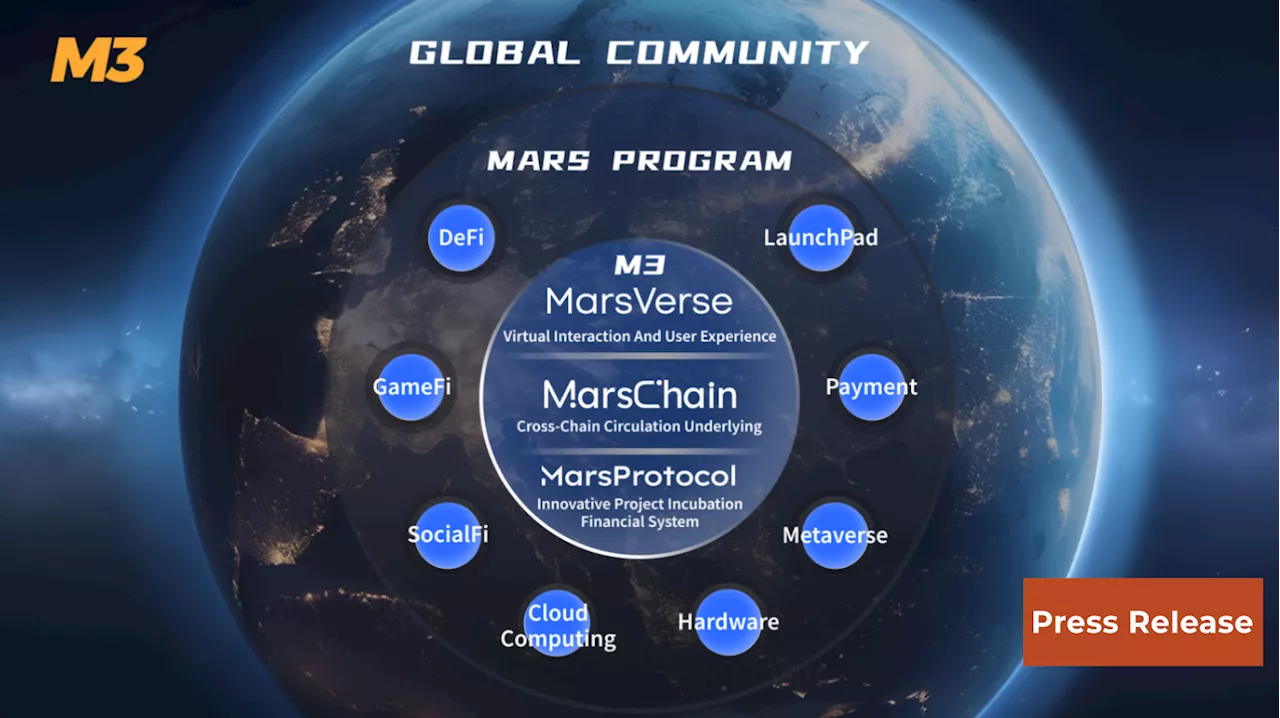 M3 DAO 'Combination Strategy': In-Depth Interpretation of the M3 Comprehensive Ecological Strategy MapM3 DAO 'Combination Strategy': In-Depth Interpretation of the M3 Comprehensive Ecological Strategy Map
Read more »
 A smart way to follow value investor David Einhorn into his latest play that generates income to bootMike Khouw gives a cash-covered put strategy on CNH Industrial.
Read more »
 Why Chargers Will Beat Bengals, Why They Won’t, and a PredictionWhy the Chargers can and can't win the Week 11 game vs. Bengals.
Read more »
Why the Giants Will Beat the Cowboys, Why They Won’t, and a PredictionWill the Dallas Cowboys get their first win at home this season against the struggling New York Giants?
Read more »