
As East African runners set new global marathon records, the fervor over 'super shoes' means athletes’ hard work often gets sidelined.
East African runners wearing “super shoes” have outpaced global marathon records. But the shoe fervor—alongside older stereotypes about African runners’ “natural” abilities—means athletes’ hard work often gets sidelined.
, the Ethiopian runner Tigst Assefa won the Berlin Marathon. She set a women’s world record with a staggering time of 2 hours, 11 minutes, 53 seconds, lowering the previous record of 2:14:04 by over two minutes. A few weeks later, Kelvin Kiptum from Kenya broke the men’s world record in the distance, winning the Chicago Marathon in 2:00:35. In both cases, the athletes debuted the newest iterations of “super shoes.” Assefa wore the Adidas Adizero Adios Pro Evo 1, which retail for around US$540 and are meant to be worn for a: “They say shoes maketh the man. But did a pair of trainers make Ethiopia’s Tigst Assefa a record-breaking runner?” Throughout the 2023 marathon season, broadcasters and commentators have focused on how the athletes’ footwear has helped usher in new world records. But what often gets sidelined is the extensive training and hard-won skills of the elite runners themselves. As an anthropologist who researches the lives of Ethiopian distance runners, I’ve witnessed what a big shift the super shoe era has been for athletes in East Africa starting in 2017. Most runners from Ethiopia come from poor families in the countryside and have trouble accessing durable running shoes early in their running pursuits. In interviews, athletes who had—or were on the cusp of getting—professional contracts often talked about shoes, detailing the advantages of certain brands and models. Many told me that newer models not only made their racing better but allowed them to recover more quickly from workouts and reduce injury risk. But in other ways, the super shoe era has exacerbated existing inequalities in the world of running. The mostly Ethiopian and Kenyan runners leading the charge in marathon running today bring commercial value to athleticwear companies like Adidas and Nike by running the world’s fastest times. Their impressive performances are what make the masses vie for these extraordinarily expensive pieces of footwear. But the intense labor they put into training often gets erased, explained away through racist stereotypes about East African runners’ “natural” athletic abilities. What has led to this situation? To start to understand, let’s look back to another trend: the minimalist running boom.In 2015, I traveled from the U.S. to Ethiopia to begin my research on women runners. For almost a year I’d been dealing with an incredibly stubborn bout of plantar fasciitis. This exceedingly frustrating injury sometimes presents itself as a dull but manageable ache along the arch of one’s foot. In other cases, like mine, the first steps in the morning felt like a knife was puncturing my heel bone. Desperate for anything that could help, I decided to go out onto a grass field. I began jogging in circles, barefoot. Several runners came out and asked what I was doing. They knew I was injured because I had not been attending training sessions.-cushioned footwear. However, the shoe market in the U.S. indicated Ethiopians were “naturally” good at running because they sometimes ran barefoot.taking the running world by storm since 2016, it can be easy to forget just how recently minimalist running was all the rage. In 2009, journalist Christopher McDougall’s bookbestseller list for four years. The book recounts McDougall’s adventure to “find” members of the Tarahumara tribe, who call themselves the Rarámuri, in Mexico’s Copper Canyons.,” McDougall depicted Tarahumara communities as free of crime, war, theft, corruption, and obesity. “They didn’t get diabetes, or depressed, or even old,” he wrote, among other passages that depicted these runners as impervious to pain. As part of their practice, the Rarámuri run long distances at impressive speeds—usually without specialized running shoes. By cherry-picking available data and, McDougall concluded the shoe industry was profiting from people’s injuries. He suggested people might be better off just ditching shoes all together. After McDougall’s book came out, shoe companies began marketing new shoes with low stack heights, or minimal cushioning in the space between the heel and insole, claiming that they mimicked the benefits of barefoot running. And it worked: The minimalist shoe market boomed. In 2006, the Italian footwear company Vibram introduced FiveFingers to the U.S.—a style many may remember as “the weird toe shoes.” In 2009, salesThe minimalist shoe craze also built upon existing assumptions that runners from East Africa, who had been dominating globally in distance running since the 1960s, were somehow biologically destined for success. Some journalists and researchers drew on racist assumptions that because so many African runners grew up at, their bodies were hardened and capable of withstanding more pain and trauma compared to Europeans. Most of these claims were not factual butthat made false claims about Africans’ superior strength, which, according to these theories, was linked to a lack of advanced intellect. Taking advantage of these stereotypes, Vibram named one of the FiveFingers model the “Bikila” after Ethiopian marathoner Abebe Bikila, who became the first Black African Olympic gold medalist in Rome in 1960 after running the marathon without shoes.Vibram allegedly did not ask the Bikila family for permission to name their barefoot mockup in the legend’s likeness; the But just a few years after sales grew, many who had adopted the barefoot shoes were complaining of serious injuries. A class-action suit was filed against Vibram for making claims, without any, that their shoes would “reduce foot injuries and strengthen foot muscles.” While Vibram denied wrongdoing, they settled to avoid continuing legal fees. Class members were able to submit claims for up to two pairs of shoes, and the company agreed to discontinue false claims that its footwear helped prevent injuries.In 2016, Nike began the Breaking2 project. Their goal: to set up an ideal race for a man to break the barrier of running a marathon in under two hours. Three accomplished African runners—Kenya’s Eliud Kipchoge, Eritrea’s Zersenay Tadese, and Ethiopia’s Lelisa Desisa—were selected for the project. They were chosen for their remarkable “running economy,” a multifaceted sports science concept that measures, loosely speaking, running efficiency.to help block the wind. A Tesla drove alongside to set the pace. The race start was timed to ideal weather conditions. And as a final move to set the runners up for success, Nike gave them each a newly designed pair of shoes:These shoes were the opposite of minimalist shoes; they had a carbon fiber plate wedged between a huge stack of specialized ZoomX foam, and they propelled runners in futuristic, somewhatimplied it was the shoes Meanwhile, the athletes’ training efforts, such as waking at 4:00 a.m. three times per week to run 20 miles, were mostly forgotten. The institutional organizations that support African athletes, such as state-sponsored sport clubs and multitiered management groups, were also ignored.. Running stores ran out of stock, sometimes in less than a week. Often, the shoes would be resold for twice, or even three times, the retail price. Soon after, hundreds could be seen wearing them on the start lines of 5Ks and marathons. But what did these changes mean for runners in East Africa—most of whom, without sponsorship, could never afford such a luxury?In 2019, I watched Kipchoge break the 2-hour mark in the Vienna City Marathon, video streaming the moment on phones alongside an elite group of Ethiopian runners. In addition to marveling at his amazing performance, many runners I talked to that day shared how stressed they were about not being able to access the newer models of the shoes he wore. A few weeks later, I heard one coach making frantic calls to a management agency to see if the correct size shoe for an up-and-coming athlete had arrived. They hadn’t. From shipping logistics to unfair contracts, accessing the newest shoes was often a challenge. The coach turned to me and explained, “Hannah, these shoes are causing a big problem. The athletes, they think without these shoes, they cannot run well. It’s not good for them. It’s not good for their psychology.” The coach was right: The super shoes have enabled amazing opportunities for already-successful runners, who make exponentially more money than most Ethiopians. A normal shoe contract for a sponsored runner might be an annual cash payment of US$20,000 per year, plus shoes and merchandise. In comparison, the per capita gross national income in the country is just over US$1,000 per year. But the stakes feel different to up-and-coming East African runners, who often earn around US$50 per month from their clubs. They know that much slower runners in wealthier countries—even amateurs who just run for fitness—can often access newer models of shoes than they can. These disparities make many Ethiopian and Kenya runners feel that much more disadvantaged in the running world. Until a few years ago, a woman running a marathon in under 2:12 would have been unthinkable. The super shoes certainly helped Assefa achieve that record. But it’s the athletes wearing the shoes who make these paradigm shifts possible—while at the same time creating high profits for the shoe companies.is a Collegiate assistant professor in the Social Sciences Collegiate Division and Harper-Schmidt fellow in the Society of Fellows at the University of Chicago. Heris broadly concerned with intersections of sports, race, gender, politics, and labor, with a particular focus on long-distance running in Ethiopia. Her book project, provisionally titled, comes from over two years of fieldwork in Ethiopia, along with multisited archival and anthropological research in the U.S., Europe, and Asia. Borenstein received her Ph.D. in anthropology from Duke University, with certificates in African and African American studies, and gender, sexuality, and feminist studies.In a new book, an anthropologist with long-term ties to northeastern Japan shares stories of how fishing communities have continued making a living in uncertain waters after the 2011 earthquake, tsunami, and Fukushima nuclear disaster.Smartphones have become ubiquitous—but do we really know how people around the world are using these devices? A team of anthropologists collaborated with a comics artist to share their findings.Some cochlear implant users can’t afford to keep up with compulsory technology upgrades. After becoming dependent on the devices, they’re losing their hearing and feel abandoned by manufacturers.An anthropologist investigates how one city’s rapidly expanding video surveillance system is transforming criminal investigation—sometimes in deeply flawed ways.A team of scientists, including an anthropologist, explains the challenges and methods for locating, identifying, and retrieving human remains from underwater.The 2020 discovery of an ancient villa in Britain uncovered the most important Roman mosaic found in the last century. An archaeologist explains how the mosaic offers an alternate ending to a grim tale from the Trojan War.Anticipating a new energy future, an anthropologist returns home to contemplate what lessons we will learn from the coal industry’s material remains and monuments.n short, you may not make edits beyond minor stylistic changes, and you must credit the author and note that the article was originally published on SAPIENS.ccompanying photos are not included in any republishing agreement; requests to republish photos must be made directly to the copyright holder.This article is currently copyrighted to SAPIENS and the author. But, we love to spread anthropology around the internet and beyond. Please send your republication request via email to editor•sapiens.org. Accompanying photos are not included in any republishing agreement; requests to republish photos must be made directly to the copyright holder.
United States Latest News, United States Headlines
Similar News:You can also read news stories similar to this one that we have collected from other news sources.
 New Pterosaur Discovery Shows the Winged Reptiles Soared the Skies for 25 Million YearsLearn why the pterosaur fossils are difficult to find and why this discovery explains their evolution.
Read more »
 Experts Warn Against Unregulated Dietary Supplements and Protein PowdersLearn why dietary supplement labels can be misleading and why the FDA is cracking down.
Read more »
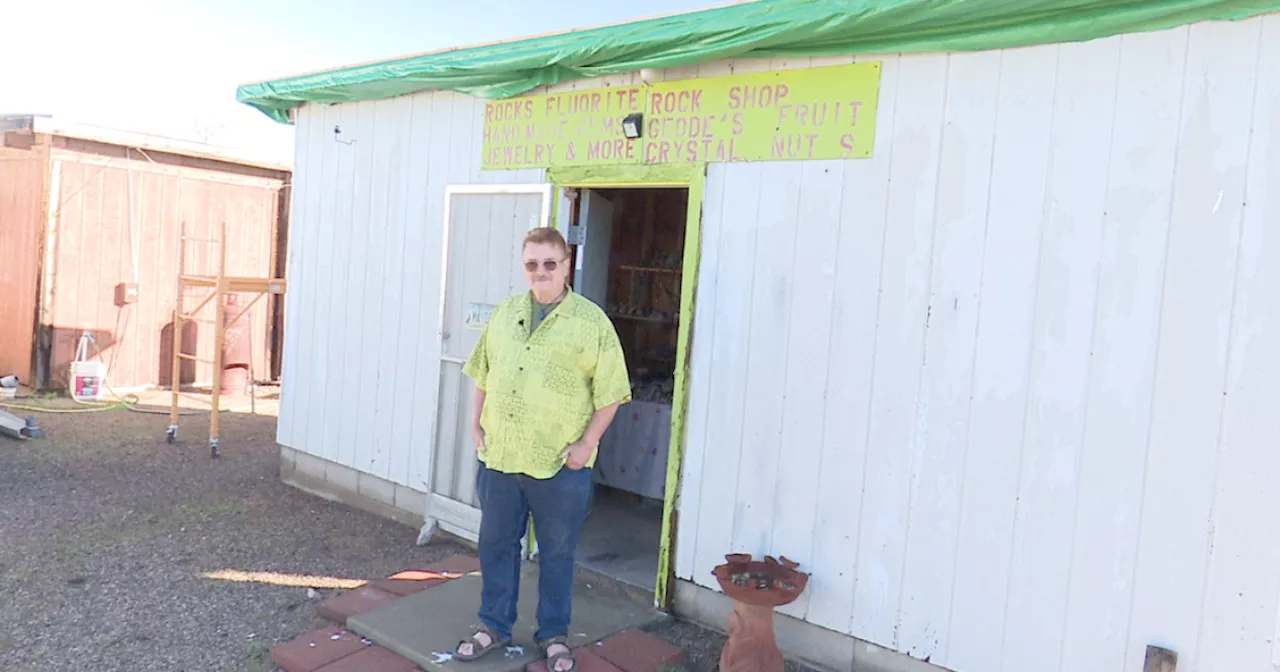 Why not check out Why's only rock and jewelry shop?Adam Klepp is KGUN 9's Marana reporter. Send your story ideas to Adam at Adam.Kleppkgun9.com.
Read more »
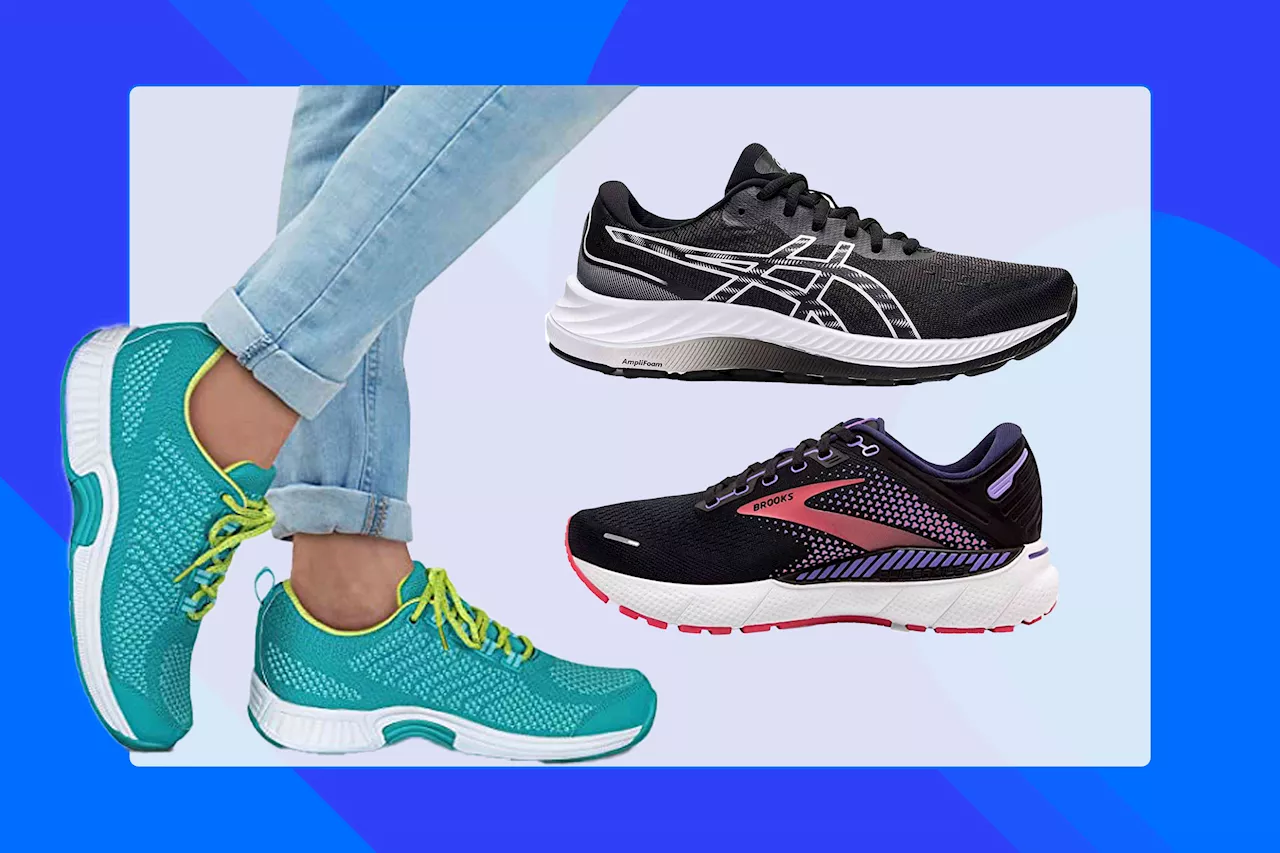 The 13 Best Running Shoes for Plantar Fasciitis of 2024The best running shoes for plantar fasciitis should be comfortable and supportive.
Read more »
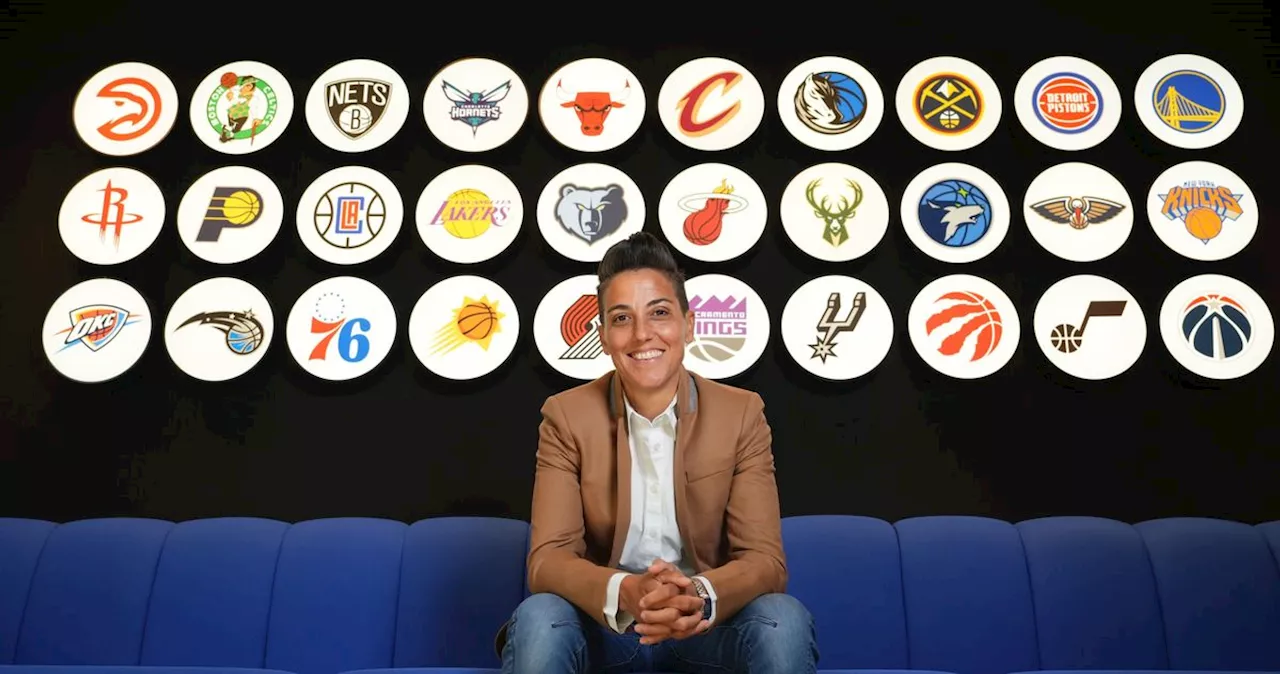 In Her Shoes: Jamila Wideman’s Dream Didn’t Stop at the WNBAOn this week’s episode of the ‘In Her Shoes’ podcast, the Cut editor-in-chief Lindsay Peoples speaks with Jamila Wideman about her career in the WNBA, as an attorney, and now in the NBA.
Read more »
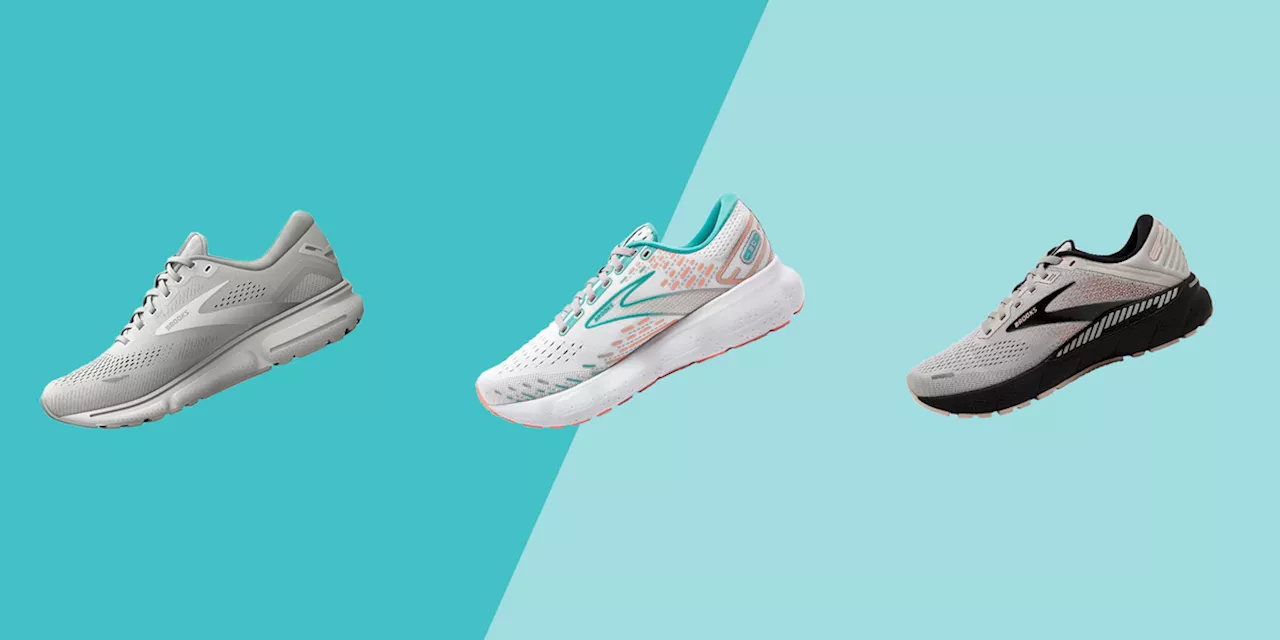 The 10 Best Brooks Running Shoes to Take Your Training Up a NotchThere’s a reason people have been using Brooks running shoes for decades. Here are some of the brand’s best models in 2024, according to experts and reviewers.
Read more »