
A new law will provide Social Security benefit increases for more than 3.2 million individuals. Yet it may take more than a year before some see the money.
A new law, the Social Security Fairness Act, provides benefit increases for more than 3.2 million individuals including certain teachers, police officers, firefighters and other public servants. Yet the Social Security Administration has said it may take more than a year to process all of the benefit changes.
"Congress either provides funding to cover the implementation costs, or SSA is going to struggle to work these cases," one expert says.scored a legislative victory due to a new law that will increase the Social Security benefits for which they are eligible.on Jan. 5 by then President Joe Biden. The law eliminates certain provisions — the Windfall Elimination Provision and the Government Pension Offset — that previously reduced Social Security benefits for people who receive pensions from non-covered employment. The changes will result in higher monthly payments ranging from $360 to $1,190, depending on their circumstances, the Congressional Budget Office. In addition, the law also provides lump-sum payments for those benefit increases dating back to benefits payable for January 2024 and after.Here are changes Americans would make to close Social Security's funding gapThe Social Security Administration is already helping some affected beneficiaries, the agency stated on its website. However, it cannot commit to a timeline as to when it will have processed the benefit increases for everyone affected. "Under SSA's current budget, SSA expects that it could take more than one year to adjust benefits and pay all retroactive benefits," the Social Security Administration'sto Acting Social Security Commissioner Michelle King urging for swift implementation of the benefit changes affecting certain teachers, police officers, firefighters and other public servants. "We call for the immediate implementation of this legislation to provide prompt relief to the millions of Americans impacted by WEP and GPO," the Senators wrote."Congress either provides funding to cover the implementation costs, or SSA is going to struggle to work these cases," said David A. Weaver, a former Social Security Administration executive who currently teaches statistics at the University of South Carolina. The Social Security Fairness Act was voted into law with broad bipartisan support in both the House and Senate. Yet retirement policy experts have. One sticking point is the cost — estimated by the CBO to tally $200 billion over 10 years — with no offsets to help pay that increase."When Congress addresses that … it'd be useful for Congress to increase SSA's budget to account for the implementation costs," Weaver said. At a minimum, the agency will need around $200 million to implement the Social Security Fairness Act's changes, he said. The last time there was a similar change was with the Senior Citizens Freedom to Work Act of 2000, in which Social Security beneficiaries who had reached full retirement age no longer saw benefit reductions due to earned income. That law affected about 1 million beneficiaries and cost about $65 million to implement in today's dollars, according to Weaver. The new Social Security Fairness Act will affect about three times as many beneficiaries, he said. The Social Security Administration's staffing is currently at a 50-year low, said Dan Adcock, director of government relations and policy at the National Committee to Preserve Social Security and Medicare. Prior to President Donald Trump taking office, it had been suggested that additional funding would help the Social Security Administration to fulfill the demands of the WEP and GPO repeal. If instead the appropriations from Congress to the agency are reduced, the implementation of the new law may take even longer than one year, Adcock said.As the Social Security Administration works to implement the law's new benefit changes, the agency will face some pain points that may contribute to delays, according to Weaver. When the Social Security Fairness Act was first introduced in 2023, the bill called for the changes to go into effect starting with benefits payable for January 2024. As lawmakers rushed the legislation through in late December, that effective date was not changed. Calculating those back payments will create more work for the Social Security Administration, according to Weaver. The effective date also presents other potential complications. For example, in any given year, 4% of Social Security beneficiaries die. Consequently, the Social Security Administration will be tasked with identifying more than 100,000 beneficiaries who are affected by the law who may have died in 2024 and distributing money to their survivors, Weaver said. Moreover, individuals who were affected by the Government Pension Offset, which reduced Social Security benefits for spouses and widows of people who received non-covered pensions, may have previously been told they were not eligible for benefits, Weaver explained. As a result, in some cases they may have never applied for benefits. For those who did apply, their personal addresses or bank account information on file with the agency may be outdated, he added. For those individuals affected by the GPO, the Social Security Administration will likely have to do a lot of work to find basic information on how to pay them, Weaver said. For survivors and spouses who are newly eligible for benefits, the agency will also have to confirm those relationships. The Social Security Administration may be able to automate 95% of the Windfall Elimination Provision cases, Weaver said. Yet some unusual cases may crop up, for example if a beneficiary was also affected by the earnings test. That will require manual input from Social Security employees, and therefore more time to process, Weaver said.
Disability Benefits Employee Pension Benefits Government Pay Government Pensions And Social Security Retiree Finances Retirees Personal Saving Personal Income U.S. Social Security Administration Government Budget Deficits Government Budgets Social Security Personal Finance Business News
United States Latest News, United States Headlines
Similar News:You can also read news stories similar to this one that we have collected from other news sources.
 Social Security Fairness Act Delays: Millions Face Year-Long Wait for BenefitsThe recently passed Social Security Fairness Act, aimed at expanding benefits for millions of retired public servants, is facing significant implementation delays due to funding and staffing limitations. The Social Security Administration (SSA) warns that affected beneficiaries may have to wait up to a year or longer to receive their full benefits and retroactive payments.
Read more »
 Social Security Benefit Delays Expected for Millions Due to Fairness Act ImplementationMillions of retired teachers, firefighters, police officers, and other public pensioners may face delays of up to a year or more in receiving the benefits promised by the Social Security Fairness Act. The Social Security Administration (SSA) cites a lack of funding and staffing as major obstacles to implementing the new law's retroactive payments and future benefit adjustments.
Read more »
 Social Security Fairness Act: Benefits Increase But Delays ExpectedThe Social Security Fairness Act is set to increase benefits for certain beneficiaries, but the Social Security Administration warns that it could take over a year to process all retroactive payments.
Read more »
 Social Security Fairness Act: Benefit Increases Expected, But Delays PossibleThe Social Security Fairness Act aims to increase benefits for certain individuals affected by previous provisions that reduced payouts based on pension income. While retroactive payments and increased monthly benefits are promised, the Social Security Administration warns that processing could take over a year due to budget constraints. Affected beneficiaries are advised to update their contact information and consider applying for benefits if newly eligible.
Read more »
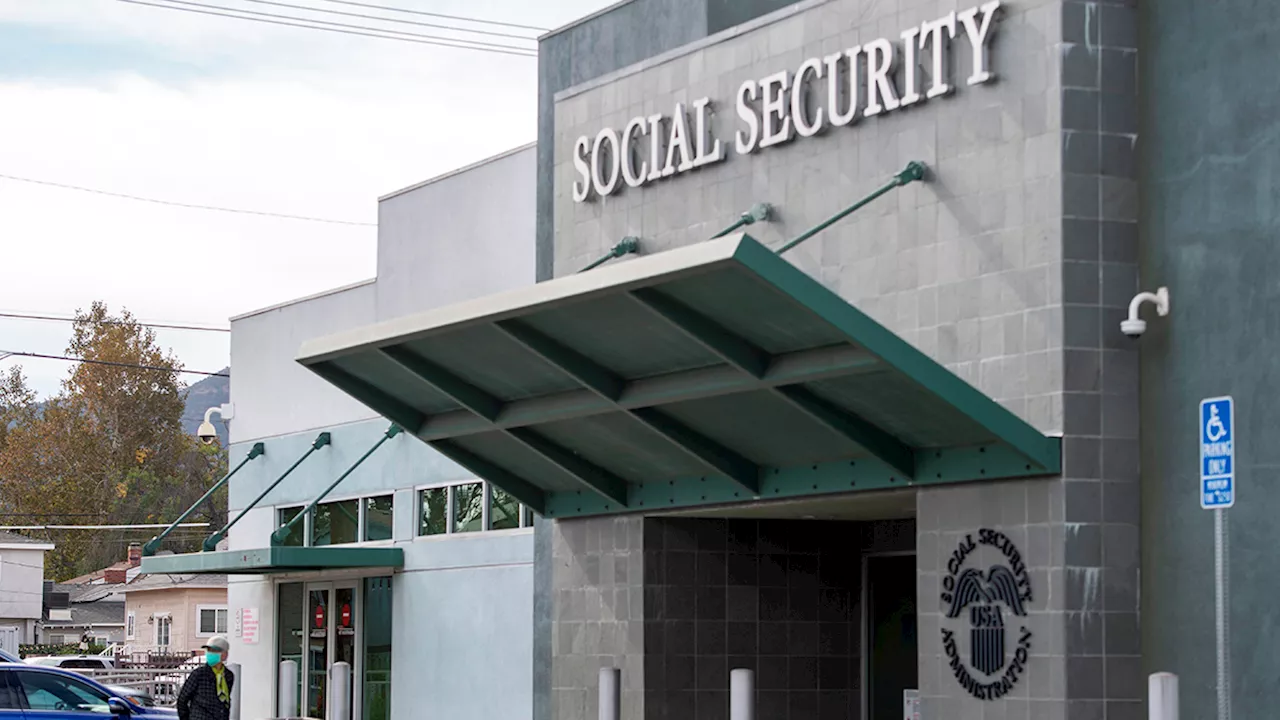 Social Security Fairness Act to Increase Benefits for Millions, but Delays ExpectedThe Social Security Fairness Act will boost benefits for over 3 million individuals by eliminating provisions that previously reduced benefits for those with pensions from non-Social Security covered jobs. However, the Social Security Administration warns that affected beneficiaries may have to wait over a year to receive the increased payments, which will vary depending on individual circumstances.
Read more »
 Social Security Fairness Act: Benefits Boost, But Delays LoomA new law, the Social Security Fairness Act, will increase benefits for millions of public servants, but the Social Security Administration (SSA) warns it could take over a year to process all changes. Funding concerns and a historically low SSA workforce raise worries about implementation speed.
Read more »