
The Doomsday Clock has been set to 89 seconds to midnight, signaling unprecedented global risks. Dr. Frederic Bertley explains what this means...
The Bulletin of the Atomic Scientists at the United States Institute of Peace on January 28, 2025 in Washington, DC. The Doomsday Clock , currently the nearest it has been to midnight at 89 seconds, is a symbol for how close humanity is to a “global catastrophe”.
The Doomsday Clock, an ominous yet powerful metaphor for humanity’s proximity to catastrophe, has been set to 89 seconds to midnight—the closest it has ever been to global disaster since its creation in 1947. The symbolic timepiece, maintained by the, considers threats from climate change, nuclear conflict, disruptive technology, and global disinformation to assess how close humanity stands to existential peril. This year’s update reflects a confluence of crises, including record-breaking global temperatures, rising sea levels, escalating geopolitical tensions, and the increasing spread of disinformation that undermines, a world-renowned scientist and science communicator, warns that public engagement with these issues often oscillates between complacency and hopelessness. In an exclusive interview, he shared insights on why the Doomsday Clock’s latest update should serve as a call to action, not despair.Dr. Bertley highlights that the Doomsday Clock’s origins stem from the Manhattan Project, the scientific effort that led to the creation of nuclear weapons. "Experts, majority scientists, said, ‘Hey, wait a minute. We're going to use this metaphor—X minutes to midnight, midnight being catastrophe, death, and disorder,’" he explains. The idea was simple: as global risks escalate, the time moves closer to midnight.pose equally dire threats. “In 2024, we’ve seen extreme climate-driven disasters—from record wildfires to unprecedented ocean heat waves—but what’s even more dangerous is how disinformation and short-term thinking are stopping meaningful action,” Dr. Bertley emphasizes.Elon Musk Is Officially $122 Billion Poorer Than His Peak—As Tesla Stock Erases Most All Of Its Election RallyGeopolitical Fragmentation: A Roadblock to Solutions One of the most significant challenges today is geopolitical fragmentation. Nations are increasingly divided on how to address climate change, nuclear risks, and misinformation, often prioritizing short-term economic and political gains over long-term survival. Dr. Bertley critiques this mindset, pointing out that human nature prioritizes immediate rewards over future security: “What humans don’t do a good job of . It's all about, ‘What have you done for me lately?’ We focus on the present rather than thinking 150 or 1500 years ahead.” This short-term focus is evident in corporate and political inaction. Despite decades of climate warnings, major fossil fuel industries continue to expand production, andDr. Bertley warns that without global cooperation, risks will only accelerate. "Will the corporate world and policymakers step up? If that were to happen, great. But if not, the burden falls on individuals and grassroots movements."One of the biggest challenges in science communication is preventing warning fatigue—where constant exposure to dire predictions leads to apathy rather than action. Bertley stresses the importance of making scientific literacy accessible and actionable, "People need to see the business case for change. Who does it cost? How do immediate steps today impact long-term outcomes? Right now, people are stuck on a bird in the hand is better than two in the bush.’”But that mindset needs to shift, and individuals play a crucial role in driving collective action. Here’s what citizens can do:Support Science Communication: Funding science education and amplifying credible voices can strengthen public trust in factual information.One of the core issues behind inaction is the erosion of trust in science and expertise. He suggests that improving science communication and education is key to ensuring people engage with existential threats rather than dismiss them. When asked how he would address global leaders at the World Economic Forum or G-8 Meetings, Dr. Bertley offered a striking suggestion: “I would buy James Gleick’s bookand turn it into a podcast because no one reads anymore—except Forbes. Then I’d make world leaders listen to it to understand the butterfly effect: small changes can lead to massive consequences.” This concept applies to climate action, global conflict, and even misinformation. Small actions—whether passing a climate policy, funding renewable energy, or educating the public on science—can ripple into larger systemic change.Despite the grim outlook of the 89-second Doomsday Clock setting, Dr. Bertley believes we are not beyond saving—if we act now. Science and history show that global challenges can be addressed when people demand change and decision-makers are held accountable.
Climate Change Global Conflict Disinformation Science Literacy Nuclear Risk International Crisis Frederic Bertley
United States Latest News, United States Headlines
Similar News:You can also read news stories similar to this one that we have collected from other news sources.
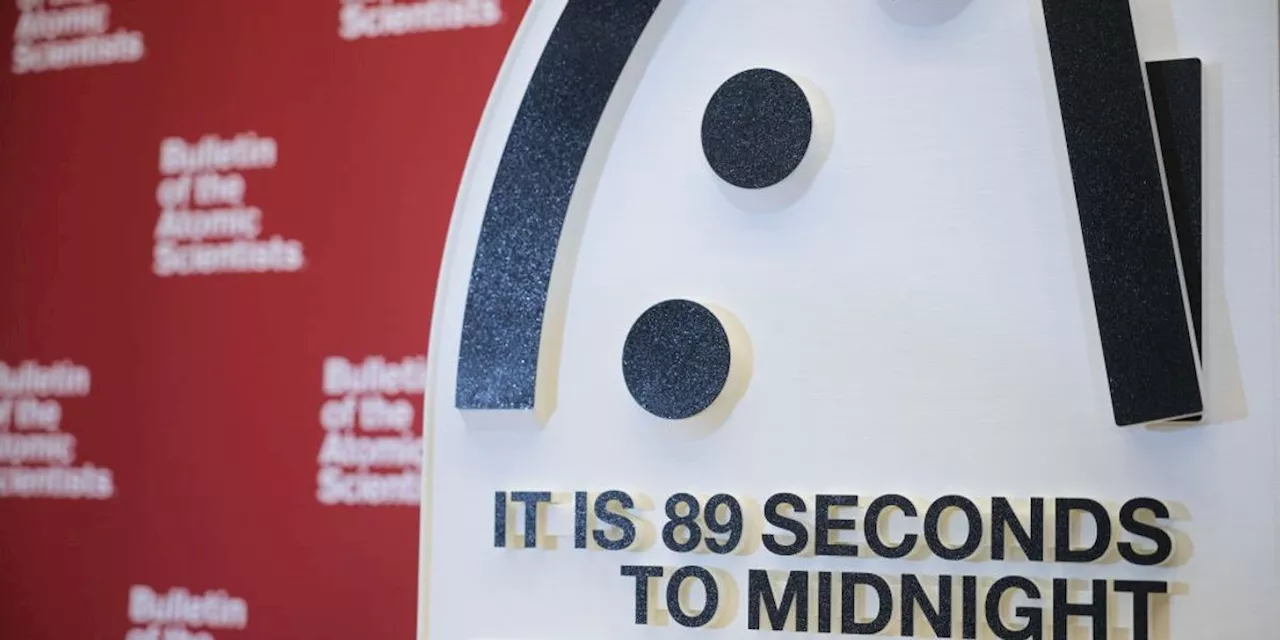 Doomsday Clock Tick: A Misleading Symbol of Imminent DangerThe Bulletin of the Atomic Scientists only moved the Doomsday Clock forward by one second, a minimal change that fails to reflect the dire warnings contained in their 2025 statement. The statement highlights the escalating dangers of nuclear war, climate change, biological threats, and disruptive technologies, emphasizing the urgent need for global action.
Read more »
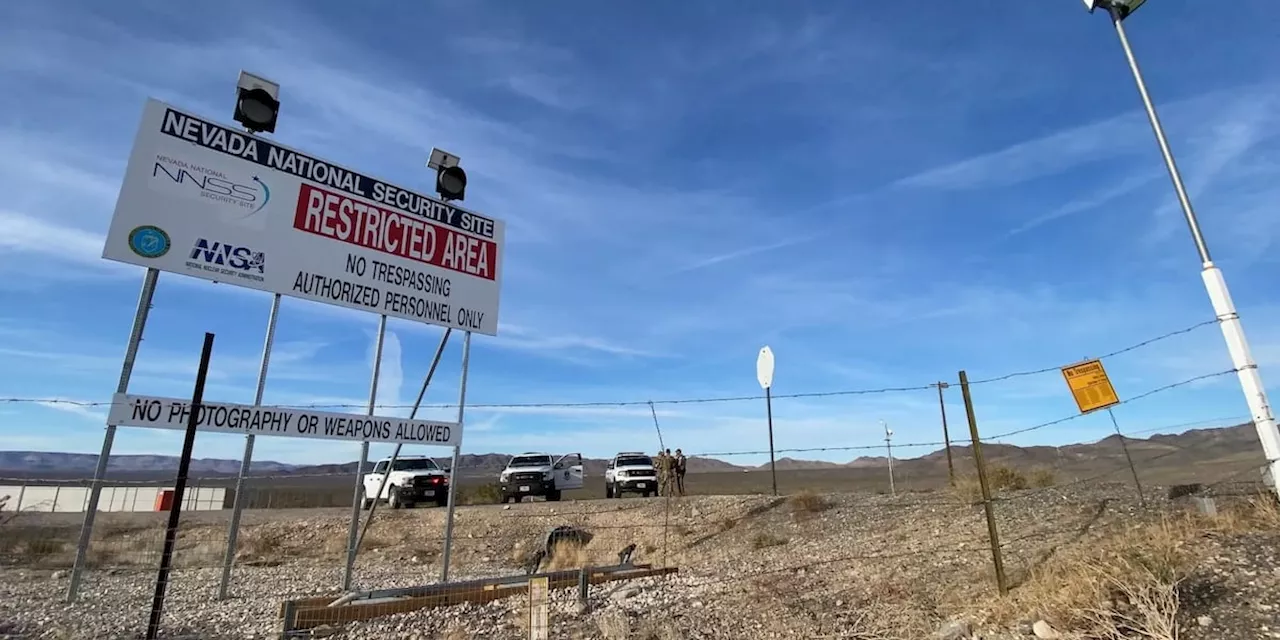 Doomsday Clock Ticking: Nuclear Testing Threat Echoes Cold War FearsThe Doomsday Clock, a symbolic representation of humanity's peril, has been moved closer to midnight than ever before, highlighting the urgent threat posed by renewed nuclear testing.
Read more »
 AI ‘Doomsday Clock’ Ticks Closer To Uncontrolled Super AIAn AI expert warns that in the balance of power between AI acceleration and AI safety, acceleration is winning.
Read more »
 Impact Of AI On The Infamous Doomsday Clock CountdownThe Doomsday Clock was adjusted, moving closer to midnight (that's bad!). Though AI wasn't a key factor, it is apparent that AI will soon loom large. Here's the scoop.
Read more »
 'Doomsday cult mom' asks court to ban cameras from upcoming murder trialLori Vallow is asking an Arizona judge to bar news cameras from the courtroom in her upcoming murder trial, citing claims of defamation and misleading coverage.
Read more »
 As Long As Bruce Banner Is Smart Hulk, Avengers: Doomsday Has To Bring Back Red HulkAs-Long-As-Bruce-Banner-Is-Smart-Hulk,-Avengers--Doomsday-Has-To-Bring-Back-Red-Hulk
Read more »