
Other ways to generate solar energy that just trying to make solar cells efficient potential of luminescent solar concentration
Scientists are always on the lookout for ways to make our world a better place, and one area they’re focusing on is solar energy. One idea in this area is to make solar cells more efficient by concentrating more solar light onto them.
While investigating this recently, a group of scientists at the Cavendish Laboratory and AMOLF have found that improving solar cells efficiency in this way is harder than we might think but have discovered other avenues by which it might be possible to improve solar energy capture anywhere on the planet. The researchers were interested in finding out if solar cells, devices that turn sunlight into electricity, could be tweaked to perform better in different parts of the world, where concentration of solar light may be higher. To examine this, they used machine learning models and neural networks to understand how the sun’s radiation would behave in different spots on Earth. They integrated this data into an electronic model to calculate the solar cells’ output. By simulating various scenarios, they could predict how much energy the solar cells could produce at various locations worldwide., however, revealed a surprising twist. “Making solar cells super-efficient turns out to be very difficult. So, instead of just trying to make solar cells better, we figured some other ways to capture more solar energy,” said Dr. Tomi Baikie, first author of the study and Research Fellow at the Cavendish Laboratory and at Lucy Cavendish College. ”This could be really helpful for communities, giving them different options to think about, instead of just focusing on making the cells more efficient with light.” Imagine solar panels that can flex and fold like origami or become partially transparent to blend seamlessly into surroundings and make them easy to install. By enhancing the durability and versatility of these panels, they could be integrated into a wide range of settings, promising longevity and efficiency. “We suggest a different plan that can make solar panels work well in lots of different places around the world,” said Baikie. “The idea is to make them flexible, a bit see-through/semi-transparent, and able to fold up. This way, the panels can fit into all kinds of places.”Furthermore, the researchers advocate the use of patterning the solar capture devices with the aim to optimise their arrangement for maximum sunlight absorption. This approach holds the potential to improve the design of solar arrays, increasing their effectiveness in harnessing solar energy. “This realisation means that we can now focus on different things instead of just making solar cells work better. In future, we’re going to examine solar harvesting pathways that includes tessellation. It’s like a puzzle pattern that could help us capture even more sun power,” concluded Baikie. We publish a number of guest posts from experts in a large variety of fields. This is our contributor account for those special people, organizations, agencies, and companies.
United States Latest News, United States Headlines
Similar News:You can also read news stories similar to this one that we have collected from other news sources.
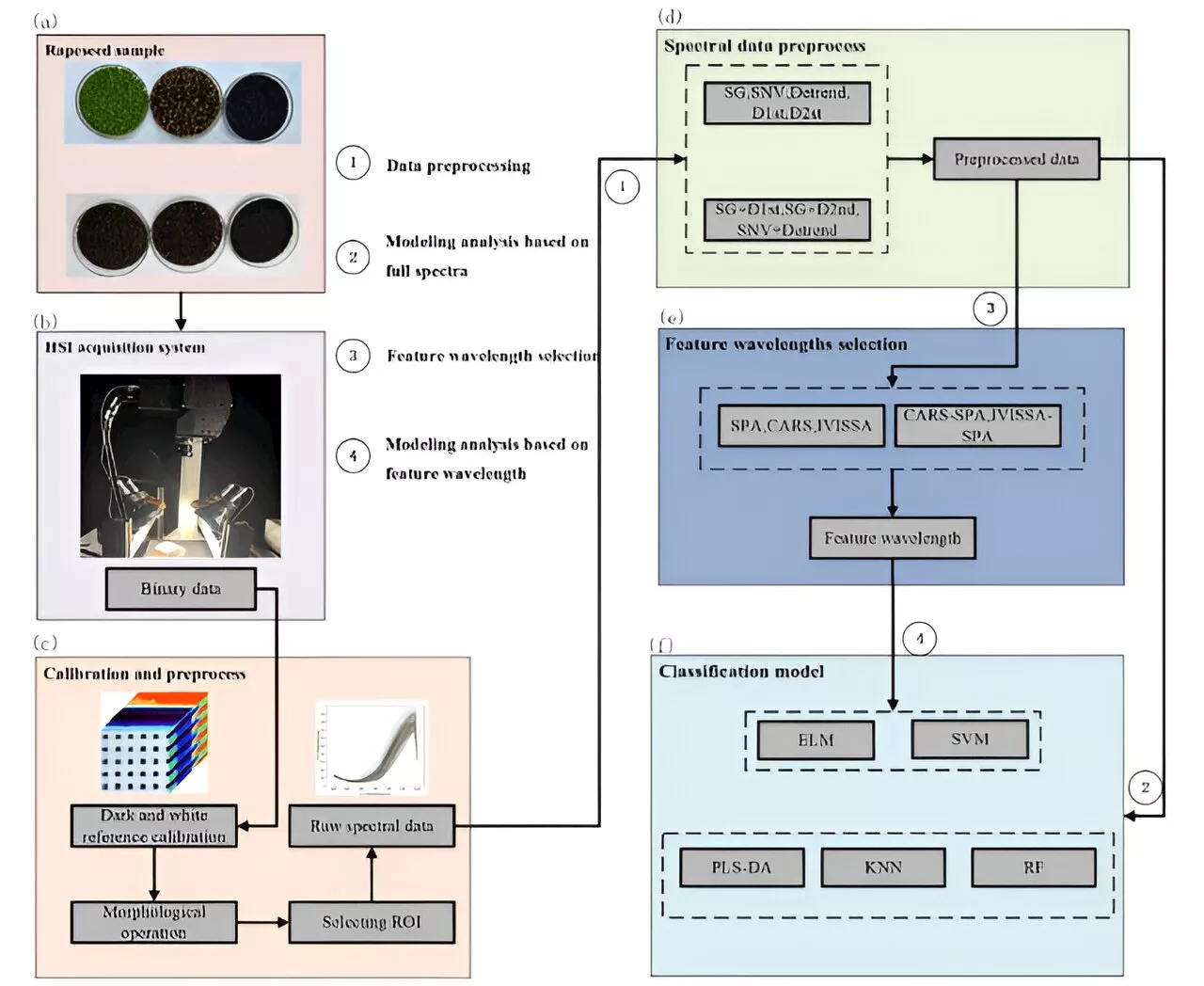 Enhancing rapeseed maturity classification with hyperspectral imaging and machine learningRapeseed oil, a vital oilseed crop facing growing global demand, encounters a significant challenge in achieving uniform seed maturity, owing to asynchronous flowering. Traditional maturity assessment methods are limited by their destructive nature.
Read more »
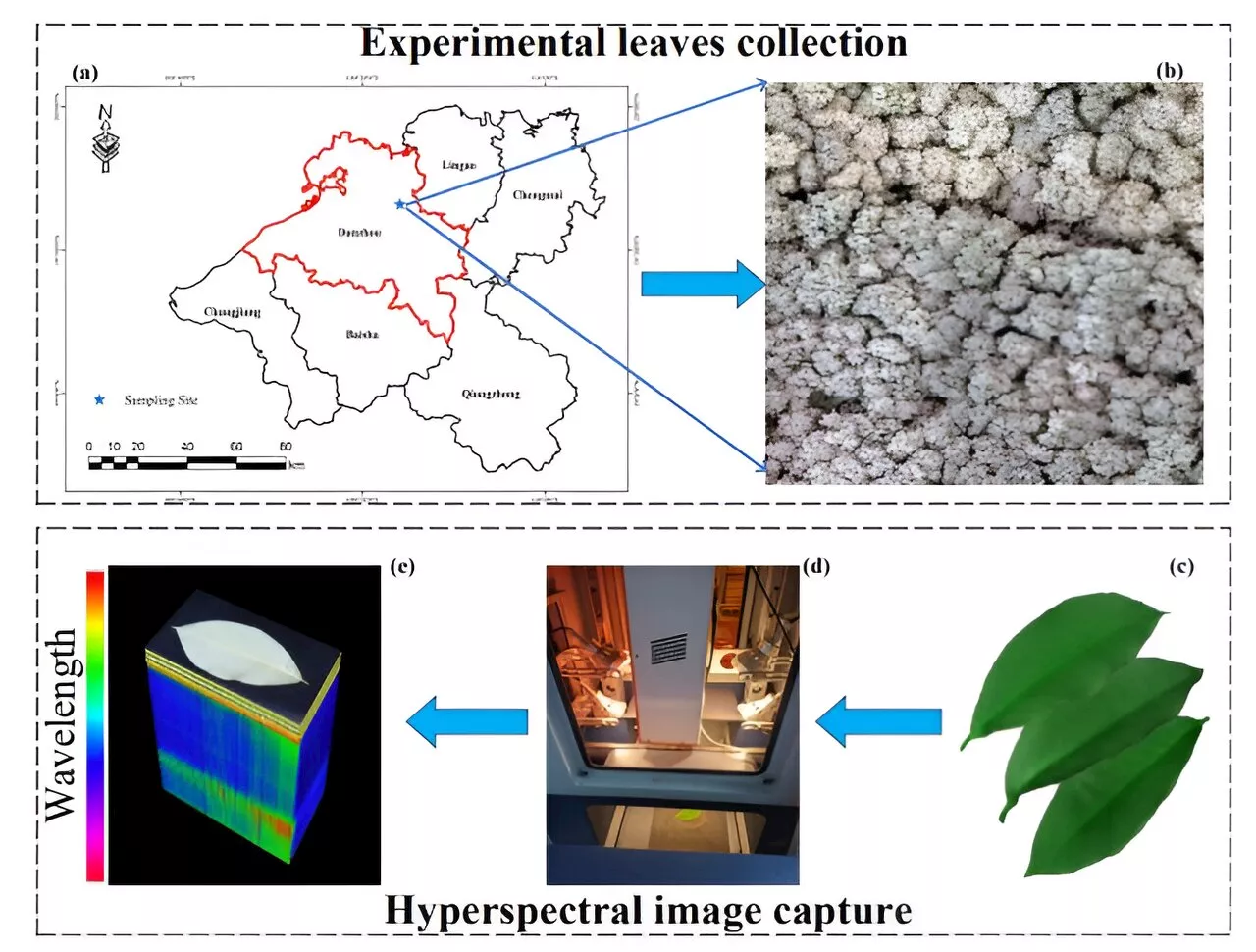 Harnessing hyperspectral imaging and machine learning for rubber tree nutrient managementRubber trees are essential for natural rubber, and require precise nutrient management. Traditional methods for assessing nutrient levels are expensive and destructive, but near-infrared (NIR) hyperspectral techniques offer a promising nondestructive alternative.
Read more »
 A brief five-minute brain scan using machine learning is 83 percent accurate.Five brain regions have been identified that can accurately and consistently predict heterosexual or homosexual orientation.
Read more »
 A Machine Learning Text Classification Case Study with a Product-driven TwistText classification case study with a product-driven twist. We're building various models (logreg, RNN, transformers) and compare their quality and performance
Read more »
 How to Build a Basic Recommendation Engine without Machine LearningExplore the intricacies of building a recommendation engine without relying on machine learning models.
Read more »
 Biologists use machine learning to classify fossils of extinct pollenIn the quest to decipher the evolutionary relationships of extinct organisms from fossils, researchers often face challenges in discerning key features from weathered fossils, or with prioritizing characteristics of organisms for the most accurate placement within a phylogenetic tree.
Read more »