
This article explores the connection between undiagnosed ADHD and recurrent depression, highlighting the importance of early diagnosis and treatment. It delves into the symptoms, challenges, and long-term benefits of addressing ADHD, emphasizing its impact on mental well-being.
Undiagnosed ADHD can significantly increase the risk of recurrent depression. Imagine feeling like the demands of the outside world constantly outweigh the resources you gain each day. You expend energy and time working, engaging in conversations, and maintaining relationships, but none of these efforts seem to compensate for a persistent sense of depletion. This chronic exhaustion can lead to a devastating feeling of wasting away, becoming a shell of your former self, day by day.
Eventually, even simple tasks like getting out of bed or going to the bathroom might feel overwhelming. While some individuals experience these episodes sporadically, perhaps triggered by major life events, others find themselves trapped in a continuous cycle. Each episode takes a toll, making it increasingly difficult to recover, leaving them feeling more depleted and hopeless. But what if this wasn't your inevitable fate?Attention-deficit/hyperactivity disorder (ADHD) is a neurodevelopmental condition characterized by difficulties sustaining attention, initiating tasks, and regulating emotions. Individuals with ADHD often struggle with restlessness and exhibit traits such as impulsivity, which can strain relationships. Beyond these core challenges, they often expend significant mental effort to suppress ADHD symptoms. This might involve triple-checking assignments to avoid mistakes, resisting the urge to interrupt conversations, or constantly monitoring themselves to avoid being perceived as 'too much.' When these struggles remain unrecognized and unaccommodated, many begin to question their own worth, leading to internalized self-doubt. This self-stigma often marks the beginning of a cycle of depression.Addressing depression is crucial, but for those with ADHD, it's often insufficient. If the underlying cause of their distress, the ADHD itself, isn't addressed, the cycle tends to repeat. Conversely, treating ADHD offers long-term benefits. Research has shown that treating ADHD reduces the risk of depression in adults by 45%. Additionally, individuals currently taking ADHD medication have a 20% lower risk of experiencing depression. When ADHD is adequately addressed or treated, associated comorbidities like depression and anxiety often subside. However, ADHD is frequently missed, even when patients repeatedly seek help for the same problem. In a cohort of women with recurrent depression, 12.5% exhibited symptoms of ADHD, and 3.5% met the full diagnostic criteria. Notably, none of these women had ever been screened for ADHD. Their recurrent depressive episodes might have been prevented if they had received an earlier diagnosis.ADHD used to be considered a disorder primarily affecting boys. Early research suggested a ratio of one girl diagnosed for every four boys. However, recent studies reveal that ADHD is just as prevalent in women as in men and persists well into adulthood. The difference lies in how symptoms manifest. Compensatory strategies, societal expectations, or educational environments can mask or alter the presentation of ADHD traits. Despite these advancements, many clinicians remain unaware or hesitant to adjust their diagnostic practices. Concerns about overdiagnosis and medication misuse contribute to these barriers, making it even more challenging for individuals to receive appropriate evaluation and treatment.To determine if your depression stems from an underlying ADHD, it's essential to first understand if you have ADHD. The diagnostic journey can be lengthy and complex, so the initial step is to identify whether you resonate with the core symptoms of ADHD. Other common symptoms may include difficulties perceiving time or regulating your emotions. You might have been labeled as 'too sensitive' or someone who 'overreacts' frequently. A key characteristic of ADHD is that, while the consequences of experiencing symptoms may not always be severe, they permeate all aspects of life, even positive ones. For example, forgetting to close all the doors of your closets or cupboards might seem inconsequential to others, but it's a common occurrence in non-ADHD households. ADHD doesn't have to be an insurmountable obstacle. When accommodated and treated, individuals can lead fulfilling and successful lives. Understanding and shedding the stigma associated with being 'different' can be immensely empowering. While the road to diagnosis may be fraught with challenges, it's often a journey worth undertaking
ADHD Depression Mental Health Diagnosis Treatment Symptoms Co-Morbidity Neurodevelopmental Disorder
United States Latest News, United States Headlines
Similar News:You can also read news stories similar to this one that we have collected from other news sources.
 Undiagnosed and Untreated: Tackling the Silent Epidemic of Hypertension in ChildrenA new study sheds light on the alarming underdiagnosis and lack of treatment for hypertension in children. The research highlights the challenges faced by both parents and healthcare providers in addressing this issue effectively. Mutual skepticism, concerns about medication side effects, and a lack of awareness about childhood hypertension contribute to the problem.
Read more »
 Understanding the Link Between ADHD and Disordered SleepJoin Dr. Kooij, Head of the Expertise Center Adult ADHD in the Netherlands, for a webinar exploring the connection between ADHD and sleep disorders. Learn about current research, treatment options, and strategies for managing both conditions.
Read more »
 Social Media Is Normalizing An Often Undiagnosed Eating Disorder'What I eat in a day' videos can go too far.
Read more »
 Attention Deficit Hyperactivity Disorder Linked to Shorter Life ExpectancyA new study suggests that individuals with ADHD may have a significantly shorter life expectancy compared to those without the disorder. Men with ADHD may live about seven years less, while women may live nearly nine years less. The study, which analyzed data from over 30,000 adults with ADHD in the UK, highlights the need for increased support and treatment for people with ADHD to address the potential health risks associated with the condition.
Read more »
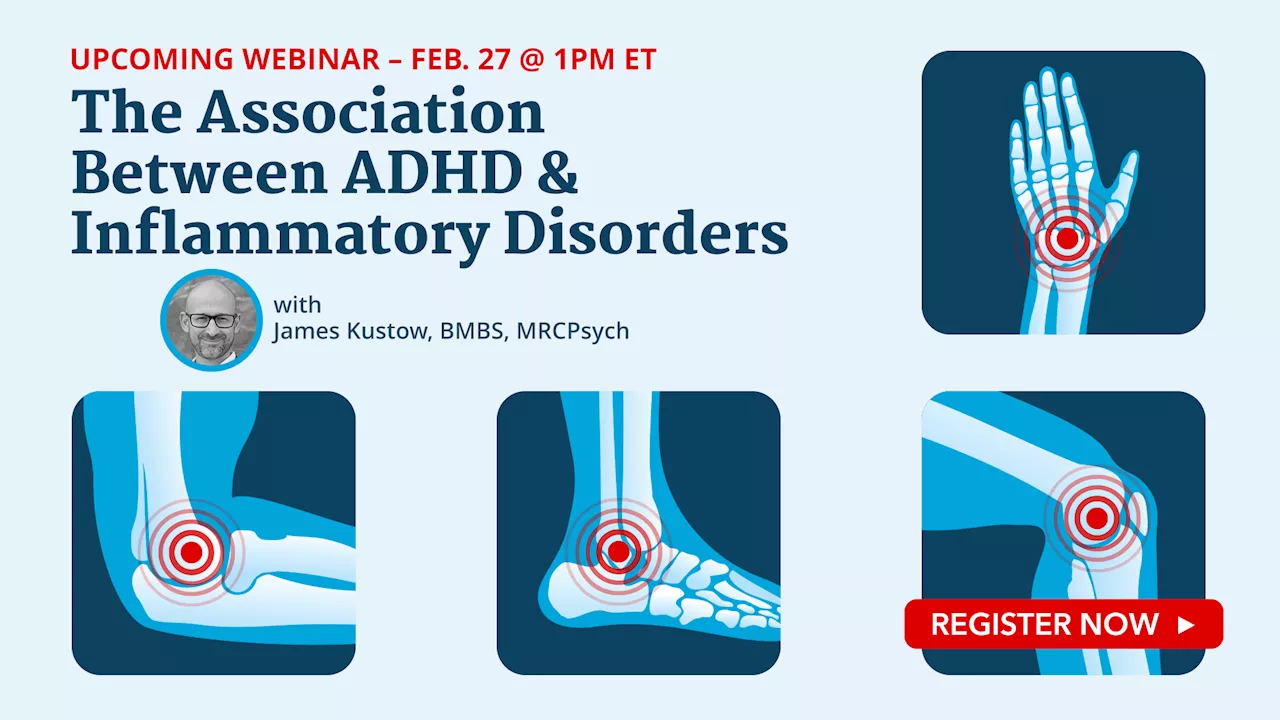 ADHD and Inflammation: A Webinar with Dr. James KustowJoin a free webinar to explore the connection between ADHD and inflammation, featuring Dr. James Kustow, a leading expert in adult ADHD. Learn about the prevalence of autoimmune conditions in individuals with ADHD, the potential genetic links, and the role of hypermobility in understanding this relationship. Discover how inflammation may contribute to broader health challenges and gain valuable insights into managing both ADHD and inflammation-related issues.
Read more »
 Untreated Dementia: Four Out of Five Remain UndiagnosedA new study in Texas reveals a staggering lack of dementia diagnoses, with four out of five individuals experiencing probable dementia remaining undiagnosed and untreated. The study highlights the critical need for improved screening and early detection efforts, especially considering the potential impact of future dementia treatments.
Read more »