
This article delves into the concept of zone zero exercise, a form of light physical activity that emphasizes slow, sustained movement. It explores the benefits of zone zero exercise, including accessibility, recovery, mental well-being, and consistency. The article also discusses the scientific debate surrounding zone zero exercise and its role in overall health.
It can look almost too easy: athletes gliding along on a bike, runners shuffling at a pace slower than most people's warm-up, or someone strolling so gently it barely seems like exercise at all. The idea runs counter to the 'push yourself' culture of gyms and fitness apps. Instead of breathless effort, zone zero exercise is all about moving slowly enough that you could chat very comfortably the whole time. \For some people, it might mean a gentle stroll.
For others, it could be easy yoga, a few stretches while the kettle boils, or even pottering about the garden. The point is that your heart rate stays low; lower even than what many fitness trackers label as zone 1. Usually means about 50-60% of your maximum heart rate. Zone zero dips beneath that. In fact, not all scientists agree on what to call it, or whether it should be counted as a separate training zone at all. But in recent years, the term has gained traction outside research circles, where it has become shorthand for very light activity, with surprising benefits. \ One of those benefits is accessibility. Exercise advice often leans towards intensity: the sprint intervals, the high-intensity classes, the motivational 'no pain, no gain'. For anyone older, unwell, or returning to movement after injury, this can feel impossible. Zone zero exercise offers an alternative starting point. Researchers have found that even very light activity can improve several health markers including circulation, help regulate blood sugar, and support mental wellbeing. A daily walk at a gentle pace, for example, can have a positive impact on your overall health. There's also the question of recovery. High-level athletes discovered long ago that they couldn't train hard every day. Their bodies needed space to repair. That's where easy sessions came in. They aren't wasted time, but essential recovery tools. The same applies to people juggling work, family and stress. A zone zero session can reduce tension without draining energy. Instead of collapsing on the sofa after work, a quiet half-hour walk can actually restore it. \Mental health researchers have pointed to another benefit: consistency. Many people give up on exercise plans because they set the bar too high. A routine based on zone zero activities is easier to sustain. That's why the gains – better sleep, a brighter mood, and lower risk of chronic illness – keep adding up over months and years. There are limits, of course. If your goal is to run a marathon or significantly increase fitness levels, gentle movement alone won't get you there. The body needs higher-intensity challenges to grow stronger. But the 'all or nothing' mindset, either training hard or not at all, risks missing the point. Zone zero can be the base on which other activity is built, or it can simply stand on its own as a health-boosting habit. The fact that researchers are still debating its definition is interesting in itself. In sports science, some prefer to talk about 'below zone 1' or 'active recovery' instead of zone zero. But the popular name seems to have stuck, perhaps because it captures the spirit of effortlessness. The idea of a 'zero zone' strips away pressure. You don't need fancy equipment or the latest wearable. If you can move without strain, you're doing it. That simplicity may explain its appeal. \Public health messages about exercise can sometimes feel overwhelming: how many minutes per week, what heart rate, how many steps. Zone zero cuts through that noise. The message is: do something, even if it's gentle. It still counts. And in a world where many people sit for long stretches at screens, it might be more powerful than it sounds. Studies show that long sedentary periods raise health risks even in people who exercise vigorously at other times. Building more light, frequent movement into the day may matter just as much as the occasional intense workout. Zone zero exercise, then, isn't about chasing personal bests. It's about redefining what exercise can look like. It's not a test of willpower but a way to keep moving, to stay connected to your body, and to build habits that last. Whether you're an elite cyclist winding down after a race or someone looking for a manageable way back into movement, the same principle applies: sometimes, the gentlest pace is the one that gets you furthest
Zone Zero Exercise Low-Intensity Exercise Active Recovery Health Benefits Mental Wellbeing Accessible Exercise
United States Latest News, United States Headlines
Similar News:You can also read news stories similar to this one that we have collected from other news sources.
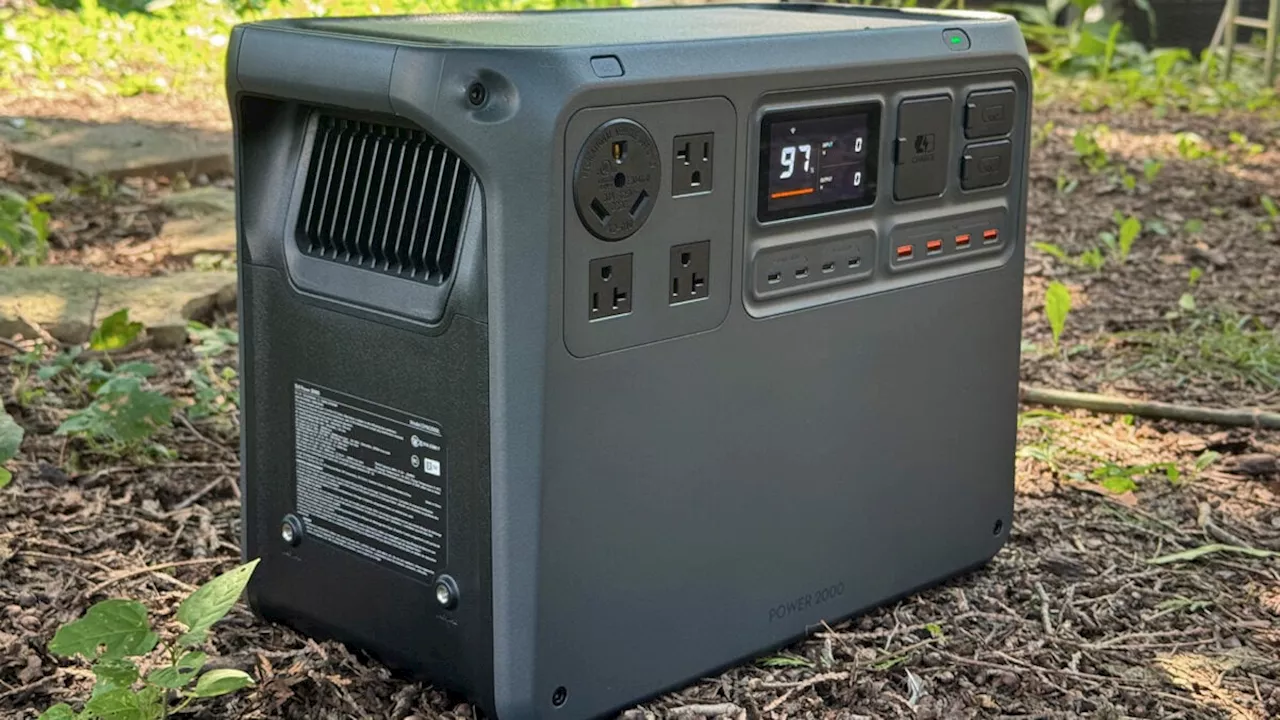 DJI Power 2000 Review: The Portable Power Station You Want for Your Off-Grid AdventuresA fantastic and gigantic, if pricey, power station with tons of ports for charging virtually any gadget.
Read more »
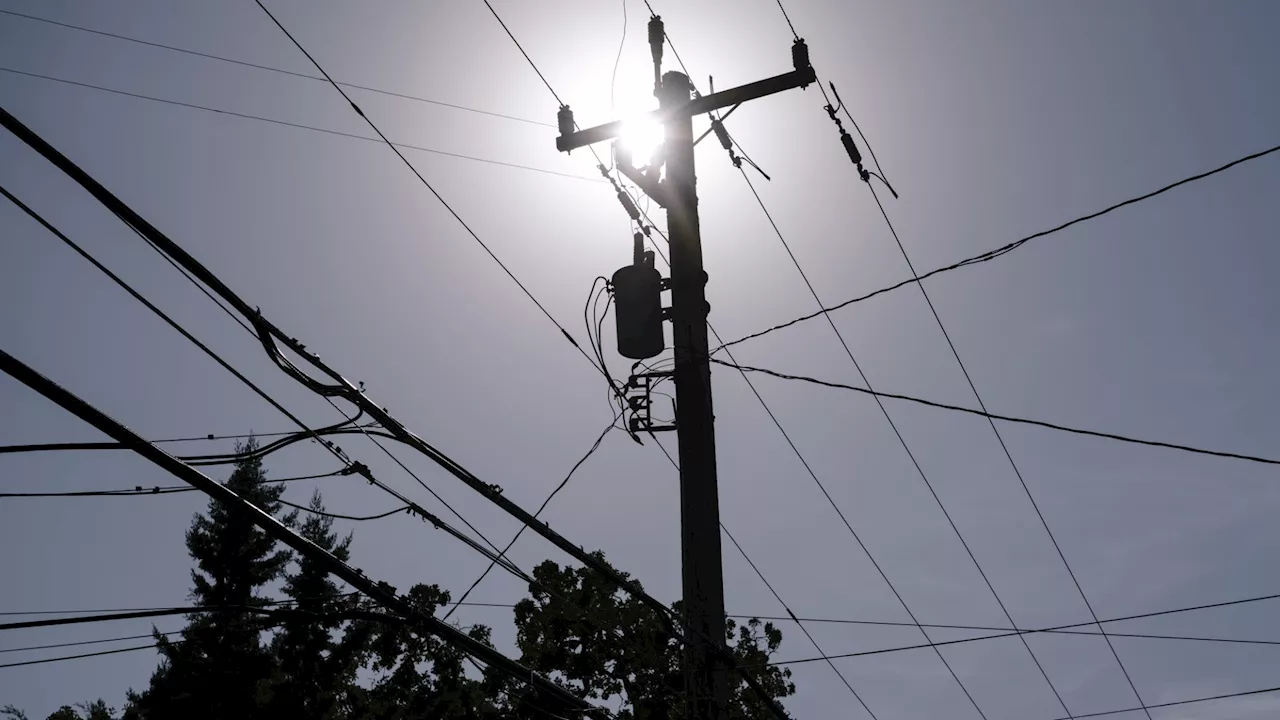 Over 16K without power in western suburbs after communication tower hits power lineMore than 16,000 ComEd customers were without electricity on Friday after a communication tower fell onto power lines, the electric utility said.
Read more »
 WATCH: News4JAX captures video of power line sparking, flashing before power outage at Ribault High SchoolTwo Duval County public schools that got an overhaul opened to students for the first time on Monday.
Read more »
 Power outage: 6,500 people without power in South SeattleFrank Sumrall is a content editor for MyNorthwest originally from the North Bay in California.
Read more »
 Google, Kairos Power & TVA Partner to Supply 50 Megawatts of Nuclear Power to Data CentersGoogle, Kairos Power, and the Tennessee Valley Authority (TVA) announce a historic partnership to generate 50 megawatts of nuclear power for Google data centers. This agreement signifies a significant step towards meeting rising energy demands and advancing the role of advanced nuclear technology in the US.
Read more »
 Harlem celebrates Lloyd Williams: ‘We have power as individuals, and we have power collectively’The New Black View
Read more »