
Analysis of the U.S.-Iran conflict, highlighting strategic options beyond a ground invasion, with a focus on targeted actions to achieve desired outcomes. Discusses the importance of understanding Iran's capabilities, strategic objectives, and potential pressure points, including economic and infrastructure vulnerabilities.
The ongoing U.S.-Iran conflict, now a month in duration, necessitates a clear-eyed assessment that distinguishes between genuine strategic insights and politicized narratives. Instead of immediately jumping to conclusions about a full-scale ground invasion of Iran, a more nuanced understanding is crucial. The conflict is not necessarily heading towards seizing Tehran, securing nuclear material by force, or engaging in a protracted nation-building endeavor.
President Trump has paused strikes on Iran’s energy infrastructure until April 6, but the true focus should be on the remaining options. It is widely understood that CENTCOM and Israel will continue to systematically attack Iran’s military capabilities. Iran entered the conflict with a diverse array of military assets, including ballistic missiles, drone technology, a layered naval presence in the Gulf, elements of its nuclear enrichment program, and a resilient military-industrial base. These assets are undergoing destruction, but they are not entirely eliminated yet.\Simultaneously, Israel is targeting the very foundations of the regime's power structure, focusing on eliminating political and military leaders, degrading the Basij, and dismantling internal security infrastructure. This approach represents strategic pressure on both Iran's capacity to fight and its ability to govern. The stated strategic objectives of Operation Epic Fury, as articulated by U.S. leaders, are to eliminate Iran’s missile arsenal and its capacity to replenish it, degrade its navy, and prevent it from acquiring nuclear weapons. Regime change is not explicitly the stated goal, although questions have been raised. The primary focus is on behavior change, with pathways for diplomatic solutions offered to the current regime. The goal is to paralyze the regime, cripple its capabilities, and compel it to accept new terms. The U.S. does not need the regime to fall to achieve its objectives, which expands the scope of possible strategies.\Considering the current dynamics, a variety of strategic options remain. One prominent option is to target Iran’s economic core, particularly Kharg Island, which handles the majority of Iran’s oil exports, serving as a primary source of hard currency. Disrupting or destroying Iran's export capacity could cripple the regime’s ability to fund its military, maintain its patronage networks, and maintain internal control. Economic pressure is not hypothetical; Iran already showed signs of vulnerability during the January 2026 protests driven by inflation, banking instability, and basic service shortages. Another potential strategy involves targeting Iran’s national power grid. Precision strikes on key substations and transmission nodes can trigger widespread power outages across entire regions, crippling the regime's command and control, surveillance, communications, and internal security systems. The U.S. has already demonstrated the ability to execute such strikes effectively in previous conflicts
U.S.-Iran Conflict Military Strategy Iran Economic Pressure Strategic Options
United States Latest News, United States Headlines
Similar News:You can also read news stories similar to this one that we have collected from other news sources.
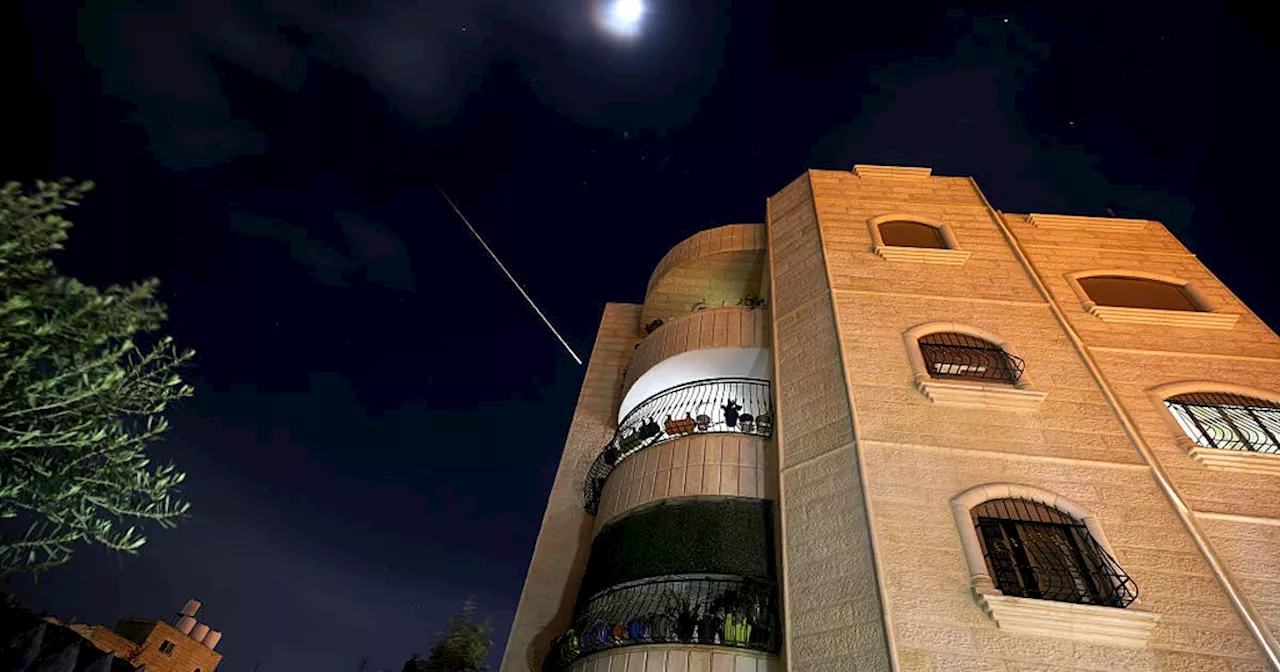 US-Iran Conflict Escalates: Regional Risks Grow as Military Operations IntensifyThe ongoing conflict between the U.S., Israel, and Iran enters its 30th day, marked by escalating military operations, expanding regional involvement, and growing global risks. Iran's missile strikes, Israeli attacks on Iranian infrastructure, and the involvement of new actors like the Houthi rebels are widening the conflict and heightening tensions.
Read more »
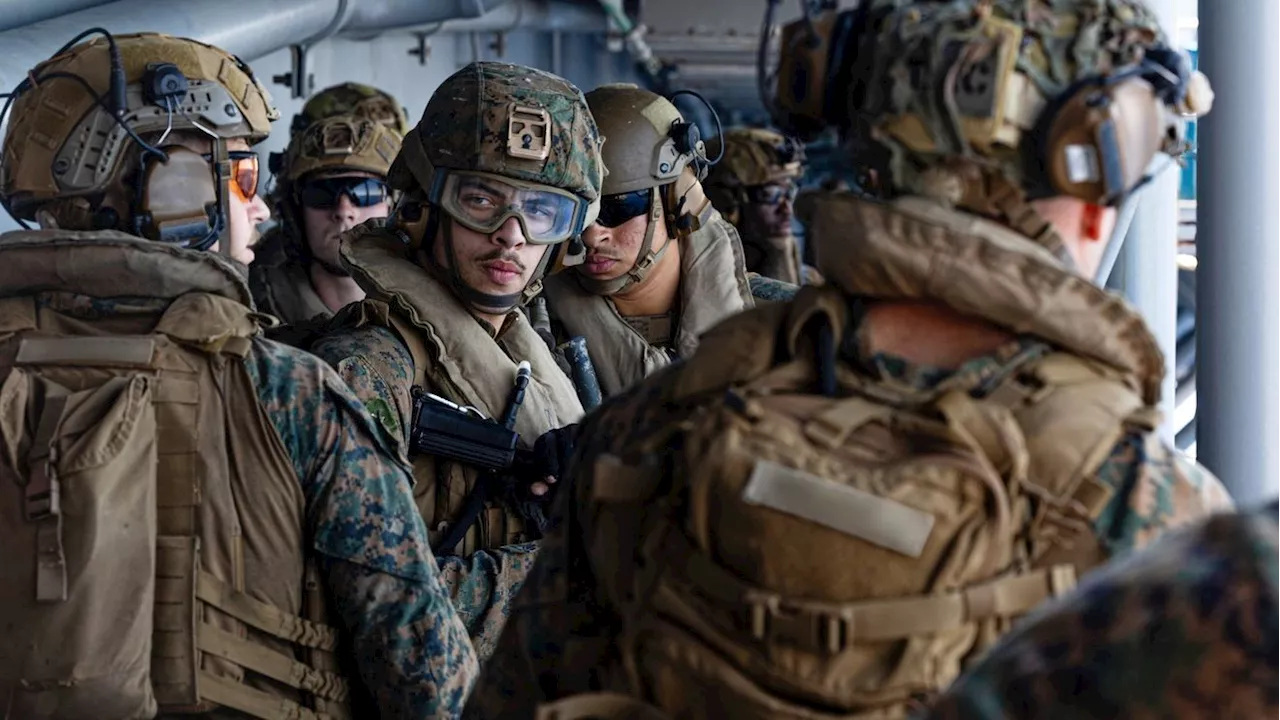 Conflict Escalates in Middle East as Iran Warns U.S.; Diplomatic Efforts ContinueTensions remain high as the U.S., Israel, and Iran conflict enters its second month. Iran warns of a harsh response to a ground invasion. Regional diplomats seek direct talks, while economic and global supply chains face disruption. Parallel developments include local news about developments in Alabama.
Read more »
 Trump Mulls Seizing Iranian Oil, Discusses Options for Resolving the ConflictIn an interview with the Financial Times and comments to NBC News, former President Trump considered the possibility of taking Iranian oil, referencing previous actions in Venezuela and options for military intervention. He also mentioned Iran's nuclear program and the ongoing efforts to negotiate a 15-point peace proposal to end the conflict.
Read more »
 Trump Hints at Taking Iran's Oil, Citing Strategic ConsiderationsIn a recent interview, Donald Trump discussed potential strategies regarding Iran's oil reserves, stating his preference to 'take the oil' but acknowledging potential challenges and criticisms. He alluded to strategic considerations and the complexities of implementing such a plan. This also included mentioning situations in Venezuela, indicating his potential approach in the Middle East.
Read more »
 US Lawmakers Debate Iran Conflict: Ground Troops, Funding, and Strategic ObjectivesHouse Majority Leader Steve Scalise and Senator Chris Van Hollen offer contrasting views on the ongoing conflict with Iran. Scalise addresses the potential for ground troop deployment, while Van Hollen criticizes the war's legality, cost, and lack of clear objectives.
Read more »
 Russia Cashes In As Iran Weakens—at a Rising Strategic Cost“The Middle East that Russia built its influence around is burning, and Moscow is a spectator.”
Read more »